
125 5Th Avenue Southeast, Spring Grove, MN 55974
For more information about senior living options: (866) 208-4318
Overall Review of Tweeten Lutheran Health Care Center
Pros
 Her fiancé loves working there.
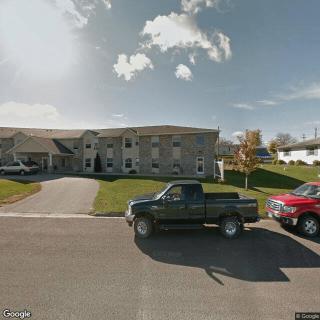
- Tweeten Lutheran Health Care is clean, safe, and convenient.
- It is closer to home, about five minutes away.
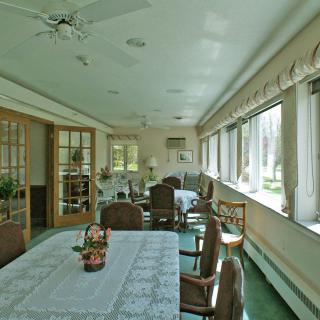
- The mother is in a spacious, bright room.
- The care provided is very good.
- The food is great, and arts and crafts, bingo, and live music are offered.
- They would recommend it to others in need of a nursing home facility.
Cons
 She has become more in need of a 24-hour nursing home facility.
Review
Tweeten Lutheran Health Care Center in Spring Grove, MN is best suited for families seeking a small, genuinely connected skilled-nursing environment where 24/7 care is non-negotiable and daily life remains activity-rich and home-like. The community appears to deliver on cleanliness, safety, and proximity, which matters deeply for visits and ongoing family participation. It works especially well when a resident needs steady nursing support but also benefits from a lively schedule of meals, social events, and familiar routines. For households prioritizing a short drive to family and a setting that feels less institutional than larger campuses, this center offers a clear, practical path to comprehensive daily care without sacrificing a sense of belonging.
Those weighing alternatives should recognize that Tweeten Lutheran may not be the right fit for every situation. If independence remains the primary goal or if only assisted-living-level help is anticipated, other options may fit better, since the facility emphasizes 24-hour nursing and more intensive care needs. Families seeking broader rehab specialization, extensive memory-care programming, or a larger campus with a wider medical-network footprint might find other communities more aligned with those priorities. The Lutheran affiliation and community orientation will also matter to families for whom spiritual support and a faith-informed environment are central to daily life.
On the plus side, the most compelling advantages center on the core experience residents and families value in a nursing setting. The center is described as clean and safe, with a level of safety and upkeep that reduces daily stress for both residents and loved ones. Proximity to home, about five minutes for many families, translates into frequent, low-friction visits that reinforce continuity of care and reduce logistical headaches. Inside, mother’s room is noted as spacious and bright, contributing to a dignified mood and a sense of personal space that can make a difficult transition easier. The care itself is characterized as very good, reinforcing confidence in the staff’s ability to manage complex needs around the clock.
Food quality and social programming emerge as standout differentiators. Families repeatedly praise meals as excellent, which matters not only for nutrition but for morale and daily enjoyment. The social calendar, arts and crafts, bingo, live music, creates meaningful engagement beyond basic care tasks. This combination of good nutrition, purposeful activity, and family-friendly visitation fosters a sense of community that can offset the impersonal resonance some fear from a nursing setting. When residents become more dependent, the ability to sustain these social anchors can be decisive in maintaining mood, motivation, and overall quality of life.
If there is a concern to balance, it centers on what the facility may not highlight as readily. The available reviews do not list major downsides, but there is a natural implication that the setting is best for higher-acuity needs rather than for those who still crave maximum independence. The transition described by one family, from seeking assisted living to requiring round-the-clock nursing, signals the center’s strength in adapting to escalating care demands, yet it also points to a reality: this is primarily a nursing-home environment. For residents whose needs are more routine or whose goals emphasize minimizing staff-assisted time, other configurations might deliver a more suitable match.
Practical guidance flows directly from these observations. For families prioritizing dependable 24/7 nursing care in a warm, neighborly atmosphere near Spring Grove, Tweeten Lutheran Health Care Center stands out as a strong recommendation. The key decision driver should be whether the resident’s needs genuinely require around-the-clock skilled nursing and whether the spiritual/community tenor aligns with the family’s values. If independence, extensive rehab variety, or specialized memory-care programs are non-negotiable, it pays to explore alternatives with broader service lines. Prospective families should plan visits, ask detailed questions about room options and inclusion in meals and activities, confirm staffing ratios, and clarify cost structures to ensure the value aligns with the care level promised.
 50 resident community capacity
 Skilled Nursing Facility
 Beauty salon
 Cable or satellite TV
 Dining room
 Fully furnished
 Garden
 Housekeeping services
 Kitchenette
 Move-in coordination
 Outdoor space
 Restaurant-style dining
 Small library
 Telephone
 Wi-Fi/high-speed internet available
 24-hour call system
 Activities of daily living assistance
 Assistance with bathing
 Assistance with dressing
 Assistance with transfers
 Diabetes diet
 Medication management
 Mental wellness program
 Special dietary restrictions




 Highly Beneficial Low-Impact Exercises for Senior Living Residents
 Is In-Home Healthcare Tax Deductible? Your Comprehensive Guide
 Nurturing Well-Being Through Gardening: A Detailed Guide for Senior Enthusiasts