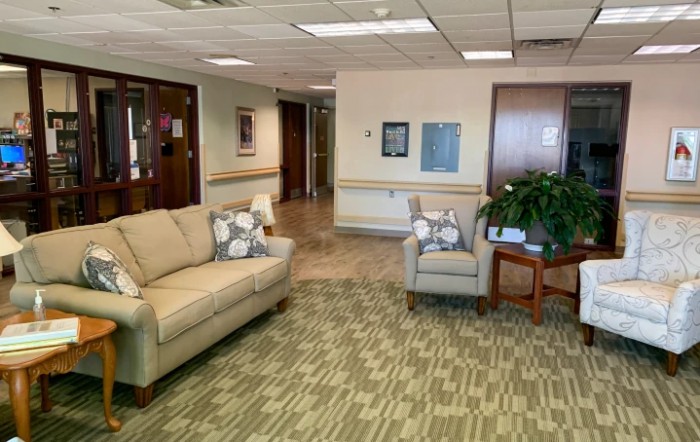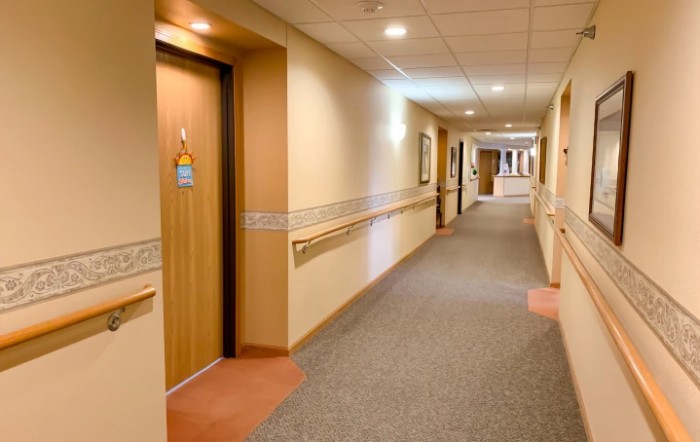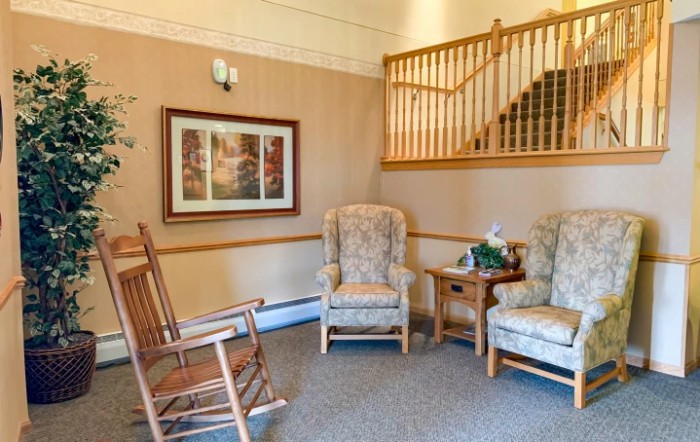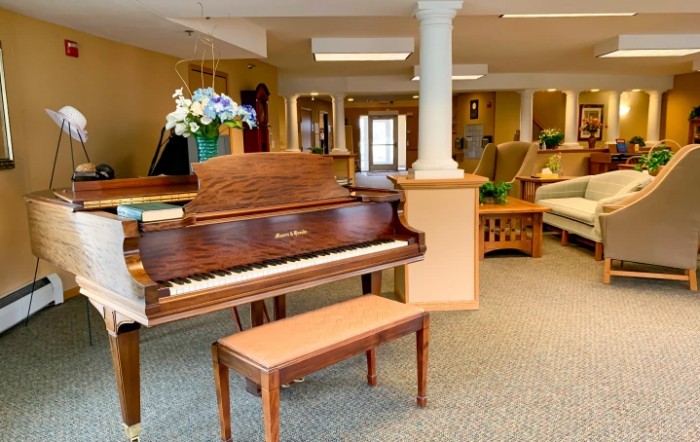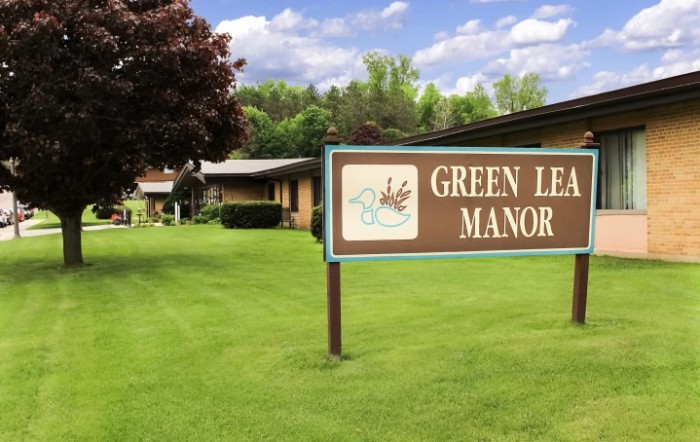
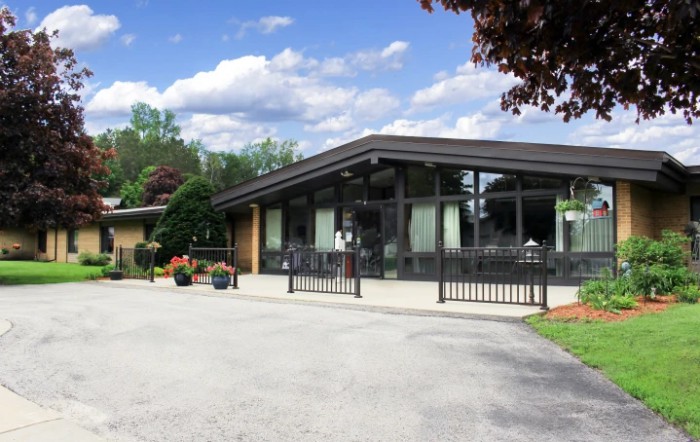
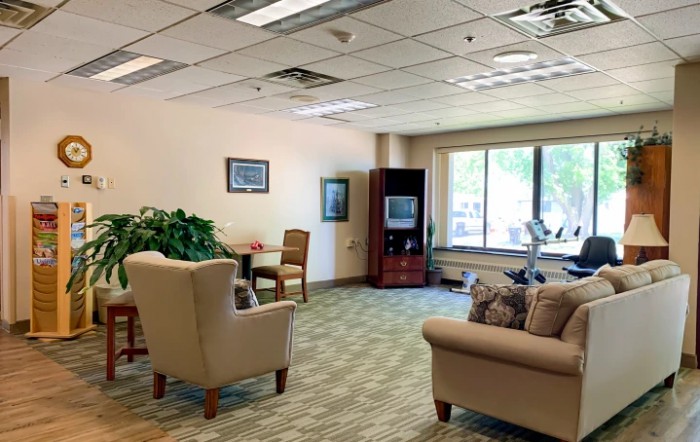
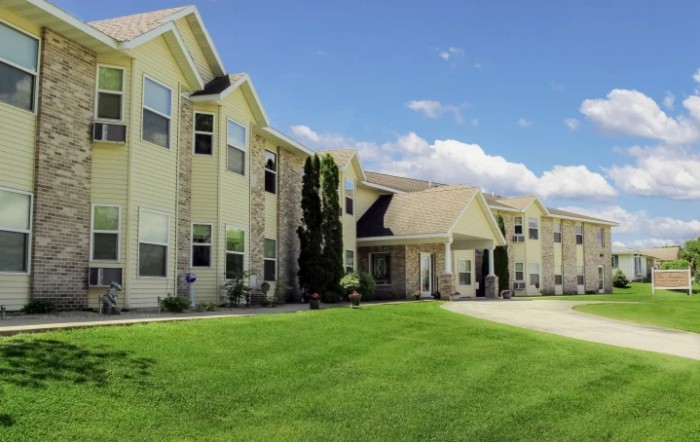


115 North Lyndale, Rr 2 Box 49, Mabel, MN 55954
For more information about senior living options: (866) 208-4318
Green Lea Senior Living Costs & Pricing
Green Lea Senior Living offers a competitive monthly rate for private rooms at $4,410, matching the cost found throughout Houston County. This positioning not only reflects the local market but also highlights Green Lea's commitment to providing affordable senior living options. In comparison to the broader landscape of Minnesota, where the average cost for similar accommodations rises to approximately $5,090, Green Lea presents a substantial value. This pricing strategy underscores their dedication to ensuring that residents receive quality care and comfortable living arrangements without straining financial resources.
| Floor plans | Green Lea Senior Living | Houston County | Minnesota |
|---|---|---|---|
| Private | $4,410 | $4,410 | $5,090 |
Overall Review of Green Lea Senior Living
Pros
 The team at Green Lea is awesome to work with.
- They are glad their wife's grandmother is in such a caring place.
Review
Green Lea Senior Living in Mabel, Minnesota is best suited for families seeking a tight-knit, person-centered option where staff relationships define daily life. The reviews spotlight an exceptional caregiving team and a sense that a loved one is genuinely cared for, creating an impression of warmth, reliability, and practical support. For seniors who value consistent, friendly interaction, predictable routines, and emotional warmth from caregivers over size or flashy amenities, Green Lea offers a straightforward, reassuring fit. This is not a luxury resort, but a practical home-like setting where the human touch drives the experience.
Those considering alternatives are likely looking for higher-level medical oversight, memory-care specialization, or a broader menu of on-site services. A small, rural operation may not satisfy families seeking extensive nursing coverage, complex care transitions, or sophisticated clinical programming. In such cases, options with larger teams, deeper clinical depth, and formal memory-care capabilities could be more appropriate. For residents whose needs may quickly shift toward specialized dementia care or frequent clinical monitoring, broaden the search to communities with dedicated memory-care wings and hospital-network affiliations.
The strongest pros lie in the care ethos: a dependable, personable team that can be counted on to know residents well and respond with genuine attentiveness. That relational strength directly offsets the main, unspoken risk in a small community, potential gaps in perceived scalability or service breadth, by letting daily life feel individualized and responsive. Yet the brevity of public details leaves pertinent questions unanswered: exact staffing ratios, routine medical support, and the scope of activities or therapies. In practice, the warmth and diligence are real assets, and they carry substantial weight in daily quality of life, but families should verify what is included in the base rate and what requires additional charges or arrangements.
During a visit, focus should be on practical checks that translate into ongoing peace of mind. Meet the caregiving team across different shifts to gauge consistency and stability, and request data on turnover and training. Review the care plan process and how updates are communicated to family members, ensuring a clear line of sight into how evolving needs are monitored. Observe the daily routine in action, meals, recreation, and transportation, and assess safety features, accessibility, and responsiveness. Do not rely on impressions alone; confirm whether on-site medical services exist or how promptly partner networks can be accessed when clinical needs intensify.
Cost clarity matters almost as much as culture. Obtain a transparent breakdown of what is included in the base price and what triggers additional charges for extra services or higher care levels. In a rural Minnesota setting, proximity to family, ease of visits, and transportation logistics can shape value as much as the written rate. Inquiries should cover respite arrangements, move-in readiness, and how rates may adapt if a resident’s needs evolve. A well-structured agreement will clearly spell out notice periods, transition terms, and contingencies for shifting care requirements, reducing the risk of surprises down the road.
Ultimately, Green Lea Senior Living earns credibility from the evident care ethic demonstrated by its team and the palpable value placed on residents’ well-being. For families prioritizing personal connection, reliable routines, and a compassionate day-to-day environment, this community stands out as a practical, grounded option that can deliver real comfort and stability. For those whose planning envisions complex medical needs, extensive memory-care requirements, or the desire for a broader service catalog, alternatives with greater clinical depth should be considered. The prudent move is to arrange a structured visit, meet the care team, inspect living spaces, request a detailed care plan and rate card, and compare with nearby options to confirm that the chosen path aligns with current needs and long-term expectations.
 41 resident community capacity
 Skilled Nursing Facility
 Beauty salon
 Cable or satellite TV
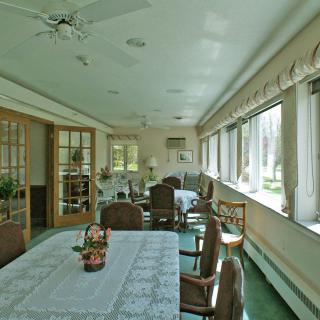
 Dining room
 Fully furnished
 Garden
 Housekeeping services
 Kitchenette
 Move-in coordination
 Outdoor space
 Restaurant-style dining
 Small library
 Telephone
 Wi-Fi/high-speed internet available
 24-hour call system
 Activities of daily living assistance
 Assistance with bathing
 Assistance with dressing
 Assistance with transfers
 Diabetes diet
 Medication management
 Mental wellness program
 Special dietary restrictions



 Comprehensive Guide to Qualifying for Home Health Care Services
 Powerful Realities of Elder Abuse and the Most Effective Ways to Report It
 Ten Vital Duties of a Senior Caregiver: A Comprehensive Guide