2801 South Highway 169, Grand Rapids, MN 55744
For more information about senior living options: (866) 208-4318
Overall Review of The Emeralds At Grand Rapids
Pros
 The staff were caring and thoughtful toward the mother.
- Hospice helped with communication between the family and the staff.
- The mother's pain was well managed.
- Evergreen Terrace provided care for her during the last days.
- The mother had her own room for part of her stay, offering privacy.
- The family holds Evergreen Terrace in high regard for the care they provided in her final days.
Cons
 Another woman was placed with her for about a week and was very unhappy.
- The arrangement wasn’t the best.
- The staff had turnover and at times seemed short-staffed.
- She was in much pain.
- The family felt they were not heard by the staff, despite hospice involvement.
Review
The Emeralds At Grand Rapids is best suited for families that prize genuine, hands-on caregiving and want a setting where staff engagement with residents feels real and ongoing. The lone firsthand account from a nearby facility underscores how crucial it is for caregivers to listen, respond, and partner with families when comfort and end-of-life needs arise. In this light, The Emeralds should appeal to those who value kindness in daily interactions, a sincere willingness to coordinate with hospice or palliative teams, and the sense that staff are invested in each resident’s dignity and comfort. Private space and respectful, well-managed roommate arrangements will also factor heavily into satisfaction for residents who prioritize personal autonomy.
Those who may want to consider alternatives include families where a consistent, uninterrupted care routine is non-negotiable. The reviewed experience highlights that staff turnover and occasional short-staffing can disrupt continuity, which matters greatly for residents with complex medical needs, frequent pain episodes, or a strong preference for predictable routines. If a resident requires near-constant monitoring, rapid response times, or highly structured daily schedules, it is prudent to compare Emeralds against communities with demonstrably lower turnover and stronger staffing stability. Likewise, families who have firm preferences about roommate policies or the presence (or absence) of private rooms should verify the community’s capabilities in these areas before deciding.
The strongest offset to the concerns raised in the review lies in the demonstrated capacity of compassionate staff to provide meaningful, attentive care and to coordinate effectively with hospice when needed. When caregivers are patient, thoughtful, and proactive in communication, pain management and comfort can be addressed more consistently, which dramatically improves quality of life for residents in their final stages. The presence of a caring culture can mitigate the impact of staffing fluctuations, especially if a facility couples that culture with reliable channels for family communication. In short, empathy and proactive coordination with health professionals are the most valuable counterweights to the potential downsides of staffing variability.
Operationally, prospective residents should press The Emeralds At Grand Rapids for clarity on several practical points. Key questions include the current caregiver-to-resident ratio, turnover rates, and whether a primary caregiver is assigned to each resident. Inquire about communication practices: how families receive updates, who the designated point of contact is, and how quickly concerns are addressed. Room options become critical in this context, whether private rooms are guaranteed or if roommate assignments are flexible, and what the policy is if a private room becomes available later. Lastly, ask about end-of-life care protocols, hospice partnerships, and pain management plans, and request recent examples of how these have been implemented.
From a decision-making standpoint, a resident with complex medical needs or a history of requiring rapid, compassionate staff responses will benefit most from a community that can demonstrate staffing stability and transparent communication structures. If Emeralds can show a track record in these areas, it becomes a compelling option, particularly for families who value a warm, person-centered atmosphere and want to be actively involved in caregiving decisions and routine updates. If, however, evidence of consistent staffing gaps or murky roommate practices surfaces, alternative nearby communities with stronger retention metrics and clearer family engagement policies may outperform in achieving predictable, safe, and comfortable daily life.
In summary, The Emeralds At Grand Rapids holds strong appeal for families seeking a nurturing environment where caregivers are genuinely attentive and end-of-life support is handled with dignity and tact. The decisive factor remains staffing consistency and the ability to translate compassionate care into steady, reliable operations. Pros, compassionate staff, hospice compatibility, and family-centered communication, materially offset the potential downsides only when there is demonstrable stability in caregiving teams and crisp, proactive engagement with families. For families weighing their options, the question is not only whether Emeralds offers warmth, but whether it can consistently deliver dependable staffing and transparent, responsive communication that aligns with the resident’s evolving needs.
 93 resident community capacity
 Skilled Nursing Facility
 Air-conditioning
 Beauty salon
 Cable or satellite TV
 Computer center
 Dining room
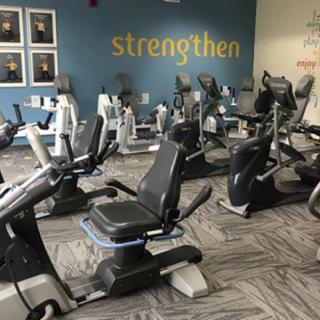
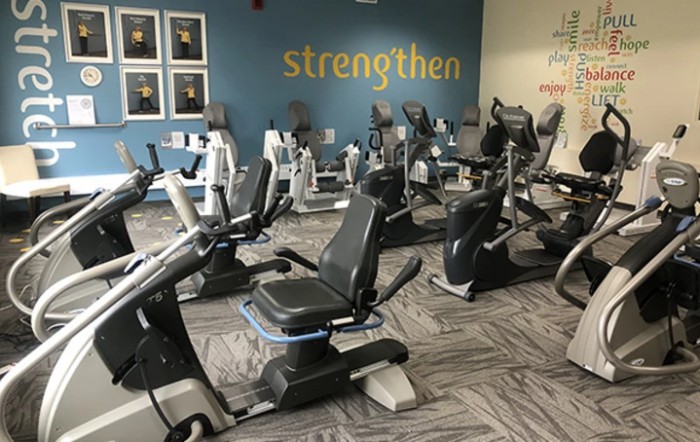
 Fitness room
 Fully furnished
 Gaming room
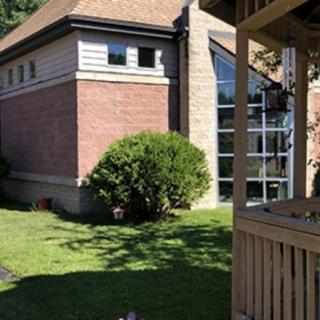
 Garden
 Housekeeping services
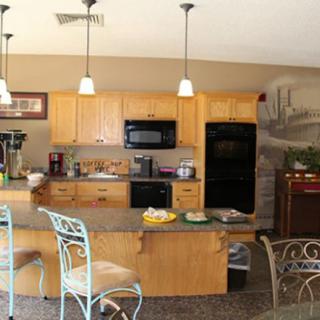
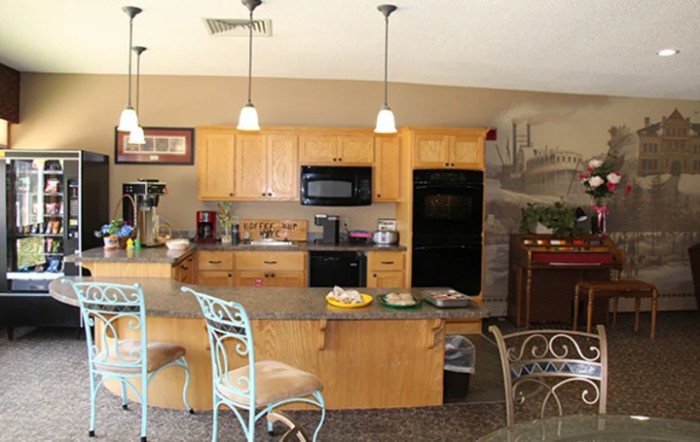
 Kitchenette
 Move-in coordination
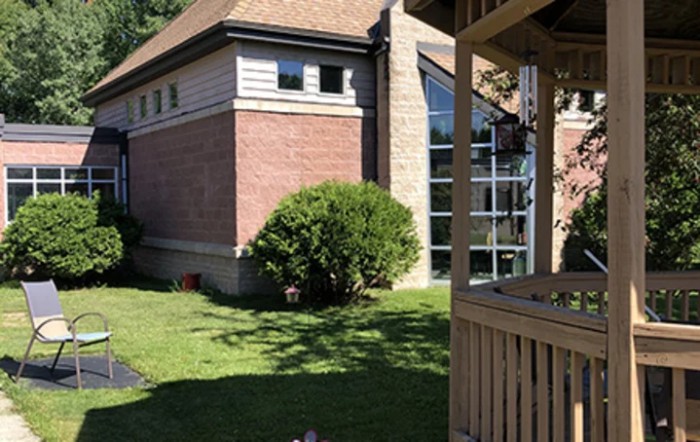
 Outdoor space
 Private bathrooms
 Restaurant-style dining
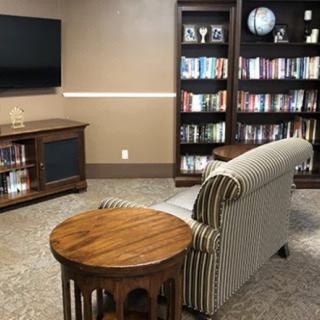
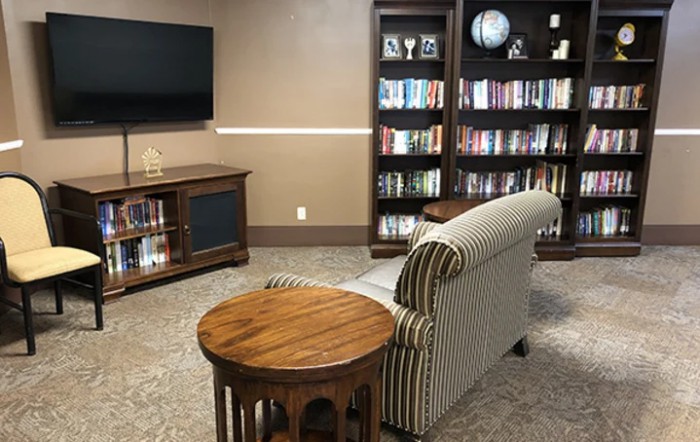
 Small library
 Telephone
 Wellness center
 Wi-Fi/high-speed internet available
 Community operated transportation
 12-16 hour nursing
 24-hour call system
 Activities of daily living assistance
 Assistance with bathing
 Assistance with dressing
 Assistance with transfers
 Diabetes diet
 Medication management
 Mental wellness program
 Special dietary restrictions
 Concierge services
 Planned day trips


 Urinary Tract Infections in Older Adults: Comprehensive Insights on Symptoms, Treatment, and Prevention
 California's Form 602A: An In-Depth Examination of Senior Care Assessment
 Comprehensive Look at Senior Blood Pressure Charts: Normal and Elevated Levels by Age