

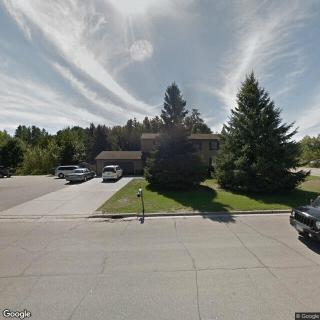
949 SW 11th Ave, Grand Rapids, MN 55744
To contact a resident: (218) 327-9100
For more information about senior living options: (866) 208-4318
Diamond Willow Assisted Living of Grand Rapids Costs & Pricing
At Diamond Willow Assisted Living of Grand Rapids, the monthly cost for a one-bedroom unit stands at $7,200. This figure significantly exceeds both Itasca County's average of $3,654 and the broader state average of $2,893 in Minnesota. Such a premium pricing structure reflects the higher level of personalized care and amenities provided at Diamond Willow, positioning it as a choice for residents who prioritize comprehensive support and quality services in their living arrangements. The distinction in costs suggests a tailored approach to assisted living that caters to specific needs and preferences, ultimately enhancing the overall resident experience.
| Floor plans | Diamond Willow Assisted Living of Grand Rapids | Itasca County | Minnesota |
|---|---|---|---|
| 1 Bedroom | $7,200 | $3,654 | $2,893 |
Overall Review of Diamond Willow Assisted Living of Grand Rapids
Pros
 Becca is someone the reviewer would trust completely.
- The grandma’s stay was described as beautiful with good care, spacious rooms, a nice living room, music, and a welcoming atmosphere for family, plus real food and great staff.
- The care, staff, and management are described as absolutely wonderful, with a clean facility, well-trained staff, delicious food, and an amazing staff-to-resident ratio.
- The facility is consistently praised for being clean.
- The food is delicious.
Cons
 Diamond Willow is not the same as it was, with substantial staff turnover attributed to management.
- The reviewer notes that a family member was there and was not impressed, with residents not being taken out of the home and appearing bored.
- The management was described as the worst.
- The staff dropped the resident’s bottom dentures months ago and promised to fix them, but instead glued them.
- They dropped the resident’s shaver, broke it, damaged a music player, and shrunk clothing, with no reimbursement.
- The resident’s phone goes missing for long periods, and staff do not protect personal belongings.
- When asked, staff did not know who the owner was.
- For the price, the staff-to-patient ratio was a lie, and the facility cannot accommodate non-ambulatory residents requiring a two-person lift.
- The rooms have no air conditioning and are not climate controlled individually.
- The facility cannot administer liquid medications such as morphine for residents with swallowing difficulties.
- There is high staff turnover and mediocre bathing/washing care.
- A bed sore developed quickly for a loved one.
- Care often required outside higher-up medical professionals to obtain the needed care/items.
Review
Diamond Willow Assisted Living in Grand Rapids, MN is best suited for families seeking a warm, home-like environment where social warmth, personal touches, and familiar routines still carry weight. It remains attractive to residents who prioritize comfort-filled spaces, generous room sizes, and a sense of family-style care, especially for those with moderate needs and a willingness to tolerate some variability in staffing. When the focus is on a cozy atmosphere, approachable staff, and a setting that feels less institutional, this community can deliver.
Those who should consider alternatives are families with loved ones requiring consistent, high-intensity care or rigorous medical oversight, including reliable medication administration, wound care, complex ADL support, and 24/7 monitoring. The reviews signal a pattern of staffing instability and management churn that can translate into gaps in daily supervision and in the execution of care plans. Prospective residents with significant mobility challenges, chronic conditions, or the need for steady, two-person transfers may be better served elsewhere. Additionally, families who prize proactive programming, structured outings, and robust accountability for belongings may want to look at other options.
The strongest positives historically highlighted, big, comfortable rooms, a welcoming common area, real food, and staff who demonstrated dedication, offer a meaningful offset only when consistency is present. In practice, however, those bright spots can be undermined by turnover and uneven care delivery. Cleanliness and a generally pleasant atmosphere are repeatedly noted, but the reality of care quality hinges on steady, well-trained staff and reliable management. When staffing shifts and administrative changes occur, the same appealing environment no longer carries the same reassurance, making the effective value of the space contingent on who is at the helm and who is on the floor.
The reviews converge on serious red flags that deserve close scrutiny. Repeated accounts describe significant staff turnover perceived as linked to management, with families reporting missed tasks, damaged personal items, and insufficient attention to residents’ daily needs. There are vivid complaints about denture and accessory repairs left unaddressed, belongings going missing, and a sense that accountability is lacking when mistakes occur. Medication handling is called out in at least one critical review as unable to manage certain liquid medications, a detail that matters for residents with swallowing difficulties. Ownership transparency and clarity about who runs the facility are also questioned in multiple postings, adding a layer of risk for decision-makers.
Given the price point cited by families, often around eight thousand dollars per month, families must demand concrete assurances before committing. Ask for current staff-to-resident ratios, how shifts are allocated, and how often training occurs. Request the latest care plans and med administration policies, and verify with the state or ombudsman if there have been any formal complaints or investigations recently. Verify whether ownership is clearly disclosed, and seek a recent incident log that shows how mishaps and damages are addressed. Insist on a tour that includes conversations with direct care staff about day-to-day routines, plus a trial period if possible to observe how the team responds to real-time needs.
In sum, Diamond Willow presents a compelling option for those who value a homey feel, comfortable accommodations, and a caring culture when staffing and management remain stable. For families prioritizing consistent clinical oversight, strong accountability, and meticulous protection of belongings, alternatives with demonstrably steadier staffing and more transparent governance should be pursued. The decision hinges on whether the current management-and-staffing trajectory can be restored to align with the previously favorable hands-on care that once defined the community. If certainty in daily care and predictable outcomes is non-negotiable, explore other communities while using Diamond Willow as a concrete reference point for what to demand in a binding agreement.
 Assisted Living
 Memory Care
 Activities on-site
 Devotional services off-site
 Indoor common areas
 Ambulatory care
 Diabetic care
 Meals provided

 Dementia-Related Hallucinations: Causes, Experiences, and Practical Approaches
 Illuminating Insights About Alzheimer's Disease: Ten Crucial Realities
 A Thorough Discussion of Medications Potentially Linked to Dementia Risk