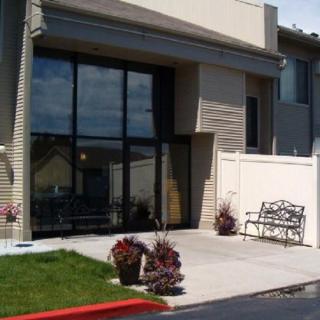
Diamond Willow of Grand Rapids

949 South West 11Th Avenue, Grand Rapids, MN 55744

For more information about senior living options: (844) 490-3973

2.6 from 10 reviews
5 stars
3
4 stars
1
3 stars
0
2 stars
1
1 stars
5

Assisted Living

Overall Review of Diamond Willow of Grand Rapids

Pros

  • pro Absolutely wonderful care, staff and management.
  • pro The facility is always clean.
  • pro The staff are trained well.
  • pro The rooms are nice.
  • pro The food is delicious.
  • pro The staff-to-patient ratio is amazing.

Cons

  • pro Diamond Willow is NOT the same as it was.
  • pro There has been a lot of staff turnover, likely due to management, and it's no longer the great place it used to be.
  • pro A family member was there and was not impressed; residents were not taken out of the home and appeared bored.
  • pro Dentures were dropped months ago and glued instead of being fixed.
  • pro A shaver and a music player were dropped or broken, and clothes were shrunk, with no reimbursement.
  • pro Personal items go missing for long periods, and belongings are not protected by staff.
  • pro The facility is described as the worst nursing home, and staff don't know who the owner is.
  • pro For the price, the staff-to-patient ratio is a lie and the facility is not suitable for non-ambulatory residents; rooms lack climate control.
  • pro Rooms have no air conditioning and cannot distribute liquid medicines to residents with swallowing difficulties.
  • pro A bed sore developed quickly due to poor care.

Review

Becca's name comes up as a note of trust in this place, a reminder that for some, Diamond Willow once felt like a family-friendly option with real warmth. One commenter recalls their Grandma being there for a short time back in 2016 and paints a vivid picture of what it felt like then: a beautiful facility with generous rooms, a welcoming living room, music that came in, and a sense that families and loved ones were genuinely welcome. The overall tone from that period is one of care, comfort, and good staffing, with stories of real food and attentive staff making the experience feel right for both residents and visiting family.

Since then, an update arrives with a much harsher assessment: Diamond Willow is "NOT the same as it was." The writer notes a lot of staff turnover, which they blame most likely on management, and they describe a once-great place that has fallen away from that earlier standard. The shift is attributed to leadership changes, and the personal experience shared by this reviewer underscores a loss of the earlier warmth and reliability. The sense is that what used to be a place of dependable care and community spirit now feels unstable and less capable of delivering the same level of attention and consistency.

In a lengthy, candid account, another family member's experience is laid out with concrete problems. They say the facility did not take residents out for activities or outings, and there was little evidence of rehab or meaningful engagement. They lament the management as "the worst" and express doubt about the facility's future amid new assisted living options in town. Personal items also become a point of contention: dentures were dropped months ago and were not properly repaired, instead were glued; a shaver and a music player were broken, and clothing was shrunk. They claim no accountability or reimbursement for damaged items, and they report a phone going missing for extended periods, which feeds a broader worry that personal belongings are not safeguarded. When asked about ownership, staff reportedly could not name the owners, and the reviewer ends with a stark, emphatic judgment: "the worst nursing home? I'd give this place a Zero Zero Zero."

Not all voices align with that dire assessment, however. At least one review pushes back, describing "Absolutely wonderful care, staff and management" and insisting that one negative comment should not define the facility. According to this positive account, the place is clean, staff are well trained, and a family member genuinely loves it. Food is said to be delicious, and the staff-to-patient ratio is praised as amazing. This perspective emphasizes a different resident experience, suggesting that for some residents and families, the environment can be nurturing and well-run, contrary to what others have described.

There's also a separate, more pointed claim that a grandpa was treated poorly there. This adds to the sense that experiences vary widely and may depend on department, shift, or individual staff. The variety of reports makes it clear that, for some families, the care is not up to expectations, while for others, it meets or even exceeds them. The diversity of experiences complicates any straightforward verdict and reinforces the impression that King's quality may be inconsistent across time and units.

A particularly detailed critique focuses on price and care adequacy. One reviewer flags the monthly cost at about $8,300 and urges others to shop around, arguing that the high price is not matched by the claimed benefits. They challenge the advertised staff-to-patient ratio as largely inaccurate, especially for residents who need assistance with mobility - stating this facility would not be suitable for someone requiring a two-person lift. The complaint goes further: rooms allegedly lack air conditioning and are not climate-controlled on an individual basis; medication administration is questioned - specifically, the inability to distribute liquids like morphine for residents with swallowing difficulties; an emphasis is placed on asking many questions before placement. Allegations of high staff turnover, mediocre bathing and washing care, and the rapid development of bedsores are paired with a sense that a too-new hospice partner and poorly trained staff hindered the care. The reviewer even mentions involving the state ombudsman, underscoring the seriousness of the concerns. Taken together, this account urges potential residents and families not to be swayed by a pleasant atmosphere alone, but to scrutinize the actual care and medication management plans.

Overall, the collection of statements paints a picture of a facility whose reputation has become highly polarized. Some families remember Diamond Willow as a warm, well-run place with good food, clean rooms, and capable, attentive staff. Others describe a troubling decline tied to management issues, staff turnover, mishandled belongings, alleged neglect, and serious questions about medical and daily-care practices. The accounts emphasize different facets of the experience - from the emotional resonance of a welcoming environment and compassionate treatment to concrete grievances about safety, accountability, and quality of care. For anyone evaluating Diamond Willow, the message is clear: experiences can diverge sharply, and it would be prudent to gather current, on-the-ground insights, ask pointed questions about staffing, care plans, medication protocols, and safety procedures, and seek independent evaluations or ombudsman input to form a well-rounded view.

Features

Housing

  • 26 resident community capacity 26 resident community capacity

Types of Care

  • Assisted Living Assisted LivingAssisted living facilities provide crucial support and care for seniors who may need help with daily tasks such as medication management, bathing, and meal preparation. These communities offer a safe and comfortable environment where seniors can maintain their independence while receiving the assistance they need to thrive in their golden years.

Amenities

  • Beauty salon Beauty salonBeauty salons are important for seniors because they provide a space for them to feel pampered, socialize, and maintain their personal grooming and hygiene. Regular visits to a beauty salon can help boost seniors' self-esteem and overall well-being.
  • Cable or satellite TV Cable or satellite TVCable or satellite TV is important for seniors because it provides entertainment, news, and companionship, helping to combat loneliness and boredom. It also offers a wide range of programming options tailored to different interests and preferences.
  • Dining room Dining roomDining rooms are important for seniors as they provide a space for socialization, connection, and nutritious meals. They offer opportunities for residents to bond over shared meals, foster a sense of community, and promote healthy eating habits. Dining rooms also ensure that seniors have access to well-balanced meals tailored to their dietary needs and preferences.
  • Fully furnished Fully furnishedFully furnished senior living communities are important for seniors because they provide convenience, comfort, and a hassle-free moving experience. Seniors can easily settle into their new living space without the stress of having to buy and move furniture. This allows them to focus on enjoying their new home and community.
  • Garden GardenGardens are important for seniors as they provide a peaceful and therapeutic environment for relaxation, physical activity, and socialization. Being in nature has been shown to reduce stress, improve mood, and promote overall well-being. Gardens also offer opportunities for seniors to engage in gardening activities, which can improve mobility, flexibility, and cognitive function. Additionally, gardens create a sense of community and connection with others who share a passion for plants and outdoor spaces.
  • Housekeeping services Housekeeping servicesHousekeeping services are important for seniors because they help maintain a clean and safe living environment, promote independence, and reduce the risk of accidents or illnesses. Additionally, having assistance with household chores can alleviate physical strain and allow seniors to focus on other aspects of their well-being.
  • Kitchenette KitchenetteKitchenettes are important for seniors living in senior living communities because they provide the convenience and independence of being able to prepare simple meals and snacks in the comfort of their own living space. This can help promote a sense of autonomy and well-being for seniors, allowing them to maintain some level of control over their dietary choices and daily routines.
  • Move-in coordination Move-in coordinationMove-in coordination is important for seniors because it helps ease the transition into their new living environment. It ensures that all logistics, such as packing, organizing movers, and setting up utilities are taken care of, allowing seniors to focus on settling in and adjusting to their new home. Having a smooth move-in process can alleviate stress and anxiety, making the transition smoother and more enjoyable for seniors.
  • Outdoor space Outdoor spaceOutdoor spaces are important for seniors as they provide opportunities for physical activity, social interaction, exposure to natural light and fresh air, and a sense of connection to nature. Having access to outdoor spaces can improve overall well-being and quality of life for older adults living in senior communities.
  • Telephone TelephoneTelephones are important for seniors as they provide a lifeline for communication with loved ones, emergency services, and healthcare providers. They offer a sense of security and independence, enabling seniors to stay connected and access assistance when needed.
  • Wi-Fi/high-speed internet available Wi-Fi/high-speed internet availableWi-Fi/high-speed internet is important for seniors to stay connected with loved ones, access online resources, and participate in virtual activities to combat feelings of loneliness and isolation. It also allows them to easily manage healthcare needs, access entertainment, and engage in lifelong learning opportunities.

Care Services

  • 24-hour call system 24-hour call system24-hour call systems are important for seniors because they provide peace of mind and immediate assistance in case of emergencies. This technology ensures that help is always available, promoting safety and security for elderly individuals living alone or in assisted living facilities.
  • 24-hour supervision 24-hour supervision24-hour supervision is important for seniors to ensure their safety, well-being, and access to immediate assistance in case of emergencies or health issues. This constant support provides peace of mind for both seniors and their loved ones, allowing them to age in place with dignity and security.
  • Activities of daily living assistance Activities of daily living assistanceActivities of daily living assistance are important for seniors because they provide essential support with tasks such as eating, bathing, dressing, and mobility. This assistance helps seniors maintain their independence, dignity, and overall quality of life as they age.
  • Assistance with bathing Assistance with bathingAssistance with bathing is crucial for seniors as it helps maintain personal hygiene, prevents infections, and ensures their overall well-being and comfort. It also provides a sense of dignity and independence for seniors who may struggle with this task on their own.
  • Assistance with dressing Assistance with dressingAssistance with dressing is important for seniors because it helps maintain their independence, promotes personal hygiene, prevents accidents and injuries, and improves overall quality of life. This service ensures that seniors can continue to dress comfortably and confidently, despite any physical limitations they may have.
  • Assistance with transfers Assistance with transfersAssistance with transfers is crucial for seniors as it helps prevent falls and injuries, maintains their independence, and ensures they can safely navigate their living environment. It also provides peace of mind for both seniors and their loved ones.
  • Coordination with health care providers Coordination with health care providersCoordination with health care providers is crucial for seniors to ensure proper medical care, medication management, and overall well-being. This collaboration helps prevent overlapping treatments, track progress more effectively, and provide comprehensive support tailored to individual needs.
  • Diabetes diet Diabetes dietA diabetes diet is crucial for seniors as it helps manage blood sugar levels, reduce risks of complications, and improve overall health and well-being. By following a balanced and nutritious diet tailored to their specific needs, seniors can better control their diabetes and enhance their quality of life.
  • Meal preparation and service Meal preparation and serviceMeal preparation and service are crucial for seniors as they may have limited mobility or energy to cook nutritious meals. Having access to healthy and convenient food options can ensure they are getting the proper nutrition needed to maintain their overall health and well-being.
  • Medication management Medication managementMedication management is crucial for seniors to ensure they are taking the right medications at the correct dosages and times. This helps prevent adverse drug interactions, reduces the risk of medication errors, and promotes overall health and well-being. Proactive management also allows for adjustments as needed based on changing health conditions or new prescriptions.
  • Mental wellness program Mental wellness programMental wellness programs are essential for seniors as they promote cognitive stimulation, emotional support, and social engagement. These programs help prevent isolation, depression, and cognitive decline, ultimately enhancing the overall quality of life for older adults.
  • Special dietary restrictions Special dietary restrictionsSpecial dietary restrictions are important for seniors because age-related changes in metabolism and health conditions can make it difficult for their bodies to process certain foods. By following a diet tailored to their specific needs, seniors can maintain their overall health and well-being, manage chronic conditions, and reduce the risk of complications such as malnutrition or food interactions with medications.
  • Transportation arrangement (medical) Transportation arrangement (medical)Transportation arrangements for medical purposes are essential for seniors as they may have difficulty driving themselves to appointments or accessing public transportation. Having reliable and safe transportation options ensures that seniors can receive timely medical care and maintain their health and well-being.
  • Transportation to doctors appointments Transportation to doctors appointmentsTransportation to doctors' appointments is crucial for seniors as it ensures they have access to necessary medical care and support for their health needs. Without reliable transportation, seniors may struggle to attend important appointments, leading to potential delays in treatment and health complications. Providing transportation services helps seniors maintain their overall well-being and quality of life.

Dining

  • Diabetes diet Diabetes dietA diabetes diet is crucial for seniors as it helps manage blood sugar levels, reduce risks of complications, and improve overall health and well-being. By following a balanced and nutritious diet tailored to their specific needs, seniors can better control their diabetes and enhance their quality of life.
  • Special dietary restrictions Special dietary restrictionsSpecial dietary restrictions are important for seniors because age-related changes in metabolism and health conditions can make it difficult for their bodies to process certain foods. By following a diet tailored to their specific needs, seniors can maintain their overall health and well-being, manage chronic conditions, and reduce the risk of complications such as malnutrition or food interactions with medications.

Activities

  • Community-sponsored activities Community-sponsored activitiesCommunity-sponsored activities are important for seniors as they provide opportunities for social interaction, mental stimulation, and physical activity. These activities can help improve overall well-being, combat loneliness and isolation, and promote a sense of belonging and purpose among older adults.
  • Resident-run activities Resident-run activitiesResident-run activities are important for seniors as they encourage social interaction, creativity, and a sense of autonomy. These activities empower seniors to stay engaged and active in their community while fostering meaningful connections with their peers.
  • Scheduled daily activities Scheduled daily activitiesScheduled daily activities are important for seniors because they provide structure, socialization, mental stimulation, and physical activity. Engaging in regular activities can improve overall well-being and quality of life for seniors living in a community setting.

Description

Diamond Willow of Grand Rapids in Grand Rapids, MN is an assisted living community that offers a wide range of amenities and care services to its residents. The community provides comfortable living accommodations with fully furnished rooms, cable or satellite TV, Wi-Fi/high-speed internet, and kitchenette facilities. Housekeeping services ensure that the living environment is clean and well-maintained.

The care services offered at Diamond Willow of Grand Rapids include 24-hour supervision for the safety and well-being of residents. Assistance with daily activities such as bathing, dressing, and transfers is provided to promote independence and maintain personal hygiene. The community also coordinates with health care providers to ensure proper medical care for residents. Medication management is available to make sure that medications are taken correctly and on time.

The dining experience at Diamond Willow of Grand Rapids caters to special dietary restrictions, ensuring that residents can enjoy delicious meals while adhering to their individual dietary needs. Meal preparation and service are provided by the staff.

Residents can engage in a variety of activities offered by the community, including resident-run activities and scheduled daily activities. These activities provide opportunities for social interaction, mental stimulation, and physical exercise.

Convenience is key at Diamond Willow of Grand Rapids as it is surrounded by various amenities within close proximity. There are cafes, parks, pharmacies, physicians' offices, restaurants, places of worship nearby for easy access to essential services and leisure activities. Transportation arrangements can also be made for medical appointments.

Overall, Diamond Willow of Grand Rapids offers a comfortable assisted living environment with comprehensive care services tailored to meet the individual needs of residents. The community promotes independence while providing assistance when needed along with various amenities for a fulfilling lifestyle.

Nearby Places of Interest

Places of Worship

  • Southern Baptist Convention (0.2 miles)
  • Church of the Nazarene (0.3 miles)
  • Full Gospel Church (0.8 miles)
  • St Joseph's Catholic Church (0.9 miles)
  • St Joseph's Catholic Community (0.9 miles)
  • Restoration Life Church (1 miles)
  • Church of the Nazarene (1 miles)

Physicians

  • Essentia Health-Grand Rapids Clinic (0.4 miles)
  • Spenningsby, James Dr-Bonner Eye Clinic (0.4 miles)
  • Itasca Surgical Clinic (0.4 miles)
  • Lakewood Surgery Center (0.4 miles)
  • Northern Pines Orthopaedic Clinic PA (0.6 miles)
  • Hise Leo Dr & Mary (0.6 miles)
  • Oral and Maxillofacial Surgical Associates (0.7 miles)

Parks

  • Grussendorf Park (0.4 miles)
  • Riverview Park (1.1 miles)
  • Lost Creek Park (1.4 miles)
  • Crystal Springs Park (3.9 miles)
  • Longyear Park (7.1 miles)
  • Cotton Park (7.5 miles)
  • Frog Central (8.5 miles)

Hospitals

  • Grand Itasca Clinic and Hospital (0.5 miles)
  • Duluth Clinic Deer River (14.3 miles)

Restaurants

  • Culver's (0.7 miles)
  • Subway (0.8 miles)
  • Arby's (0.8 miles)
  • Domino's Pizza (0.8 miles)
  • Watland (0.8 miles)
  • El Potro Mexican Restaurant (0.9 miles)
  • Forest Lake Restaurant (1 miles)

Pharmacies

  • Walgreens (0.8 miles)
  • Thrifty White Drug (1.1 miles)
  • Super One Foods (1.1 miles)
  • Target Pharmacy (1.2 miles)
  • Medicine Shoppe Pharmacy (1.3 miles)
  • Super One Foods (1.3 miles)
  • Ott Drug Store (13.9 miles)

Cafes

  • Caribou Coffee (1.1 miles)
  • Higher Grounds Coffee Shop (13.9 miles)

Frequently Asked Questions

Where is Diamond Willow of Grand Rapids?

Nearby Communities

Related Resources

  • does medicaid pay for assisted livingHow and When Medicaid May Cover Assisted Living Costs

    Medicaid coverage for assisted living varies by state and is primarily available to low-income individuals, with eligibility dependent on strict income and asset limits. Some states offer HCBS waivers for specific services in assisted living, but families must generally cover room and board costs, and should verify facility acceptance of Medicaid while considering potential waiting lists.

  • assisted living waiver programA Detailed Exploration of Assisted Living Medicaid Waivers Across the United States
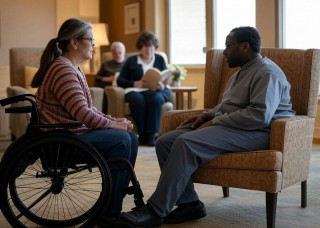
    Medicaid waivers for assisted living services provide vital support for seniors and individuals with disabilities in need of long-term care, with varying state-specific eligibility criteria and benefits. These waivers cover personal care and case management but often do not fully cover room and board, leading to waiting lists for many applicants.

  • assisted living for disabled adultsComprehensive Residential Support and Assisted Living Solutions for Individuals with Disabilities

    The article examines the complexities of assisted living for individuals with disabilities, emphasizing the need for tailored care solutions that enhance quality of life and social inclusion, while addressing financial challenges and advocating for community integration. It discusses various housing options, the importance of financial assistance through public benefits, and highlights trends towards integrated and technology-driven solutions in disability-focused housing.