
100 Buffalo Hills Lane, Brainerd, MN 56401
For more information about senior living options: (866) 208-4318
Overall Review of Good Samaritan Society - Woodland
Pros
 The Woodland staff took impeccable care of residents and were very caring.
 - The facility is described as a nice setting with plenty of staff who care.
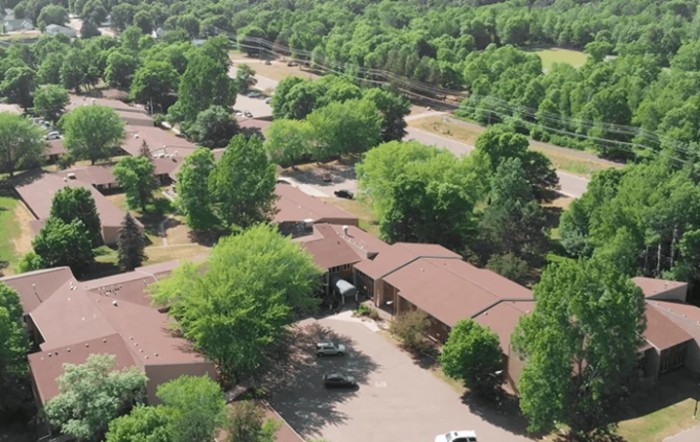
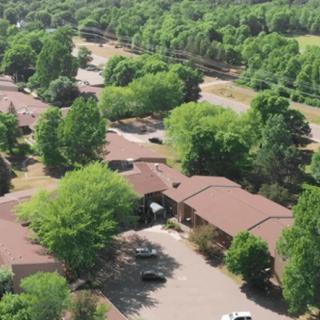
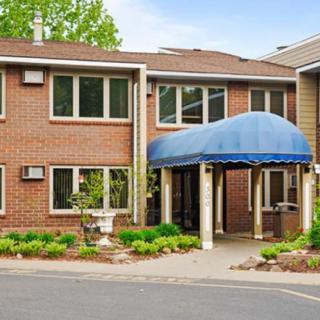
- Residents have rooms that look out to trees, with a park across the street for enjoyment.
- There are daily activities offered, and staff help residents participate.
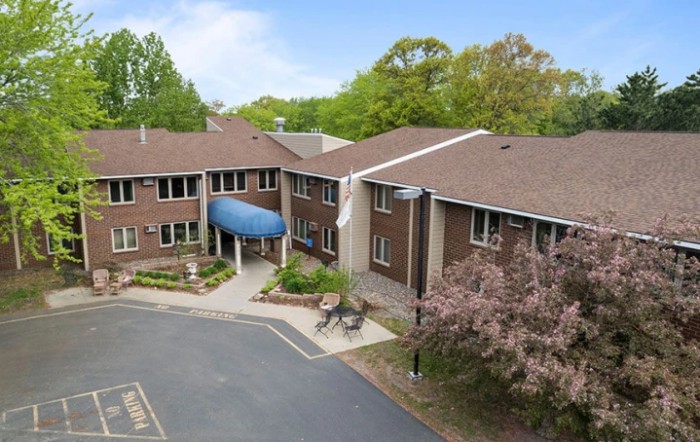
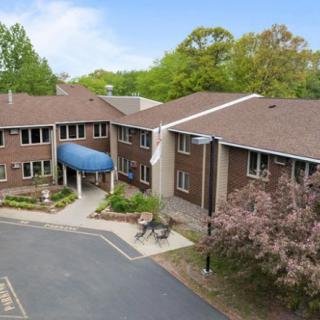
- Woodland is a beautiful, well-cared-for facility that strives to provide the best environment and care.
- The staff provide excellent care and work to keep things positive, even during challenging times.
- Staff visit apartments to chat and bring pleasant surprises, such as root beer floats, to counteract isolation.
- There is at least one aide who cared and was polite.
- The residents are described as awesome.
Cons
 The staff was rude.
- A worker told her to "shut up," assuming she couldn't hear it.
- Staff were betting outside her room on whether she would recover, treating her recovery like a game.
- Underpaid and overworked workers led to many tasks not being done, with management blaming staff and residents alike.
- There was high turnover of staff, making it difficult to get feedback.
- The facility charged high costs for services with little flexibility.
- Elevator problems persisted for months, with fixes described as expensive and slow; the fire department had to be called to help people out of a stuck elevator.
- Upon move-out, the facility kept the full deposit for light rug stains on linoleum.
- COVID regulations were difficult for the elderly.
- The facility appeared to prioritize profit over residents' welfare.
Review
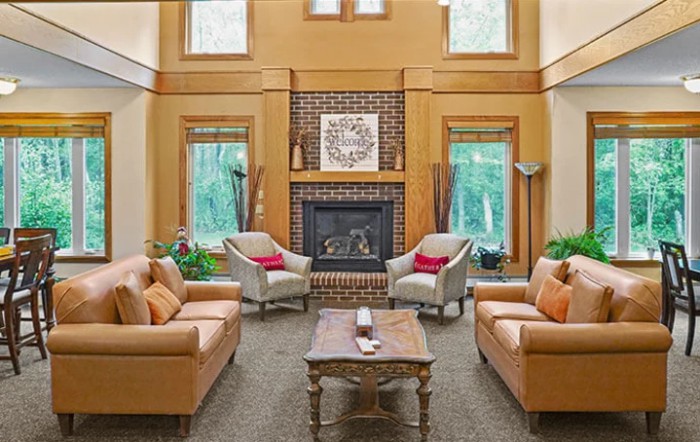
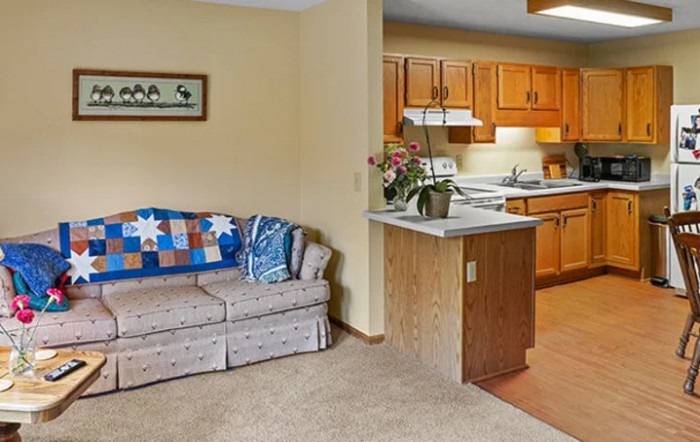
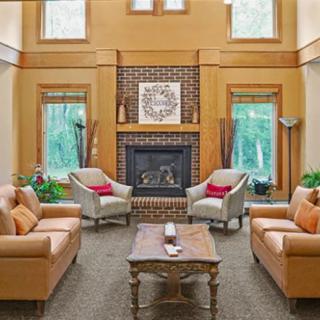
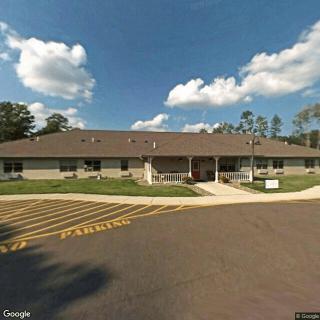
Good Samaritan Society - Woodland in Brainerd, MN is best suited for families seeking a pleasant, activity-rich senior living environment where staff engagement is visible on a regular basis and where a park-like setting offers easy outdoor stimulation. It can work well for residents who need help with mobility or daily routines but who are not crisis-level medical cases. The community rewards families who stay actively involved, visit often, and lean into the available programming to keep a loved one socially connected. The ambiance, comfortable rooms with tree views, and nearby green space appeal to those who value a welcoming, home-like atmosphere within a larger care framework.
That said, this is not a safe harbor for households demanding flawless consistency in care or those unable to tolerate staffing churn and occasional conduct missteps. Alternatives should be considered if priority lies in uniformly respectful interactions across all shifts, transparent pricing with predictable add-ons, or maintenance reliability that eliminates the risk of stalled elevators or other safety-impairing issues. For residents who are highly frail or whose safety hinges on unwavering, 24/7 caregiver responsiveness, other options may offer more predictable reliability and fewer surprises.
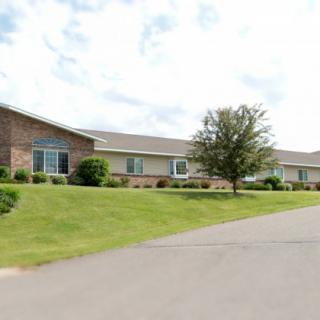
On the upside, several reviews celebrate substantial staff presence and genuinely caring aides, robust programming, and comfortable accommodations. The setting is repeatedly described as beautiful and well cared-for, with rooms offering pleasing views and opportunities to enjoy outdoor vistas. In many accounts, families report personal connections with staff and a sense that residents are treated with warmth, which can translate into meaningful daily satisfaction when care teams stay consistent and attentive.
Yet the negative signals cannot be ignored. There are reports of outright disrespect and emotional harm, including a staff member who spoke to a family member inappropriately and a culture in which care routines and recovery conversations sometimes feel dehumanized. Turnover emerges as a chronic concern, with frequent changes among aides and RNs, making it difficult for families to obtain timely feedback or to feel confidence in continuity of care. Management perceptions of profit pressures, limited flexibility on services, and ongoing maintenance frustrations, such as prolonged elevator issues and costly fixes, compound the risk. Deposit disputes after move-out further erode trust and complicate financial planning. These elements collectively threaten safety, dignity, and predictable budgeting.
The community’s strongest differentiators are the positive experiences tied to stable, engaged staff and the appealing physical environment when care is consistently strong. For families who can verify tenure on the frontline, establish reliable communication channels, and observe steady maintenance practices, Woodland can deliver a high quality of life for residents who enjoy daily activities, social opportunities, and a park-adjacent location. The contrast between the best and worst reports suggests that a resident’s fate here hinges on the reliability of the care team and the facility’s ability to manage maintenance and costs with transparency.
To decide, pursue a disciplined on-site evaluation. Tour across shifts and talk with frontline caregivers as well as nursing leadership. Request to review the latest maintenance logs, elevator service records, and a detailed breakdown of what is included in monthly fees versus what incurs extra charges. Probe staffing ratios at peak times, turnover rates, and the process for capturing and resolving concerns. If choosing this community, insist on a written care plan, a clear family-communication schedule, and a defined trial period with measurable milestones before committing long-term.
Bottom line: Woodland can be a good match for families who value a welcoming environment, active programming, and moments of consistently strong care, provided there is diligent oversight and a plan to address turnover and maintenance risk. For those with non-negotiable needs around safety, consistency, and transparent pricing, it is prudent to explore alternatives. The decision should rest on whether the daily resident experience can be reliably positive despite staffing fluctuations and infrastructure quirks. Proceed with due diligence, stress-test responsiveness during tours, and align expectations with leadership before making a commitment.
 42 resident community capacity
 Skilled Nursing Facility
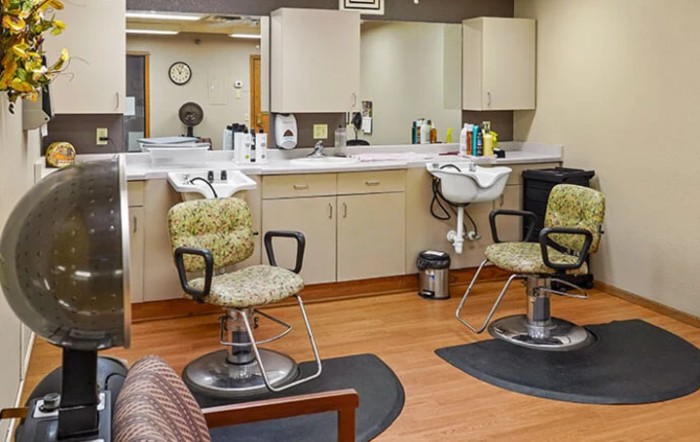
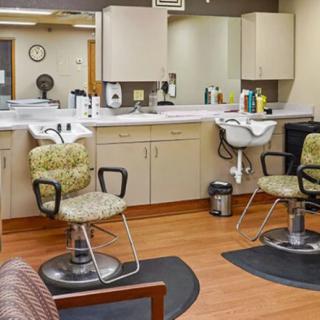
 Beauty salon
 Cable or satellite TV
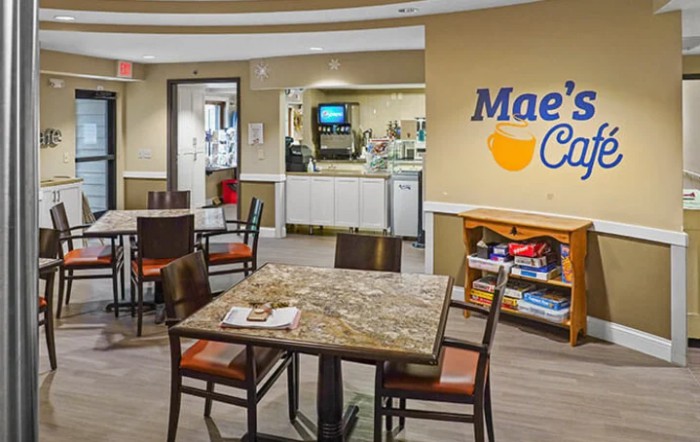
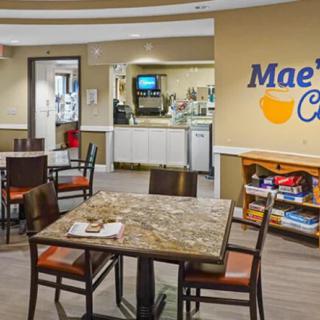
 Dining room
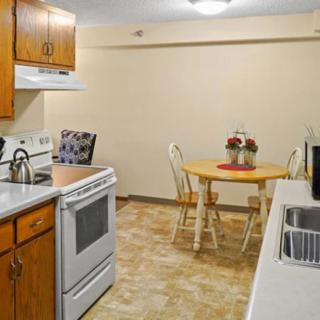
 Fully furnished
 Garden
 Housekeeping services
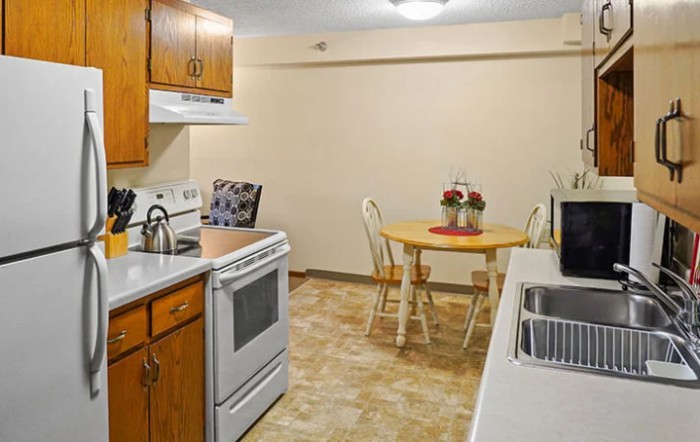
 Kitchenette
 Move-in coordination
 Outdoor space
 Restaurant-style dining
 Small library
 Telephone
 Wi-Fi/high-speed internet available
 Brainerd-Crow Wing County Regional (6 miles away)
 24-hour call system
 Activities of daily living assistance
 Assistance with bathing
 Assistance with dressing
 Assistance with transfers
 Diabetes diet
 Medication management
 Mental wellness program
 Special dietary restrictions

 Urinary Tract Infections in Older Adults: Comprehensive Insights on Symptoms, Treatment, and Prevention
 California's Form 602A: An In-Depth Examination of Senior Care Assessment
 Comprehensive Look at Senior Blood Pressure Charts: Normal and Elevated Levels by Age