
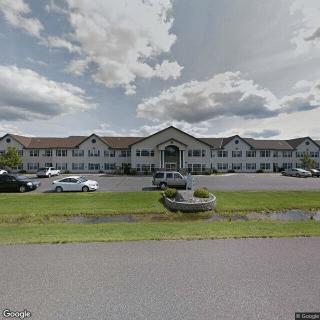
2509 Greenwood Street, Brainerd, MN 56401
For more information about senior living options: (866) 208-4318
Overall Review of Woodland Good Samaritan Assist II
Pros
 The Woodland staff took impeccable care of the resident and were very caring.
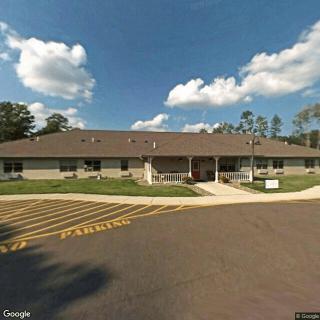
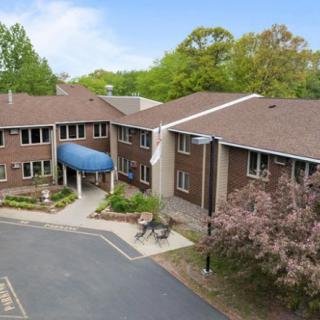
 - Woodland is a beautiful, well cared for facility that strives to provide the best environment and care for residents.
- The excellent staff at GS Woodlands provide the best care for residents and keep things positive, even with COVID regulations.
- The staff pop into apartments to chat, bring surprises like root beer floats, and perform tasks several times a day to help counteract isolation.
- The residents are awesome.
- The staff are very caring and put effort into supporting residents and their families.
Cons
 The staff were rude to residents.
- A worker told a family member to “shut up” and pretended not to hear it.
- Staff were betting outside the resident’s room about her recovery, treating it like a game.
- The facility is underpaid and overworked, leading to things not being done and a profit-driven culture.
- There is high turnover, making it hard to get feedback and resulting in high costs with little flexibility.
Review
Woodland Good Samaritan Assist II in Brainerd is best suited for families seeking a visually appealing, welcoming residence where genuine, person-centered care can emerge when front-line staff are available. The setting can feel warm and engaging, with residents described as content and staff who show care in everyday interactions. The facility’s strengths show up most clearly in moments when aides and nurses are present, delivering attentive assistance and small touches that improve daily life. For families who prize atmosphere and interpersonal connection as part of care, this community can deliver meaningful benefits. That said, the experience is highly contingent on staffing realities on any given day, which means expectations must be tempered by an awareness of turnover and workload pressures.
Those who require consistent, predictable staffing levels, transparent pricing, and reliable maintenance should consider alternatives. Several voices flag high turnover, variable responsiveness, and difficulties getting clear feedback from management. Maintenance issues, like prolonged elevator problems, and disputes over deposits further complicate financial and practical planning. For residents with higher medical or daily living needs, the risk of inconsistent staffing could undermine safety and continuity of care. In short, the best-case picture relies on steady frontline staff; the worst-case picture frames a repeated pattern of lapses that families cannot ignore.
On the upside, the facility’s presentation and the quality of interpersonal care when staff are in place are repeatedly praised. Descriptions of a well-kept environment and a staff cadre that truly engages residents when available create moments of real warmth. One family notes that staff were impressively attentive to a centenarian mother, and others speak of caregivers who pop in to chat, celebrate small joys, and help counteract isolation. The sentiment across multiple accounts is that the core team can be very capable, enthusiastic, and attentive, yielding meaningful day-to-day improvements in residents’ mood, participation, and sense of belonging.
However, the negatives temper that optimism. Several reviewers recount rude, dismissive interactions and a culture of underpayment and overwork that leaves essential tasks unfinished. High turnover among assistants and RNs translates into inconsistent care and reduced continuity. Costs are described as high with little flexibility, and some residents faced stubborn elevator outages and slow repairs. A recurring concern is the perception that staffing and management prioritize profit over residents’ well-being, with reports of finger-pointing rather than accountability. When moves occur, deposit disputes add a financial sting to an already stressful transition.
Those pros can offset the cons only to a point. A well-managed schedule that minimizes turnover and a team that consistently demonstrates compassion can make daily life markedly better, helping residents feel seen and supported even if maintenance hiccups occur. The aesthetic and social environment, combined with proactive outreach from staff, can deliver meaningful quality-of-life improvements that many families will value. Yet the risk remains that persistent staffing gaps and maintenance delays erode trust and predictability, especially for residents who rely on routine and rapid response in emergencies. Honest, ongoing communication about staffing changes and maintenance plans is essential to deciding if this community can meet long-term expectations.
For families moving toward a decision, a practical due-diligence checklist is essential. Ask for current staff-to-resident ratios and recent turnover metrics, request copies of maintenance logs for elevators and other systems, and review the exact terms of any deposits and service charges. Seek candid conversations with multiple staff members and, where possible, speak with current residents about day-to-day responsiveness and follow-through. If flexible pricing or trial periods are offered, test them before committing. If steady staffing and transparent operations align with care goals, Woodland Good Samaritan Assist II can be a good fit; if not, it is prudent to explore alternatives with a steadier staffing record, stronger maintenance discipline, and clearer, more workable financial policies.
 21 resident community capacity
 Assisted Living
 Memory Care
 Beauty salon
 Cable or satellite TV
 Dining room
 Fully furnished
 Garden
 Housekeeping services
 Kitchenette
 Move-in coordination
 Outdoor space
 Restaurant-style dining
 Small library
 Telephone
 Wi-Fi/high-speed internet available
 Brainerd-Crow Wing County Regional (6 miles away)
 24-hour call system
 Activities of daily living assistance
 Assistance with bathing
 Assistance with dressing
 Assistance with transfers
 Diabetes diet
 Medication management
 Mental wellness program
 Special dietary restrictions
 Medications Associated with Dementia Risk: A Comprehensive Overview
 Guiding Your Journey: Understanding Power of Attorney for Elderly Parents
 22 Remarkable Caregiver Support Groups Available Online and In-Person