Woodland Good Samaritan Assist

200 Buffalo Hills Lane, Brainerd, MN 56401

For more information about senior living options: (844) 490-3973

3.2 from 9 reviews
5 stars
5
4 stars
0
3 stars
0
2 stars
0
1 stars
4

Assisted Living

What level of care are you interested in?

Assisted Living

Memory Care

Independent Living

Skilled Nursing Facility

Continuing Care Retirement Community (CCRC)CCRC

Other


Request a tour at Woodland Good Samaritan Assist

    Overall Review of Woodland Good Samaritan Assist

    Pros

    • pro Woodland Staff took impeccable care of my mother who was 101; very caring people.
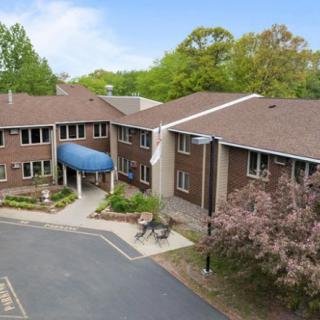
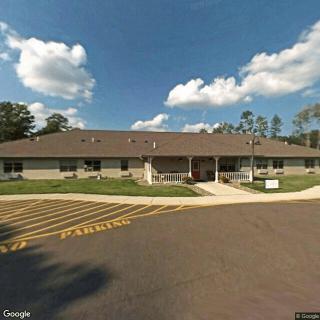
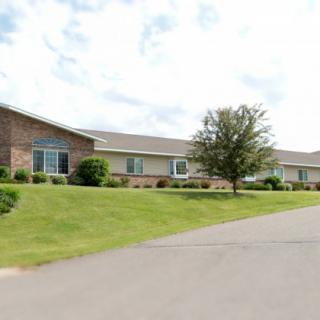
    • pro Woodland is a beautiful, well cared for facility that strives to provide the best environment and care for their residents.
    • pro The excellent staff at GS Woodlands has provided the best care for my parents.
    • pro COVID regulations have been difficult for the elderly and they do their best to keep things positive.
    • pro They pop in to the apartment to chat, bring surprises such as root beer floats, and do tasks several times each day to help counteract this time of isolation and physical distancing.
    • pro Residents are awesome!

    Cons

    • pro The staff were rude, including an incident where a worker told a family member to "shut up" and seemed to think the caller hadn't heard it.
    • pro Staff were seen betting outside the resident's room about her recovery, treating her health as a game.
    • pro The reviewer felt that underpaid and overworked workers led to tasks not being done, with management blaming staff and prioritizing profit over residents.
    • pro There was high turnover of staff and difficulty obtaining feedback from them.
    • pro There were high costs for services with little flexibility, and the upkeep of facilities was questionable.
    • pro Elevator problems persisted for months, with fixes described as expensive and slow, and the fire department had to rescue people from a stuck elevator.
    • pro The facility kept the full deposit for minor rug stains after moving out.

    Review

    A wide range of experiences emerges from the stories left about this care facility, painting a complex portrait of both warmth and frustration. On one hand, several families speak of kindness, attentiveness, and a genuine commitment to residents' well?being. They describe a place that looks and feels well cared for, where staff strive to create a positive environment even in difficult times. On the other hand, there are deeply troubling episodes and persistent concerns about how residents are treated, how staff are supported, and how the facility is run. Taken together, the reviews suggest a setting that can be remarkable for some families and disheartening for others, depending on who is providing care, who is managing operations, and what moments you happen to witness.

    One of the most distressing memories centers on a single incident involving an office worker who was unable to calm themselves or stop crying, and who then communicated with a family member over the phone in a way that deeply unsettled those involved. The family member who relayed the story described being told to "shut up" and noted that the worker seemed to believe they hadn't heard the family member, despite obvious distress in the moment. What followed was reportedly one of the more troubling signs of how staff interactions can feel dehumanizing: insiders recount the staff outside a resident's room making bets about whether she would recover or how long she would live, turning a serious medical situation into something resembling a game. The emotional impact of that episode was profound, and in the aftermath the family member chose to withdraw and remove their loved one from the facility. It was striking how quickly the trajectory could turn - from a crisis moment to a narrative of personal resilience - since the resident, after leaving, began taking care of herself within days, showering on her own after a week, and walking short distances within two months.

    That account is underscored by a powerful reminder from someone with firsthand healthcare experience: professionals should treat every resident as a person with dignity, regardless of frustration or pressure. The reviewer notes that talking to or about a resident in a demeaning way is simply unacceptable, and it's jarring to hear that such behavior was left unhidden in front of others. The sentiment is clear: there is an expectation of professionalism and respect for patients and their families, especially in a setting where people are paying for care and may be vulnerable. The impression is that for a particular family, the absence of consistent, compassionate communication created a lasting impression of neglect - even if other interactions with staff could be positive.

    There are equally emphatic positive memories, however. Several families recount impeccable care for elderly loved ones, praising the staff who dedicated themselves to residents with warmth and attentiveness. For example, one family member described Woodland staff as having taken impeccable care of a mother who lived to 101, calling the caregivers "very caring people." The facility itself is described as beautiful and well cared for, with an emphasis on creating an environment that supports both comfort and dignity for residents. In these accounts, staff members are depicted as capable, compassionate, and sincere in their efforts to provide a high standard of care and a positive atmosphere for residents and their families.

    But the praise is tempered by criticisms that speak to systemic issues rather than the intentions of individual caregivers. A recurring theme is the underpayment and overworking of staff, which, according to some reviewers, translates into lapses in care and communication. The complaint goes beyond isolated incidents to suggest structural problems: when staff are stretched thin and resources are limited, it becomes harder to maintain consistent quality of care, and it invites a culture where finger-pointing may occur between nurses, aides, and management. This perspective warns potential residents and families that, while there are dedicated workers who perform admirably, the facility's financial pressures can have a negative impact on both workers and residents.

    There are also lighter, more buoyant notes that contrast with the heavier critiques. A reviewer who has been there for three years describes it as "fun," with residents described as awesome. This sentiment hints at a community where relationships between residents themselves and with staff can be genuinely uplifting, contributing to a sense of camaraderie and belonging that can make a meaningful difference in daily life.

    Another positive portrait focuses on the care provided to parents, highlighting staff who are described as excellent and capable of delivering meaningful support. The reviewer praises the COVID-19 era restrictions as particularly challenging for the elderly, yet notes that staff worked to keep things positive, frequently stopping by apartments to chat and to share small joys - root beer floats, for instance - to help counteract the isolation and the effects of physical distancing. The description conveys a sense of ongoing effort and regular engagement, with staff who take initiative to improve the emotional well-being of residents in addition to their physical care.

    A second, more critical thread centers on operational and financial concerns that surface over time. Reviewers report high turnover of both aides and registered nurses, making it difficult to obtain timely feedback or consistent answers. Costs for services are described as high, with limited flexibility in what is offered, and questions arise about the upkeep of the facilities themselves. Elevator problems persisted for months, and when inquiries were made, the response was that repairs were expensive and would take time. In some cases, emergency services, such as fire department assistance, had to be called to rescue residents who were stuck in elevators. Finally, at move-out, there was a dispute over the return of the deposit, with the facility reportedly wanting to retain the full deposit to cover light rug stains on linoleum - an issue that adds to the sense of financial sting and dissatisfaction for families.

    Taken together, these testimonials reveal a care environment that is not monolithic in its quality or its character. There are clearly hardworking staff members who go above and beyond to brighten residents' days, to connect with families, and to provide compassionate, individualized care. There are also systemic challenges - staff shortages, turnover, high costs, maintenance issues, and the occasional incident that leaves families shaken. For anyone considering this facility, the stories suggest a careful, perhaps even cautious, approach: seek out current residents' and families' direct experiences, ask pointed questions about staff stability and turnover, review the maintenance history of the building, and get a sense for how the administration handles concerns when they are raised.

    In the end, what surfaces most clearly is a dual reality: moments of genuine care, connection, and joy that give life to the idea of a place where elders can feel seen and supported, alongside episodes and patterns that raise legitimate concerns about respect, responsiveness, and the practicalities of managing a large, care?driven operation. The best approach for prospective families is to weigh these narratives against their own needs and expectations, to visit multiple times, to talk to both staff and residents, and to determine which aspects of care - dignity in treatment, consistency of staffing, affordability, and maintenance - matter most for their loved ones.

    Features

    Housing

    • 21 resident community capacity 21 resident community capacity

    Types of Care

    • Assisted Living Assisted LivingAssisted living facilities provide crucial support and care for seniors who may need help with daily tasks such as medication management, bathing, and meal preparation. These communities offer a safe and comfortable environment where seniors can maintain their independence while receiving the assistance they need to thrive in their golden years.

    Amenities

    • Beauty salon Beauty salonBeauty salons are important for seniors because they provide a space for them to feel pampered, socialize, and maintain their personal grooming and hygiene. Regular visits to a beauty salon can help boost seniors' self-esteem and overall well-being.
    • Cable or satellite TV Cable or satellite TVCable or satellite TV is important for seniors because it provides entertainment, news, and companionship, helping to combat loneliness and boredom. It also offers a wide range of programming options tailored to different interests and preferences.
    • Dining room Dining roomDining rooms are important for seniors as they provide a space for socialization, connection, and nutritious meals. They offer opportunities for residents to bond over shared meals, foster a sense of community, and promote healthy eating habits. Dining rooms also ensure that seniors have access to well-balanced meals tailored to their dietary needs and preferences.
    • Fully furnished Fully furnishedFully furnished senior living communities are important for seniors because they provide convenience, comfort, and a hassle-free moving experience. Seniors can easily settle into their new living space without the stress of having to buy and move furniture. This allows them to focus on enjoying their new home and community.
    • Garden GardenGardens are important for seniors as they provide a peaceful and therapeutic environment for relaxation, physical activity, and socialization. Being in nature has been shown to reduce stress, improve mood, and promote overall well-being. Gardens also offer opportunities for seniors to engage in gardening activities, which can improve mobility, flexibility, and cognitive function. Additionally, gardens create a sense of community and connection with others who share a passion for plants and outdoor spaces.
    • Housekeeping services Housekeeping servicesHousekeeping services are important for seniors because they help maintain a clean and safe living environment, promote independence, and reduce the risk of accidents or illnesses. Additionally, having assistance with household chores can alleviate physical strain and allow seniors to focus on other aspects of their well-being.
    • Kitchenette KitchenetteKitchenettes are important for seniors living in senior living communities because they provide the convenience and independence of being able to prepare simple meals and snacks in the comfort of their own living space. This can help promote a sense of autonomy and well-being for seniors, allowing them to maintain some level of control over their dietary choices and daily routines.
    • Move-in coordination Move-in coordinationMove-in coordination is important for seniors because it helps ease the transition into their new living environment. It ensures that all logistics, such as packing, organizing movers, and setting up utilities are taken care of, allowing seniors to focus on settling in and adjusting to their new home. Having a smooth move-in process can alleviate stress and anxiety, making the transition smoother and more enjoyable for seniors.
    • Outdoor space Outdoor spaceOutdoor spaces are important for seniors as they provide opportunities for physical activity, social interaction, exposure to natural light and fresh air, and a sense of connection to nature. Having access to outdoor spaces can improve overall well-being and quality of life for older adults living in senior communities.
    • Telephone TelephoneTelephones are important for seniors as they provide a lifeline for communication with loved ones, emergency services, and healthcare providers. They offer a sense of security and independence, enabling seniors to stay connected and access assistance when needed.
    • Wi-Fi/high-speed internet available Wi-Fi/high-speed internet availableWi-Fi/high-speed internet is important for seniors to stay connected with loved ones, access online resources, and participate in virtual activities to combat feelings of loneliness and isolation. It also allows them to easily manage healthcare needs, access entertainment, and engage in lifelong learning opportunities.

    Transportation

    • Brainerd-Crow Wing County Regional (6 miles away) Brainerd-Crow Wing County Regional (6 miles away)

    Care Services

    • 24-hour call system 24-hour call system24-hour call systems are important for seniors because they provide peace of mind and immediate assistance in case of emergencies. This technology ensures that help is always available, promoting safety and security for elderly individuals living alone or in assisted living facilities.
    • 24-hour supervision 24-hour supervision24-hour supervision is important for seniors to ensure their safety, well-being, and access to immediate assistance in case of emergencies or health issues. This constant support provides peace of mind for both seniors and their loved ones, allowing them to age in place with dignity and security.
    • Activities of daily living assistance Activities of daily living assistanceActivities of daily living assistance are important for seniors because they provide essential support with tasks such as eating, bathing, dressing, and mobility. This assistance helps seniors maintain their independence, dignity, and overall quality of life as they age.
    • Assistance with bathing Assistance with bathingAssistance with bathing is crucial for seniors as it helps maintain personal hygiene, prevents infections, and ensures their overall well-being and comfort. It also provides a sense of dignity and independence for seniors who may struggle with this task on their own.
    • Assistance with dressing Assistance with dressingAssistance with dressing is important for seniors because it helps maintain their independence, promotes personal hygiene, prevents accidents and injuries, and improves overall quality of life. This service ensures that seniors can continue to dress comfortably and confidently, despite any physical limitations they may have.
    • Assistance with transfers Assistance with transfersAssistance with transfers is crucial for seniors as it helps prevent falls and injuries, maintains their independence, and ensures they can safely navigate their living environment. It also provides peace of mind for both seniors and their loved ones.
    • Coordination with health care providers Coordination with health care providersCoordination with health care providers is crucial for seniors to ensure proper medical care, medication management, and overall well-being. This collaboration helps prevent overlapping treatments, track progress more effectively, and provide comprehensive support tailored to individual needs.
    • Diabetes diet Diabetes dietA diabetes diet is crucial for seniors as it helps manage blood sugar levels, reduce risks of complications, and improve overall health and well-being. By following a balanced and nutritious diet tailored to their specific needs, seniors can better control their diabetes and enhance their quality of life.
    • Meal preparation and service Meal preparation and serviceMeal preparation and service are crucial for seniors as they may have limited mobility or energy to cook nutritious meals. Having access to healthy and convenient food options can ensure they are getting the proper nutrition needed to maintain their overall health and well-being.
    • Medication management Medication managementMedication management is crucial for seniors to ensure they are taking the right medications at the correct dosages and times. This helps prevent adverse drug interactions, reduces the risk of medication errors, and promotes overall health and well-being. Proactive management also allows for adjustments as needed based on changing health conditions or new prescriptions.
    • Mental wellness program Mental wellness programMental wellness programs are essential for seniors as they promote cognitive stimulation, emotional support, and social engagement. These programs help prevent isolation, depression, and cognitive decline, ultimately enhancing the overall quality of life for older adults.
    • Special dietary restrictions Special dietary restrictionsSpecial dietary restrictions are important for seniors because age-related changes in metabolism and health conditions can make it difficult for their bodies to process certain foods. By following a diet tailored to their specific needs, seniors can maintain their overall health and well-being, manage chronic conditions, and reduce the risk of complications such as malnutrition or food interactions with medications.
    • Transportation arrangement (medical) Transportation arrangement (medical)Transportation arrangements for medical purposes are essential for seniors as they may have difficulty driving themselves to appointments or accessing public transportation. Having reliable and safe transportation options ensures that seniors can receive timely medical care and maintain their health and well-being.
    • Transportation to doctors appointments Transportation to doctors appointmentsTransportation to doctors' appointments is crucial for seniors as it ensures they have access to necessary medical care and support for their health needs. Without reliable transportation, seniors may struggle to attend important appointments, leading to potential delays in treatment and health complications. Providing transportation services helps seniors maintain their overall well-being and quality of life.
    Dining

    • Diabetes diet Diabetes dietA diabetes diet is crucial for seniors as it helps manage blood sugar levels, reduce risks of complications, and improve overall health and well-being. By following a balanced and nutritious diet tailored to their specific needs, seniors can better control their diabetes and enhance their quality of life.
    • Special dietary restrictions Special dietary restrictionsSpecial dietary restrictions are important for seniors because age-related changes in metabolism and health conditions can make it difficult for their bodies to process certain foods. By following a diet tailored to their specific needs, seniors can maintain their overall health and well-being, manage chronic conditions, and reduce the risk of complications such as malnutrition or food interactions with medications.

    Activities

    • Community-sponsored activities Community-sponsored activitiesCommunity-sponsored activities are important for seniors as they provide opportunities for social interaction, mental stimulation, and physical activity. These activities can help improve overall well-being, combat loneliness and isolation, and promote a sense of belonging and purpose among older adults.
    • Resident-run activities Resident-run activitiesResident-run activities are important for seniors as they encourage social interaction, creativity, and a sense of autonomy. These activities empower seniors to stay engaged and active in their community while fostering meaningful connections with their peers.
    • Scheduled daily activities Scheduled daily activitiesScheduled daily activities are important for seniors because they provide structure, socialization, mental stimulation, and physical activity. Engaging in regular activities can improve overall well-being and quality of life for seniors living in a community setting.

    Description

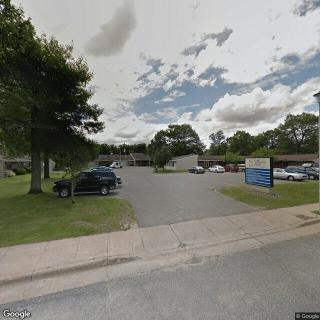
    The Woodland Good Samaritan Assist in Brainerd, MN is a fully furnished assisted living community that offers a range of amenities and care services for seniors. The community provides a comfortable and home-like atmosphere with amenities such as cable or satellite TV, Wi-Fi/high-speed internet, and housekeeping services.

    Residents can enjoy their meals in the dining room where special dietary restrictions are carefully considered. The kitchenette allows residents to prepare light snacks or beverages whenever they desire. Outdoor space is available for residents to relax or engage in outdoor activities.

    The community provides 24-hour supervision and assistance with activities of daily living, including bathing, dressing, and transfers. There is also coordination with health care providers to ensure residents receive proper medical care. Medication management is offered to help residents with their medication regimen.

    Woodland Good Samaritan Assist also places an emphasis on mental wellness by offering a mental wellness program. This program aims to promote emotional well-being and improve overall quality of life.

    Transportation arrangements are made for medical appointments, ensuring residents can attend their healthcare provider visits without any hassle. Additionally, transportation to nearby cafes, parks, pharmacies, restaurants, places of worship, and hospitals are easily accessible.

    Residents can actively participate in resident-run activities and enjoy scheduled daily activities that cater to their interests and hobbies.

    Overall, Woodland Good Samaritan Assist in Brainerd, MN provides a supportive and caring environment for seniors where they can receive the assistance they need while maintaining their independence and enjoying a range of amenities and services nearby.

    Nearby Places of Interest

    Pharmacies

    • Good Neighbor Pharmacy (0.3 miles)
    • Thrifty Nystrom Drug (1.8 miles)
    • Thrifty White Pharmacy (1.8 miles)
    • Thrifty White Drug (1.8 miles)
    • Guidepoint Pharmacy (1.9 miles)
    • Walgreens (2 miles)
    • Service Drug (2 miles)

    Physicians

    • Saint Joseph's Medical Center (0.3 miles)
    • Northern Eye Center PA (0.4 miles)
    • David I Sabir (0.4 miles)
    • Northern Orthopedics (0.4 miles)
    • Lakes Urology Clinic (0.5 miles)
    • MRO Brainerd Radiation Therapy Center (2.1 miles)
    • Essentia Health-Lakeland Psychiatry Clinic (2.2 miles)

    Hospitals

    • Brainerd Medical Center (0.3 miles)
    • Brainerd Lakes Integrated Health System (0.4 miles)
    • Essentia Health-St. Joseph's Medical Center (2.2 miles)
    • Allina Health (2.2 miles)
    • Community Behavioral Health (3.1 miles)

    Places of Worship

    • Evangelical Good Samaritan (0.5 miles)
    • St Andrews Church (1.3 miles)
    • Heritage Assembly of God (1.4 miles)
    • Pointway Church (1.4 miles)
    • First Presbyterian Church (1.6 miles)
    • Oak Street Chapel (1.7 miles)
    • Lake Area Christian Church (2.2 miles)

    Transportation

    • Lakes Express (0.5 miles)
    • Executive Express (1.8 miles)
    • Enterprise Rent-A-Car (3 miles)
    • Anderson's Taxidermy (11.2 miles)

    Parks

    • Kiwanis Park (1.2 miles)
    • Berrywood Park (1.4 miles)
    • Northland Arboretum (2.2 miles)
    • Baxter Park (3.8 miles)
    • Kart Kountry (6.4 miles)
    • St Mathias Park (7.8 miles)
    • East Gull Lake Tennis Courts (8.8 miles)

    Restaurants

    • Chocolate International Etc (1.8 miles)
    • McDonald's (1.9 miles)
    • Yesterday's Gone (1.9 miles)
    • Jr's No. 19 BBQ (1.9 miles)
    • Burger King (1.9 miles)
    • Wendy's (1.9 miles)
    • Hardee's (1.9 miles)

    Cafes

    • Coco Moon (1.8 miles)
    • Knotty Pine Bakery (1.8 miles)
    • Stonehouse Coffee (2.8 miles)
    • Caribou Coffee (3.4 miles)
    • Wings Airport Cafe (5.4 miles)

    Frequently Asked Questions

    Where is Woodland Good Samaritan Assist?

    Nearby Communities

    Related Resources

    • is assisted living tax deductibleIs Assisted Living Deductible on Your Taxes? Understanding the Complexities of Assisted Living Expenses and Deductions

      The deductibility of assisted living expenses on taxes hinges on factors like the individual's medical condition and service nature, typically requiring the resident to be "chronically ill" per IRS definitions. Taxpayers may deduct eligible medical expenses related to personal care services but generally not rent unless primarily for medical care, and they should maintain thorough documentation to support claims while considering itemizing versus standard deductions.

    • va benefits for assisted livingAssisted Living Support for Veterans: A Complete and Detailed Overview

      The guide highlights the importance of assisted living facilities for aging veterans needing daily support, discusses unique challenges they face, and outlines available financial assistance from the VA, including the Aid and Attendance program. It emphasizes understanding eligibility criteria and navigating the VA system to access necessary benefits effectively.

    • assisted living vs skilled nursingExploring the Contrasts Between Assisted Living and Skilled Nursing

      The article compares assisted living and skilled nursing facilities, detailing their differing levels of assistance, medical support, cost structures, and day-to-day experiences. It emphasizes that assisted living is for those needing help with daily activities while maintaining independence, whereas skilled nursing facilities provide intensive medical care with 24-hour staff supervision.


    Get Pricing Ask A Question Schedule A Tour Contact Senior Advisor