
11525 East Ten Mile Road, Warren, MI 48089
For more information about senior living options: (866) 208-4318
Overall Review of Warren Woods Health And Rehabilitation Center
Pros
 The staff is very caring and kind.
- They have a good staff-to-resident ratio.
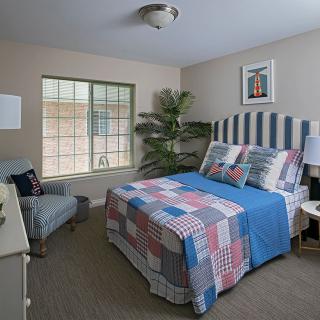
- The rooms are very clean and well kept.
- The renovations are in progress, but the facility remains clean and well organized.
- The staff is helpful and compassionate.
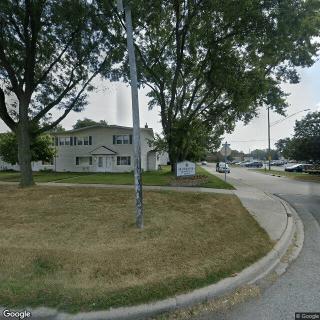
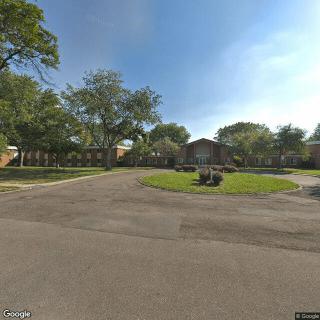
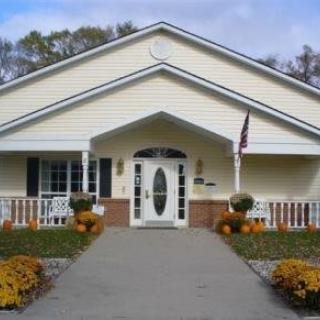
- The grounds and common areas are beautiful and well maintained.
- The facility offers regular activities and outings for residents.
- The food quality has improved and meals meet diverse dietary needs.
- There is low staff turnover and consistent caregiving.
Cons
 It smelled like urine and cockroaches were on the floor.
- The food was served cold.
- The staff were rude and defensive when concerns were raised.
- The facility appeared dirty, with tiny bugs flying around.
- They were short on staff, so residents hardly saw assistance.
- They did not check important vitals like blood sugar and blood pressure.
- The first two weeks of stay did not include real therapy, only bedside therapy.
Review
Warren Woods Health and Rehabilitation Center is best suited for seniors whose primary need is rehabilitation-focused care and who can tolerate an aging facility while remaining vigilant about day-to-day care. The strongest draw is a capable physical therapy program and staff that, when present, show genuine care and patience with residents, including those managing Alzheimer’s or other complex conditions. For families willing to engage actively with the care team, this can translate into meaningful progress on mobility and daily functioning. It suits someone who values staff perseverance and is comfortable with a building that shows its age but is workable with proper oversight and insistence on quality care.
Those weighing Warren Woods against Alternatives should expect to encounter a few deal-breakers if pristine environments and consistently seamless service are top priorities. A number of reviews highlight an aging campus with maintenance needs, including flooring and general upkeep that have not kept pace with expectations for a modern facility. Odor issues, sporadic cleanliness problems, and occasional reports of rude or unresponsive management are red flags for families that require a consistently high standard of daily experience. In such cases, exploring nearby facilities with stronger reputations for cleanliness, proactive administration, and steadier staffing would be prudent.
The upside should not be overlooked: the facility has demonstrated pockets of strength that can offset some drawbacks for the right resident. Good physical therapy is repeatedly cited as a core strength, with therapists and aides delivering meaningful sessions that support functional gains. Some residents have benefited from stable, long-tenured staff who know their routines and preferences, contributing to a sense of continuity and dignity in care. For families, this can mean fewer disruptions in medical oversight and more predictable routines once a care plan is established. The option to leverage state or VA funding can also help manage costs when finances are a major constraint.
On the downside, the main cons are real and persistent for many families. The aging infrastructure is evident, with references to tiling that needs replacement and a perception that facility investments lag. Staffing is described as inconsistent, with some days proving hard to access aides and nurses, which in turn affects responsiveness and monitoring. Food quality and meal temperature receive mixed reviews, ranging from acceptable to greasy or cold. Odors, cleanliness lapses, and displays of frustration from some staff or administrators have colored several experiences. These factors create a perception of uneven quality that families must weigh against the rehab benefits.
The key question is whether the rehab gains and the potential for compassionate, dedicated care justify the environment. When the therapy program aligns with concrete goals and family members are prepared to participate in care planning and advocacy, Warren Woods can deliver meaningful outcomes. However, the same reality checks apply: if a resident requires a consistently spotless environment, highly responsive staff on every shift, and uniformly high food and cleanliness standards, alternatives will likely offer more reliability. The decision hinges on rehab priorities, tolerance for age-related facility limitations, and the capacity to engage with leadership to ensure quality day-to-day care.
In practical terms, a thorough, in-person evaluation is essential. Prospective families should request current staffing ratios by shift, ask for the most recent quality metrics, and tour the dining area, therapy gym, and patient rooms at different times of day. Speak with current residents or families about medication management, hygiene, and response times to call bells. Directly address any odor or cleanliness concerns and inquire about ongoing renovation schedules and how they impact daily life. If the plan includes sustained rehab goals and active family involvement, Warren Woods remains a viable choice; if not, exploring alternatives with stronger consistency in environment and daily operations is advisable.
 178 resident community capacity
 Skilled Nursing Facility
 Air-conditioning
 Beauty salon
 Cable or satellite TV
 Computer center
 Dining room
 Fitness room
 Fully furnished
 Gaming room
 Garden
 Housekeeping services
 Kitchenette
 Move-in coordination
 Outdoor space
 Private bathrooms
 Restaurant-style dining
 Small library
 Telephone
 Wellness center
 Wi-Fi/high-speed internet available
 Community operated transportation
 12-16 hour nursing
 24-hour call system
 Activities of daily living assistance
 Assistance with bathing
 Assistance with dressing
 Assistance with transfers
 Diabetes diet
 Medication management
 Mental wellness program
 Special dietary restrictions
 Concierge services
 Planned day trips


 Comprehensive Insights and Practical Strategies to Help Older Adults Avoid Falls
 6 Crucial Ways an Elder Law Attorney Assists Families
 Navigating the Tax Landscape of Caregiving: Credits, Deductions, and Beyond