For more information about senior living options: (866) 208-4318
4.3 from 116 reviews
5 stars
78
4 stars
17
3 stars
6
2 stars
3
1 stars
12
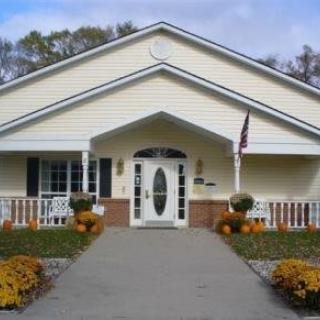
Overall Review of The Villa At City Center
common38 reviews mention this
Staff are consistently described as caring
Residents and families repeatedly describe staff as kind, helpful, and attentive to concerns.
Many reviews emphasize how staff members treat residents with kindness and focus on meeting needs. Families also mention that communication and follow-through during visits make a difference, including specific caregivers being responsive. A few negative reviews contrast that with moments where help was slow or communication broke down, but the overall tone about staff is strongly positive.
common30 reviews mention this
Facility cleanliness and order stand out
A recurring theme across reviews is a clean, orderly environment residents and visitors can see.
Multiple reviews explicitly call out cleanliness, an orderly setting, and rooms that feel well kept. Several people also note the facility feels comfortable and calm during visits. There are occasional complaints about conditions like odors or missing items, but cleanliness is still one of the most frequently cited positives.
caveat10 reviews mention this
Call-button help and wait times
Some residents describe delayed response to call buttons and needed assistance.
While many reviews praise attentive care, several others say staff did not respond promptly when assistance was needed. A few complaints describe long waits for help or medication, and some mention issues that made residents feel unattended. Others say supervisors cared and things improved after concerns were raised, suggesting responsiveness can vary depending on the situation.
caveat11 reviews mention this
Food quality is a frequent complaint
Dining experiences are uneven, and multiple reviews criticize food quality and timing.
Some reviewers directly criticize meals as unappealing or worse than expected, with mentions of taste, seasoning, and portions. A few also raise timing concerns, such as meals arriving later than they think residents need. Other reviews are more neutral to positive, but food is one of the most repeated areas of dissatisfaction.
caveat4 reviews mention this
Activities may be limited for memory care
Residents in memory care are described as needing more activities to keep them engaged.
One review specifically says memory-care residents on the second floor seem bored and would benefit from additional scheduled options. While other people mention resident activities more generally, the only clear activity criticism centers on memory care having enough to do. This points to a potential gap in how programming meets different resident needs.
common6 reviews mention this
Rehab therapy support gets praise
Several reviews talk positively about rehab and therapy teams supporting recovery.
A subset of reviews describe being at the community for rehab and say the therapy team helped them regain strength or improve daily function. Some reviews single out staff in rehab roles for encouragement and kindness, and at least one person says they felt the treatment set expectations compared with other facilities. Not every therapy-related comment is positive, but rehab support is still a recurring point.
How we summarize
Counts show how many written reviews mention each theme; a review can touch several themes, and only frequently mentioned themes are displayed.
Features
Housing
152 resident community capacity
Types of Care
Skilled Nursing Facility
Amenities
Air-conditioning
Beauty salon
Cable or satellite TV
Computer center
Dining room
Fitness room
Fully furnished
Gaming room
Garden
Housekeeping services
Kitchenette
Move-in coordination
Outdoor space
Private bathrooms
Restaurant-style dining
Small library
Telephone
Wellness center
Wi-Fi/high-speed internet available
Transportation
Community operated transportation
Transportation arrangement
Transportation arrangement (non-medical)
Transportation to doctors appointments
Care Services
12-16 hour nursing
24-hour call system
24-hour supervision
Activities of daily living assistance
Assistance with bathing
Assistance with dressing
Assistance with transfers
Diabetes diet
Meal preparation and service
Medication management
Mental wellness program
Special dietary restrictions
Dining
Diabetes diet
Special dietary restrictions
Activities
Community-sponsored activities
Concierge services
Fitness programs
Planned day trips
Resident-run activities
Scheduled daily activities
Nearby Places of Interest
Restaurants
Dan's Diner (0.1 miles)
Alibi Bar (1.6 miles)
McDonald's (3.1 miles)
National Coney Island (3.5 miles)
McDonald's (3.9 miles)
Hibachi Buffet (4.6 miles)
Gilbert's Lodge (4.9 miles)
Pharmacies
CVS Pharmacy (0.6 miles)
CVS Pharmacy (3.2 miles)
CVS Pharmacy (3.7 miles)
Walgreens (4.3 miles)
Walgreens (4.4 miles)
Walgreens (4.9 miles)
Walgreens (4.9 miles)
Parks
Center Line Memorial Park (1.5 miles)
McKinley Park (4 miles)
Scout Park (4.8 miles)
Lac St Claire Park (6.3 miles)
Harding Park (6.3 miles)
Palmer Park (6.9 miles)
Hospitals
St John Macomb-Oakland Hospital Warren Emergency Care (2 miles)
St John Macomb Hospital (2 miles)
Select Specialty Hospital (6.1 miles)
St John Hospital & Medical Center (6.1 miles)
Park Geriatric Village (7.1 miles)
Henry Ford Medical Center (7.6 miles)
Cafes
Starbucks (3 miles)
Biggby Coffee (4.9 miles)
Tim Hortons (5.6 miles)
Panera Bread (6 miles)
Starbucks (7.2 miles)
Ferndale Project (7.3 miles)
Physicians
Henry Ford Macomb Family Medicine & Gynecology (3.3 miles)
Fecal incontinence, prevalent among older adults, arises from factors like weakened pelvic muscles and nerve damage, significantly affecting well-being and social interactions. Diagnosis involves clinical evaluation and tests to inform tailored treatments, while caregivers and preventive measures can aid in managing the condition effectively.
Anticipatory grief is an emotional response to the impending loss of a loved one, characterized by complex emotions such as sadness and anger, and involves navigating stages similar to those identified by Kübler-Ross. Coping strategies are vital for managing this process, emphasizing compassionate communication, self-care, and support groups while recognizing the cultural influences on grieving.
Adult day care programs offer essential support and activities for older adults, yet many hesitate to participate due to concerns about independence and stigma. To alleviate these apprehensions, families should facilitate open discussions, explore financial resources, suggest trial visits, and collaborate with healthcare providers to highlight the benefits of such services for both the participants and their caregivers.
Get PricingAsk A QuestionSchedule A TourContact Senior Advisor
By clicking submit, you agree to our Partner's Terms of Use. You
also consent to receive calls and texts, which may be autodialed, from our Partner. Your consent is not a condition to
using our Partner's service. Please visit our Partner's Privacy Policy for information about their privacy practices.

 152 resident community capacity
 Skilled Nursing Facility
 Air-conditioning
 Beauty salon
 Cable or satellite TV
 Computer center
 Dining room
 Fitness room
 Fully furnished
 Gaming room
 Garden
 Housekeeping services
 Kitchenette
 Move-in coordination
 Outdoor space
 Private bathrooms
 Restaurant-style dining
 Small library
 Telephone
 Wellness center
 Wi-Fi/high-speed internet available
 Community operated transportation
 12-16 hour nursing
 24-hour call system
 Activities of daily living assistance
 Assistance with bathing
 Assistance with dressing
 Assistance with transfers
 Diabetes diet
 Medication management
 Mental wellness program
 Special dietary restrictions
 Concierge services
 Planned day trips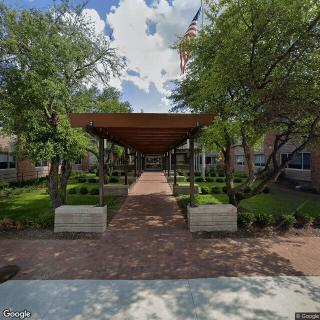
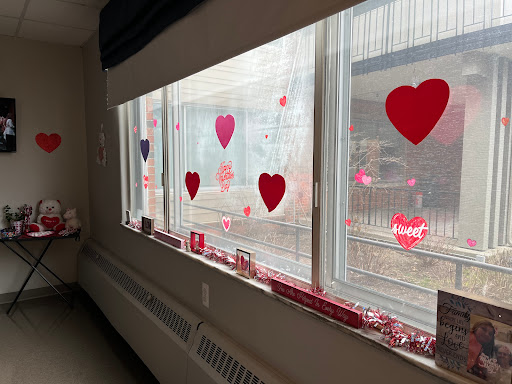
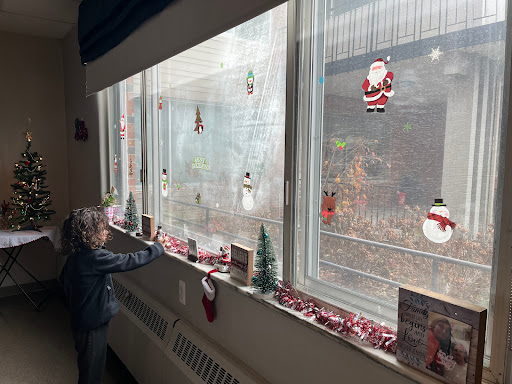
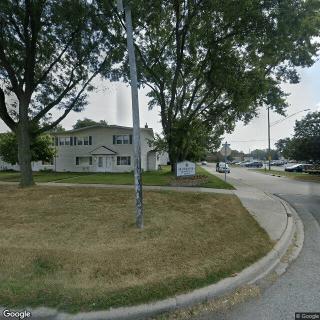
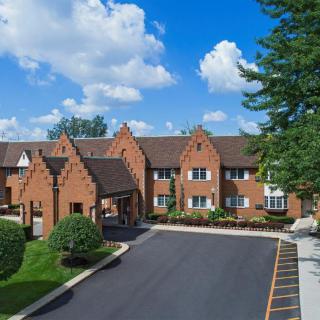
 Cooperative staff, clean facility, and a recently remodeled environment with solid nursing presence.



 Fecal Incontinence in Older Adults: A Comprehensive Guide
 Recognizing the Journey: Understanding and Navigating Anticipatory Grief
 Encouraging Participation in Adult Day Care: A Guide to Supporting a Hesitant Parent