












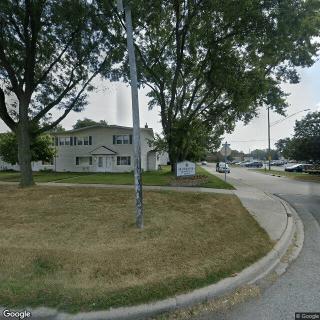
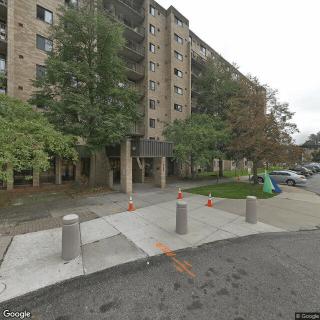
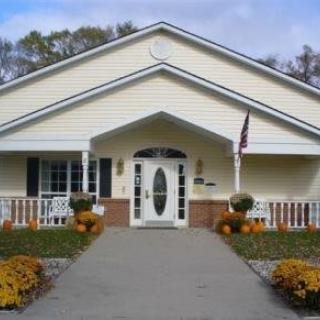
8444 Engleman, Center Line, MI 48015
For more information about senior living options: (866) 208-4318
Overall Review of Father Murray - A Villa Center
Pros
 The nursing and therapy staff did an excellent job providing care.
- They provided updates on the relative's health and were invested in her care.
- The customer service at Father Murray was outstanding, with staff who were considerate, warm, knowledgeable, and helpful.
- They called and updated the family when things happened, which was appreciated.
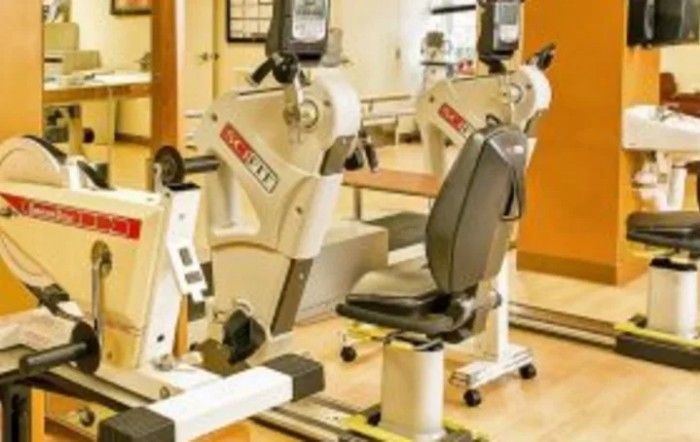
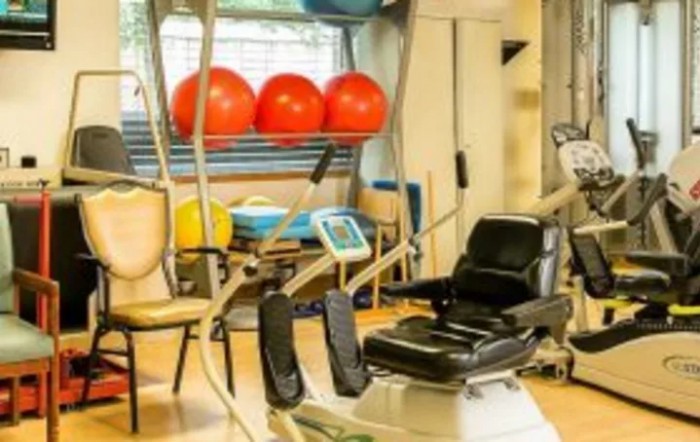
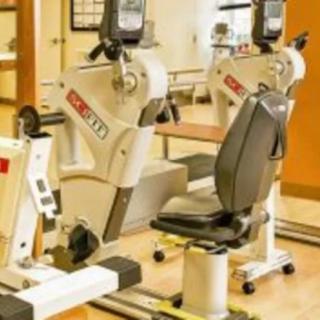
- The rehab area was neat and clean.
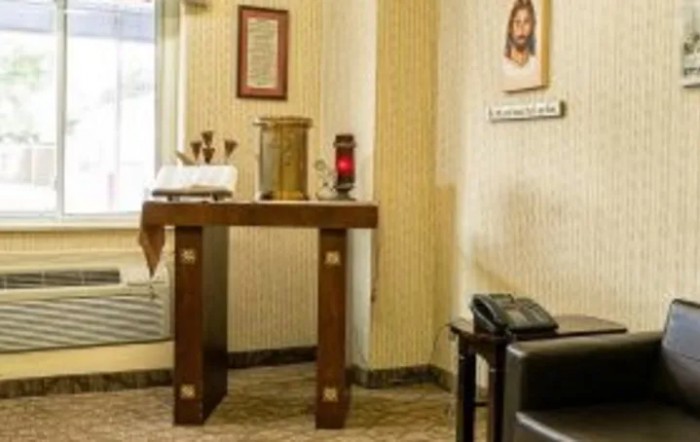
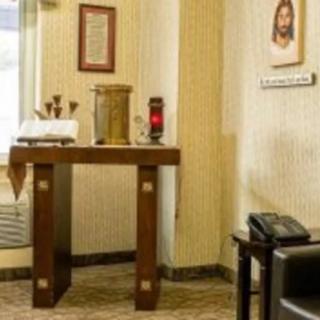
- The facility is an excellent choice for placement; it is faith-based, with pleasant, happy residents who socialize.
- They offer compassionate care tailored to residents' individual needs.
Cons
 The facility did not provide rehabilitation and the patient deteriorated to hospice care.
- The staff did not keep the patient’s hygiene needs current.
- The rooms were dirty and the overall care was poor.
- The care was terrible, with incidents like vomit on the patient’s face and clothes.
- Wound dressings were not changed as ordered, and the food was served cold.
- Residents sometimes fell out of bed without anyone noticing.
- The facility treated patients like children and offered limited activities.
- The facility was overcrowded and unclean, with missing laundry and items, and some residents contracted scabies.
Review
Father Murray - A Villa Center in Center Line, Michigan is best suited for families seeking a faith-based, seemingly homelike setting with ongoing nursing oversight and rehabilitation options, and where there is vigorous family involvement in care decisions. The facility can work for short- to mid-term post-acute needs and for residents who respond to structured routines and regular updates from staff. It appeals to those who value compassionate, personal attention from caregivers and an environment that feels familiar and focused on individualized care plans. However, it requires a willingness to supervise closely and to push for timely care, because outcomes in practice have been uneven.
Careful consideration is warranted for families that cannot tolerate inconsistent care or gaps in basic needs. Several reviews point to severe deficiencies, including inadequate rehabilitation, dehydration, worrisome weight loss, and lapses in hygiene and wound care. Dirty rooms, missing laundry, and reports of unsafe conditions appear with troubling frequency in the negative feedback. If a loved one cannot endure frequent advocacy calls, missed dressings, or care delays, alternatives with stronger staffing stability and clearer accountability should be prioritized. The facility’s variability makes it risky for residents who rely on constant, high-quality supervision for dignity and safety.
On the upside, some residents experience genuinely positive outcomes when care is well-coordinated and staff are engaged. The facility has been praised for attentive, compassionate nursing when present, regular updates to families, and a clear focus on individualized needs through formal care plans. Rehabilitation services and the presence of 24-hour nursing staff are cited as meaningful strengths, with some residents benefiting from steady oversight and structured routines. In a best-case scenario, these strengths translate into steady weight maintenance, timely wound care, and the sense that someone is actively managing the recovery or long-term needs of the resident.
Memory care and rehabilitation experiences again illustrate the inconsistency. A subset of reviews highlights excellent care, clear communication, and proactive updates for families, reinforcing confidence that skilled staff can deliver when resources and attention align. Yet other accounts describe dementia care as deplorable, with residents left unattended and placed in conditions that feel isolating or inappropriate. The contrast here is stark: the same program can be a lifeline in one situation and a red flag in another. Prospective families must weigh whether their loved one’s memory care needs can be reliably met given the facility’s history of uneven performance.
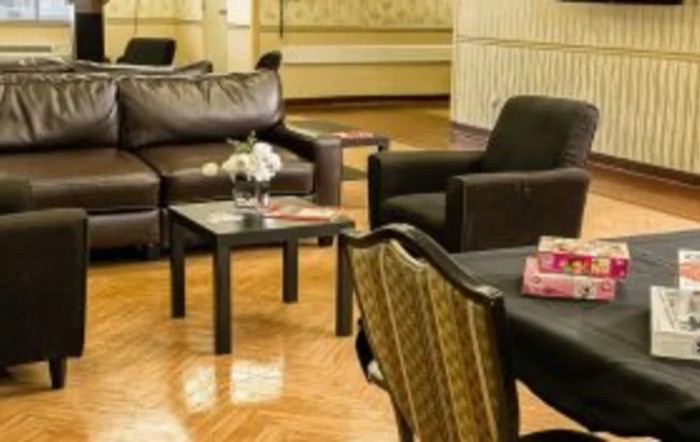
Visitation, activity options, and the overall living environment emerge as notable concerns. Several reviewers describe cramped rooms, limited common spaces, and restricted outdoor access, which can erode quality of life for long-term residents and frustrate families who want meaningful engagement and easy visits. When activity calendars exist, they are often described as modest or hard to access, with upstairs residents sometimes left out of the loop. For families prioritizing social stimulation and ease of visiting loved ones, these structural shortcomings carry real weight and may tip the balance toward exploring alternatives with more resident-centered design and a fuller program of enrichment.
The bottom-line decision should hinge on non-negotiables. If the priority is a faith-aligned setting with reliable nursing oversight, transparent communication, and a clear rehabilitation pathway, and there is a commitment to rigorous ongoing supervision by family or a trusted advocate, Father Murray can be a workable choice. If, however, consistency, safety in daily operations, robust memory-care infrastructure, abundant activities, and visitor-friendly design are essential, several other options merit serious consideration. Entry criteria should include a direct conversation about staffing levels on multiple shifts, a review of wound-care protocols, a tour focused on cleanliness and room conditions, and a detailed plan-of-care that specifies who will manage each aspect of daily needs and medical oversight.
 231 resident community capacity
 Skilled Nursing Facility
 Air-conditioning
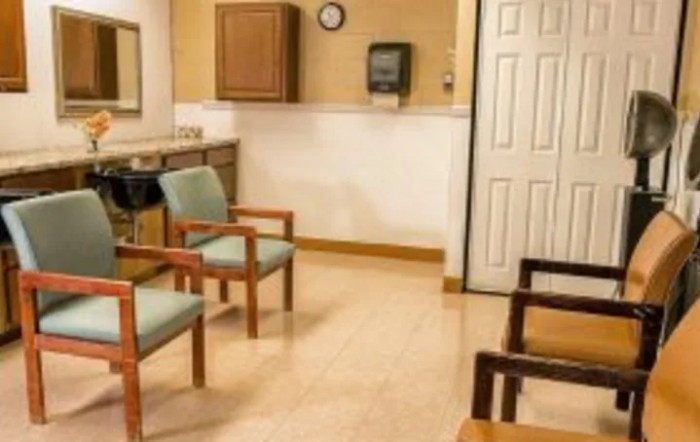
 Beauty salon
 Cable or satellite TV
 Computer center
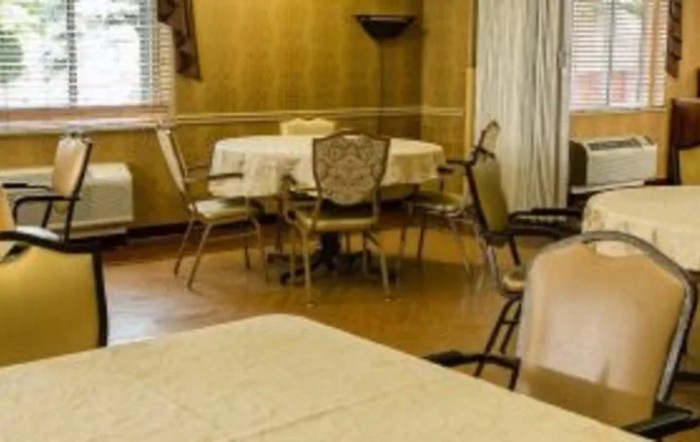
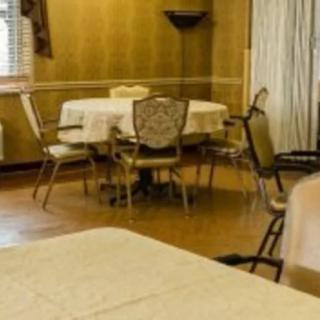
 Dining room
 Fitness room
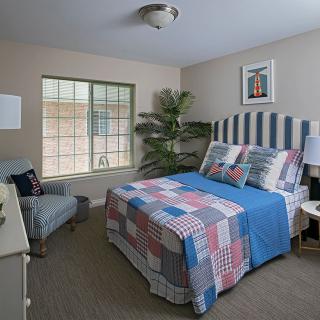
 Fully furnished
 Gaming room
 Garden
 Housekeeping services
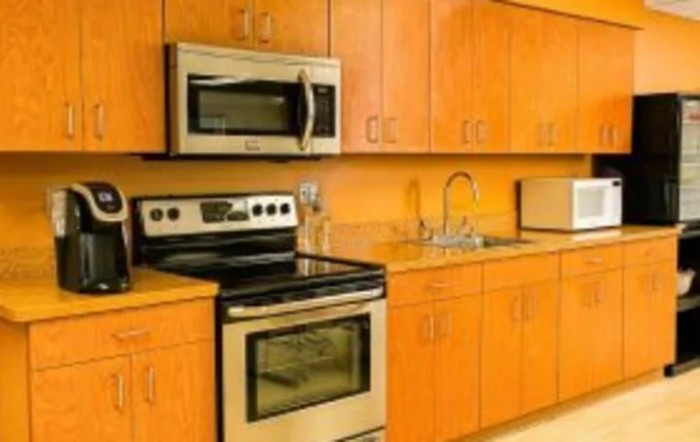
 Kitchenette
 Move-in coordination
 Outdoor space
 Private bathrooms
 Restaurant-style dining
 Small library
 Telephone
 Wellness center
 Wi-Fi/high-speed internet available
 Detroit Metropolitan-Wayne County (25 miles away)
 Community operated transportation
 12-16 hour nursing
 24-hour call system
 Activities of daily living assistance
 Assistance with bathing
 Assistance with dressing
 Assistance with transfers
 Diabetes diet
 Medication management
 Mental wellness program
 Special dietary restrictions
 Concierge services
 Planned day trips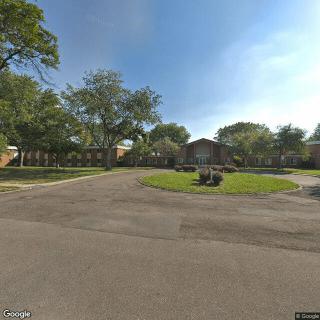


 A Detailed Examination of Nursing Home Costs Across the U.S.
 Exploring Nonmedical Home Care: Understanding Services, Costs, and Financial Approaches
 Engaging Brain Games and Innovative Apps to Keep Senior Minds Active