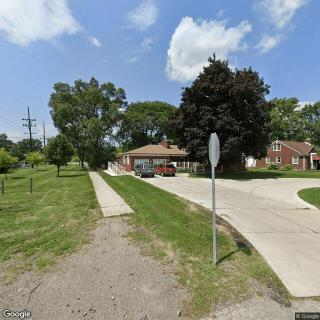
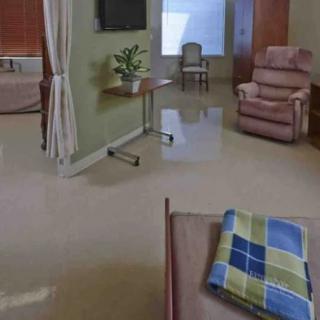
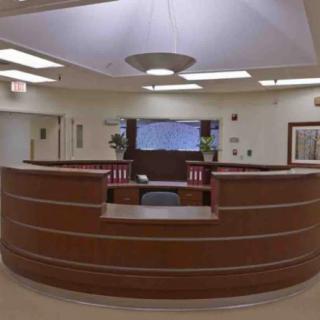
The Lodge At Taylor

Save

The Lodge At Taylor

Information last verified:

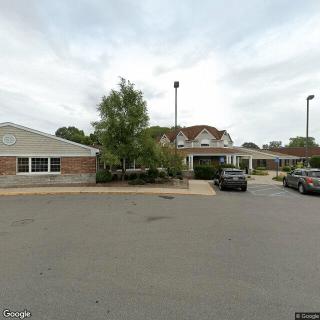
22950 Northline Road, Taylor, MI 48180

For more information about senior living options: (844) 490-3973

2.8 from 112 reviews
5 stars
43
4 stars
3
3 stars
4
2 stars
7
1 stars
55

Overall Review of The Lodge At Taylor

Pros

  • pro The staff were very friendly and accommodating for their loved one.
  • pro The stay was excellent, with nurses and staff described as very friendly.
  • pro The aides were conscientious about the well-being of residents.
  • pro The DON Ron was informative and great to interview.
  • pro The facility is very clean, with residents appearing happy and staff polite.
  • pro The physical and occupational therapy were top shelf and well-done.
  • pro The staff were incredibly kind and attentive to residents.
  • pro Several reviewers would absolutely recommend The Lodge at Taylor.

Cons

  • pro The staff frequently forget to give patients their morning pain medication.
  • pro They rarely answer call lights, leaving residents waiting for help.
  • pro Residents cannot get timely assistance when they need to use the bathroom.
  • pro A patient had no toilet paper and improvised by using a bedsheet.
  • pro The facility is severely understaffed and shows neglect toward residents.
  • pro The front desk and administration are unhelpful and unresponsive.
  • pro The overall care is substandard with pervasive neglect and little proactive help.
  • pro The place smells like urine and is not properly cleaned.
  • pro Some nurses pretend to care but fail to provide basic care like showers and timely medications.
  • pro Residents are left in dirty diapers for hours and rooms are not cleaned daily.
  • pro Phone calls are not answered and families cannot get updates or retrieve belongings.
  • pro The facility is so dangerous and neglected that it should be shut down.

Review

The Lodge at Taylor is best suited for families pursuing short-term rehabilitation or skilled nursing care where one or two reliable services, most notably on-site dialysis in some cases, can be leveraged, and where a determined family presence can supplement what the facility’s staffing delivers. When a relative is mobile enough to participate in therapy, can handle a structured rehab plan, and needs access to medical services without moving to a different campus, this community can function as a workable option. It is not a fit for those who require constant, one-on-one supervision, meticulous daily care, and consistently prompt response to call bells or hygiene needs. In short, it’s a “hope-for-the-best” option for rehab with caveats, not a safe default for high-care, high-need residents.

Careful buyers should explicitly consider alternatives if a loved one demands reliable, round-the-clock attention, rapid assistance with toileting and transfers, or rigorous infection-control and dignity standards. Several reviewers warn that staffing shortages lead to delayed responses, unattended calls, and inconsistent care, problems that can escalate quickly for residents with high needs. Families who cannot supervise care in person or who prefer ongoing, transparent communication may want to screen other facilities with stronger track records for call-light responsiveness, bedside hygiene, and daily turnover of rooms. The lodge’s merits, cleanliness in places, some compassionate staff, and capable therapy, are contradicted by a substantial volume of complaints about neglect and management gaps, so choosing this facility requires an explicit plan for oversight and escalation.

On the plus side, the Lodge at Taylor has notable strengths that can matter in a rehab trajectory. Several accounts praise the therapy staff as capable and motivated, with particular nurses or aides delivering attentive, compassionate care in certain shifts. The environment can be clean, and admissions personnel have been described as approachable and helpful, easing the initial transition. In-unit resources such as a dialysis option in some cases and a generally practical layout provide practical support for residents who can engage with therapy and medical services on site. When those positives align with a resident’s needs, progress can occur, and families report moments of genuine relief and gratitude for staff members who go the extra mile.

Yet the cons are persistent and severe enough to tilt the balance toward caution. The most recurring concerns center on staffing shortages that produce delayed call-bell responses, infrequent assistance with basic daily activities, and insufficient attention to wounds, personal hygiene, or medication administration. Widespread reports of odors, soiled rooms, and residents left in damp or soiled situations repeatedly undermine trust in daily care. There are distressing anecdotes of neglect, missing meals, missed physical therapy sessions, and inadequate supervision, that, for many families, eclipse the occasional kind interaction or effective PT. Lost belongings, inconsistent communication with families, and perceived management gaps further erode confidence. Taken together, these themes suggest a level of risk that cannot be ignored.

The practical implication for a family weighing this community centers on whether there is a robust plan to mitigate the documented risks. Prospective residents should insist on a clearly assigned primary nurse or care team, guaranteed response times for call lights, and a transparent daily update routine. Request a thorough review of the rehab plan with the therapy team before admission and during the first week, and demand documented progress notes and discharge planning conversations. Families should tour during multiple shifts, speak to the DON or administration about staffing ratios, and verify the facility’s process for handling urgent concerns, lost items, and wound care. If these safeguards cannot be demonstrated before admission, alternatives with steadier staffing and stronger family communication are advisable.

In the final assessment, The Lodge at Taylor can serve as a practical option for rehab-focused care when a family is prepared to supervise and advocate actively, and when the resident’s needs align with services that the facility reliably provides on a consistent basis. For those who prioritize dependable call-light response, rigorous daily hygiene, and transparent communication, this community requires careful risk-mitigation planning or, more likely, a choice elsewhere. The decisive factor is whether the family will commit to rigorous oversight and push for continual service improvements; without that, the cons substantially outweigh the stated benefits. In most cases, a careful comparison with higher-rated facilities offering steadier staffing and more predictable daily care will protect both safety and peace of mind.

Features

Housing

  • 150 resident community capacity 150 resident community capacity

Types of Care

  • Skilled Nursing Facility Skilled Nursing FacilitySkilled Nursing Facilities are crucial for seniors as they provide round-the-clock medical care, rehabilitation services, and assistance with daily activities. These facilities ensure that seniors receive the specialized care they need to maintain their health and well-being as they age.

Amenities

  • Air-conditioning Air-conditioningAir conditioning is important for seniors as they are more vulnerable to heat-related illnesses and may have underlying health conditions that make it difficult for them to regulate their body temperature. It helps to keep them comfortable, safe, and healthy in hot weather.
  • Beauty salon Beauty salonBeauty salons are important for seniors because they provide a space for them to feel pampered, socialize, and maintain their personal grooming and hygiene. Regular visits to a beauty salon can help boost seniors' self-esteem and overall well-being.
  • Cable or satellite TV Cable or satellite TVCable or satellite TV is important for seniors because it provides entertainment, news, and companionship, helping to combat loneliness and boredom. It also offers a wide range of programming options tailored to different interests and preferences.
  • Computer center Computer centerA computer center is essential for seniors as it provides access to technology, communication tools, and resources that can enhance their daily lives. It allows them to stay connected with loved ones, engage in online activities, and learn new skills, ultimately promoting socialization and mental stimulation.
  • Dining room Dining roomDining rooms are important for seniors as they provide a space for socialization, connection, and nutritious meals. They offer opportunities for residents to bond over shared meals, foster a sense of community, and promote healthy eating habits. Dining rooms also ensure that seniors have access to well-balanced meals tailored to their dietary needs and preferences.
  • Fitness room Fitness roomHaving a fitness room in a senior living community is essential for seniors to stay active, maintain their physical health, and improve their overall well-being. Regular exercise can help prevent falls, reduce the risk of chronic diseases, and promote mental sharpness. It also provides social opportunities for residents to connect with others and enjoy a sense of community.
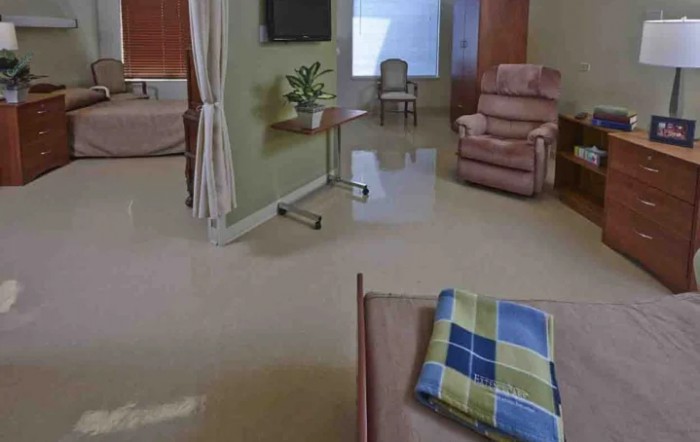
  • Fully furnished Fully furnishedFully furnished senior living communities are important for seniors because they provide convenience, comfort, and a hassle-free moving experience. Seniors can easily settle into their new living space without the stress of having to buy and move furniture. This allows them to focus on enjoying their new home and community.
  • Gaming room Gaming roomGaming rooms are important for seniors as they provide a fun and engaging environment for socializing, cognitive stimulation, and physical activity. Games can improve memory, problem-solving skills, and overall mental well-being while fostering friendships and reducing feelings of isolation.
  • Garden GardenGardens are important for seniors as they provide a peaceful and therapeutic environment for relaxation, physical activity, and socialization. Being in nature has been shown to reduce stress, improve mood, and promote overall well-being. Gardens also offer opportunities for seniors to engage in gardening activities, which can improve mobility, flexibility, and cognitive function. Additionally, gardens create a sense of community and connection with others who share a passion for plants and outdoor spaces.
  • Housekeeping services Housekeeping servicesHousekeeping services are important for seniors because they help maintain a clean and safe living environment, promote independence, and reduce the risk of accidents or illnesses. Additionally, having assistance with household chores can alleviate physical strain and allow seniors to focus on other aspects of their well-being.
  • Kitchenette KitchenetteKitchenettes are important for seniors living in senior living communities because they provide the convenience and independence of being able to prepare simple meals and snacks in the comfort of their own living space. This can help promote a sense of autonomy and well-being for seniors, allowing them to maintain some level of control over their dietary choices and daily routines.
  • Move-in coordination Move-in coordinationMove-in coordination is important for seniors because it helps ease the transition into their new living environment. It ensures that all logistics, such as packing, organizing movers, and setting up utilities are taken care of, allowing seniors to focus on settling in and adjusting to their new home. Having a smooth move-in process can alleviate stress and anxiety, making the transition smoother and more enjoyable for seniors.
  • Outdoor space Outdoor spaceOutdoor spaces are important for seniors as they provide opportunities for physical activity, social interaction, exposure to natural light and fresh air, and a sense of connection to nature. Having access to outdoor spaces can improve overall well-being and quality of life for older adults living in senior communities.
  • Private bathrooms Private bathroomsPrivate bathrooms are important for seniors in senior living communities because they provide independence, dignity, and comfort. Having a private bathroom allows seniors to maintain their personal hygiene routines without the need for assistance, promoting a sense of autonomy and privacy. Additionally, private bathrooms help prevent the spread of infections and provide a safe and clean environment for seniors to navigate safely.
  • Restaurant-style dining Restaurant-style diningRestaurant-style dining is important for seniors because it allows them to enjoy delicious, nutritious meals in a social and upscale setting. This enhances their dining experience, promotes healthy eating habits, and fosters socialization with fellow residents, ultimately contributing to their overall well-being and quality of life.
  • Small library Small librarySmall libraries are important for seniors as they provide access to a variety of reading materials, including books, newspapers, and magazines. This can help stimulate their minds, keep them engaged, and provide a sense of community through book clubs and other social activities. Additionally, reading has been shown to improve cognitive function and overall mental well-being in older adults.
  • Telephone TelephoneTelephones are important for seniors as they provide a lifeline for communication with loved ones, emergency services, and healthcare providers. They offer a sense of security and independence, enabling seniors to stay connected and access assistance when needed.
  • Wellness center Wellness centerWellness centers are important for seniors because they offer a variety of programs and services that promote physical, mental, and emotional well-being. These centers provide opportunities for exercise, socialization, education, and relaxation, helping seniors maintain their overall health and quality of life.
  • Wi-Fi/high-speed internet available Wi-Fi/high-speed internet availableWi-Fi/high-speed internet is important for seniors to stay connected with loved ones, access online resources, and participate in virtual activities to combat feelings of loneliness and isolation. It also allows them to easily manage healthcare needs, access entertainment, and engage in lifelong learning opportunities.

Transportation

  • Detroit Metropolitan-Wayne County (5 miles away) Detroit Metropolitan-Wayne County (5 miles away)
  • Community operated transportation Community operated transportationCommunity operated transportation is crucial for seniors as it provides them with the means to access essential services, social activities, and medical appointments. It allows seniors to maintain their independence and quality of life by ensuring they can participate in activities outside of their homes. Additionally, community-operated transportation services offer a safe and reliable way for seniors to travel without having to rely on family or friends for assistance.
  • Transportation arrangement Transportation arrangementTransportation arrangements are crucial for seniors as they may face challenges with driving, mobility, or access to public transportation. Having reliable transportation services ensures that seniors can easily attend appointments, social activities, and maintain their independence and quality of life.
  • Transportation arrangement (non-medical) Transportation arrangement (non-medical)Transportation arrangements are essential for seniors as they provide access to essential services, activities, and social interactions outside the home. This service helps maintain independence, mobility, and overall well-being for seniors who may have limited transportation options.
  • Transportation to doctors appointments Transportation to doctors appointmentsTransportation to doctors appointments is crucial for seniors as it ensures they have access to necessary medical care and support, promoting their health and well-being. It allows them to receive timely treatment, monitor existing conditions, and address any new health concerns efficiently. Additionally, transportation services can help seniors maintain their independence and quality of life by enabling them to stay connected with their healthcare providers.

Care Services

  • 12-16 hour nursing 12-16 hour nursing12-16 hour nursing care is crucial for seniors in order to ensure around-the-clock monitoring, timely medication administration, and prompt response to any health concerns or emergencies. This level of care helps to promote the overall well-being and safety of seniors living in senior living communities.
  • 24-hour call system 24-hour call system24-hour call systems are important for seniors because they provide peace of mind and immediate assistance in case of emergencies. This technology ensures that help is always available, promoting safety and security for elderly individuals living alone or in assisted living facilities.
  • 24-hour supervision 24-hour supervision24-hour supervision is important for seniors to ensure their safety, well-being, and access to immediate assistance in case of emergencies or health issues. This constant support provides peace of mind for both seniors and their loved ones, allowing them to age in place with dignity and security.
  • Activities of daily living assistance Activities of daily living assistanceActivities of daily living assistance are important for seniors because they provide essential support with tasks such as eating, bathing, dressing, and mobility. This assistance helps seniors maintain their independence, dignity, and overall quality of life as they age.
  • Assistance with bathing Assistance with bathingAssistance with bathing is crucial for seniors as it helps maintain personal hygiene, prevents infections, and ensures their overall well-being and comfort. It also provides a sense of dignity and independence for seniors who may struggle with this task on their own.
  • Assistance with dressing Assistance with dressingAssistance with dressing is important for seniors because it helps maintain their independence, promotes personal hygiene, prevents accidents and injuries, and improves overall quality of life. This service ensures that seniors can continue to dress comfortably and confidently, despite any physical limitations they may have.
  • Assistance with transfers Assistance with transfersAssistance with transfers is crucial for seniors as it helps prevent falls and injuries, maintains their independence, and ensures they can safely navigate their living environment. It also provides peace of mind for both seniors and their loved ones.
  • Diabetes diet Diabetes dietA diabetes diet is crucial for seniors as it helps manage blood sugar levels, reduce risks of complications, and improve overall health and well-being. By following a balanced and nutritious diet tailored to their specific needs, seniors can better control their diabetes and enhance their quality of life.
  • Meal preparation and service Meal preparation and serviceMeal preparation and service are crucial for seniors as they may have limited mobility or energy to cook nutritious meals. Having access to healthy and convenient food options can ensure they are getting the proper nutrition needed to maintain their overall health and well-being.
  • Medication management Medication managementMedication management is crucial for seniors to ensure they are taking the right medications at the correct dosages and times. This helps prevent adverse drug interactions, reduces the risk of medication errors, and promotes overall health and well-being. Proactive management also allows for adjustments as needed based on changing health conditions or new prescriptions.
  • Mental wellness program Mental wellness programMental wellness programs are essential for seniors as they promote cognitive stimulation, emotional support, and social engagement. These programs help prevent isolation, depression, and cognitive decline, ultimately enhancing the overall quality of life for older adults.
  • Special dietary restrictions Special dietary restrictionsSpecial dietary restrictions are important for seniors because age-related changes in metabolism and health conditions can make it difficult for their bodies to process certain foods. By following a diet tailored to their specific needs, seniors can maintain their overall health and well-being, manage chronic conditions, and reduce the risk of complications such as malnutrition or food interactions with medications.

Dining

  • Diabetes diet Diabetes dietA diabetes diet is crucial for seniors as it helps manage blood sugar levels, reduce risks of complications, and improve overall health and well-being. By following a balanced and nutritious diet tailored to their specific needs, seniors can better control their diabetes and enhance their quality of life.
  • Special dietary restrictions Special dietary restrictionsSpecial dietary restrictions are important for seniors because age-related changes in metabolism and health conditions can make it difficult for their bodies to process certain foods. By following a diet tailored to their specific needs, seniors can maintain their overall health and well-being, manage chronic conditions, and reduce the risk of complications such as malnutrition or food interactions with medications.

Activities

  • Community-sponsored activities Community-sponsored activitiesCommunity-sponsored activities are important for seniors as they provide opportunities for social interaction, mental stimulation, and physical activity. These activities can help improve overall well-being, combat loneliness and isolation, and promote a sense of belonging and purpose among older adults.
  • Concierge services Concierge servicesConcierge services are essential for seniors as they provide assistance with daily tasks and errands, enhance their quality of life by offering convenience and personalized care, and promote a sense of safety and security.
  • Fitness programs Fitness programsFitness programs are crucial for seniors as they help improve strength, flexibility, balance, and overall well-being. Staying active can reduce the risk of chronic diseases, improve mental health, and enhance quality of life in older adults.
  • Planned day trips Planned day tripsPlanned day trips are important for seniors because they offer opportunities for socialization, mental stimulation, and physical activity. They provide a change of scenery and help seniors stay engaged and connected to their community, promoting overall well-being and quality of life.
  • Resident-run activities Resident-run activitiesResident-run activities are important for seniors as they encourage social interaction, creativity, and a sense of autonomy. These activities empower seniors to stay engaged and active in their community while fostering meaningful connections with their peers.
  • Scheduled daily activities Scheduled daily activitiesScheduled daily activities are important for seniors because they provide structure, socialization, mental stimulation, and physical activity. Engaging in regular activities can improve overall well-being and quality of life for seniors living in a community setting.

Description

The Lodge At Taylor in Taylor, MI is an assisted living community that offers a wide range of amenities and care services to meet the needs of its residents. The community features a beauty salon, allowing residents to maintain their personal grooming needs without leaving the premises. Each resident's entertainment needs are also catered to with cable or satellite TV available in every room.

Transportation is a breeze at The Lodge At Taylor, with both community-operated transportation and transportation arrangement services offered. Residents can rely on the community for non-medical transportation needs as well as transportation to doctor's appointments. Additionally, move-in coordination is provided to ensure a smooth transition for new residents.

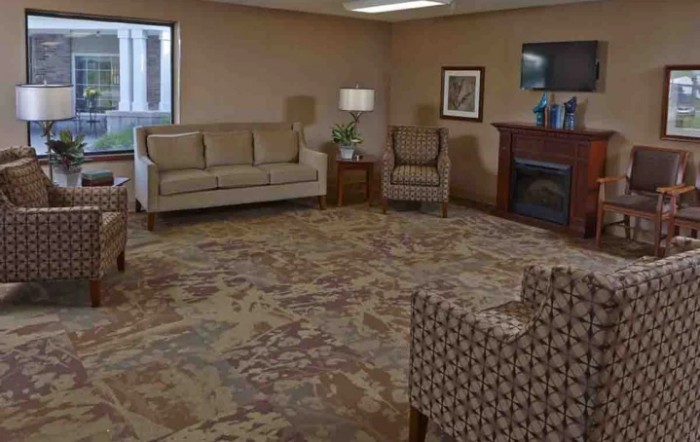
The community boasts several areas for recreation and relaxation. A fitness room is available for those who wish to stay active, while a gaming room provides opportunities for friendly competition and socializing. For those who prefer the outdoors, there is a garden and outdoor space where residents can enjoy fresh air and nature. A small library is also accessible to those who enjoy reading.

Meals at The Lodge At Taylor are served restaurant-style in a dining room setting. Special dietary restrictions are accommodated, including diabetes diets and other special dietary needs. Residents can benefit from the assistance of staff with activities of daily living such as bathing, dressing, and transfers.

Care services at The Lodge At Taylor include 24-hour call system for emergencies, round-the-clock supervision to ensure the safety of residents, medication management to ensure proper dosage and timing of medications, and meal preparation and service for convenience.

Mental wellness is prioritized at the community through a dedicated mental wellness program aimed at supporting emotional wellbeing. Concierge services are available to assist with various tasks or requests.

For recreational activities, The Lodge At Taylor provides fitness programs to encourage physical activity as well as planned day trips for exploration outside of the community premises. Resident-run activities allow individuals to lead and participate in activities that cater specifically to their interests. Scheduled daily activities ensure there is always something happening to keep residents engaged and entertained.

The community is conveniently located near various amenities and services, including cafes, pharmacies, physicians' offices, restaurants, and places of worship. Overall, The Lodge At Taylor offers a comprehensive range of amenities and care services in a welcoming environment to support the needs and preferences of its residents.

Nearby Places of Interest

Parks

  • Heritage Park (0.4 miles)
  • Schemansky Park (5.1 miles)
  • Civic Center Park (5.5 miles)
  • BASF Park (5.6 miles)
  • Ford Field Park (6.5 miles)

Restaurants

  • BJ's Restaurant & Brewhouse (1.1 miles)
  • McGuckin's Pub (1.7 miles)
  • Big League Brews (3.2 miles)
  • Sonic Drive-In (3.4 miles)
  • McDonald's (4.1 miles)
  • Bob Jo's Frozen Custard (4.3 miles)
  • Mezza Mediterranean Grille (5.1 miles)

Cafes

  • Panera Bread (1.1 miles)
  • Starbucks (4 miles)
  • Sugarr Donuts (4.4 miles)
  • Tim Hortons (4.6 miles)
  • Starbucks (6.4 miles)
  • Qahwah House (6.5 miles)
  • Biggby Coffee (7.1 miles)

Pharmacies

  • Walgreens (1.2 miles)
  • Walgreens (1.7 miles)
  • Walgreens (2.1 miles)
  • CVS Pharmacy (2.1 miles)
  • Walmart Pharmacy (2.5 miles)
  • CVS Pharmacy (3 miles)
  • CVS Pharmacy (3.2 miles)

Physicians

  • Lagrou, Robert New Oakland Family Centers (2 miles)
  • Oakwood Healthcare Center (2.1 miles)
  • Northline Women's Health Center (2.2 miles)
  • Michigan Institute-Urology (3.5 miles)
  • Michigan Center For Oral Surgery (3.5 miles)
  • Allen Park Family Physicians (3.7 miles)
  • Castleman Eye Center (3.9 miles)

Transportation

  • National Car Rental (4.1 miles)
  • Hertz Rent A Car (4.2 miles)
  • Enterprise Rent-A-Car (4.3 miles)
  • Budget Rent A Car (4.3 miles)
  • DTW Delta Cargo (4.4 miles)
  • Ground Trans North Terminal (4.6 miles)
  • Concourse D (4.7 miles)

Places of Worship

  • Our Lady of the Woods (4.6 miles)
  • Southpoint Church (7.3 miles)

Hospitals

  • Henry Ford Medical Center - Woodhaven (5 miles)
  • Henry Ford Wyandotte Hospital (5.6 miles)
  • Beaumont Dearborn Hospital (5.7 miles)
  • Oakwood Annapolis Hospital (6.9 miles)

Frequently Asked Questions

Where is The Lodge At Taylor?
What photos are available for The Lodge At Taylor in Taylor, Michigan?

Nearby Communities

  • Taylor Total Living Ctr

    Taylor Total Living Ctr

    Taylor, MI

    3 from 4 reviews
     

    pro Engaging activities and a generally positive rehab experience


  • Medilodge Of Taylor

    Medilodge Of Taylor

    Taylor, MI

    4.1 from 100 reviews
     

    pro Extensive on-site amenities and 24/7 care.

  • Mckinley Home

    Mckinley Home

    Taylor, MI


    pro Luxurious, comprehensive care with transport services.

  • Grosvenor South Apartments

    Grosvenor South Apartments

    Taylor, MI


  • Redeem Home

    Redeem Home

    Taylor, MI

    4 from 39 reviews
     

    pro Small, intimate assisted living with comprehensive care and dining options.

  • Georgetown Place Cooperative

    Georgetown Place Cooperative

    Taylor, MI

    4.4 from 12 reviews
     

    pro Convenient location with friendly staff and a trusted family connection.

  • Maryhaven

    Maryhaven

    Southgate, MI

    4.1 from 62 reviews
    $981 to $2,165 / month

    pro Clean, friendly staff, good meals, and an active community in a convenient location.

  • Meadows of Southgate II

    Meadows of Southgate II

    Southgate, MI

    3.6 from 20 reviews
    $667 to $827 / month

    pro Friendly staff and residents; affordable pricing.

  • Mortenview Manor

    Mortenview Manor

    Taylor, MI

    4.3 from 25 reviews
    $4,000 to $4,200 / month

    pro Compassionate staff with personalized care and a clean, welcoming environment.

Related Resources

  • caregiver burnoutCaring for Those Who Care: Recognizing, Understanding, and Overcoming Caregiver Burnout

    Caregiver burnout is a common issue resulting from the intense physical, emotional, and mental demands of caregiving, leading to symptoms like fatigue and social withdrawal. To prevent burnout, caregivers should recognize early warning signs and implement self-care strategies, seek support, and prioritize their own well-being alongside that of those they care for.

  • caregiver burnoutCaregiver Exhaustion: Recognizing the Signs and Restoring Your Well-Being

    Caregiver exhaustion, or burnout, stems from the relentless demands of caregiving, leading to emotional and physical depletion characterized by stress, frustration, and neglect of personal needs. Addressing this burden is essential to prevent long-term consequences, with early recognition and support being crucial for caregivers to maintain balance and implement self-care.

  • what is hospice care at homeUnderstanding Hospice Care at Home: Comprehensive Services, Key Benefits, and Eligibility


    Hospice care at home provides specialized end-of-life support that focuses on comfort and dignity for individuals with life-limiting illnesses, offering a range of services including medical management, emotional and spiritual support, and logistical assistance tailored to the family's needs. It involves collaboration to create individualized care plans and extends to bereavement support after a loved one's passing.