

850 Phillips St, South Haven, MI 49090
To contact a resident: (616) 637-5147
For more information about senior living options: (866) 208-4318
Overall Review of South Haven Healthcare Ctr
Pros
 Therapy is great.
- Her mother received excellent care there.
- She ate well.
- She recovered and hugged many on the way out the door.
- They got her back on her feet.
- The care he received was excellent.
- The home is clean.
- The staff are extremely friendly and caring.
Cons
 The facility’s staffing decisions are described as poor.
- The nursing staff are said to lack proper training and knowledge, with the head nurse identified as a problem.
- Nursing staff are seen sitting behind desks on their phones while techs perform most tasks.
- The center is chronically understaffed and hard to reach by phone.
- There are reports of a staff member yelling at a family member and ignorance of alarm systems.
- Care is reportedly deficient, including improper lifting and inadequate mouth care for patients.
- The facility is described as the worst-run, with ongoing staffing shortages and poor communication.
- Rooms are described as jail-cell-like with inadequate mattresses and shared bathrooms.
- Meals are reported as poor, including burnt grilled cheese and limited options.
Review
South Haven Healthcare Center in South Haven, MI is best suited for families pursuing short-term post-acute rehabilitation where strong therapy can deliver tangible mobility gains and where a highly involved family can oversee daily care. The facility shows real promise in the rehab arena, with patients often walking again and expressing gratitude for the progress achieved under therapy teams. For families that can commit to frequent visits or daily check-ins, the positives in the rehab line can translate into meaningful recoveries. This is not a hands-off option; it works best when caretakers are present to guide care, reinforce therapy instructions, and advocate for appropriate attention to each resident’s needs.
Those considering alternatives should look elsewhere if consistent, reliable day-to-day care is nonnegotiable or if medical complexity requires steady oversight. The strongest red flags here are not isolated incidents but chronic patterns that can undermine safety and communication. Long-term residents or families that cannot arrange regular presence may encounter gaps in responsiveness, unclear updates, and difficulty getting timely assistance. For anyone prioritizing steady staffing, predictable routines, and rigorous, 24/7 medical oversight, other communities with more consistent staffing metrics and better call-response histories would be a safer fit.
On the upside, therapy and rehabilitation emerge as the clearest enduring strengths. When rehab is the focus, outcomes can be genuinely impressive: patients report improved mobility, regained independence with walking aids, and a sense of progress that accompanies discharge planning. The home-like warmth noted by several families, the sense of teamwork and dedication from therapists and some caregiving staff, helps residents stay engaged and motivated. In addition, portions of the staff are described as friendly and helpful, contributing to a welcoming atmosphere when families are able to participate and collaborate with the care team.
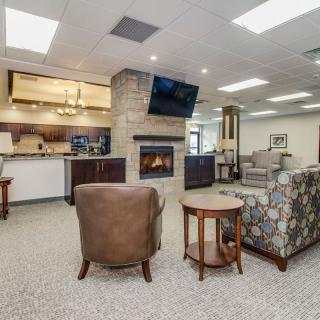
However, the strongest advantages in therapy do not fully offset the most serious concerns about staffing and daily care. Reviewers recount ongoing under-staffing, unanswered calls, and frustration with how bedside assistance is delivered. There are accounts of equipment not used correctly, unsafe transfer practices, and delays that leave residents waiting for help with basic needs. Some experiences describe fields of neglect or miscommunication, including insufficient mouth care, insufficient attention to comfort, and limited updates for families who worry about a loved one’s status. On-site conditions, mixed at best, include outdated-looking spaces and, in some rooms, limited personal space or privacy. These factors tilt the balance away from long-term residency unless robust family involvement can mitigate risks.
In practical terms, the pros and cons sharpen the decision: for a family that can commit to vigilant oversight, the rehab gains, the accessible therapy, and the occasional evidence of a caring, team-driven culture can make South Haven a viable short-term option. For residents who require consistent nursing coverage, rapid responsiveness, and dependable daily care without family mediation, the cons are likely to erode confidence and satisfaction. The facility’s best-case scenario hinges on aggressive, proactive engagement from families, paired with clear expectations set with the administration and care teams.
To navigate a decision with confidence, prospective families should schedule unannounced visits across multiple shifts, speak directly with therapy staff about protocols, and request candid conversations with administrators about staffing levels and response times. Ask current residents or families about call-bell responsiveness, transfer assistance, and how mouth care is managed for residents with feeding tubes or complex needs. Inspect room layout, privacy, and overall cleanliness, and probe the consistency of meal quality. If the plan relies on ongoing rehab and family advocacy, South Haven can work; if it requires stable, fail-safe daily care, alternatives with stronger staffing and fewer safety concerns are the wiser path.
 Skilled Nursing Facility



 Exploring the World of Home Health Nurses: Qualifications, Roles, and Hiring Tips
 Navigating Medicare Coverage for In-Home Care Services
 In-Home Care Costs in 2025: A Detailed State-by-State Exploration