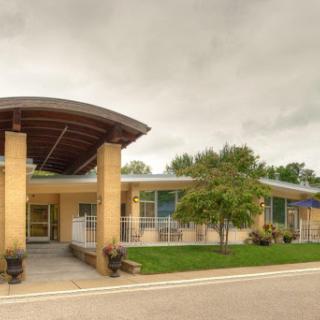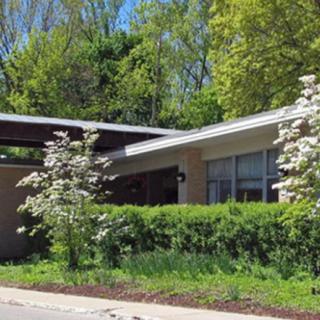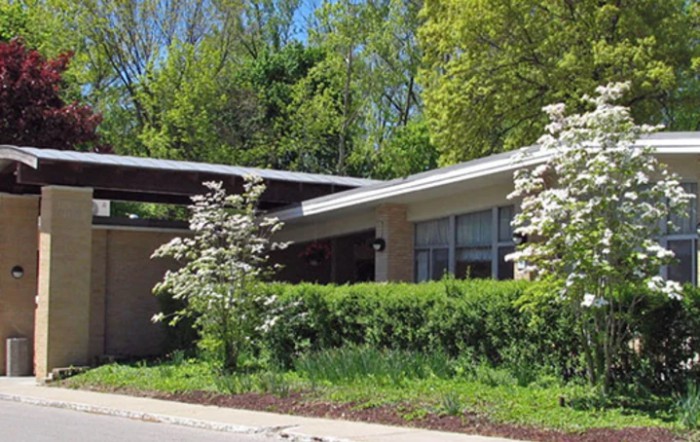

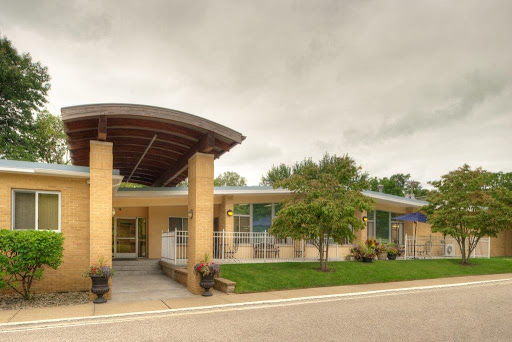

850 Phillips, South Haven, MI 49090
For more information about senior living options: (866) 208-4318
Overall Review of South Haven Nursing And Rehabilitation Community
Pros
 The therapy is great.
- The mom received excellent care there.
- The care he received was excellent, and he was able to walk with a walker.
- The staff were extremely friendly and caring.
- The home is clean.
- The staff are very friendly and family-oriented, great with residents and their families.
- Her mother loves it there and has made many friends thanks to the caring staff.
- The menu is healthy and hearty, and there are many activities for residents.
- They got her back on her feet.
Cons
 The staff are poorly trained and lack the knowledge needed for their roles, especially the nurses.
- The head nurse is described as a problem, indicating leadership issues.
- Nursing staff sit at desks on their phones and delegate care to techs, undermining patient care.
- The facility is poorly run with constant staff changes and delayed or insufficient care, including late meals and ignored phone calls.
- The nursing home portion is alleged to mistreat residents; it’s hard to imagine how they’re being treated.
- A nurse yelled at a family member and staff were unaware of the alarm system, showing a lack of professionalism.
- The premises look outdated or unclean, with jail-like rooms, insufficient mattresses, and shared bathrooms.
- Families are urged not to rely on the facility and to check on loved ones daily due to unpredictable and often unsatisfactory care.
- Basic patient care can be neglected (e.g., mouth care for someone on a feeding tube), risking harm.
- Hospice was abruptly refused and a transfer demanded the same day, described as unprofessional.
Review
South Haven Nursing and Rehabilitation Community is best suited for families who can be deeply involved in daily care and for residents pursuing short-term rehabilitation where focused therapy can translate into real mobility gains. The center’s strongest appeal lies in therapy teams that can push progress and in a generally warm, family-oriented culture from some caregivers. When oversight is present, family members or a trusted liaison actively monitoring daily care, the facility can deliver tangible rehab wins, and residents may leave with improved strength and independence.
Those weighing alternatives should consider what truly matters for long-term care and reliability. If dependable staffing, prompt responses to calls, consistent daily care, and predictable communication are non-negotiable, this site becomes a riskier choice. For a resident who will require ongoing, unmonitored supervision or for families unable to visit regularly, there are many other communities with more stable staffing models and clearer escalation processes. Similarly, if long-term residence is the plan, the unsettled staffing picture and some operational gaps argue for screening other options.
The most compelling pros, the rehab outcomes and the evident dedication of several care team members, do offset the downsides only when supervision is continuous. When therapy staff can design aggressive, clear progress plans and when nurses and aides are consistently present, residents can achieve meaningful improvements. The facility’s clean environment and moments of genuine staff warmth also matter, and on those occasions the atmosphere feels like a supportive, close-knit community. Yet these positives often hinge on consistent staffing and active family involvement to sustain them.
The core cons are persistent and concrete: chronic understaffing, inconsistent phone responsiveness, and frequent turnover create gaps in care and jeopardize timely assistance. Reports of staff sitting at desks on personal devices, technicians bearing the brunt of tasks, and long waits for help paint a troubling pattern. There are also distressing accounts of improper patient handling, insufficient mouth care for someone with a feeding tube, and a lack of timely communications with families. Facility conditions, older rooms, occasional maintenance issues, and uneven food quality, further compound perceptions of risk and disconnection from resident needs.
For families moving forward, a practical playbook is essential. Before admission, press for a transparent staffing plan, including nurse-to-patient ratios and who will be supervising key shifts. Schedule meetings with the director of nursing and the therapists to map expected rehab intensity and daily routines. Inspect rooms and equipment, and ask about meal quality and dietary oversight. Establish a clear escalation path for concerns, and insist on real-time updates from staff, not only whenever a family member happens to call. For hospice arrangements, verify policies on continuity of care and transfers to avoid last-minute disruptions that add stress to both patient and family. The bottom line is clear: this facility can deliver strong rehab and genuine warmth, but only with vigilant involvement and careful selection of care goals. For those unable to commit to hands-on oversight, alternatives with steadier staffing and more consistent communication will likely serve better in the long run.
 70 resident community capacity
 Skilled Nursing Facility
 Air-conditioning
 Beauty salon
 Cable or satellite TV
 Computer center
 Dining room
 Fitness room
 Fully furnished
 Gaming room
 Garden
 Housekeeping services
 Kitchenette
 Move-in coordination
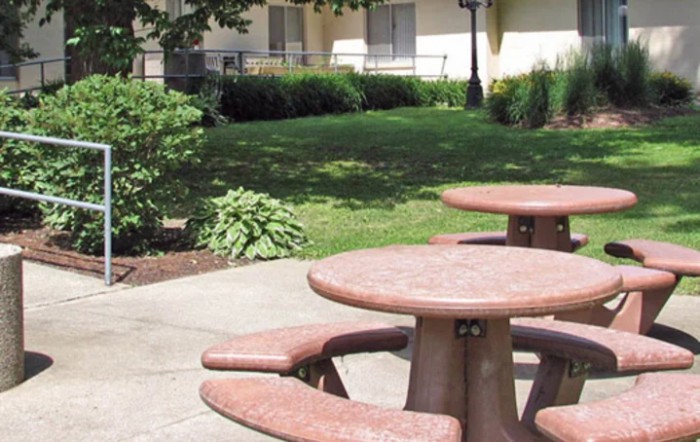
 Outdoor space
 Private bathrooms
 Restaurant-style dining
 Small library
 Telephone
 Wellness center
 Wi-Fi/high-speed internet available
 Community operated transportation
 12-16 hour nursing
 24-hour call system
 Activities of daily living assistance
 Assistance with bathing
 Assistance with dressing
 Assistance with transfers
 Diabetes diet
 Medication management
 Mental wellness program
 Special dietary restrictions
 Concierge services
 Planned day trips



 Supportive Employee Benefits That Help Caregivers Attain Better Work-Life Harmony
 Top Cars for Senior Drivers and Essential Safety Innovations
 A Closer Look at Private Pay Home Care