Hazel I Findlay Country Manor

Save

Hazel I Findlay Country Manor

1101 South Scott Road, Saint Johns, MI 48879

For more information about senior living options: (844) 490-3973

3.9 from 29 reviews
5 stars
15
4 stars
5
3 stars
4
2 stars
0
1 stars
5

Skilled Nursing Facility

Overall Review of Hazel I Findlay Country Manor

Pros

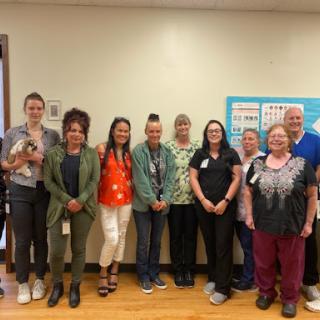
  • pro The nursing staff, aides, and cleaning staff were fantastic, friendly, and caring.
  • pro The food was tasty and plentiful.
  • pro The OT/PT team was very positive, encouraging, and flexible.
  • pro The staff in the residents' section were mostly kind, caring, considerate, and attentive.
  • pro The facility was clean and secure, with presentable and attentive staff.
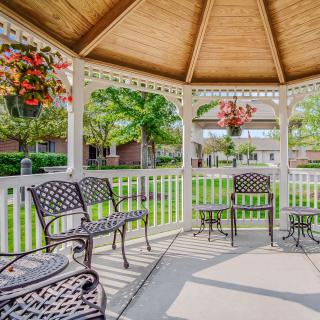
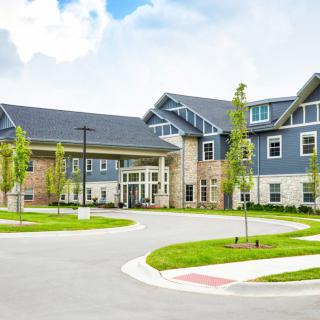
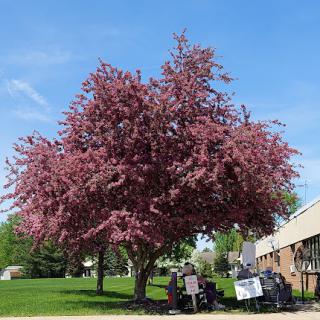
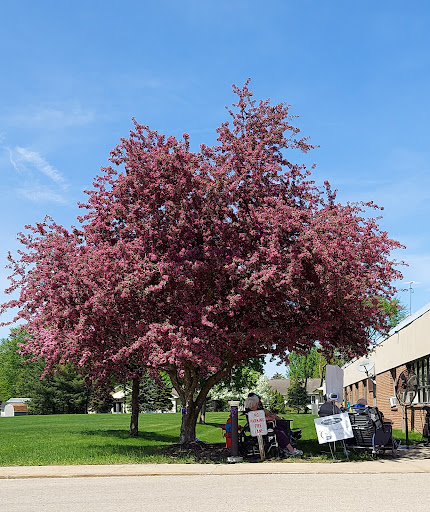
  • pro The grounds are nice, with flowers, bird feeders, and a covered outdoor area.
  • pro The rehab program is very impressive, with compassionate staff.
  • pro The facility allows pets to visit loved ones, which is important.

Cons

  • pro The rehab program was lackluster at best.
  • pro Staff were described as asking people to do illegal things and then firing them, with a call to shut the place down.
  • pro It was stated that families must stay with their loved ones 24/7 to ensure proper care.
  • pro Some staff were inattentive or failed to offer help when needed.
  • pro Meals were not set up for diabetics.
  • pro Medications were often passed late.
  • pro Some wings are outdated, lack proper air conditioning, and have insufficient space for rehab patients.
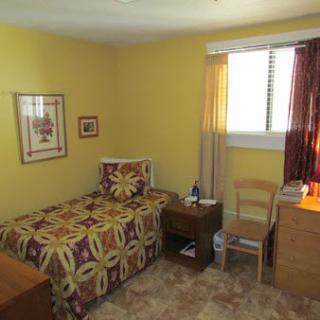
  • pro The facility feels hospital-like and lacks a homey atmosphere for residents.
  • pro There were reports of unprofessionalism and negligence in common living practices.
  • pro Outbreaks led to quarantines, disrupting daily life.

Review

Hazel Findlay Country Manor and its surrounding senior care offerings emerge here as a place of strong contrasts. Across short-term rehab, long-term rehab, and assisted living, the impressions run from warmly positive to seriously troubled. Several reviewers describe a facility where dedicated staff, clean surroundings, and a robust rehab mindset coexist with reports of inconsistent care, aging infrastructure, and occasional administrative glitches. The net effect is a nuanced picture: many people left with gratitude for the care they received, while others cautioned about serious lapses and systemic shortcomings.

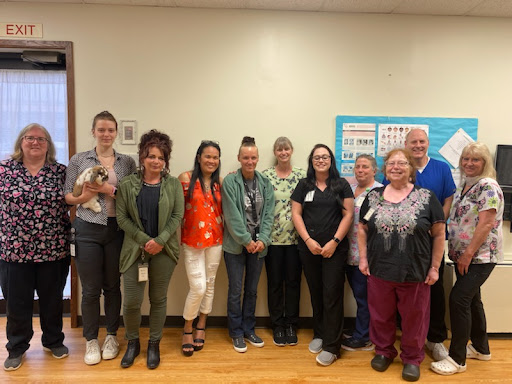
On the positive side, there is a clear theme of compassionate, attentive staff. Nursing aides and cleaning staff are frequently described as fantastic, friendly, and genuinely caring, with many reviewers noting a 24/7 commitment to residents' well-being. The bedside manner is repeatedly praised, and first-name familiarity helps foster a welcoming atmosphere. The OT/PT team is highlighted as particularly proactive and flexible, contributing to some strong rehab outcomes. The care environment is often described as clean and secure, and the staff's willingness to adapt to residents' needs - even late into shifts - shows a level of dedication that many families value. In addition to direct care, families appreciate amenities that make daily life feel humane: a large dining room, a grounds area with flowers and bird feeders, and even a culture that allows pets to visit, which one reviewer called an important part of supporting loved ones.

Rehab programs, in particular, receive glowing praise from several accounts. Reviewers talk about impressive rehab plans, compassionate staff, and admissions teams that are easy to work with. Some family members are grateful for the opportunities rehab provides to get residents back on their feet, sometimes noting a noticeable improvement in mobility and function. The facility is described as having a strong rehab emphasis, with positive remarks about the daily schedule and the way activities - ranging from mass in-house to various games and excursions - are designed to keep residents engaged. For some families, Hazel Findlay becomes the place that offers meaningful progress and a sense of purposeful daily life, with staff who take the time to support both patients and their families.

Yet the other side of the story cannot be ignored. A number of reviews present a starkly different experience, focusing on safety concerns, coordination issues, and gaps in attention. Several comments describe glitches in coordination and decision-making, with a sense that communications among staff and families could be more reliable. One reviewer even alleges that staff at some point pressed residents to engage in activities that were inappropriate or illegal, followed by personnel changes that were framed as "they quit" or "they were fired." That kind of accusation, if accurate, points to a pattern many families fear: a system where patient and resident safety could be compromised by questionable oversight or poor judgment.

Other strong cautions address daily operations and the consistency of care. Some reviewers report medications being passed late, meals not tailored to special diets (notably diabetic needs), and front-desk or floor staffing that doesn't always respond promptly to urgent needs. There are stories of hair washing delays, bedding changes that occur on a weekly basis, and a broader sense that some staff are excellent while others fall short. There are voices from healthcare workers and former employees who describe unprofessional behavior and gaps in knowledge that would understandably shake a family's confidence. Taken together, these accounts underscore the danger of assuming uniform quality and reinforce how vital ongoing staff training, supervision, and accountability are.

Infrastructure and environment feature prominently in the negative assessments as well. Several reviews point to old wings, insufficient air conditioning, and rooms that feel more hospital-like than homey. The impression of a sterile, clinical atmosphere - unfurnished with the warmth many residents associate with living spaces designed for long-term care - appears repeatedly. Some families describe the space as difficult to personalize, with beds that look hospital-grade and recreational areas that lack a warm, inviting vibe. In these accounts, the patient experience can drift toward monotony, with rigid daily schedules, limited activities beyond bingo and cards, and an overarching sense that many residents may never return home.

Despite the criticisms, there are heartfelt testimonials from families who found real value in Hazel Findlay's offerings. One father's family reported their relative did well and was well fed in a setting that allowed continuing rehabilitation close to home. A mother's experience highlighted not only the breadth of daily activities but also spiritual support, such as mass conducted within the building, which provided meaningful moments for a resident who valued faith-based experiences. In some cases, residents and families emphasized the facility's accessibility and proximity, praising the ability to attend mass or engage in activities and events that appeared to be thoughtfully organized by staff who cared about the residents' overall well-being. For others, the absence of visiting hours or the length of time spent in a high-activity environment might still feel like a barrier, but the positive examples show that genuine, person-centered care is possible here.

In summary, Hazel Findlay Country Manor presents a wide spectrum of experiences. On the strength side, many residents and families highlight warm, attentive caregivers, effective rehab efforts, clean and secure facilities, and a community sense fostered by staff who know residents by name and sincerely strive to help. On the concern side, multiple accounts raise questions about consistency in care, medication timing, dietary accommodations, staff training, and the overall environment's warmth. The common thread across perspectives is the importance of careful, ongoing oversight, proactive communication with families, and ensuring resources match the needs of rehab patients, long-term residents, and those in assisted living. For anyone considering this facility, a thorough, up-front discussion about rehab goals, staffing patterns, dietary needs, and the current state of the physical environment would be essential to making an informed decision.

Features

Housing

  • 157 resident community capacity 157 resident community capacity

Types of Care

  • Skilled Nursing Facility Skilled Nursing FacilitySkilled Nursing Facilities are crucial for seniors as they provide round-the-clock medical care, rehabilitation services, and assistance with daily activities. These facilities ensure that seniors receive the specialized care they need to maintain their health and well-being as they age.

Amenities

  • Air-conditioning Air-conditioningAir conditioning is important for seniors as they are more vulnerable to heat-related illnesses and may have underlying health conditions that make it difficult for them to regulate their body temperature. It helps to keep them comfortable, safe, and healthy in hot weather.
  • Beauty salon Beauty salonBeauty salons are important for seniors because they provide a space for them to feel pampered, socialize, and maintain their personal grooming and hygiene. Regular visits to a beauty salon can help boost seniors' self-esteem and overall well-being.
  • Cable or satellite TV Cable or satellite TVCable or satellite TV is important for seniors because it provides entertainment, news, and companionship, helping to combat loneliness and boredom. It also offers a wide range of programming options tailored to different interests and preferences.
  • Computer center Computer centerA computer center is essential for seniors as it provides access to technology, communication tools, and resources that can enhance their daily lives. It allows them to stay connected with loved ones, engage in online activities, and learn new skills, ultimately promoting socialization and mental stimulation.
  • Dining room Dining roomDining rooms are important for seniors as they provide a space for socialization, connection, and nutritious meals. They offer opportunities for residents to bond over shared meals, foster a sense of community, and promote healthy eating habits. Dining rooms also ensure that seniors have access to well-balanced meals tailored to their dietary needs and preferences.
  • Fitness room Fitness roomHaving a fitness room in a senior living community is essential for seniors to stay active, maintain their physical health, and improve their overall well-being. Regular exercise can help prevent falls, reduce the risk of chronic diseases, and promote mental sharpness. It also provides social opportunities for residents to connect with others and enjoy a sense of community.
  • Fully furnished Fully furnishedFully furnished senior living communities are important for seniors because they provide convenience, comfort, and a hassle-free moving experience. Seniors can easily settle into their new living space without the stress of having to buy and move furniture. This allows them to focus on enjoying their new home and community.
  • Gaming room Gaming roomGaming rooms are important for seniors as they provide a fun and engaging environment for socializing, cognitive stimulation, and physical activity. Games can improve memory, problem-solving skills, and overall mental well-being while fostering friendships and reducing feelings of isolation.
  • Garden GardenGardens are important for seniors as they provide a peaceful and therapeutic environment for relaxation, physical activity, and socialization. Being in nature has been shown to reduce stress, improve mood, and promote overall well-being. Gardens also offer opportunities for seniors to engage in gardening activities, which can improve mobility, flexibility, and cognitive function. Additionally, gardens create a sense of community and connection with others who share a passion for plants and outdoor spaces.
  • Housekeeping services Housekeeping servicesHousekeeping services are important for seniors because they help maintain a clean and safe living environment, promote independence, and reduce the risk of accidents or illnesses. Additionally, having assistance with household chores can alleviate physical strain and allow seniors to focus on other aspects of their well-being.
  • Kitchenette KitchenetteKitchenettes are important for seniors living in senior living communities because they provide the convenience and independence of being able to prepare simple meals and snacks in the comfort of their own living space. This can help promote a sense of autonomy and well-being for seniors, allowing them to maintain some level of control over their dietary choices and daily routines.
  • Move-in coordination Move-in coordinationMove-in coordination is important for seniors because it helps ease the transition into their new living environment. It ensures that all logistics, such as packing, organizing movers, and setting up utilities are taken care of, allowing seniors to focus on settling in and adjusting to their new home. Having a smooth move-in process can alleviate stress and anxiety, making the transition smoother and more enjoyable for seniors.
  • Outdoor space Outdoor spaceOutdoor spaces are important for seniors as they provide opportunities for physical activity, social interaction, exposure to natural light and fresh air, and a sense of connection to nature. Having access to outdoor spaces can improve overall well-being and quality of life for older adults living in senior communities.
  • Private bathrooms Private bathroomsPrivate bathrooms are important for seniors in senior living communities because they provide independence, dignity, and comfort. Having a private bathroom allows seniors to maintain their personal hygiene routines without the need for assistance, promoting a sense of autonomy and privacy. Additionally, private bathrooms help prevent the spread of infections and provide a safe and clean environment for seniors to navigate safely.
  • Restaurant-style dining Restaurant-style diningRestaurant-style dining is important for seniors because it allows them to enjoy delicious, nutritious meals in a social and upscale setting. This enhances their dining experience, promotes healthy eating habits, and fosters socialization with fellow residents, ultimately contributing to their overall well-being and quality of life.
  • Small library Small librarySmall libraries are important for seniors as they provide access to a variety of reading materials, including books, newspapers, and magazines. This can help stimulate their minds, keep them engaged, and provide a sense of community through book clubs and other social activities. Additionally, reading has been shown to improve cognitive function and overall mental well-being in older adults.
  • Telephone TelephoneTelephones are important for seniors as they provide a lifeline for communication with loved ones, emergency services, and healthcare providers. They offer a sense of security and independence, enabling seniors to stay connected and access assistance when needed.
  • Wellness center Wellness centerWellness centers are important for seniors because they offer a variety of programs and services that promote physical, mental, and emotional well-being. These centers provide opportunities for exercise, socialization, education, and relaxation, helping seniors maintain their overall health and quality of life.
  • Wi-Fi/high-speed internet available Wi-Fi/high-speed internet availableWi-Fi/high-speed internet is important for seniors to stay connected with loved ones, access online resources, and participate in virtual activities to combat feelings of loneliness and isolation. It also allows them to easily manage healthcare needs, access entertainment, and engage in lifelong learning opportunities.

Transportation

  • Capital City (15 miles away) Capital City (15 miles away)
  • Community operated transportation Community operated transportationCommunity operated transportation is crucial for seniors as it provides them with the means to access essential services, social activities, and medical appointments. It allows seniors to maintain their independence and quality of life by ensuring they can participate in activities outside of their homes. Additionally, community-operated transportation services offer a safe and reliable way for seniors to travel without having to rely on family or friends for assistance.
  • Transportation arrangement Transportation arrangementTransportation arrangements are crucial for seniors as they may face challenges with driving, mobility, or access to public transportation. Having reliable transportation services ensures that seniors can easily attend appointments, social activities, and maintain their independence and quality of life.
  • Transportation arrangement (non-medical) Transportation arrangement (non-medical)Transportation arrangements are essential for seniors as they provide access to essential services, activities, and social interactions outside the home. This service helps maintain independence, mobility, and overall well-being for seniors who may have limited transportation options.
  • Transportation to doctors appointments Transportation to doctors appointmentsTransportation to doctors appointments is crucial for seniors as it ensures they have access to necessary medical care and support, promoting their health and well-being. It allows them to receive timely treatment, monitor existing conditions, and address any new health concerns efficiently. Additionally, transportation services can help seniors maintain their independence and quality of life by enabling them to stay connected with their healthcare providers.

Care Services

  • 12-16 hour nursing 12-16 hour nursing12-16 hour nursing care is crucial for seniors in order to ensure around-the-clock monitoring, timely medication administration, and prompt response to any health concerns or emergencies. This level of care helps to promote the overall well-being and safety of seniors living in senior living communities.
  • 24-hour call system 24-hour call system24-hour call systems are important for seniors because they provide peace of mind and immediate assistance in case of emergencies. This technology ensures that help is always available, promoting safety and security for elderly individuals living alone or in assisted living facilities.
  • 24-hour supervision 24-hour supervision24-hour supervision is important for seniors to ensure their safety, well-being, and access to immediate assistance in case of emergencies or health issues. This constant support provides peace of mind for both seniors and their loved ones, allowing them to age in place with dignity and security.
  • Activities of daily living assistance Activities of daily living assistanceActivities of daily living assistance are important for seniors because they provide essential support with tasks such as eating, bathing, dressing, and mobility. This assistance helps seniors maintain their independence, dignity, and overall quality of life as they age.
  • Assistance with bathing Assistance with bathingAssistance with bathing is crucial for seniors as it helps maintain personal hygiene, prevents infections, and ensures their overall well-being and comfort. It also provides a sense of dignity and independence for seniors who may struggle with this task on their own.
  • Assistance with dressing Assistance with dressingAssistance with dressing is important for seniors because it helps maintain their independence, promotes personal hygiene, prevents accidents and injuries, and improves overall quality of life. This service ensures that seniors can continue to dress comfortably and confidently, despite any physical limitations they may have.
  • Assistance with transfers Assistance with transfersAssistance with transfers is crucial for seniors as it helps prevent falls and injuries, maintains their independence, and ensures they can safely navigate their living environment. It also provides peace of mind for both seniors and their loved ones.
  • Diabetes diet Diabetes dietA diabetes diet is crucial for seniors as it helps manage blood sugar levels, reduce risks of complications, and improve overall health and well-being. By following a balanced and nutritious diet tailored to their specific needs, seniors can better control their diabetes and enhance their quality of life.
  • Meal preparation and service Meal preparation and serviceMeal preparation and service are crucial for seniors as they may have limited mobility or energy to cook nutritious meals. Having access to healthy and convenient food options can ensure they are getting the proper nutrition needed to maintain their overall health and well-being.
  • Medication management Medication managementMedication management is crucial for seniors to ensure they are taking the right medications at the correct dosages and times. This helps prevent adverse drug interactions, reduces the risk of medication errors, and promotes overall health and well-being. Proactive management also allows for adjustments as needed based on changing health conditions or new prescriptions.
  • Mental wellness program Mental wellness programMental wellness programs are essential for seniors as they promote cognitive stimulation, emotional support, and social engagement. These programs help prevent isolation, depression, and cognitive decline, ultimately enhancing the overall quality of life for older adults.
  • Special dietary restrictions Special dietary restrictionsSpecial dietary restrictions are important for seniors because age-related changes in metabolism and health conditions can make it difficult for their bodies to process certain foods. By following a diet tailored to their specific needs, seniors can maintain their overall health and well-being, manage chronic conditions, and reduce the risk of complications such as malnutrition or food interactions with medications.

Dining

  • Diabetes diet Diabetes dietA diabetes diet is crucial for seniors as it helps manage blood sugar levels, reduce risks of complications, and improve overall health and well-being. By following a balanced and nutritious diet tailored to their specific needs, seniors can better control their diabetes and enhance their quality of life.
  • Special dietary restrictions Special dietary restrictionsSpecial dietary restrictions are important for seniors because age-related changes in metabolism and health conditions can make it difficult for their bodies to process certain foods. By following a diet tailored to their specific needs, seniors can maintain their overall health and well-being, manage chronic conditions, and reduce the risk of complications such as malnutrition or food interactions with medications.

Activities

  • Community-sponsored activities Community-sponsored activitiesCommunity-sponsored activities are important for seniors as they provide opportunities for social interaction, mental stimulation, and physical activity. These activities can help improve overall well-being, combat loneliness and isolation, and promote a sense of belonging and purpose among older adults.
  • Concierge services Concierge servicesConcierge services are essential for seniors as they provide assistance with daily tasks and errands, enhance their quality of life by offering convenience and personalized care, and promote a sense of safety and security.
  • Fitness programs Fitness programsFitness programs are crucial for seniors as they help improve strength, flexibility, balance, and overall well-being. Staying active can reduce the risk of chronic diseases, improve mental health, and enhance quality of life in older adults.
  • Planned day trips Planned day tripsPlanned day trips are important for seniors because they offer opportunities for socialization, mental stimulation, and physical activity. They provide a change of scenery and help seniors stay engaged and connected to their community, promoting overall well-being and quality of life.
  • Resident-run activities Resident-run activitiesResident-run activities are important for seniors as they encourage social interaction, creativity, and a sense of autonomy. These activities empower seniors to stay engaged and active in their community while fostering meaningful connections with their peers.
  • Scheduled daily activities Scheduled daily activitiesScheduled daily activities are important for seniors because they provide structure, socialization, mental stimulation, and physical activity. Engaging in regular activities can improve overall well-being and quality of life for seniors living in a community setting.

Description

Hazel I Findlay Country Manor is an assisted living community located in Saint Johns, MI. The community offers a wide range of amenities to enhance the residents' comfort and lifestyle. These amenities include a beauty salon, cable or satellite TV, community operated transportation, a computer center, a dining room, a fitness room, fully furnished accommodations, a gaming room, a garden, housekeeping services, kitchenettes in each unit, move-in coordination services, outdoor space for relaxation and activities, private bathrooms in each unit, restaurant-style dining options, a small library for reading enthusiasts, telephone services for easy communication with loved ones, transportation arrangement for non-medical purposes such as shopping or outings, transportation to doctors appointments for convenient healthcare access, a wellness center to support residents' overall well-being and health needs,and Wi-Fi/high-speed internet connectivity.

In terms of care services provided at Hazel I Findlay Country Manor includes 24-hour call system ensuring assistance is readily accessible when needed. There is also 24-hour supervision to ensure residents' safety round the clock. Skilled staff are available to assist with activities of daily living such as bathing and dressing. Assistance with transfers is also provided for those who require mobility support. The community accommodates special dietary needs including diabetes diet restrictions through meal preparation and service. Medication management is another important aspect of care provided at the community to ensure proper administration of medications as prescribed by medical professionals. A mental wellness program is also available to support emotional well-being.

Residents can expect an active and engaging lifestyle at Hazel I Findlay Country Manor with various activities offered. Concierge services are available to assist residents with any specific needs or requests they may have. Fitness programs are organized to encourage physical activity among residents promoting better health and stamina. Planned day trips give residents the opportunity to explore nearby areas and enjoy new experiences. Resident-run activities offer opportunities for social interaction and meaningful engagement within the community. Scheduled daily activities are provided to keep residents entertained and occupied.

The community is conveniently located near various amenities such as cafes, parks, pharmacies, physicians' offices, restaurants, places of worship, and hospitals. This offers residents easy access to essential services and recreational opportunities in the surrounding area.

Overall, Hazel I Findlay Country Manor provides a comfortable and supportive environment for seniors in Saint Johns, MI who require assistance with daily tasks while offering a range of amenities and activities to enhance their quality of life.

Nearby Places of Interest

Physicians

  • Mid Michigan Orthopedics (0.2 miles)
  • Audiology Center of St. Johns (0.2 miles)
  • Sparrow Clinton Hospital Physician Services (0.8 miles)
  • St Johns Internal Medicine (1.3 miles)
  • Carson Cynthia - Community Mental Health (1.4 miles)
  • Clinton County Medical Center (4.4 miles)
  • Carson Health (10.1 miles)

Restaurants

  • Arby's (0.2 miles)
  • Subway (0.3 miles)
  • Wendy's (0.3 miles)
  • Big Boy (0.3 miles)
  • McDonald's (0.3 miles)
  • Burger King (0.3 miles)
  • Taco Bell (0.3 miles)

Cafes

  • Biggby Coffee (0.3 miles)
  • Beaners (0.3 miles)
  • Biggby Coffee (11.2 miles)

Pharmacies

  • Walgreens (0.3 miles)
  • Good Neighbor Pharmacy (0.8 miles)
  • Rite Aid (0.9 miles)
  • Mid Michigan Relief Pharmacy (1.3 miles)
  • Harvest Pharmacy (8.7 miles)
  • Harvest Pharmacy (10.2 miles)
  • Dewitt Pharmacy (10.4 miles)

Hospitals

  • Clinton Memorial Hospital (0.8 miles)
  • Rivendell Psychiatric Center (1 miles)

Places of Worship

  • Saint Johns Seventh Day Adventist (0.8 miles)
  • General Conference Of Seventh-Day Adventists (0.8 miles)
  • First Church of God (2.2 miles)
  • Shepardsville United Methodist Church (5.8 miles)
  • Heimsoth, Jeffrey E (8.3 miles)
  • First Baptist Church of Ovid (8.6 miles)
  • Church of the Living Word (8.7 miles)

Parks

  • St Johns City Park (1.7 miles)
  • Francis Motz (5.1 miles)
  • Sleepy Hollow State Park (11.8 miles)
  • Granger Meadows Park (14.4 miles)

Transportation

  • Simon Brothers Incorporated (10.7 miles)
  • Capital Region International Airport (LAN) (15.2 miles)
  • U-Haul Moving & Storage (15.4 miles)

Theaters

  • NCG Eastwood Cinemas (15.7 miles)

Frequently Asked Questions

Where is Hazel I Findlay Country Manor?
What photos are available for Hazel I Findlay Country Manor in Saint Johns, Michigan?

Nearby Communities

Related Resources

  • what is elder abusePowerful Realities of Elder Abuse and the Most Effective Ways to Report It

    Elder abuse affects many older adults worldwide and includes physical, emotional, neglectful, and financial harm, with about one in six individuals over 60 experiencing abuse annually. Prevention and intervention strategies focus on awareness, support for caregivers, and mandatory reporting, while recovery necessitates comprehensive support for both physical and emotional needs.

  • caregiver dutiesTen Vital Duties of a Senior Caregiver: A Comprehensive Guide

    The guide details ten essential responsibilities of senior caregivers, including personal care, mobility assistance, medication management, and emotional support, while emphasizing the importance of safety, nutrition, and maintaining a safe living environment to enhance seniors' quality of life and independence.

  • memory games for seniors9 Stimulating Memory Activities for Seniors: Puzzles, Cards, and Much More

    The article highlights nine memory-boosting activities for seniors that enhance cognitive health and social interaction, including puzzles, trivia quizzes, and storytelling, while emphasizing the importance of adapting these activities to individual preferences to maximize enjoyment and engagement. Consistent mental engagement is linked to improved cognitive function and emotional well-being in older adults.