Grace Haven Assisted Living & Memory Care

Save

  • Interior

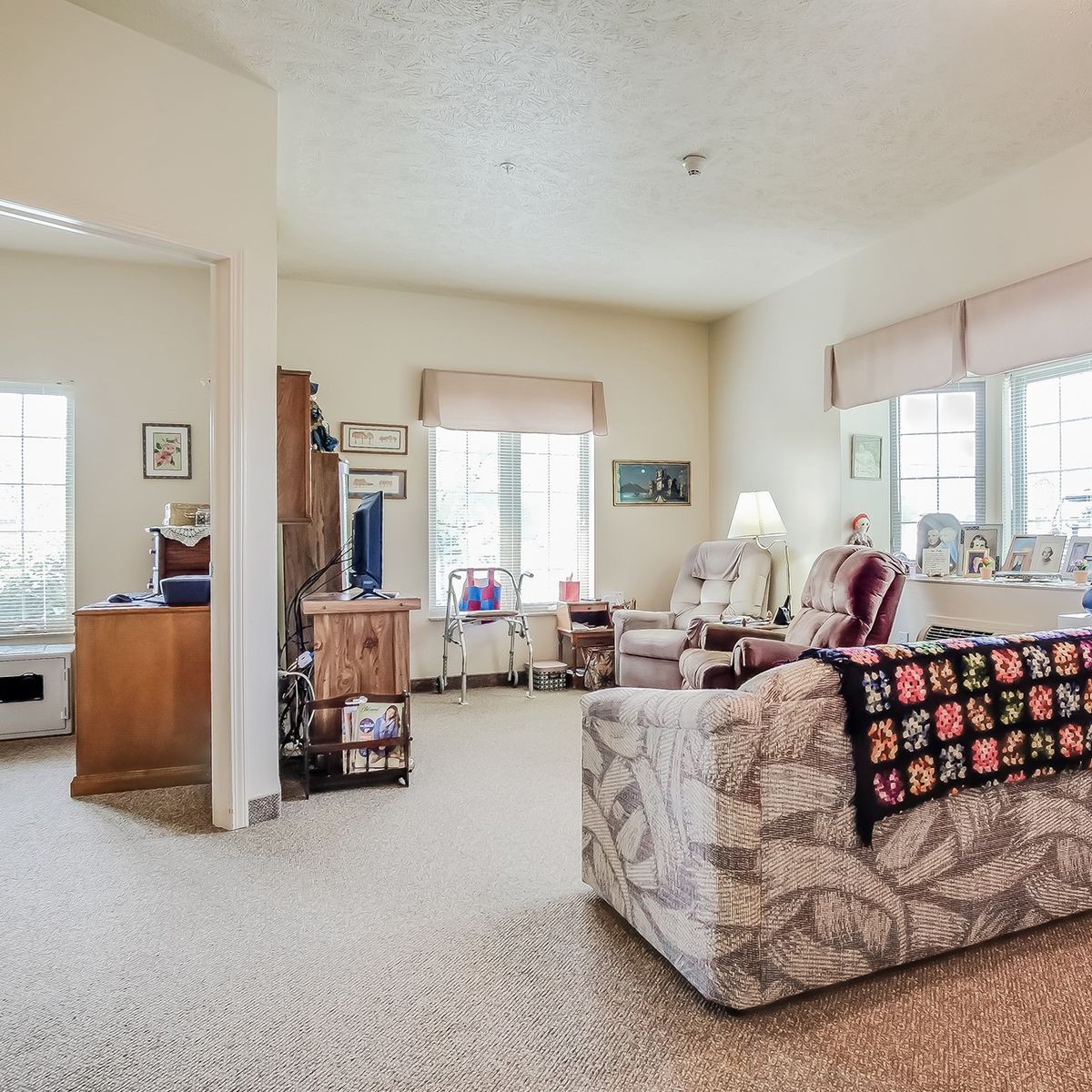
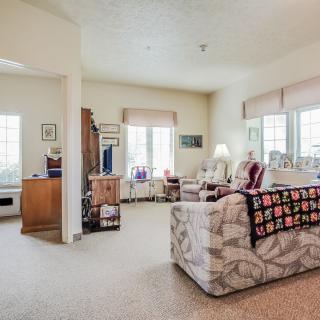
    A cozy living room featuring a patterned sofa, large windows, and warm decor.
  • Decor

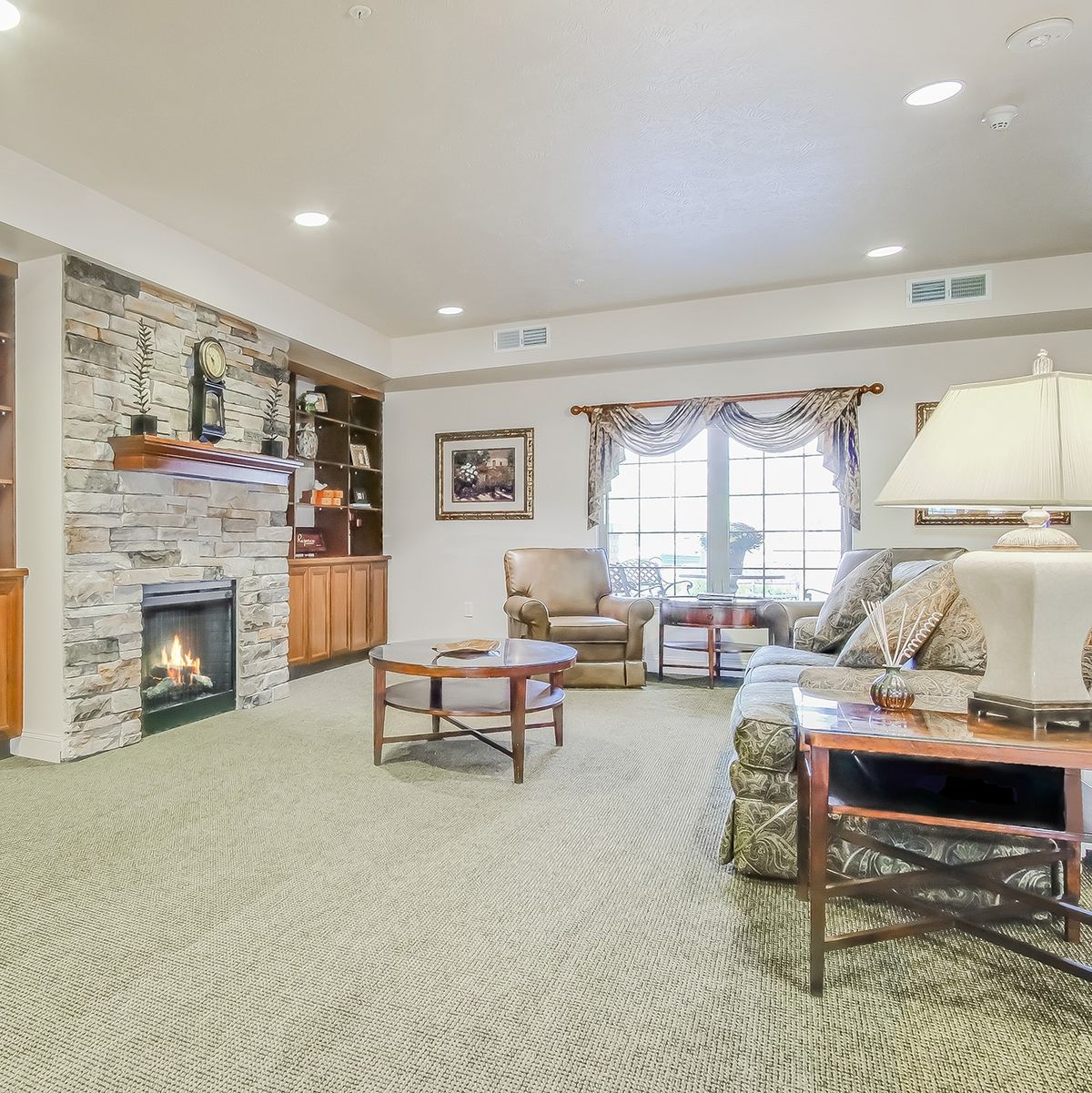
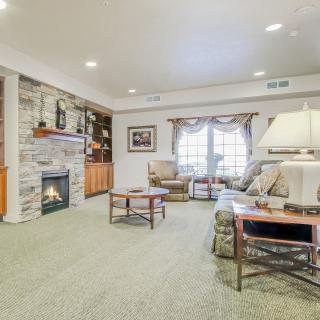
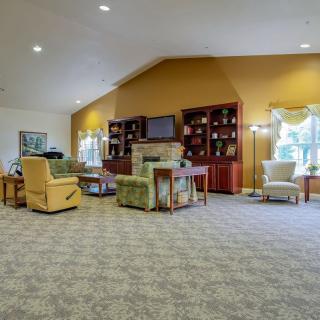
    A cozy living room with a fireplace, comfortable furniture, and large windows letting in natural light.
  • Living Room

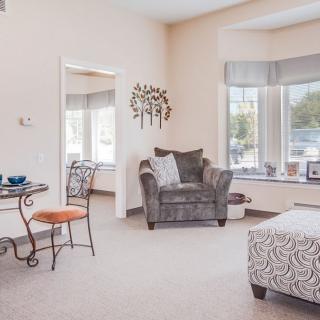
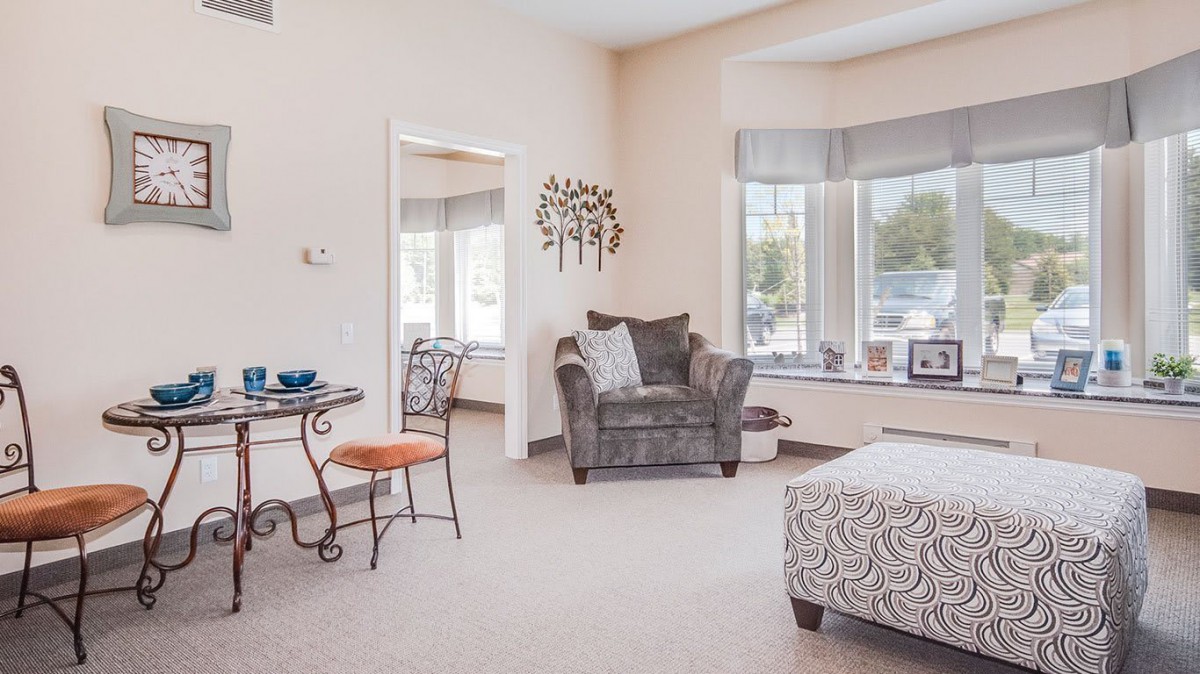
    A cozy and elegantly designed living room with an armchair, window seating, and a small dining table.
  • Architecture

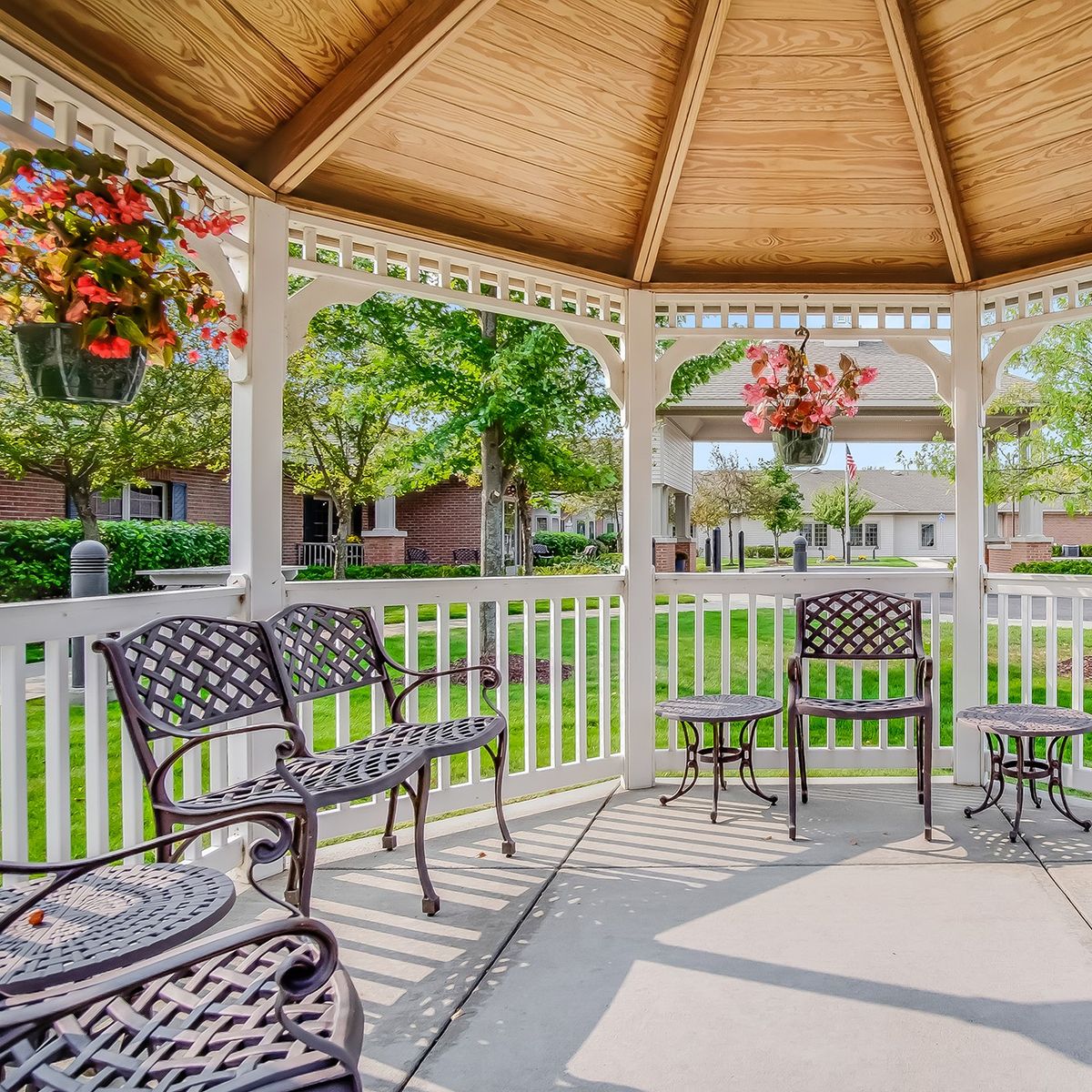
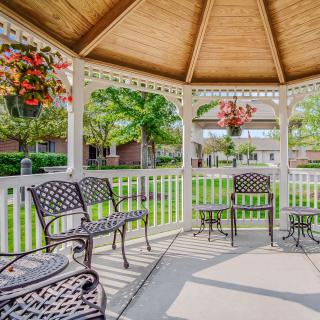
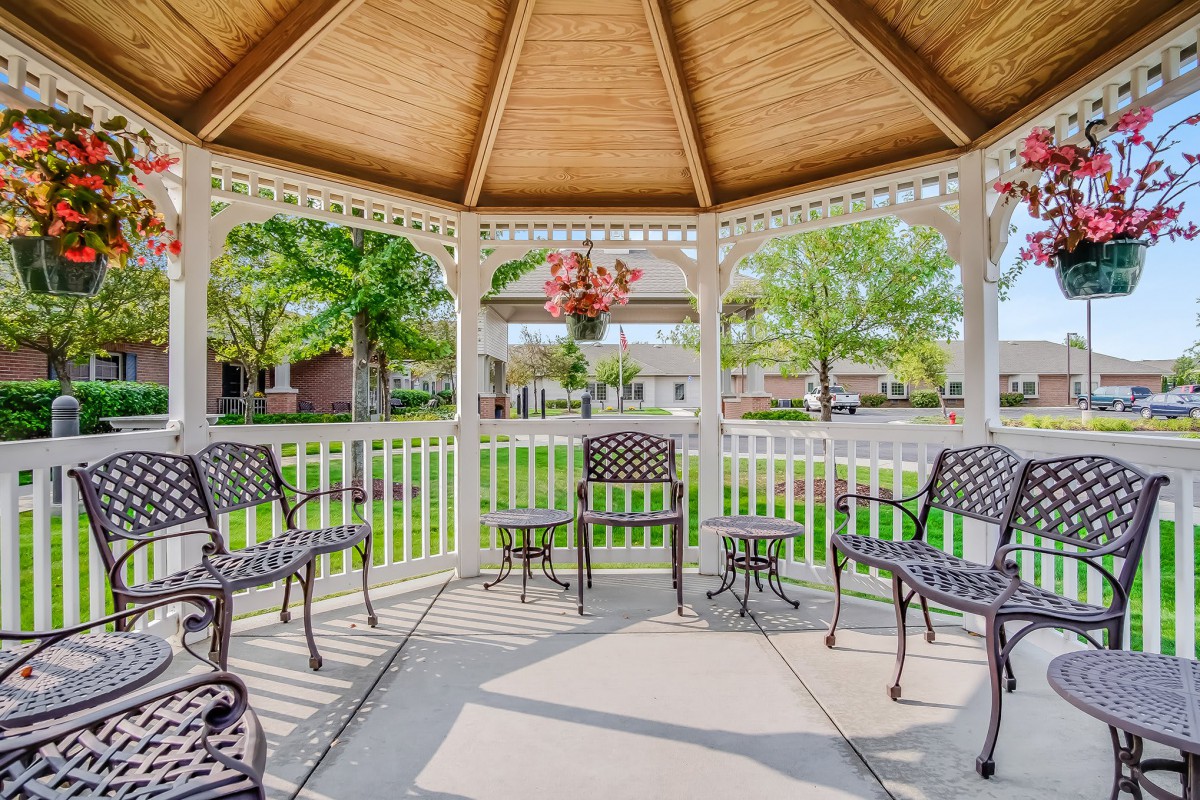
    A charming white wooden gazebo with hanging flowers, located in a serene garden setting.
  • Bedroom

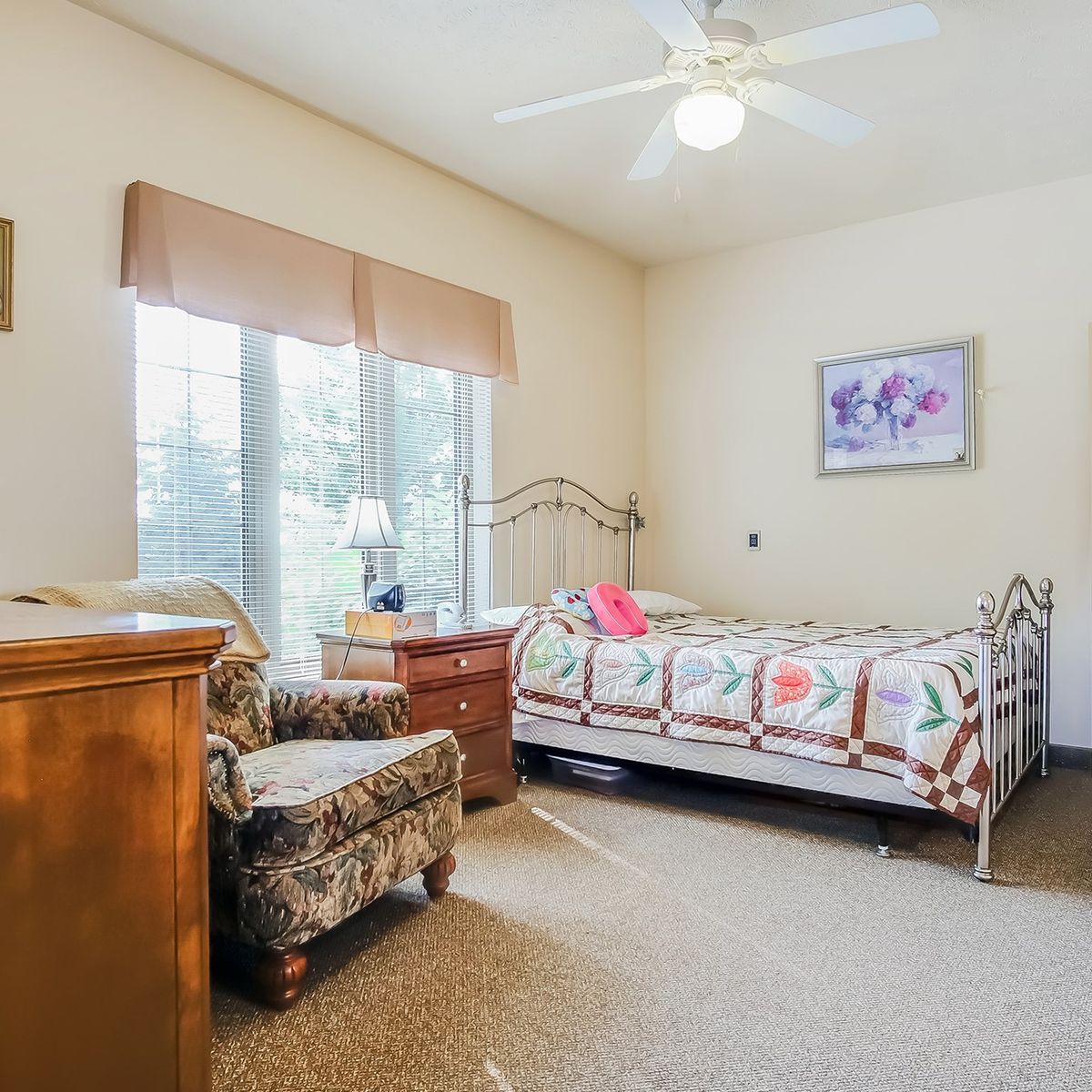
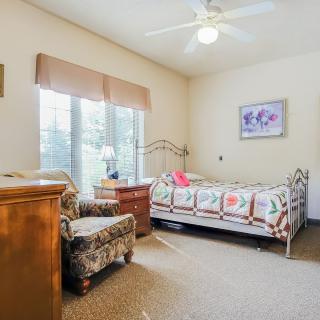
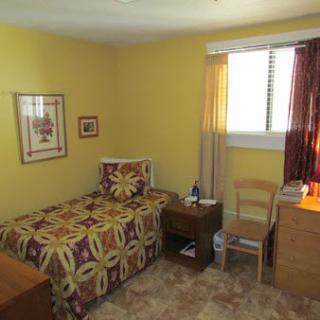
    A cozy bedroom with a daybed, armchair, and large windows letting in natural light.
  • Windows

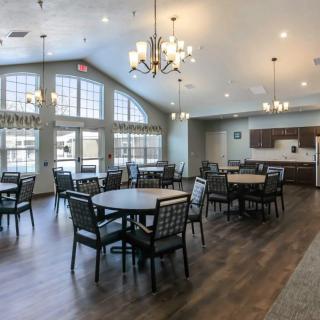
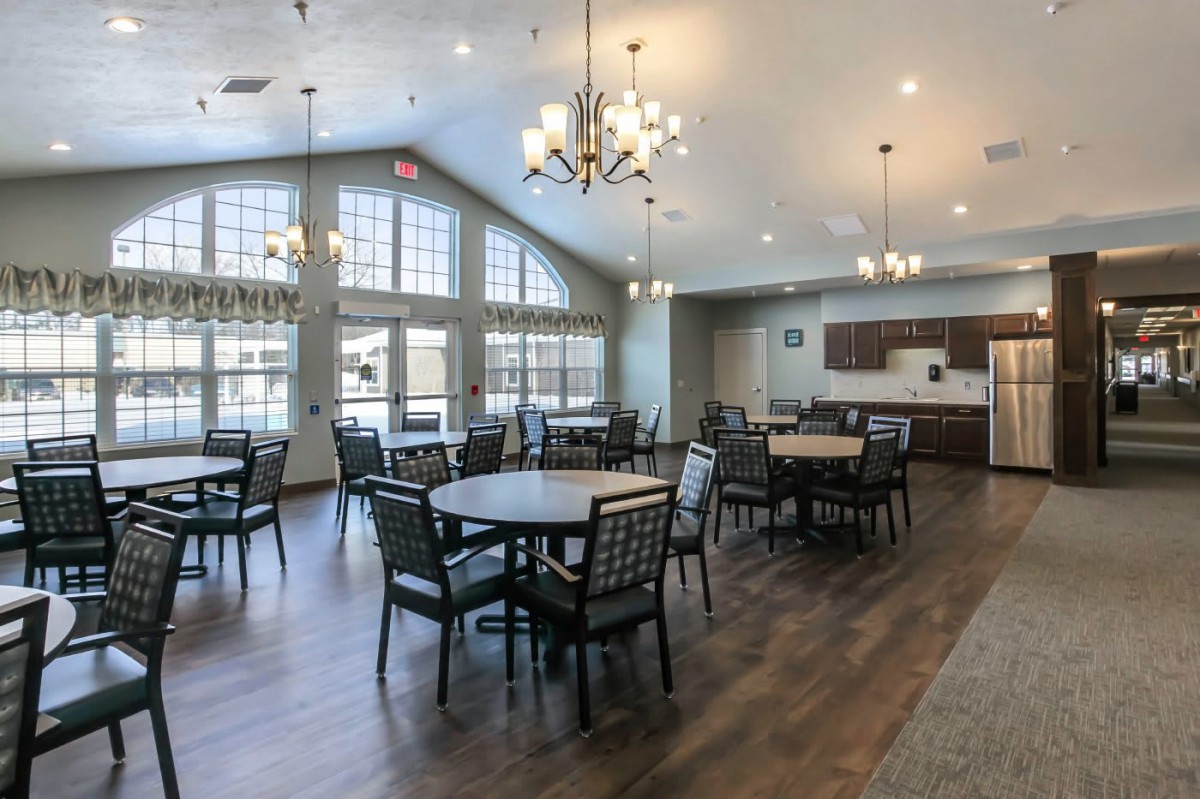
    A spacious dining room with multiple tables and chairs, featuring large windows and a chandelier.
  • Dining

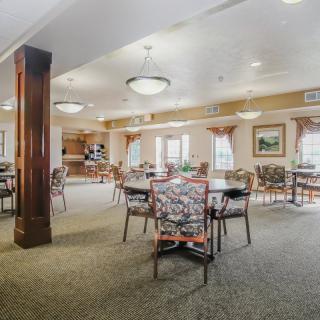
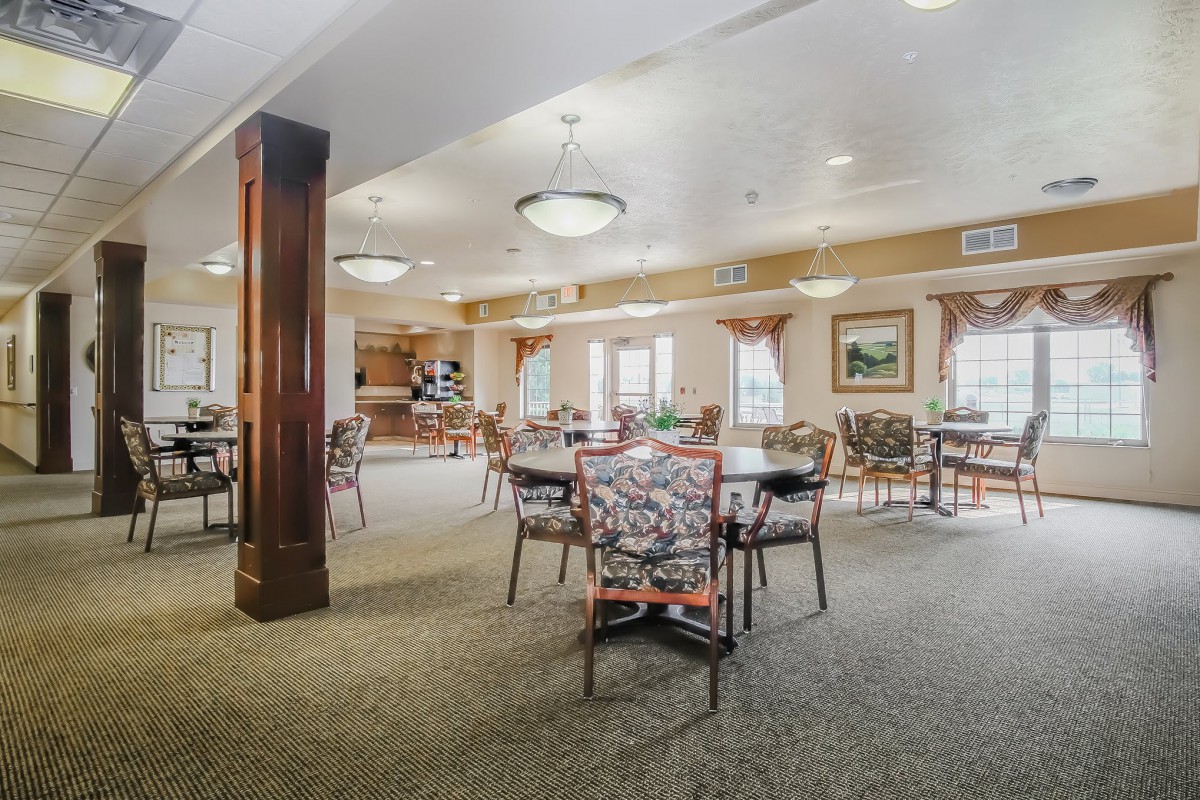
    A spacious dining area with tables, chairs, and ambient lighting.
  • Landscaping

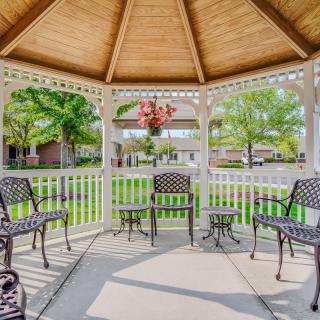
    A quaint gazebo with metal patio chairs and hanging plants on a sunny day.
  • Kitchen

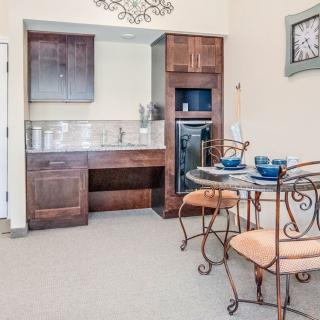
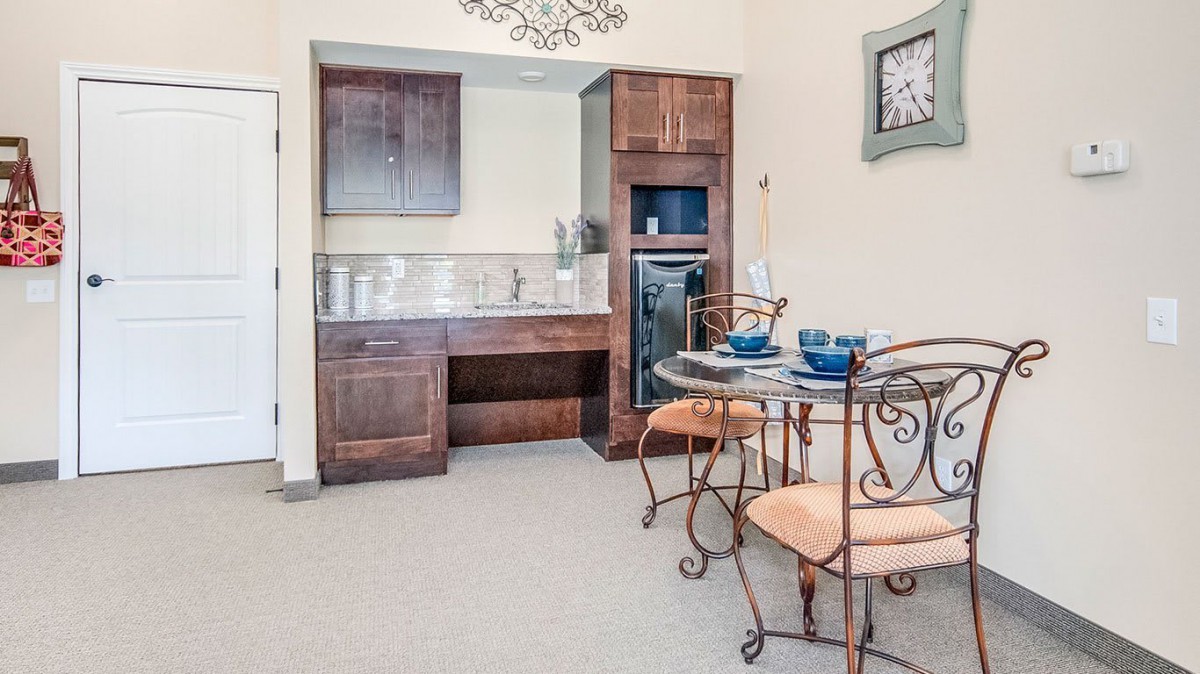
    A cozy kitchen and dining area featuring wooden cabinets and wrought iron table and chairs.
  • Garden

    A cozy gazebo with outdoor seating on a sunny day.
  • Porch

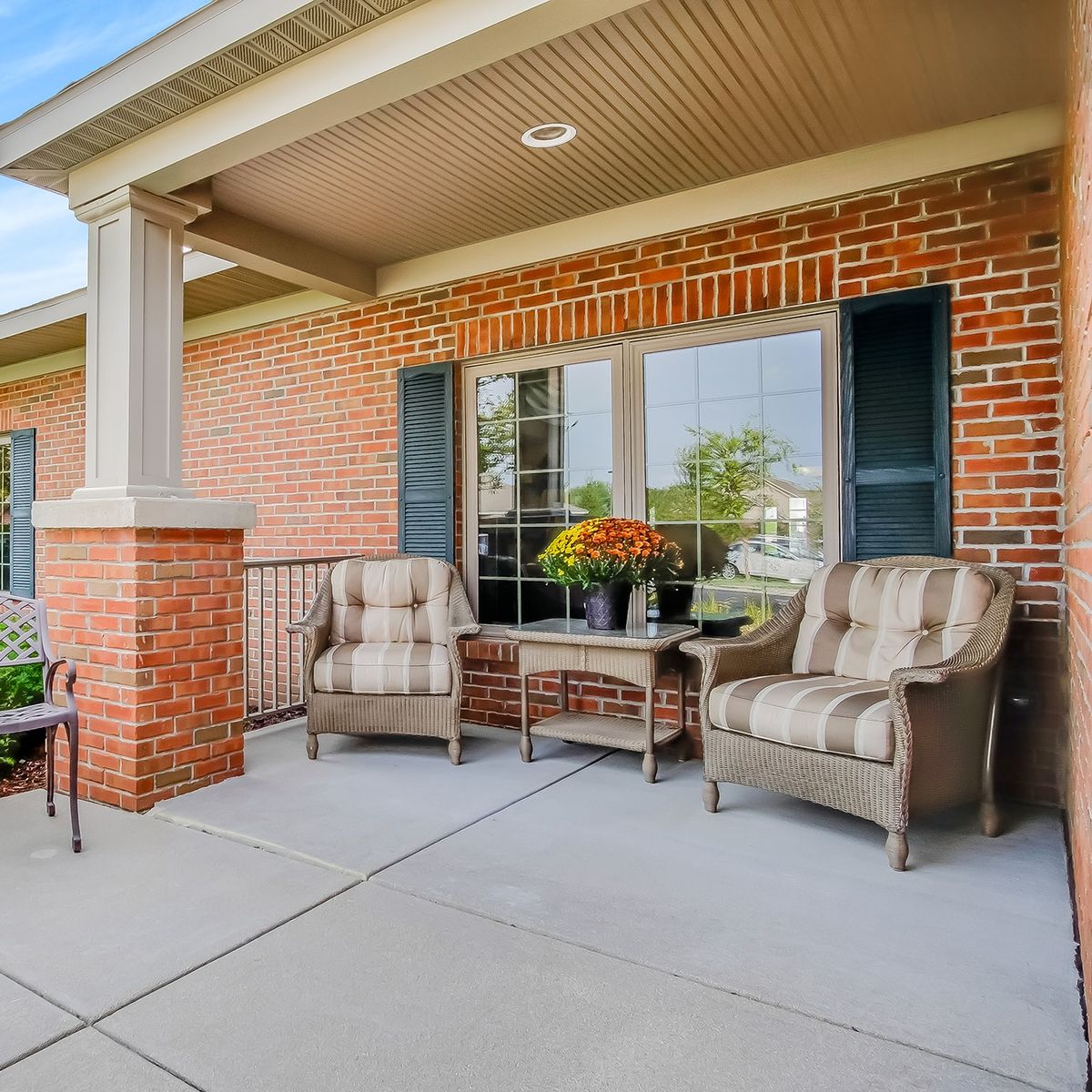
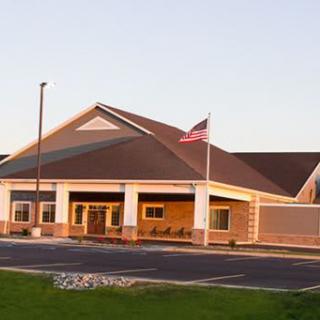
    A cozy porch with comfortable seating, decorated with flowers and set against a brick exterior.

Grace Haven Assisted Living & Memory Care

1507 Glastonbury Drive, St. Johns, MI 48879

For more information about senior living options: (844) 490-3973

4.7 from 53 reviews
5 stars
46
4 stars
3
3 stars
1
2 stars
0
1 stars
3

Assisted Living Memory Care

Grace Haven Assisted Living & Memory Care Costs & Pricing

Grace Haven Assisted Living & Memory Care offers competitive pricing for its services, particularly in comparison to local and state averages. For a studio room, residents can expect to pay $4,405 per month, which is notably higher than the Gratiot County average of $3,547 and the Michigan state average of $3,824. The cost for a one-bedroom unit at Grace Haven is $4,750, positioning it above the local county rate of $4,485 but significantly higher than the state average of $3,384. These figures reflect Grace Haven's commitment to providing high-quality care and amenities tailored to meet the needs of residents while offering a supportive and enriching environment. Despite being on the higher end of the spectrum, many families may find that the enhanced level of care justifies the investment.

Floor plansGrace Haven Assisted Living & Memory CareGratiot CountyMichigan
Studio$4,405$3,547$3,824
1 Bedroom$4,750$4,485$3,384

Overall Review of Grace Haven Assisted Living & Memory Care

Pros

  • pro Grace Haven is a wonderful place with clean apartments, good food, and numerous resident events.
  • pro The staff are great with all residents and friendly to visitors.
  • pro Residents are happy living at Grace Haven.
  • pro Grace Haven offers engaging, fun activities and memorable events.
  • pro The environment is clean, peaceful, and well kept.
  • pro Visitors are welcomed and treated as part of the Grace Haven family.
  • pro The staff are courteous, friendly, and attentive to residents' needs.
  • pro Mud Madness and similar events create joyful memories, with staff joining in enthusiastically.
  • pro Grace Haven provides a caring, heart-centered experience for residents and families.

Cons

  • pro The reviewer felt that things started well but soon deteriorated.
  • pro The reviewer reported that the father's opioid medications were missing or dispensed incorrectly.
  • pro Some opioid pills were disposed of after being found on the floor or tucked in staff pockets.
  • pro Meals often ran out of the specific items requested, resulting in substitutions.
  • pro Meals prepared by a family member were billed to the family.
  • pro Dinners were neglected on multiple occasions during the first week.
  • pro Water turned brown during monthly deep cleaning.
  • pro A resident was found soaked in urine, with poor incontinence care and soiled clothing and linens.
  • pro Billing involved overbilling and double-billing on several occasions, denied despite proof.
  • pro The emergency call button was removed because staff were too busy to accommodate its use.

Review

The collection of experiences surrounding Grace Haven presents a landscape that is at once warmly glowing and troublingly sharp. A few opening lines in the set speak of caution: beware the praises that shine too bright, for light can blind what it hides. When you read through the accounts that follow, you see a place that can feel like a bright, welcoming community to many - with clean spaces, thoughtful activities, and a staff that genuinely seems to care - yet with at least one sharply critical voice that alleges serious lapses in care and administration. Taken together, the recollections sketch a facility that can look ideal in brochures and on visits, but that also leaves some families with hard, unresolved concerns.

Several reviews center on Grace Haven as a place that brings tangible comfort and joy to residents. One family member notes their two aunts, aged 99 and 94, who are in assisted living, and describes a setting where apartments are clean, meals are good, and there is an abundance of events for residents. They commend the staff for being not only good with residents but also friendly to visitors, and they express gratitude that the town has such a facility. The sense conveyed is that the environment supports happiness and well-being, and that the overall atmosphere appears safe and well-managed, contributing to the comfort of visiting family and engagement with loved ones.

A recurring theme in several accounts is the staff's evident dedication and the facility's emphasis on community. Reviewers repeatedly mention the warmth of the welcome on entry and the staff's willingness to guide visitors, answer questions, and help them feel at home. The memory care and assisted living teams are praised for their attentiveness, with several comments highlighting how staff anticipate residents' needs and work to maintain smooth days and meaningful routines. The facility's culture of care extends to visitors as well, with families feeling included and treated like part of the Grace Haven family rather than outsiders peeking in. The enthusiasm for activities is strong: dramatic dance floors, seasonal events, photo opportunities, and specialized experiences - such as a muddy-day celebration and a homemade claw machine - are described as memorable and well-executed. One review even notes a responsive, hands-on attitude from staff who participate in events alongside residents, illustrating a genuine commitment to making experiences special.

The bi-annual events and everyday programming seem to stand out as high points for Grace Haven. A visitor recounts arriving during an elaborate event that transformed the facility into a lively party zone, with a straw-bale-draped dance floor, disco lights, and plentiful photo opportunities. The memory care section is described as equally engaging, with added activities and a sense that the team has thoughtfully designed spaces and moments to foster connection and joy. Another account emphasizes how staff plan activities with care and creativity, aiming to keep things fresh and meaningful rather than repetitive, which many families interpret as evidence of a high level of dedication. The presence of volunteers who enjoy participating in outings - like casino visits and interactions with local groups - contributes to a feeling that Grace Haven is not merely a place to live but a dynamic community with a network of support beyond staff.

Volunteer involvement and a sense of belonging also come through strongly. Several reviewers talk about how activities are not only offered but infused with heart, and how staff and volunteers work to ensure residents' needs are addressed with thoughtfulness and respect. The tone across these reflections suggests that Grace Haven can feel like a sanctuary where social engagement is actively cultivated and where residents often appear happy, connected, and cared for. For families who value bright programming, clear routines, and a welcoming atmosphere, these reviews portray Grace Haven as a place that can deliver on those expectations.

However, not all experiences align with the glowing descriptions above. One extended post details deeply troubling concerns from a family with parents who were residents in 2023?2024. According to that account, initial positives gave way to serious problems: allegations of opioid medications being mislaid or missing, and repeated suspicions that medications had been diverted rather than administered. The reviewer reports numerous meal-service failures, including substitutions for requested meals and, at times, the need for family-delivered dinners that were not reimbursed as promised. The narrative grows darker with reports of poor housekeeping, including a mother found soaked in urine, and a pattern where an emergency button - an essential safety feature for a dementia patient - was removed to allegedly "accommodate" staff workload. Billing issues are described in detail - overbilling, double-billing, and denials of refund claims despite supporting documents, especially after changes to licensing allegedly shifting responsibility. The reviewer contends that these problems coincided with a decline in both parents' health and overall well-being, ultimately leading to a conclusion that the facility did not meet advertised assurances of resident-centered care. The overall tone is one of disappointment and caution, urging others to reconsider placing loved ones at Grace Haven.

This stark, negative account contrasts sharply with the many positive experiences described elsewhere in the collection. The discrepancy invites careful scrutiny by prospective residents and their families. On the one hand, Grace Haven appears to offer a bright, well-kept environment with engaging activities, welcoming staff, and a strong sense of community. On the other hand, the serious allegations present a potential risk that families must examine through due diligence: medication administration practices, reliability of meal planning and delivery, the quality and safety of daily living (including basic sanitation and resident dignity), the handling of emergency safety systems, and the integrity of billing and licensing matters. The divergent experiences underscore the need for prospective residents and their loved ones to ask detailed questions, request documentation, and talk to multiple staff and residents before making decisions.

For families weighing Grace Haven, several practical takeaways emerge. Before choosing a placement, consider requesting current references from residents and family members, asking for a transparent overview of medication-management protocols and incident logs, and reviewing the facility's policies around safety devices like emergency call buttons and fall prevention. Inquire about meal service operations, including how substitutions are decided and how dietary restrictions are accommodated, and request to see the most recent billing statements alongside any correction histories. Schedule visits at various times to observe staff interactions, tour both the basic living spaces and the memory-care areas, and seek out conversations with activities coordinators to understand how personalized plans are developed for individual residents. If possible, seek a trial period or a phased transition plan for a loved one to assess whether the environment matches the person's needs and expectations.

In the end, Grace Haven presents a composite portrait: a facility with undeniable strengths in cleanliness, staff warmth, and rich programming that fosters community, paired with a reported case that carries serious concerns about safety, care quality, and financial integrity. The stories emphasize that the best choice hinges on proactive due diligence, candid conversations with administrators and frontline staff, and careful consideration of how the facility's culture aligns with a resident's specific needs and a family's expectations for oversight and accountability. For families looking for a place that can offer both companionship and care, Grace Haven may well be a fit, but it is essential to approach the decision with a clear, critical eye and to demand transparent, up-to-date information about every facet of care and operations.

Features

Housing

  • 20 resident community capacity 20 resident community capacity

Types of Care

  • Assisted Living Assisted LivingAssisted living facilities provide crucial support and care for seniors who may need help with daily tasks such as medication management, bathing, and meal preparation. These communities offer a safe and comfortable environment where seniors can maintain their independence while receiving the assistance they need to thrive in their golden years.
  • Memory Care Memory CareMemory care is crucial for seniors as it provides specialized support and services for individuals with dementia or Alzheimer's disease. These programs offer a safe and secure environment where residents receive personalized care, cognitive stimulation, and help with daily activities. Memory care helps seniors maintain their independence, quality of life, and dignity while also providing peace of mind for their families.

Amenities

  • Activities on-site Activities on-siteActivities on-site are important for seniors because they provide opportunities for socialization, mental stimulation, physical activity, and overall well-being. Engaging in activities can help seniors stay active, maintain their independence, and improve their quality of life.
  • Beautician on-site Beautician on-siteHaving a beautician on-site at a senior living community is important for seniors as it allows them to easily access grooming and personal care services, boosting their self-esteem and overall well-being. It also provides convenience and helps seniors maintain their sense of independence and personal style.
  • Beauty salon Beauty salonBeauty salons are important for seniors because they provide a space for them to feel pampered, socialize, and maintain their personal grooming and hygiene. Regular visits to a beauty salon can help boost seniors' self-esteem and overall well-being.
  • Cable or satellite TV Cable or satellite TVCable or satellite TV is important for seniors because it provides entertainment, news, and companionship, helping to combat loneliness and boredom. It also offers a wide range of programming options tailored to different interests and preferences.
  • Devotional services off-site Devotional services off-siteDevotional services off-site are important for seniors as they provide spiritual nourishment, social engagement, and a sense of community outside of the senior living facility. This can enhance overall well-being and help combat feelings of isolation and loneliness often experienced by older adults.
  • Dining room Dining roomDining rooms are important for seniors as they provide a space for socialization, connection, and nutritious meals. They offer opportunities for residents to bond over shared meals, foster a sense of community, and promote healthy eating habits. Dining rooms also ensure that seniors have access to well-balanced meals tailored to their dietary needs and preferences.
  • Fully furnished Fully furnishedFully furnished senior living communities are important for seniors because they provide convenience, comfort, and a hassle-free moving experience. Seniors can easily settle into their new living space without the stress of having to buy and move furniture. This allows them to focus on enjoying their new home and community.
  • Garden GardenGardens are important for seniors as they provide a peaceful and therapeutic environment for relaxation, physical activity, and socialization. Being in nature has been shown to reduce stress, improve mood, and promote overall well-being. Gardens also offer opportunities for seniors to engage in gardening activities, which can improve mobility, flexibility, and cognitive function. Additionally, gardens create a sense of community and connection with others who share a passion for plants and outdoor spaces.
  • Housekeeping services Housekeeping servicesHousekeeping services are important for seniors because they help maintain a clean and safe living environment, promote independence, and reduce the risk of accidents or illnesses. Additionally, having assistance with household chores can alleviate physical strain and allow seniors to focus on other aspects of their well-being.
  • Indoor common areas Indoor common areasIndoor common areas are crucial for seniors as they provide a space for socialization, recreation, and community engagement, promoting overall well-being and reducing feelings of isolation and loneliness.
  • Kitchenette KitchenetteKitchenettes are important for seniors living in senior living communities because they provide the convenience and independence of being able to prepare simple meals and snacks in the comfort of their own living space. This can help promote a sense of autonomy and well-being for seniors, allowing them to maintain some level of control over their dietary choices and daily routines.
  • Move-in coordination Move-in coordinationMove-in coordination is important for seniors because it helps ease the transition into their new living environment. It ensures that all logistics, such as packing, organizing movers, and setting up utilities are taken care of, allowing seniors to focus on settling in and adjusting to their new home. Having a smooth move-in process can alleviate stress and anxiety, making the transition smoother and more enjoyable for seniors.
  • Outdoor space Outdoor spaceOutdoor spaces are important for seniors as they provide opportunities for physical activity, social interaction, exposure to natural light and fresh air, and a sense of connection to nature. Having access to outdoor spaces can improve overall well-being and quality of life for older adults living in senior communities.
  • Respite or short term stays offered Respite or short term stays offeredRespite or short term stays provide seniors with a temporary solution when their regular caregiver is unavailable, offering them the opportunity to receive additional care and support during times of need, while also giving caregivers a chance to rest and recharge.
  • Swimming pool / hot tub Swimming pool / hot tubSwimming pools and hot tubs are important for seniors as they provide a safe and enjoyable way to stay active, improve mobility, reduce joint pain, and promote relaxation. Regular use of these amenities can contribute to overall well-being and quality of life for older adults living in senior communities.
  • Telephone TelephoneTelephones are important for seniors as they provide a lifeline for communication with loved ones, emergency services, and healthcare providers. They offer a sense of security and independence, enabling seniors to stay connected and access assistance when needed.
  • Wheelchair accessible showers Wheelchair accessible showersWheelchair accessible showers are crucial for seniors as they provide a safe and independent bathing option for those with mobility challenges. These showers help prevent falls and allow seniors to maintain their dignity and autonomy while ensuring they can bathe comfortably.
  • Wi-Fi/high-speed internet available Wi-Fi/high-speed internet availableWi-Fi/high-speed internet is important for seniors to stay connected with loved ones, access online resources, and participate in virtual activities to combat feelings of loneliness and isolation. It also allows them to easily manage healthcare needs, access entertainment, and engage in lifelong learning opportunities.

Transportation

  • Capital City (14 miles away) Capital City (14 miles away)

Care Services

  • 24-hour call system 24-hour call system24-hour call systems are important for seniors because they provide peace of mind and immediate assistance in case of emergencies. This technology ensures that help is always available, promoting safety and security for elderly individuals living alone or in assisted living facilities.
  • 24-hour supervision 24-hour supervision24-hour supervision is important for seniors to ensure their safety, well-being, and access to immediate assistance in case of emergencies or health issues. This constant support provides peace of mind for both seniors and their loved ones, allowing them to age in place with dignity and security.
  • Activities of daily living assistance Activities of daily living assistanceActivities of daily living assistance are important for seniors because they provide essential support with tasks such as eating, bathing, dressing, and mobility. This assistance helps seniors maintain their independence, dignity, and overall quality of life as they age.
  • Assistance with bathing Assistance with bathingAssistance with bathing is crucial for seniors as it helps maintain personal hygiene, prevents infections, and ensures their overall well-being and comfort. It also provides a sense of dignity and independence for seniors who may struggle with this task on their own.
  • Assistance with dressing Assistance with dressingAssistance with dressing is important for seniors because it helps maintain their independence, promotes personal hygiene, prevents accidents and injuries, and improves overall quality of life. This service ensures that seniors can continue to dress comfortably and confidently, despite any physical limitations they may have.
  • Assistance with transfers Assistance with transfersAssistance with transfers is crucial for seniors as it helps prevent falls and injuries, maintains their independence, and ensures they can safely navigate their living environment. It also provides peace of mind for both seniors and their loved ones.
  • Coordination with health care providers Coordination with health care providersCoordination with health care providers is crucial for seniors to ensure proper medical care, medication management, and overall well-being. This collaboration helps prevent overlapping treatments, track progress more effectively, and provide comprehensive support tailored to individual needs.
  • Dementia waiver Dementia waiverDementia waivers are essential for seniors as they provide critical protections and accommodations for those experiencing cognitive decline. These waivers ensure individuals with dementia receive appropriate care, support, and resources to maintain their quality of life and dignity as they navigate the challenges of this progressive condition.
  • Diabetes diet Diabetes dietA diabetes diet is crucial for seniors as it helps manage blood sugar levels, reduce risks of complications, and improve overall health and well-being. By following a balanced and nutritious diet tailored to their specific needs, seniors can better control their diabetes and enhance their quality of life.
  • Diabetic care Diabetic careDiabetic care is crucial for seniors as they are more susceptible to developing diabetes due to aging and other health conditions. Proper management of diabetes can help prevent complications such as heart disease, vision loss, and nerve damage, improving the overall quality of life for seniors in senior living communities.
  • Hospice waiver Hospice waiverHospice waivers are important for seniors because they allow individuals to receive specialized end-of-life care and support at home or in a hospice facility. This waiver ensures that seniors can access the necessary resources and services to maintain comfort and dignity during their final days.
  • Incontinence care Incontinence careIncontinence care is essential for seniors to maintain their dignity, hygiene, and overall quality of life. By addressing incontinence issues promptly and effectively, seniors can enjoy a sense of independence and comfort in their daily activities.
  • Meal preparation and service Meal preparation and serviceMeal preparation and service are crucial for seniors as they may have limited mobility or energy to cook nutritious meals. Having access to healthy and convenient food options can ensure they are getting the proper nutrition needed to maintain their overall health and well-being.
  • Medication management Medication managementMedication management is crucial for seniors to ensure they are taking the right medications at the correct dosages and times. This helps prevent adverse drug interactions, reduces the risk of medication errors, and promotes overall health and well-being. Proactive management also allows for adjustments as needed based on changing health conditions or new prescriptions.
  • Mental wellness program Mental wellness programMental wellness programs are essential for seniors as they promote cognitive stimulation, emotional support, and social engagement. These programs help prevent isolation, depression, and cognitive decline, ultimately enhancing the overall quality of life for older adults.
  • Mild cognitive impairment Mild cognitive impairment"Mild cognitive impairment" is important for seniors because it is an early stage of cognitive decline that can potentially progress to more severe conditions such as dementia. Recognizing and addressing mild cognitive impairment can help seniors receive appropriate care and support to maintain their quality of life and independence for as long as possible.
  • Special dietary restrictions Special dietary restrictionsSpecial dietary restrictions are important for seniors because age-related changes in metabolism and health conditions can make it difficult for their bodies to process certain foods. By following a diet tailored to their specific needs, seniors can maintain their overall health and well-being, manage chronic conditions, and reduce the risk of complications such as malnutrition or food interactions with medications.
  • Specialized memory care programming Specialized memory care programmingSpecialized memory care programming is crucial for seniors with cognitive impairments such as dementia or Alzheimer's disease. These programs provide a safe and supportive environment tailored to the unique needs of individuals with memory loss, helping them maintain their independence, dignity, and quality of life.
  • Transportation arrangement (medical) Transportation arrangement (medical)Transportation arrangements for medical purposes are essential for seniors as they may have difficulty driving themselves to appointments or accessing public transportation. Having reliable and safe transportation options ensures that seniors can receive timely medical care and maintain their health and well-being.
  • Transportation to doctors appointments Transportation to doctors appointmentsTransportation to doctors' appointments is crucial for seniors as it ensures they have access to necessary medical care and support for their health needs. Without reliable transportation, seniors may struggle to attend important appointments, leading to potential delays in treatment and health complications. Providing transportation services helps seniors maintain their overall well-being and quality of life.

Dining

  • Diabetes diet Diabetes dietA diabetes diet is crucial for seniors as it helps manage blood sugar levels, reduce risks of complications, and improve overall health and well-being. By following a balanced and nutritious diet tailored to their specific needs, seniors can better control their diabetes and enhance their quality of life.
  • Meals provided Meals provided"Meals provided" are crucial for seniors in assisted living communities as it ensures they have access to nutritious, balanced meals without the stress of meal planning and preparation. This can help promote overall health and well-being for seniors who may have limited mobility or cognitive abilities.
  • Special dietary restrictions Special dietary restrictionsSpecial dietary restrictions are important for seniors because age-related changes in metabolism and health conditions can make it difficult for their bodies to process certain foods. By following a diet tailored to their specific needs, seniors can maintain their overall health and well-being, manage chronic conditions, and reduce the risk of complications such as malnutrition or food interactions with medications.

Activities

  • Activities on-site Activities on-siteActivities on-site are important for seniors because they provide opportunities for socialization, mental stimulation, physical activity, and overall well-being. Engaging in activities can help seniors stay active, maintain their independence, and improve their quality of life.
  • Catholic services Catholic servicesCatholic services are important for seniors because they provide spiritual support, a sense of community, and opportunities for social interaction that can enhance overall well-being and quality of life in their later years.
  • Community-sponsored activities Community-sponsored activitiesCommunity-sponsored activities are important for seniors as they provide opportunities for social interaction, mental stimulation, and physical activity. These activities can help improve overall well-being, combat loneliness and isolation, and promote a sense of belonging and purpose among older adults.
  • Devotional activities offsite Devotional activities offsiteDevotional activities offsite are important for seniors because they provide social engagement, spiritual growth, and a sense of community outside of their living environment. This can improve overall well-being, mental health, and combat feelings of isolation or loneliness.
  • Resident-run activities Resident-run activitiesResident-run activities are important for seniors as they encourage social interaction, creativity, and a sense of autonomy. These activities empower seniors to stay engaged and active in their community while fostering meaningful connections with their peers.
  • Scheduled daily activities Scheduled daily activitiesScheduled daily activities are important for seniors because they provide structure, socialization, mental stimulation, and physical activity. Engaging in regular activities can improve overall well-being and quality of life for seniors living in a community setting.
  • Visiting chaplain or priest Visiting chaplain or priestHaving a visiting chaplain or priest at a senior living community is important for seniors because it provides spiritual support, comfort, and guidance during a time of life that can be challenging and uncertain. Their presence can help seniors feel connected to their faith, find peace of mind, and cope with the emotional and mental struggles they may face in their later years.

Description

Grace Haven Assisted Living & Memory Care in St. Johns, MI is a vibrant and welcoming community that specializes in providing exceptional memory care services. Our goal is to ensure the comfort and happiness of our residents while offering them the support they need.

Our community offers a range of amenities designed to enhance the lives of our residents. With an on-site beautician and beauty salon, our residents can enjoy regular pampering sessions. We provide cable or satellite TV in each room, as well as Wi-Fi/high-speed internet throughout the community to keep residents connected.

At Grace Haven, we understand the importance of spiritual wellbeing. Therefore, we offer devotional services off-site and have visiting chaplains or priests available for our residents' spiritual needs. Our communal dining room provides a pleasant atmosphere for meals where residents can connect with one another while enjoying delicious food prepared by our talented culinary team. Special dietary restrictions are fully accommodated.

Residents can socialize and relax in our indoor common areas or spend time outdoors in our beautiful garden and outdoor spaces. For those who enjoy swimming or soaking in hot tubs, we have a swimming pool and hot tub on site. Our housekeeping services ensure that each resident's living space is always neat and tidy.

We provide 24-hour supervision to ensure the safety and security of our residents at all times. Our highly skilled staff assists with activities of daily living such as bathing, dressing, transfers, and medication management. We also offer coordination with health care providers to ensure our residents receive comprehensive care.

For individuals with specific dietary requirements or medical conditions like diabetes or dementia, we offer specialized care programming tailored to their needs. We also provide mild cognitive impairment support as well as mental wellness programs to promote cognitive health.

Transportation arrangements are made for medical appointments, and we have several cafes, parks, pharmacies, restaurants, places of worship nearby for convenient access to local amenities.

Grace Haven Assisted Living & Memory Care is committed to providing a warm and nurturing environment for our residents, where they can live with dignity and respect while receiving exceptional care.

Nearby Places of Interest

This area of St. Johns, Michigan, offers a convenient and accessible location for senior living. With pharmacies like Walgreens and Rite Aid nearby, residents have easy access to medication and healthcare services. There are also a variety of dining options including fast food chains like Wendy's and Subway, as well as cafes such as Biggby Coffee. Places of worship like the Seventh Day Adventist Church provide spiritual support, while physicians at Mid Michigan Orthopedics and Sparrow Clinton Hospital Physician Services offer medical care. For recreation, seniors can enjoy the peaceful St Johns City Park or venture further to Sleepy Hollow State Park. Transportation options include U-Haul Moving & Storage for any moving needs or Capital Region International Airport for travel purposes. Overall, this part of St. Johns combines convenience with essential services for seniors looking to settle in a welcoming community with easy access to amenities.

Pharmacies

  • Walgreens (0.2 miles)
  • Good Neighbor Pharmacy (0.6 miles)
  • Rite Aid (1.1 miles)
  • Mid Michigan Relief Pharmacy (1.6 miles)
  • Harvest Pharmacy (9.1 miles)
  • Dewitt Pharmacy (10.1 miles)
  • Harvest Pharmacy (10.7 miles)

Restaurants

  • Big Boy (0.2 miles)
  • Wendy's (0.2 miles)
  • Arby's (0.3 miles)
  • McDonald's (0.3 miles)
  • Burger King (0.4 miles)
  • Taco Bell (0.4 miles)
  • Subway (0.4 miles)

Cafes

  • Biggby Coffee (0.4 miles)
  • Beaners (0.4 miles)
  • Biggby Coffee (10.9 miles)
  • Starbucks (15.6 miles)

Places of Worship

  • Saint Johns Seventh Day Adventist (0.5 miles)
  • General Conference Of Seventh-Day Adventists (0.5 miles)
  • First Church of God (2 miles)
  • Shepardsville United Methodist Church (6.3 miles)
  • Heimsoth, Jeffrey E (7.8 miles)
  • First Baptist Church of Ovid (9 miles)
  • Church of the Living Word (9.1 miles)

Physicians

  • Mid Michigan Orthopedics (0.5 miles)
  • Audiology Center of St. Johns (0.5 miles)
  • Sparrow Clinton Hospital Physician Services (0.6 miles)
  • St Johns Internal Medicine (1.3 miles)
  • Carson Cynthia - Community Mental Health (1.4 miles)
  • Clinton County Medical Center (4.1 miles)
  • Carson Health (9.7 miles)

Hospitals

  • Rivendell Psychiatric Center (0.6 miles)
  • Clinton Memorial Hospital (0.6 miles)

Parks

  • St Johns City Park (1.6 miles)
  • Francis Motz (5.3 miles)
  • Sleepy Hollow State Park (11.9 miles)
  • Granger Meadows Park (14.1 miles)

Transportation

  • Simon Brothers Incorporated (10.3 miles)
  • Capital Region International Airport (LAN) (14.8 miles)
  • U-Haul Moving & Storage (15 miles)

Theaters

  • NCG Eastwood Cinemas (15.4 miles)

Frequently Asked Questions

How much does it cost to live at Grace Haven Assisted Living & Memory Care in St. Johns, MI?
Where is Grace Haven Assisted Living & Memory Care?
Does Grace Haven Assisted Living & Memory Care provide care for residents with dementia or Alzheimer's disease?
What photos are available for Grace Haven Assisted Living & Memory Care in St. Johns, Michigan?

Nearby Communities

  • Suntree Apartments

    Suntree Apartments

    St. Johns, MI

    4.4 from 7 reviews
     

    pro Strong access to nearby healthcare, dining, and essential services.

  • Hazel I Findlay Country Manor

    Hazel I Findlay Country Manor

    Saint Johns, MI

    3.9 from 29 reviews
     

    pro Attentive staff with varied activities and on-site rehabilitation.

  • Clinton Commons

    Clinton Commons

    St. Johns, MI

    5 from 5 reviews
     

    pro Clean, spacious apartments with friendly residents and a pleasant outdoor walking area.

  • The Maples of St John

    The Maples of St John

    St. John's, MI

    5 from 10 reviews
    $4,400 / month

    pro Friendly, attentive staff in a clean, home-like setting with active ownership.

  • Laura Jean Care Home

    Laura Jean Care Home

    Saint Johns, MI

    4.6 from 36 reviews
    $2,400 to $3,400 / month

    pro Compassionate, attentive staff in a peaceful country setting with flexible visiting.

  • Point North Apartments

    Point North Apartments

    St. Johns, MI

    1.3 from 3 reviews
     

    pro Clean, well-maintained unit at move-in

  • Divine Life Assisted Living Center #1

    Divine Life Assisted Living Center #1

    Dewitt, MI

    3.9 from 10 reviews
    $3,000 to $3,500 / month

    pro Caring, professional staff and welcoming community.

  • Independence Village Of East Lansing

    Independence Village Of East Lansing

    East Lansing, MI

    4.6 from 161 reviews
    $2,640 to $4,200 / month

    pro Friendly staff, welcoming community, and engaging activities.

  • Provision Living at East Lansing

    Provision Living at East Lansing

    East Lansing, MI

    4.5 from 58 reviews
    $4,000 to $5,750 / month

    pro Clean, airy, and welcoming environment with friendly staff, active resident engagement, and restaurant-style dining.

Related Resources

  • best foods for dementia patients to eatNourishing the Mind: Essential Dietary Approaches for Dementia

    Dementia is characterized by cognitive decline, with nutrition playing a vital role in brain health; while no specific diet can prevent or reverse it, a nutrient-dense diet rich in antioxidants and healthy fats may support cognitive function. The MIND diet, which emphasizes beneficial foods and limits processed items, along with proper hydration and individualized meal strategies, can enhance the well-being of dementia patients.

  • dementia behaviorsUnderstanding Dementia Behaviors: Practical Insights and Strategies for Caregivers

    Dementia affects memory and cognitive function in older adults, presenting challenges for caregivers due to behavioral changes such as confusion and mood swings. Compassionate, person-centered care that considers individual history and preferences, along with effective communication and environmental modifications, is essential for supporting both patients and their caregivers.

  • dementia and angerWhen Dementia Sparks Anger and Aggression: Understanding the Connection and Ways to Cope
    Dementia leads to cognitive impairment and can cause emotional and behavioral changes, including aggression that arises from frustration, confusion, or fear. Effective coping strategies for caregivers include understanding dementia's nature, recognizing triggers, using empathetic communication, and employing non-pharmacological interventions like music and art therapy.