
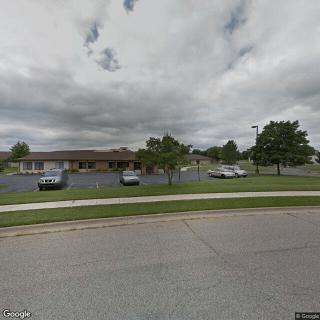
400 Jeffery St, Cedar Springs, MI 49319
To contact a resident: (616) 696-0170
For more information about senior living options: (866) 208-4318
Overall Review of Metron of Cedar Springs
Pros
 The staff are friendly and work well as a team, going above and beyond to care for residents.
- The nursing home provides great care, and the staff truly cares about the residents.
- The staff delivered amazing care and were friendly and caring with patients and visitors, making it feel like a family.
- The facility has a long history of quality care, and its leadership and staff are carrying on that tradition in a welcoming, caring environment.
- It is a clean facility with excellent staff to provide care for families.
- The building was very clean, and the employees were professional and accommodating, earning strong recommendations.
Cons
 Jen, the head of the facility, was not professional and did not take responsibility for her staff's actions.
- The reviewer was berated for not reminding her of appointments.
- The physical therapy department was not satisfactory.
- The patient had no goals.
- The reviewer had difficulty learning a procedure.
- The staff would not change their learning style and showed obvious frustration.
Review
Metron of Cedar Springs is best suited for seniors who need skilled nursing care or rehabilitation in a warm, resident-centered environment where staff are consistently attentive and the culture feels like family. The community rewards families that value daily compassion, open lines of communication, and a clean, orderly campus. It is especially appropriate for those who want to see care delivered through cohesive teamwork and a long-standing heritage of quality, with staff who take the time to understand each resident’s history and needs. This is not a showroom of polished slogans; it is a practical setting where real warmth from frontline caregivers translates into reliable day-to-day care. That said, the model may not fit everyone. Families seeking a highly centralized leadership style, ultra-rigid goal-setting, or uniformly flawless experiences across all departments should consider alternatives and ask pointed questions about expectations before choosing.
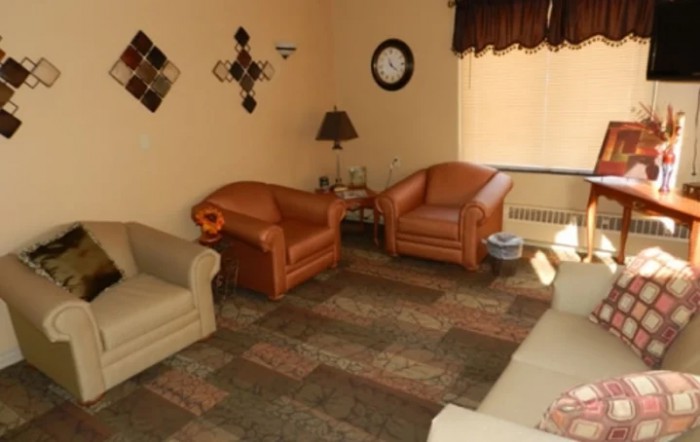
The strongest positives center on the staff and the culture of care. Reviewers repeatedly highlight friendly, collaborative teams that “go above and beyond” to support residents. The care feels personal, and conversations with families are framed around understanding the patient’s journey and coordinating with caregivers to align on next steps. Numerous accounts emphasize that care comes with genuine concern, and administrative staff are described as being responsive to family needs, not just clinical requirements. The environment is consistently described as welcoming and like a family atmosphere, with many noting that the building itself is clean and well-maintained. In short, the daily experience tends to honor the core promise of compassionate, hands-on care backed by a long-running tradition of quality.
Yet there is at least one clearly critical voice regarding leadership and specific clinical programs. The negative review singles out the facility’s head as unprofessional and unaccountable for staff actions, and cites a tense, frustrating dynamic with the physical therapy team, where patients’ goals were not clearly set and communication style collided with family learning preferences. Taken together with the positive testimonials, this points to a pattern: while the bedside care and overall ambiance are strong, leadership consistency and the ability to translate care plans into well-communicated, goal-oriented therapy can be uneven. This means prospective families should not assume that administrative responsiveness or all departmental services operate with the same clarity or cadence they may want; they should verify the degree of proactive engagement they require from leadership and PT.
The key pros, the caring staff, teamwork, and a long-standing record of quality care, tend to offset most of the everyday concerns for families prioritizing lived experience over formal policy alignment. A strong, family-like culture and a history of stable caregiving can deliver peace of mind in daily routines, end-of-life conversations, or long-term placement decisions. The consistency of clean facilities and professional, accommodating front-line staff further reinforces trust that residents will be treated with respect and kindness. When families observe how care is coordinated with them during a loved one’s journey, the positives can overshadow isolated leadership friction, particularly for residents who respond well to a warm, steady rhythm of care and easy access to caregivers.
That offset, however, depends on what families value most. If a perfectly uniform experience across all departments is non-negotiable, or if PT goals, therapy progress, and administrative accountability are non-negotiable indicators of quality, then these reviews warrant careful scrutiny. The facility’s allure rests on people-first care and a sense of community; it is not advertised as a fortress of clinical perfection or an unbroken chain of flawless administrative execution. Families who want rigorous, performance-driven leadership and transparent, consistently executed therapy plans would do well to push for concrete demonstrations, an explicit care plan with measurable PT goals, a clear pathway of communication from the administrator, and a commitment to addressing concerns promptly.
For families weighing options, the prudent move is to engage directly with leadership before move-in decisions. Schedule a candid meeting with the administrator to discuss care planning, appointment coordination, and how family input is integrated into daily routines. Request an up-to-date sample of a resident care plan and a PT goal outline, and ask to meet the physical therapy team to gauge goal-setting discipline and communication styles. Visit during a typical day to observe interactions between staff and residents, and to hear how complaints or questions are handled. If a resident’s well-being depends on immediacy of responsiveness and a transparent, goal-driven therapy program, use these observations to calibrate expectations. For families prioritizing warmth, continuity, and a genuinely supportive culture, Metron of Cedar Springs offers a compelling, practical option, one that delivers much of what matters in daily life, while inviting proactive checks to ensure leadership and therapy services align with the family’s standards.
 77 resident community capacity
 Skilled Nursing Facility
 Air-conditioning
 Beauty salon
 Cable or satellite TV
 Computer center
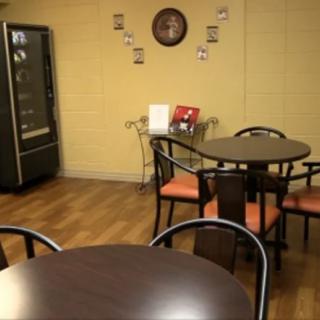
 Dining room
 Fitness room
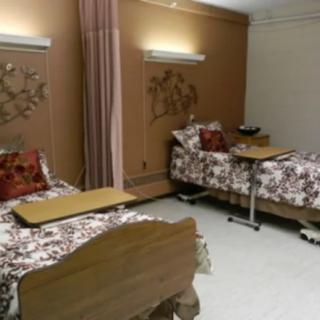
 Fully furnished
 Gaming room
 Garden
 Housekeeping services
 Kitchenette
 Move-in coordination
 Outdoor space
 Private bathrooms
 Restaurant-style dining
 Small library
 Telephone
 Wellness center
 Wi-Fi/high-speed internet available
 Kent County International (23 miles away)
 Community operated transportation
 12-16 hour nursing
 24-hour call system
 Activities of daily living assistance
 Assistance with bathing
 Assistance with dressing
 Assistance with transfers
 Diabetes diet
 Medication management
 Mental wellness program
 Special dietary restrictions
 Concierge services
 Planned day trips




 Exploring Palliative Care in the Home: A Comprehensive Overview
 Comprehensive Insights into Palliative Home Care: What It Is and What to Expect
 Skilled Nursing Facilities vs. Nursing Homes: Making Sense of the Differences