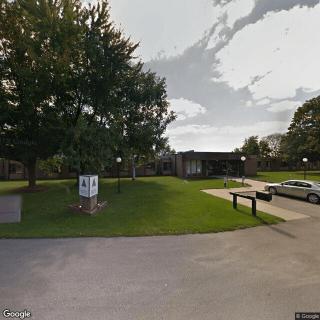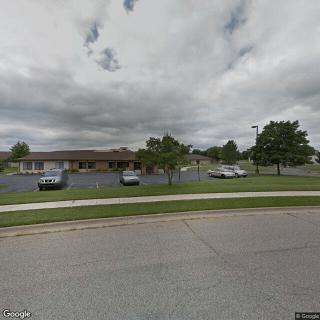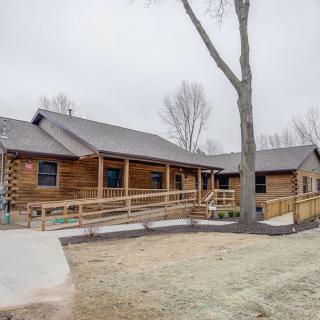
Green Acres Of Cedar Springs

Save
Green Acres Of Cedar Springs

Green Acres Of Cedar Springs

Information last verified:

420 Main Street, Cedar Springs, MI 49319

For more information about senior living options: (844) 490-3973

4.6 from 11 reviews
5 stars
10
4 stars
0
3 stars
0
2 stars
0
1 stars
1

Overall Review of Green Acres Of Cedar Springs

Pros

  • pro The unit was nice, clean, and homey, with a private bath and kitchenette.
  • pro The surroundings had a comfortable at-home feel.
  • pro The staff were very helpful and caring.
  • pro The administrator overseeing the caregivers was extremely helpful and easy to work with.
  • pro The family would recommend Green Acres of Cedar Springs.
  • pro They were absolutely amazing in her final days, caring for mom and for the family.
  • pro The facility is clean and well kept.
  • pro Green Acres is a very big improvement from their last facility.
  • pro The staff are responsive and visit the resident several times a day.
  • pro The daily activities and care are excellent, with a healthy, appetizing, and generous menu.

Cons

  • pro The staff are untrained and unqualified to provide end-of-life care.
  • pro There were many problems in her care, including staff hazing, falsified incident reports, and retaliation against the staff who reported issues.
  • pro The DCWs refused to take her to breakfast on time and did not feed her the scheduled meals.
  • pro The DCWs did not follow state guidelines for care checks and med passes, and the facility has been cited for these issues in the past.
  • pro Management minimized families’ concerns, promised change, but never followed up and ignored them.
  • pro The facility left residents unattended for hours and failed to provide proper care, effectively becoming a landlord rather than a care provider.

Review

Green Acres of Cedar Springs is best suited for families seeking a warm, home-like assisted living experience with a faith-informed culture and a strong emphasis on daily, hands-on caregiving. The community leans into a private, comfortable one-bedroom layout with private baths and a kitchenette, delivering a homier feel rather than a glitzy, resort-like atmosphere. For residents who value consistent, approachable staff, regular contact, and a place that prioritizes familiar routines, Green Acres can feel like a reassuring, low-stress option. The combination of a clean, well-kept environment and a menu of daily activities contributes to a sense of belonging and stability. In short, this is a practical home for someone who wants reliable daily attention from caregivers in a setting that feels like a welcoming small community rather than a hospital-like campus.

The strongest, most repeated positives here center on staff accessibility and the everyday care experience. Families frequently note that the caregivers are caring and attentive, with leadership that is approachable and responsive to concerns. The administrator or supervisor overseeing daily caregiving is described as cooperative, easy to work with, and capable of moving issues forward in a timely way. Residents reportedly benefit from the routine of multiple daily checks, meaningful activities, and the reassurance that staff see them regularly. The cleanliness and upkeep of the facility, combined with a homey atmosphere in which residents can settle, contribute to an emotionally comforting environment. When care goals align with the facility’s strengths, hands-on staff, personal attention, and a supportive daily rhythm, the experience can be genuinely satisfying for families.

However, the most consequential caveats deserve careful weighting. A prominent, highly specific critique centers on memory-care capacity and overall clinical leadership. One family described their grandmother’s memory-care needs as being poorly predicted and poorly managed, with claims of undertrained direct care workers, insufficient training oversight, and a leadership approach that failed to implement consistent, accountable protocols. Allegations included problems with incident reporting, inconsistencies in following care checks and med passes, and a perception that serious concerns were minimized rather than addressed. This account also casts doubt on the effectiveness of the Medical Director’s training strategy and on the facility’s ability to respond promptly to evolving dementia care needs. While other families report positive daily life and genuine care, these concerns signal a real risk that must be weighed carefully.

Taken as a whole, the pros can offset some risks for residents with moderate care needs and strong family involvement, but they do not erase the most serious gaps called out in the memory-care experience. A clean, homey environment, ready accessibility of staff, and daily social and activity engagement can deliver meaningful quality of life for many residents. When the care needs stay within what on-site teams are currently equipped to manage, families often praise the responsive, reassuring atmosphere and the comfort that comes from knowing care is happening every day. Yet for residents with advanced memory impairment, or for families requiring meticulous, nurse-led oversight with robust incident-management practices, those strengths may not fully compensate for the concerns raised about training consistency, supervisory discipline, and the potential for gaps in oversight during critical moments.

For families actively evaluating Green Acres, a disciplined due-diligence plan is essential. First, request a clear, written care plan for the specific resident, detailing memory-care protocols, med-pass procedures, and escalation steps when problems arise. Seek a direct conversation with the person who would manage the memory-care program today, and verify the qualifications, hours, and on-site availability of a registered nurse or medical director. Ask for recent state survey results and a candid explanation of any past citations, plus concrete examples of how staff training is scheduled, tracked, and evaluated. Schedule unannounced visits during meal times and daily activity periods to observe staff-resident interactions, timeliness of responses, and the consistency of care. Speak with multiple families about recent experiences, and ask for references from residents with similar needs as the prospective loved one.

The bottom-line recommendation is practical and targeted. Green Acres of Cedar Springs can be an excellent fit for families prioritizing a friendly, home-like setting with daily caregiver engagement, a Christian-oriented community, and a reliably clean environment. It can deliver a high-quality daily living experience for seniors with moderate support needs who benefit from close staff relationships and predictable routines. However, for families whose loved ones require highly specialized memory-care management, aggressive clinical leadership, and rigorous incident oversight, alternatives deserve serious consideration. Other local options may offer more extensive nurse-led oversight, formal dementia-care protocols, and stronger governance around training and accountability. If value is found in a small, compassionate community that feels like home, Green Acres is worth a thorough, careful look, but with eyes open to the memory-care caveats and a clear plan for ongoing quality assurance.

Features

Housing

  • 20 resident community capacity 20 resident community capacity

Types of Care

  • Assisted Living Assisted LivingAssisted living facilities provide crucial support and care for seniors who may need help with daily tasks such as medication management, bathing, and meal preparation. These communities offer a safe and comfortable environment where seniors can maintain their independence while receiving the assistance they need to thrive in their golden years.

Amenities

  • Activities on-site Activities on-siteActivities on-site are important for seniors because they provide opportunities for socialization, mental stimulation, physical activity, and overall well-being. Engaging in activities can help seniors stay active, maintain their independence, and improve their quality of life.
  • Beauty salon Beauty salonBeauty salons are important for seniors because they provide a space for them to feel pampered, socialize, and maintain their personal grooming and hygiene. Regular visits to a beauty salon can help boost seniors' self-esteem and overall well-being.
  • Cable or satellite TV Cable or satellite TVCable or satellite TV is important for seniors because it provides entertainment, news, and companionship, helping to combat loneliness and boredom. It also offers a wide range of programming options tailored to different interests and preferences.
  • Devotional services off-site Devotional services off-siteDevotional services off-site are important for seniors as they provide spiritual nourishment, social engagement, and a sense of community outside of the senior living facility. This can enhance overall well-being and help combat feelings of isolation and loneliness often experienced by older adults.
  • Dining room Dining roomDining rooms are important for seniors as they provide a space for socialization, connection, and nutritious meals. They offer opportunities for residents to bond over shared meals, foster a sense of community, and promote healthy eating habits. Dining rooms also ensure that seniors have access to well-balanced meals tailored to their dietary needs and preferences.
  • Fully furnished Fully furnishedFully furnished senior living communities are important for seniors because they provide convenience, comfort, and a hassle-free moving experience. Seniors can easily settle into their new living space without the stress of having to buy and move furniture. This allows them to focus on enjoying their new home and community.
  • Garden GardenGardens are important for seniors as they provide a peaceful and therapeutic environment for relaxation, physical activity, and socialization. Being in nature has been shown to reduce stress, improve mood, and promote overall well-being. Gardens also offer opportunities for seniors to engage in gardening activities, which can improve mobility, flexibility, and cognitive function. Additionally, gardens create a sense of community and connection with others who share a passion for plants and outdoor spaces.
  • Housekeeping services Housekeeping servicesHousekeeping services are important for seniors because they help maintain a clean and safe living environment, promote independence, and reduce the risk of accidents or illnesses. Additionally, having assistance with household chores can alleviate physical strain and allow seniors to focus on other aspects of their well-being.
  • Indoor common areas Indoor common areasIndoor common areas are crucial for seniors as they provide a space for socialization, recreation, and community engagement, promoting overall well-being and reducing feelings of isolation and loneliness.
  • Kitchenette KitchenetteKitchenettes are important for seniors living in senior living communities because they provide the convenience and independence of being able to prepare simple meals and snacks in the comfort of their own living space. This can help promote a sense of autonomy and well-being for seniors, allowing them to maintain some level of control over their dietary choices and daily routines.
  • Move-in coordination Move-in coordinationMove-in coordination is important for seniors because it helps ease the transition into their new living environment. It ensures that all logistics, such as packing, organizing movers, and setting up utilities are taken care of, allowing seniors to focus on settling in and adjusting to their new home. Having a smooth move-in process can alleviate stress and anxiety, making the transition smoother and more enjoyable for seniors.
  • Outdoor space Outdoor spaceOutdoor spaces are important for seniors as they provide opportunities for physical activity, social interaction, exposure to natural light and fresh air, and a sense of connection to nature. Having access to outdoor spaces can improve overall well-being and quality of life for older adults living in senior communities.
  • Telephone TelephoneTelephones are important for seniors as they provide a lifeline for communication with loved ones, emergency services, and healthcare providers. They offer a sense of security and independence, enabling seniors to stay connected and access assistance when needed.
  • Wi-Fi/high-speed internet available Wi-Fi/high-speed internet availableWi-Fi/high-speed internet is important for seniors to stay connected with loved ones, access online resources, and participate in virtual activities to combat feelings of loneliness and isolation. It also allows them to easily manage healthcare needs, access entertainment, and engage in lifelong learning opportunities.

Transportation

  • Kent County International (23 miles away) Kent County International (23 miles away)

Care Services

  • 24-hour call system 24-hour call system24-hour call systems are important for seniors because they provide peace of mind and immediate assistance in case of emergencies. This technology ensures that help is always available, promoting safety and security for elderly individuals living alone or in assisted living facilities.
  • 24-hour supervision 24-hour supervision24-hour supervision is important for seniors to ensure their safety, well-being, and access to immediate assistance in case of emergencies or health issues. This constant support provides peace of mind for both seniors and their loved ones, allowing them to age in place with dignity and security.
  • Activities of daily living assistance Activities of daily living assistanceActivities of daily living assistance are important for seniors because they provide essential support with tasks such as eating, bathing, dressing, and mobility. This assistance helps seniors maintain their independence, dignity, and overall quality of life as they age.
  • Ambulatory care Ambulatory care"Ambulatory care services provide essential medical support and treatment to seniors without requiring hospitalization, allowing them to maintain their independence and quality of life while managing chronic conditions or receiving routine medical care."
  • Assistance with bathing Assistance with bathingAssistance with bathing is crucial for seniors as it helps maintain personal hygiene, prevents infections, and ensures their overall well-being and comfort. It also provides a sense of dignity and independence for seniors who may struggle with this task on their own.
  • Assistance with dressing Assistance with dressingAssistance with dressing is important for seniors because it helps maintain their independence, promotes personal hygiene, prevents accidents and injuries, and improves overall quality of life. This service ensures that seniors can continue to dress comfortably and confidently, despite any physical limitations they may have.
  • Assistance with transfers Assistance with transfersAssistance with transfers is crucial for seniors as it helps prevent falls and injuries, maintains their independence, and ensures they can safely navigate their living environment. It also provides peace of mind for both seniors and their loved ones.
  • Coordination with health care providers Coordination with health care providersCoordination with health care providers is crucial for seniors to ensure proper medical care, medication management, and overall well-being. This collaboration helps prevent overlapping treatments, track progress more effectively, and provide comprehensive support tailored to individual needs.
  • Diabetes diet Diabetes dietA diabetes diet is crucial for seniors as it helps manage blood sugar levels, reduce risks of complications, and improve overall health and well-being. By following a balanced and nutritious diet tailored to their specific needs, seniors can better control their diabetes and enhance their quality of life.
  • Diabetic care Diabetic careDiabetic care is crucial for seniors as they are more susceptible to developing diabetes due to aging and other health conditions. Proper management of diabetes can help prevent complications such as heart disease, vision loss, and nerve damage, improving the overall quality of life for seniors in senior living communities.
  • Meal preparation and service Meal preparation and serviceMeal preparation and service are crucial for seniors as they may have limited mobility or energy to cook nutritious meals. Having access to healthy and convenient food options can ensure they are getting the proper nutrition needed to maintain their overall health and well-being.
  • Medication management Medication managementMedication management is crucial for seniors to ensure they are taking the right medications at the correct dosages and times. This helps prevent adverse drug interactions, reduces the risk of medication errors, and promotes overall health and well-being. Proactive management also allows for adjustments as needed based on changing health conditions or new prescriptions.
  • Mental wellness program Mental wellness programMental wellness programs are essential for seniors as they promote cognitive stimulation, emotional support, and social engagement. These programs help prevent isolation, depression, and cognitive decline, ultimately enhancing the overall quality of life for older adults.
  • Special dietary restrictions Special dietary restrictionsSpecial dietary restrictions are important for seniors because age-related changes in metabolism and health conditions can make it difficult for their bodies to process certain foods. By following a diet tailored to their specific needs, seniors can maintain their overall health and well-being, manage chronic conditions, and reduce the risk of complications such as malnutrition or food interactions with medications.
  • Transportation arrangement (medical) Transportation arrangement (medical)Transportation arrangements for medical purposes are essential for seniors as they may have difficulty driving themselves to appointments or accessing public transportation. Having reliable and safe transportation options ensures that seniors can receive timely medical care and maintain their health and well-being.
  • Transportation to doctors appointments Transportation to doctors appointmentsTransportation to doctors' appointments is crucial for seniors as it ensures they have access to necessary medical care and support for their health needs. Without reliable transportation, seniors may struggle to attend important appointments, leading to potential delays in treatment and health complications. Providing transportation services helps seniors maintain their overall well-being and quality of life.

Dining

  • Diabetes diet Diabetes dietA diabetes diet is crucial for seniors as it helps manage blood sugar levels, reduce risks of complications, and improve overall health and well-being. By following a balanced and nutritious diet tailored to their specific needs, seniors can better control their diabetes and enhance their quality of life.
  • Meals provided Meals provided"Meals provided" are crucial for seniors in assisted living communities as it ensures they have access to nutritious, balanced meals without the stress of meal planning and preparation. This can help promote overall health and well-being for seniors who may have limited mobility or cognitive abilities.
  • Special dietary restrictions Special dietary restrictionsSpecial dietary restrictions are important for seniors because age-related changes in metabolism and health conditions can make it difficult for their bodies to process certain foods. By following a diet tailored to their specific needs, seniors can maintain their overall health and well-being, manage chronic conditions, and reduce the risk of complications such as malnutrition or food interactions with medications.

Activities

  • Activities on-site Activities on-siteActivities on-site are important for seniors because they provide opportunities for socialization, mental stimulation, physical activity, and overall well-being. Engaging in activities can help seniors stay active, maintain their independence, and improve their quality of life.
  • Community-sponsored activities Community-sponsored activitiesCommunity-sponsored activities are important for seniors as they provide opportunities for social interaction, mental stimulation, and physical activity. These activities can help improve overall well-being, combat loneliness and isolation, and promote a sense of belonging and purpose among older adults.
  • Devotional activities offsite Devotional activities offsiteDevotional activities offsite are important for seniors because they provide social engagement, spiritual growth, and a sense of community outside of their living environment. This can improve overall well-being, mental health, and combat feelings of isolation or loneliness.
  • Resident-run activities Resident-run activitiesResident-run activities are important for seniors as they encourage social interaction, creativity, and a sense of autonomy. These activities empower seniors to stay engaged and active in their community while fostering meaningful connections with their peers.
  • Scheduled daily activities Scheduled daily activitiesScheduled daily activities are important for seniors because they provide structure, socialization, mental stimulation, and physical activity. Engaging in regular activities can improve overall well-being and quality of life for seniors living in a community setting.

Description

Green Acres of Cedar Springs is an assisted living community located in the peaceful town of Cedar Springs, MI. Our community offers a range of amenities and care services to enhance the comfort and well-being of our residents.

Our amenities include a beauty salon, where residents can pamper themselves and enjoy a fresh new look. We also provide cable or satellite TV to keep our residents entertained and connected. Devotional services off-site are available for those seeking spiritual fulfillment.

At Green Acres of Cedar Springs, we understand the importance of delicious meals in maintaining a healthy lifestyle. Our dining room serves nutritious meals that cater to special dietary restrictions. Additionally, our fully furnished apartments offer all the comforts of home with the convenience of housekeeping services.

Indoor common areas provide spaces for socializing and engaging in activities, while outdoor spaces allow residents to enjoy fresh air and nature. Wi-Fi and high-speed internet are available throughout our community for staying connected with loved ones.

Our dedicated staff provides 24-hour supervision along with assistance with daily living activities such as bathing, dressing, and transfers. We coordinate closely with healthcare providers to ensure comprehensive care for our residents, including diabetes diet management and medication management.

To promote mental wellness, we offer a mental wellness program tailored to the individual needs of each resident. Transportation arrangements for medical appointments are provided for convenience.

Residents can participate in various activities including those sponsored by the community or organized by fellow residents themselves. Scheduled daily activities ensure there is always something fun happening at Green Acres of Cedar Springs.

We pride ourselves on our convenient location near cafes, parks, pharmacies, physicians' offices, restaurants, places of worship, theaters, and transportation options.

At Green Acres of Cedar Springs, we strive to create a vibrant and caring community where seniors can thrive with support and companionship while enjoying their golden years.

Nearby Places of Interest

Located in Cedar Springs, Michigan, this neighborhood offers a variety of restaurants including Main Street Jasmine Thai and Sue's Country Kitchen for dining options. For medical needs, there are several physicians and pharmacies within close proximity such as Cedar Eyecare and Rite Aid. Residents can also find places of worship like Pilgrim Bible Church and Rockford Baptist Church for spiritual support. Additionally, there are parks nearby including White Pine Trail State Park and Fisk Knob Park for outdoor recreation. If you're looking to relax with a cup of coffee, cafes like Biggby Coffee are just a short drive away. For entertainment, Rockford's Northstar Cinema is the local theater option. Transportation services like Tri County Call A Ride are available for easy access around the area. Overall, this part of Cedar Springs provides a convenient and supportive environment for senior living.

Restaurants

  • Main Street Jasmine Thai (0.3 miles)
  • Sue's Country Kitchen (0.5 miles)
  • Cedar Springs Brewing Company (0.6 miles)
  • Taco Bell (0.7 miles)
  • McDonald's (0.9 miles)
  • Arby's (1 miles)
  • Culver's (1 miles)

Physicians

  • Cedar Eyecare (0.5 miles)
  • White Pine Family Medicine (0.9 miles)
  • Rosendall Alan L & Associate (5.4 miles)
  • Birkeland, Peter Dr - Rockford Psychologists (6.6 miles)
  • Rx Optical, a MyEyeDr. Company (6.8 miles)
  • Rockford Family Medicine (6.8 miles)
  • Spectrum Health Medical Group (6.8 miles)

Pharmacies

  • Rite Aid (0.9 miles)
  • Meijer Pharmacy (1.5 miles)
  • Hometown Pharmacy Ltc (2.9 miles)
  • Rite Aid (6.8 miles)
  • D & W Fresh Market (7 miles)
  • Rite Aid (8.9 miles)
  • Hometown Pharmacy (8.9 miles)

Places of Worship

  • Pilgrim Bible Church (1 miles)
  • Living Truth Fellowship (2.9 miles)
  • South Ensley United (5.5 miles)
  • Rockford Baptist Church (6.5 miles)
  • First Congregational Church of Rockford (6.7 miles)
  • Rockford United Methodist Church (6.7 miles)
  • Saint Margaret's Catholic Church (6.8 miles)

Parks

  • White Pine Trail State Park: Indian Lakes Entrance (1.1 miles)
  • White Pine Trail State Park (4.8 miles)
  • Sand Lake Pavillion (5.5 miles)
  • Fisk Knob Park (5.6 miles)
  • Arrowcrest Park (5.8 miles)
  • Long Lake Park (5.9 miles)
  • Rockford Dam Overlook (6.6 miles)

Cafes

  • Biggby Coffee (1.2 miles)
  • Tim Hortons (3.2 miles)
  • Starbucks (11 miles)
  • Biggby Coffee (12.8 miles)

Theaters

  • Rockford's Northstar Cinema (2.7 miles)

Transportation

  • Tri County Call A Ride (4.4 miles)

Frequently Asked Questions

Where is Green Acres Of Cedar Springs?

Nearby Communities

  • Green Acres Of Cedar Springs II

    Green Acres Of Cedar Springs II

    Cedar Springs, MI

    4.6 from 9 reviews
     

    pro Fully furnished rooms with 24-hour supervision and nearby amenities.

  • Metron of Cedar Springs

    Metron of Cedar Springs

    Cedar Springs, MI

    4.6 from 10 reviews
     

    pro Convenient location near cafes, pharmacies, doctors, restaurants, transport, worship, and theater.

  • Willow Lodge

    Willow Lodge

    Cedar Springs, MI


    pro Small, intimate 12-resident community with comprehensive care and ample amenities.

  • Angels of Care #3

    Angels of Care #3

    Cedar Springs, MI


    pro Fully furnished accommodations with extensive care and amenity options (dining, housekeeping, medical coordination, diabetes care, transportation).

  • Esteem Adult Foster Care Home North

    Esteem Adult Foster Care Home North

    Cedar Springs, MI


    pro Small, intimate setting with 24-hour supervision, ADL support, diabetes-friendly meals, transportation to medical appointments, and furnished living spaces.

  • The Brook of Cedar Springs

    The Brook of Cedar Springs

    Cedar Springs, MI

    3.9 from 41 reviews
     

    pro Comprehensive care with 24/7 support, medication management, and on-site amenities plus transportation.

  • StoryPoint Rockford

    StoryPoint Rockford

    Rockford, MI

    4.8 from 228 reviews
    $3,920 to $6,150 / month

    pro Caring staff, engaging activities, and a warm, community-focused environment.

  • Meadowlark Retirement Village

    Meadowlark Retirement Village

    Sparta, MI

    3.9 from 13 reviews
    $1,270 to $2,300 / month

    pro Caring, attentive staff in a clean, friendly, community-focused environment with strong value.

  • Care Cardinal Belmont

    Care Cardinal Belmont

    Belmont, MI

    4 from 39 reviews
    $4,500 to $5,500 / month

    pro Warm, home-like atmosphere with caring staff.

Related Resources

  • when to move from assisted living to memory careWhen to Transition from Assisted Living to Memory Care: Key Indicators, Steps, and Finding the Right Community

    Transitioning from assisted living to memory care is driven by an individual's cognitive decline and specific needs, requiring careful evaluation of indicators like increased confusion and wandering. The process involves consulting medical professionals, researching suitable communities, considering financial and legal aspects, and ensuring effective communication for personalized care plans.

  • assisted living vs memory careAssisted Living and Memory Care: Understanding Their Core Differences

    Assisted living provides moderate support for seniors seeking independence, while memory care offers specialized support for individuals with dementia or cognitive impairments through structured routines and trained staff. Key differences include care approaches, environment security measures, staff training levels, activity types, and cost considerations.

  • assisted living activitiesBeyond the Bingo Hall: 50+ Enriching Activities for Seniors in Assisted Living

    Assisted living communities offer diverse activities beyond traditional games to enhance seniors' physical health, cognitive well-being, emotional enrichment, and social connections, including fitness classes, creative expression, and intergenerational interactions. These enriching programs foster community bonds and support residents' independence and happiness.