
76 North Main Street, West Boylston, MA 01583
For more information about senior living options: (866) 208-4318
Overall Review of Oakdale Rehabilitation & Skilled Nursing Center
Pros
 The facility is beautiful and clean.
- The staff are helpful, personable, dedicated, and professional.
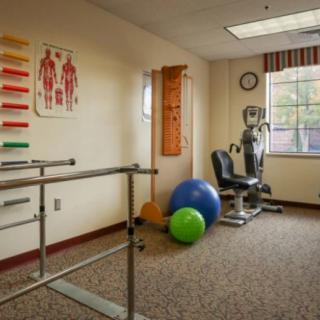
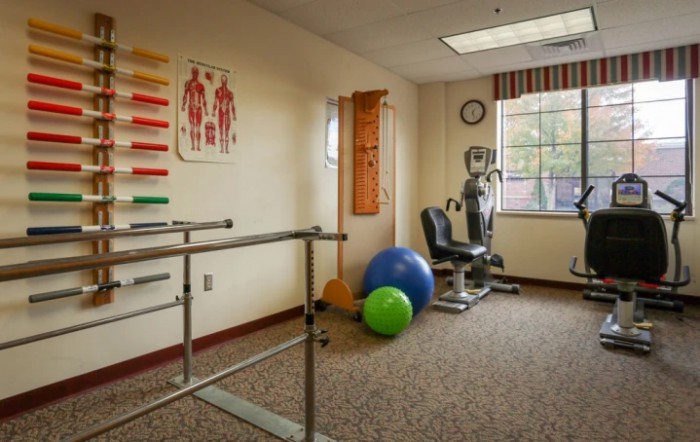
- The physical therapy and occupational therapy are excellent.
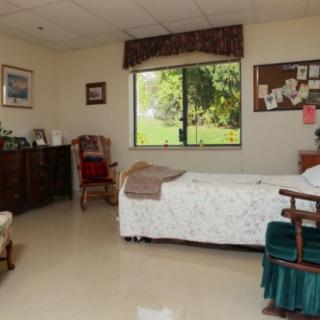
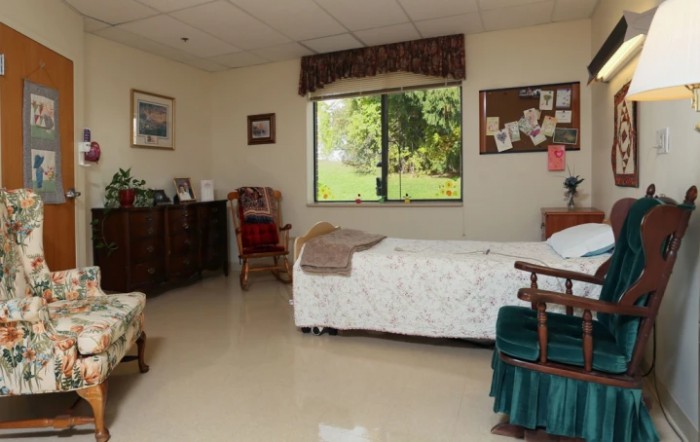
- The decor is nice and the atmosphere is pleasant and well maintained.
- Proper and appropriate staffing is a top priority.
- The facility is safe, welcoming, and a first choice for long-term care.
- The staff and caregivers are exemplary and compassionate.
- The food is good.
Cons
 The food is horrible, never hot, and served subpar.
- The staff hardly speaks English and treat call-light requests as bothersome.
- Medications were administered by CNAs with little nurse oversight, and the 3-11 shift had minimal nurse presence.
- Dirty, awful food aside, care is inconsistent, administration is unkind, and staff are underpaid, suggesting cost-cutting over care.
- Most patients sit alone in their rooms with few rehabilitation opportunities and little mental health therapy.
- Residents were left sitting all day with no one to help, and cries for assistance often went unanswered.
- The facility did not answer calls or notify family when a relative was transferred.
Review
Oakdale Rehabilitation & Skilled Nursing Center in West Boylston is best suited for families prioritizing strong rehabilitation outcomes within a clean, welcoming setting, backed by compassionate staff who treat residents with genuine warmth. The community tends to fit older adults recovering from orthopedic procedures or needing skilled nursing follow-up who want reliable access to physical and occupational therapy and a socially engaging environment during recovery. The facility’s overall ambiance supports a sense of safety and dignity, and several family voices describe staff as treating residents like family. For those seeking a predictable, therapy-forward path back to independence or a long-term arrangement where personal connection matters, Oakdale can be a solid, practical choice. However, if the priority is relentless 24/7 nursing oversight, consistently high-quality meals across the board, and administrative responsiveness without exception, several alternatives warrant consideration.
On the upside, Oakdale’s rehab pipeline stands out. The physical and occupational therapy teams earn consistently strong comments for expertise, encouragement, and real progress toward functional goals. Nursing staff are frequently described as amazing and attentive, providing a steady bedside presence and clear, compassionate communication with families. The facility itself checks a lot of practical boxes: it’s clean, well-maintained, and feels safe, with social spaces such as a cafe and an activity room that support private conversations and light programming. For families evaluating long-term care, Oakdale’s reputation centers on dignity, patient engagement, and a recovery-focused ethos. Certain residents and families even hail it as a preferred option for ongoing care, signaling a level of trust earned through consistent, person-centered interactions alongside solid clinical care.
Yet several reviews highlight meaningful risks. A subset of experiences points to inconsistencies in daily care, with complaints about food quality and meals not being consistently hot or appealing. Staffing gaps emerge in the critique, including reports of limited nurse visibility on particular shifts and instances where CNAs administered medications, with concerns about safety and oversight. Communication gaps appear in anecdotes about unanswered calls or delayed updates to families, and some accounts flag administrative tone and pay pressures that may influence morale and day-to-day operations. Taken together, these themes create a real caution for families who rely on steady, predictable oversight and a consistently high-touch patient experience.
Despite these tensions, the core strengths often offset the drawbacks for the right candidate. The rehab-centered approach, driven by skilled therapists, pragmatic goal-setting, and encouragement to work toward home, can shorten hospital stays and improve independence when the plan is well-executed. The warmth and professionalism described by many staff members translate into residents feeling seen, respected, and cared for, even amid operational strains. The environment’s cleanliness, safety, and the ability for families to drop by and participate in casual visits further bolster confidence that a resident’s day-to-day experience can be meaningful. When therapy and bedside care align consistently, Oakdale delivers tangible progress and a sense of security that matters greatly to families during recovery. The real question becomes whether the facility’s systemic fragility can be managed through vigilant oversight and clear communication.
For families weighing alternatives, Oakdale remains most compelling for rehab-driven needs coupled with a humane, respectful atmosphere. If uninterrupted nursing attention and a reliably predictable daily routine are nonnegotiable, other local facilities may provide more consistent 24/7 coverage and faster nurse response times. Dining quality is another practical lever: if a resident’s satisfaction with meals is central to overall well-being, exploring multiple dining experiences and requesting current menus can help determine whether Oakdale’s kitchen can sustain a high standard over time. For residents with more complex medical profiles, beyond orthopedic rehab, requiring intensive medical monitoring, or seeking richer mental-health and cognitive-support programming, facilities with stronger staffing ratios, broader therapy offerings, and documented robust programming may outperform Oakdale. In short, Oakdale answers a precise need: rehab-focused care delivered with compassion, in a clean, welcoming setting. For other priorities, due diligence with alternatives is prudent.
Decision-making should proceed with a disciplined, front-footed checklist. Begin by scheduling a tour during typical living hours to observe nurse coverage, especially during non-therapy shifts, and to evaluate how responsive staff appear to calls and requests. Meet the rehab team to review a concrete therapy plan, and ask to speak with residents about daily routines, engagement, and how concerns are handled. Request recent state survey results and the Medicare star rating alongside real-time data on staffing ratios, turnover, and call-bell response times. Probe administration for clarity on how issues are prioritized and resolved, and seek recent examples of how concerns were addressed for families. Oakdale can yield outstanding rehab outcomes and genuine warmth, but the decision should hinge on whether daily oversight, meal consistency, and comprehensive programming meet the nonnegotiables; if not, be prepared to pivot to a facility where those core elements are consistently assured.
 92 resident community capacity
 Skilled Nursing Facility
 Air-conditioning
 Beauty salon
 Cable or satellite TV
 Computer center
 Dining room
 Fitness room
 Fully furnished
 Gaming room
 Garden
 Housekeeping services
 Kitchenette
 Move-in coordination
 Outdoor space
 Private bathrooms
 Restaurant-style dining
 Small library
 Telephone
 Wellness center
 Wi-Fi/high-speed internet available
 Worcester Regional (10 miles away)
 Community operated transportation
 12-16 hour nursing
 24-hour call system
 Activities of daily living assistance
 Assistance with bathing
 Assistance with dressing
 Assistance with transfers
 Diabetes diet
 Medication management
 Mental wellness program
 Special dietary restrictions
 Concierge services
 Planned day trips







 Skilled Nursing Facilities vs. Nursing Homes: Making Sense of the Differences
 A Detailed Examination of Nursing Home Costs Across the U.S.
 Exploring Nonmedical Home Care: Understanding Services, Costs, and Financial Approaches