For more information about senior living options: (866) 208-4318
3.7 from 35 reviews
5 stars
20
4 stars
2
3 stars
3
2 stars
1
1 stars
9
Overall Review of Sterling Village
common13 reviews mention this
Compassion and staff teamwork
Many residents and families describe staff who are compassionate and treat residents with dignity.
A large share of reviewers praise the care they saw from nurses, CNAs, therapists, and even administrative staff, describing kindness, dignity, and responsiveness. Several reviews also call out day-to-day professionalism across departments, including therapy and dining staff. A smaller set of reviews contradict that picture, describing rude behavior or neglect, but the majority of mentions remain strongly positive.
differentiator5 reviews mention this
Physical and occupational therapy focus
Physical and occupational therapy are consistently singled out as strong points.
Multiple reviewers describe a therapy team that pushes progress while still treating residents well, with specific praise for both physical and occupational therapy. Families mention excellent therapy experiences during rehab and medication adjustment, and one review says the only part they truly liked was therapy. Others also highlight that therapy support is a reason they would return or recommend the community for rehab care.
common6 reviews mention this
Food draws mixed reactions
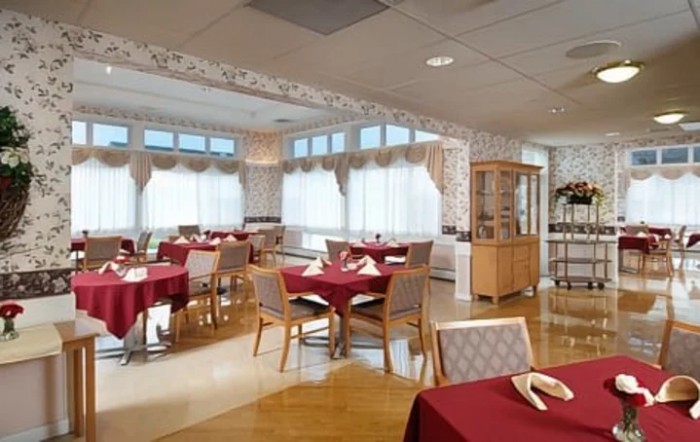
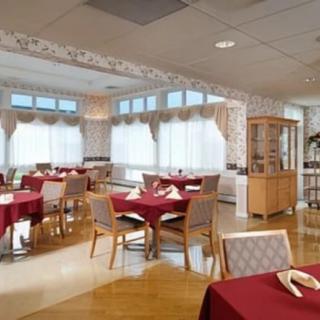
Dining is offered restaurant-style, and reviews range from good to very disappointing.
Several reviews describe the food as good or even excellent, with at least one family noting meals weren’t too bad during a stay. Others report serious concerns, including food arriving cold or served without adequate attention, and complaints about limited choices and meals not being hot. The community also offers restaurant-style dining, which aligns with the positive dining experiences some residents reported.
common7 reviews mention this
Clean facility and maintained grounds
Reviews frequently mention the facility is clean and the grounds are well kept.
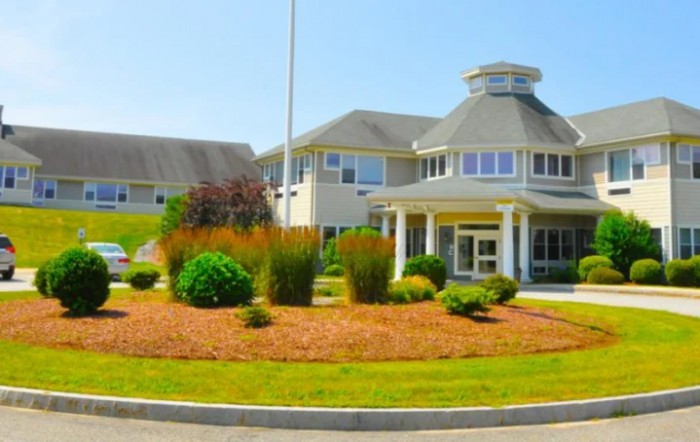
Many reviewers point to cleanliness on arrival and during the stay, including comments about no unpleasant odors and an immaculate environment. There are also remarks about well-maintained grounds and a generally tidy, well-presented setting. Even among critical reviews, some mention the building’s appearance positively, which suggests the environment stands out even when care quality is disputed.
caveat8 reviews mention this
Care can fall short at times
A recurring concern is that basic care and communication can be inconsistent.
Several reviews describe issues with care quality, including residents not being bathed regularly, difficulty getting help with eating, and medication or diagnosis confusion. Other concerns include being left in a soiled bed, delayed responses to pain needs, and families not receiving updates or being involved in decisions. In the most severe accounts, reviewers describe serious neglect-related outcomes and call for families to avoid the community.
caveat3 reviews mention this
Waits during busy periods
Some residents describe longer waits when staffing feels stretched.
A few reviews point to staffing pressure and longer waits for getting needs met, including delays for pain medication. One review also describes a sense of being understaffed that affected response times. While other reviewers say staff are helpful, these accounts suggest timing and coverage can be a weak spot at certain times.
How we summarize
Counts show how many written reviews mention each theme; a review can touch several themes, and only frequently mentioned themes are displayed.
Features
Housing
143 resident community capacity
Types of Care
Skilled Nursing Facility
Amenities
Air-conditioning
Beauty salon
Cable or satellite TV
Computer center
Dining room
Fitness room
Fully furnished
Gaming room
Garden
Housekeeping services
Kitchenette
Move-in coordination
Outdoor space
Private bathrooms
Restaurant-style dining
Small library
Telephone
Wellness center
Wi-Fi/high-speed internet available
Transportation
Worcester Regional (11 miles away)
Community operated transportation
Transportation arrangement
Transportation arrangement (non-medical)
Transportation to doctors appointments
Care Services
12-16 hour nursing
24-hour call system
24-hour supervision
Activities of daily living assistance
Assistance with bathing
Assistance with dressing
Assistance with transfers
Diabetes diet
Meal preparation and service
Medication management
Mental wellness program
Special dietary restrictions
Dining
Diabetes diet
Special dietary restrictions
Activities
Community-sponsored activities
Concierge services
Fitness programs
Planned day trips
Resident-run activities
Scheduled daily activities
Nearby Places of Interest
Restaurants
Rota Spring Ice Cream (3.5 miles)
O'Connor's Restaurant & Bar (5.2 miles)
Paisanos Pizza & Spirits (7.6 miles)
Tc Landos Sub Pizzeria (8.1 miles)
Wendy's (8.1 miles)
Brady's (8.2 miles)
Chick-Fil-A (8.4 miles)
Pharmacies
Walmart Pharmacy (3.9 miles)
CVS Pharmacy (4.5 miles)
Walgreens (5.3 miles)
CVS Pharmacy (5.7 miles)
Walgreens (5.8 miles)
Rite Aid (5.9 miles)
CVS Pharmacy (7.7 miles)
Physicians
West Boylston Family Medicine (5 miles)
HB Eye Care Center (5 miles)
Dr Baker (5.2 miles)
Clinton Hospital (5.5 miles)
Umass Memorial (5.5 miles)
Family Practice Assoc (6.6 miles)
Reliant Medical Group (6.8 miles)
Parks
Wachusett Meadow Wildlife Sanctuary (6.3 miles)
Acre Playground (6.3 miles)
Wachusett Mountain State Reservation (7 miles)
Barrett Park (7.7 miles)
Green Hill Park (9 miles)
BB Kidz Klub (9.5 miles)
Cafes
Central Cup (6.7 miles)
Panera Bread (8.2 miles)
Panera Bread (8.7 miles)
Bean Counter (8.9 miles)
Starbucks (9.1 miles)
Fuel America (9.3 miles)
Places of Worship
Our Lady of The Rosary Rectory & Main Number (6.9 miles)
Pilgrim Congregational Church (8.2 miles)
Congregation Agudat Achim (9 miles)
Theaters
Entertainment Cinemas (8.7 miles)
Hospitals
Neurology Of Central Massachusetts (9.1 miles)
Worcester Recovery Center And Hospital (9.2 miles)
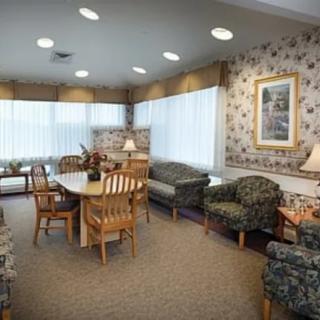
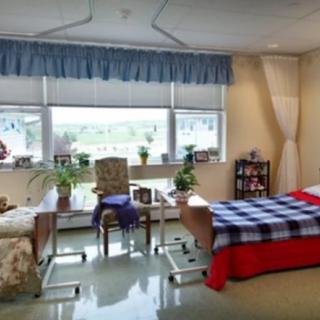
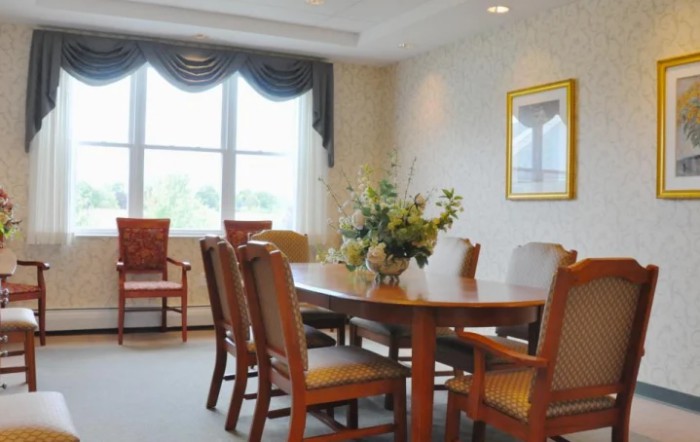
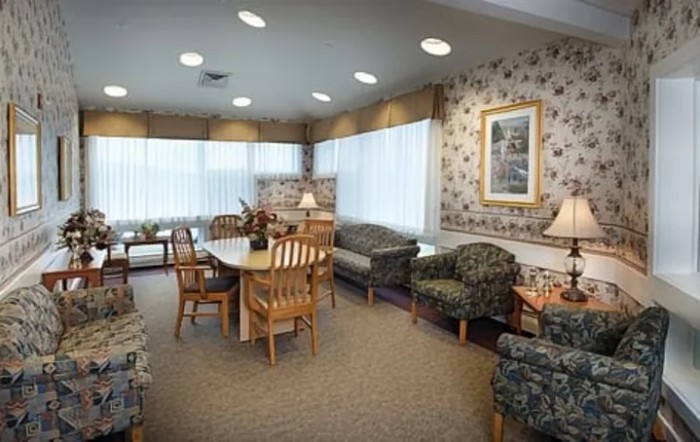
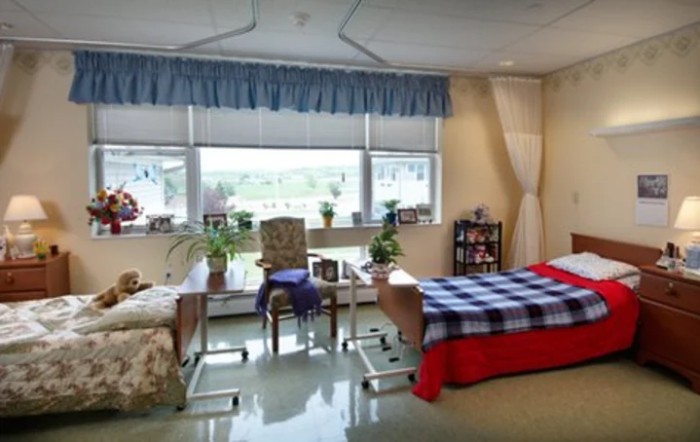
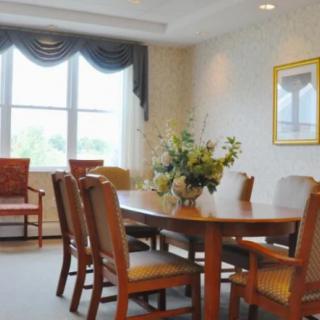
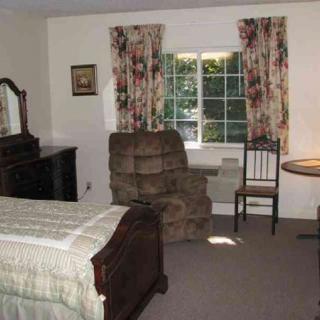
Sterling Village on seniors.fyi includes 5 photos including images showing interior, dining, windows, landscaping, living room, seating area, decor, artwork, and more.
Nearby Communities
Oakdale Rehabilitation & Skilled Nursing Center
West Boylston, MA
4.2 from 26 reviews
Compassionate, attentive staff in a welcoming, well-maintained environment.
Oriol Health Care
Holden, MA
Holden Nursing Home Inc
Holden, MA
3.6 from 44 reviews
Peaceful setting with convenient access to nearby amenities and healthcare.
Holden Rehabilitation & Nursing Center
Holden, MA
3.6 from 40 reviews
Comprehensive on-site care with 24/7 supervision and a wide range of amenities.
Colony Retirement Homes-Holden
Holden, MA
5 from 2 reviews
Angell Brook Village
West Boylston, MA
Personalized 24/7 care with modern amenities and easy access to healthcare, dining, and spiritual opportunities.
Dodge Park Rest Home
Worcester, MA
4.9 from 143 reviews
$8,997 to $10,675 / month
Caring staff with strong safety practices.
Christopher House Of Worcester
Worcester, MA
3.6 from 14 reviews
Warm, friendly staff in a clean, engaging environment with active rehab and social programs.
Low-impact exercises are vital for seniors as they promote health, independence, and social interaction while reducing joint strain. These adaptable activities, guided by healthcare professionals, enhance strength, flexibility, and emotional well-being.
The guide details the tax deductibility of in-home healthcare expenses according to IRS guidelines, differentiating between medically necessary services and non-medical assistance, while emphasizing the need for proper documentation and itemization requirements. It also highlights state-level variations, the importance of record-keeping, and encourages seeking professional tax help to understand evolving regulations.
Gardening provides seniors with physical exercise, mental and emotional support, and social interaction opportunities, while accommodating their needs through raised beds and ergonomic tools. It promotes health benefits like improved dexterity and cardiovascular health, encourages sustainable practices, and allows for manageable upkeep with low-maintenance plants.
Get PricingAsk A QuestionSchedule A TourContact Senior Advisor
By clicking submit, you agree to our Partner's Terms of Use. You
also consent to receive calls and texts, which may be autodialed, from our Partner. Your consent is not a condition to
using our Partner's service. Please visit our Partner's Privacy Policy for information about their privacy practices.

 143 resident community capacity
 Skilled Nursing Facility
 Air-conditioning
 Beauty salon
 Cable or satellite TV
 Computer center
 Dining room
 Fitness room
 Fully furnished
 Gaming room
 Garden
 Housekeeping services
 Kitchenette
 Move-in coordination
 Outdoor space
 Private bathrooms
 Restaurant-style dining
 Small library
 Telephone
 Wellness center
 Wi-Fi/high-speed internet available
 Worcester Regional (11 miles away)
 Community operated transportation
 12-16 hour nursing
 24-hour call system
 Activities of daily living assistance
 Assistance with bathing
 Assistance with dressing
 Assistance with transfers
 Diabetes diet
 Medication management
 Mental wellness program
 Special dietary restrictions
 Concierge services
 Planned day trips
 Compassionate, attentive staff in a welcoming, well-maintained environment.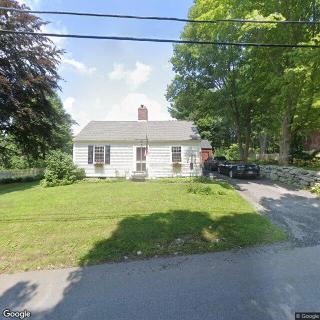



 Highly Beneficial Low-Impact Exercises for Senior Living Residents
 Is In-Home Healthcare Tax Deductible? Your Comprehensive Guide
 Nurturing Well-Being Through Gardening: A Detailed Guide for Senior Enthusiasts