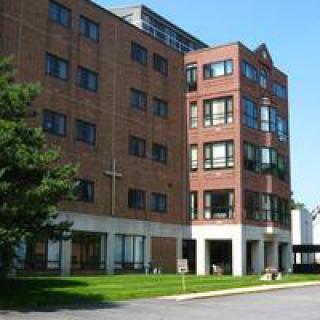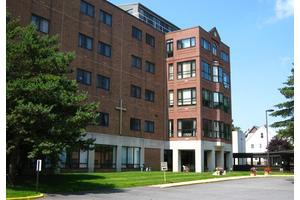
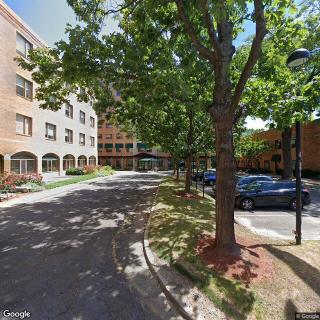
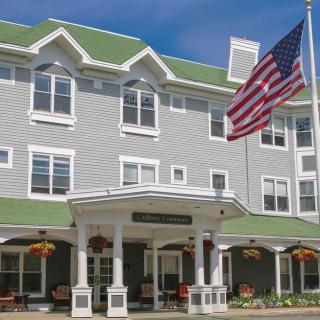
186 Highland Avenue, Somerville, MA 02143
For more information about senior living options: (866) 208-4318
Overall Review of Jeanne Jugan Residence - Somerville
Pros
 Jeanne Jugan Residence is described as fabulous, well-run, organized, and reasonably priced.
- It offers options and helps residents access government programs, including veterans' benefits and Medicare.
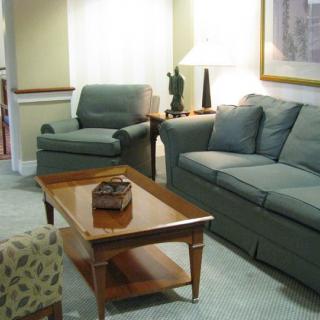
- The amenities are beautiful, rooms are a good size, and the staff is excellent and accommodating, creating a warm community.
- The Little Sisters of the Poor are kind and loving, with a Catholic atmosphere and access to sacraments described as a huge blessing.
- The facility provides daily activities, holiday programs, mass, and social conversations for residents.
- On-site acute care is available, ensuring safety and continuity of care when needed.
Cons
 There is not enough staff there; only one or two cover the floor each day.
- Sometimes there aren’t enough people when it’s time to eat.
- A resident was moaning and groaning with nobody there on the floor.
Review
Jeanne Jugan Residence in Somerville is best suited for seniors who prize a faith-forward, close-knit community and are comfortable with a Catholic atmosphere woven through daily life. The facility emphasizes spiritual care alongside practical support, with sacraments and mass readily accessible, a meaningful anchor for residents who want regular opportunities to participate in religious observances. The environment tends to appeal to families seeking warmth, continuity, and a sense of belonging rather than a clinical, corporate feel. Affordability is a concrete advantage, and the residence can guide families through low-income pathways, veterans benefits, and Medicare when assets are limited. With an emphasis on compassionate care delivered by the Little Sisters of the Poor, this community offers a reassuring sense of stability.
Where this community may not be the best fit are scenarios requiring high-touch, round-the-clock staffing or a secular, modern setting. One review flags staffing gaps on the floor during meals, signaling that some shifts can be lean. For families seeking a facility with abundant one-to-one attention, or for residents with complex medical needs that demand intense supervision, alternatives with higher staffing ratios or more medicalized models deserve consideration. Additionally, the strong Catholic focus may not align with all beliefs or preferences for worship styles. Those who want non-religious activities or a more contemporary ambiance might prefer to compare other assisted livings in the greater Boston area.
Yet the positives here often outweigh the caveats. The program is described as well-run, organized, and reasonably priced, with a breadth of options and a genuine sense of community. Financial pathways are a practical strength: after asset spend-down, staff assist in locating government programs, and benefits such as Veterans' programs and Medicare are accepted. The amenities and room sizes are praised, and staff generally come across as excellent and accommodating. The on-site religious life, mass, sacraments, and social conversations, provides meaningful daily rhythm that many families value, especially those who want a familiar faith context accompanying daily care. The combination of affordability, support, and spiritual life creates a resilient, predictable home.
Operationally, the facility delivers a coherent continuum of care. Residents can start in assisted living with private rooms and learn about the schedule of daily activities and holiday programs, then rely on in-house acute care if a health setback occurs. The availability of physical and occupational therapy within the same campus is a notable safety net for families worried about transitions after a fall or illness. The presence of regular Mass and communal gatherings keeps residents engaged and connected, reducing isolation. These elements collectively reduce worry for families by promising consistency, a familiar routine, and a pathway to medical support when needed, all within a cost structure that leans toward accessibility.
Nevertheless, families should weigh the trade-offs against individual needs. The strongest argument for Jeanne Jugan Residence is its faith-based atmosphere paired with practical affordability and careful care management. The potential downside, staffing variability, can translate into slower service at peak times unless proactive staffing plans are in place. This risk is mitigated by the on-site acute care and the ability to leverage public benefits, but it remains a critical question during tours. Prospective residents should request to see current nurse and aide coverage during meals and evenings, evaluate room configurations, and confirm understanding of how care plans adapt if health needs escalate.
Bottom line: Jeanne Jugan Residence serves best those who want a religiously infused, affordable assisted living with accessible sacraments, a warm community, and a clear pathway to financial assistance. It is a strong option for families prioritizing stability, tradition, and coordinated care, especially when a resident expects to remain within the Little Sisters of the Poor environment and benefit from on-site rehabilitation. For those needing non-religious programming, higher staffing, or a more modern campus vibe, alternatives should be explored. A disciplined site visit focusing on staffing during key shifts, a frank review of financial options, and conversations with current residents will crystallize whether this community fits the short- and long-term trajectory of care desired.
 26 resident community capacity
 Skilled Nursing Facility
 Beauty salon
 Cable or satellite TV
 Dining room
 Fully furnished
 Garden
 Housekeeping services
 Kitchenette
 Move-in coordination
 Outdoor space
 Restaurant-style dining
 Small library
 Telephone
 Wi-Fi/high-speed internet available
 Gen Edw L Logan International (5 miles away)
 24-hour call system
 Activities of daily living assistance
 Assistance with bathing
 Assistance with dressing
 Assistance with transfers
 Diabetes diet
 Medication management
 Mental wellness program
 Special dietary restrictions




 Engaging Brain Games and Innovative Apps to Keep Senior Minds Active
 Effective Strategies for Keeping Seniors' Minds Active: A Deep Dive into Brain Games and Apps
 In-Depth Look at the VA Aid and Attendance Program