
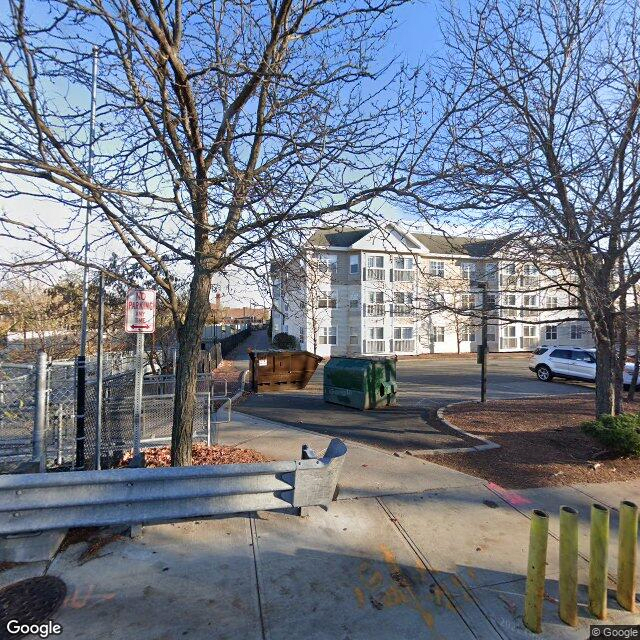
259 Lowell St, Somerville, MA 02144
To contact a resident: (617) 721-1606
For more information about senior living options: (866) 208-4318
Overall Review of Vna Eastern Massachusetts
Pros
 The staff were consistently caring and respectful.
- The staff go above and beyond to meet residents’ needs.
- The nurse and therapist assigned were extremely competent, caring, and compassionate, and always on time.
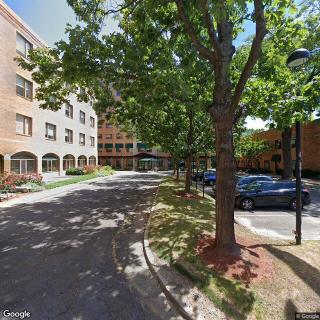
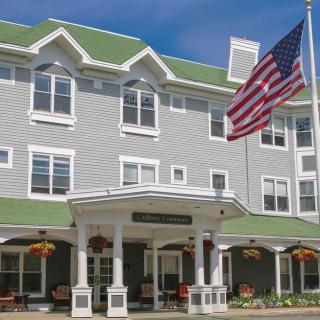
- The facility was clean and well-appointed, with a first-class dining room and menu, a hair salon, and a boutique store.
- The staff’s sensitive and caring approach helped residents maintain their independence.
- The care provided brought profound peace of mind and friendships for families.
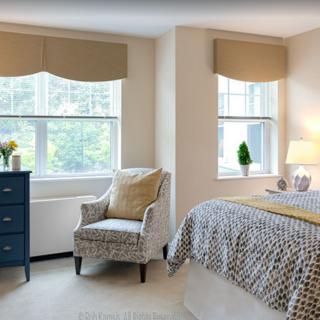
- Residents enjoyed comfortable, sunny apartments, welcoming outdoor spaces, friendly staff, and very good food.
Cons
 Residents are not nice to the staff, and some staff lost their jobs because of it.
- Food is not that great.
- Communication with the owner is zero.
- The staff is extremely authoritarian.
- There is no transportation to the bus stop, even up the steep hill.
- Many residents report thefts of cash and personal belongings.
- Personal data is not respected, as residents must sign out with time and room number and that information is publicly displayed.
Review
This community is best suited for seniors who require steady, hands-on caregiving and for families seeking real reassurance that daily needs are met with kindness and competence. It shines for residents facing progressive conditions, such as Parkinson’s, where a capable staff can stabilize medical trajectories and manage complex issues day in and day out. It also serves independently minded seniors who value a sunny, comfortable apartment, accessible gardens, a first-class dining room, and a lively activities program run by someone who clearly loves coordinating meaningful engagement. In short, this VNA facility is a practical fit for those who want reliable caregiving, a calm environment, and a consistent, supportive team to anchor routines as health needs evolve.
Those who may want to consider alternatives include families that prioritize transportation as a core service. If regular, included shuttle or van service to appointments, errands, or social outings is non-negotiable, this community’s offerings may feel insufficient. Similarly, prospective residents who prize a high degree of resident autonomy and a less regulated, less “authoritarian” atmosphere could find the policies and procedures constricting. Concerns about clear, accessible communication with leadership and ownership also matter; several reviews flag limited or zero owner-level engagement. Finally, families who worry about security, intended or perceived, may wish to explore settings with different privacy and access controls or a different approach to sign-out processes.
On the strength side, the most consistent praise centers on the caregiving team. Reviews from physicians and families describe staff as consistently caring, respectful, and attentive to medical needs, with real competence in physical therapy, rehabilitation, and ongoing support. The facility appears to deliver stability in care plans, particularly for residents with complex medical trajectories who require close monitoring. Beyond care, the setting offers tangible comforts: clean, well-appointed spaces, a robust dining room, and amenities like a hair salon and boutique. Positive experiences at the Lowell Street location emphasize independence within a supported framework, beautiful gardens, bright apartments, and an environment where residents and families can feel confident about day-to-day quality of life.
Yet notable drawbacks temper the appeal. The most persistent concerns revolve around governance and atmosphere: a perceived authoritarian bent to rules, limited transportation options, and a sign-out policy that some view as intrusive and potentially compromising privacy. Reports of theft or mislaid personal belongings, while not universal, raise legitimate safety questions for families assessing risk. The sense that “communication with the owner is zero” in some cases also matters for decision-makers who want a direct line to administration. Food quality is described as uneven, and while activities are praised, tensions among residents and some staff have been noted as contributing to moments of friction. Taken together, these issues can be consequential for those seeking a frictionless, highly autonomous living experience.
When weighing the pros and cons, the positives, dedicated caregiving, meaningful clinical support, a pleasant lifestyle environment, and a proven capacity to stabilize medical needs, often offset the most serious drawbacks for many families. The care-focused track record, reinforced by long-standing testimonials from medical professionals and families who witnessed meaningful improvements and peace of mind, provides a strong justification for choosing this community if medical needs take precedence over mobility or autonomy concerns. The social fabric, the programs, the gardens, the dining experience, adds genuine value that can sustain a resident’s quality of life even when transportation or policy frictions arise. In practice, the decision hinges on whether dependable day-to-day care and caregiver reliability trump the desire for broader mobility and more expansive administrative access.
Practical guidance for the decision process is clear. Schedule visits to both the Somerville campus and the Lowell Street location, and request to meet the frontline staff who will be most involved in daily care. Probe transportation options directly: what is included, what costs accrue, and whether private arrangements are feasible without compromising safety. Observe how residents respond to staff during tours, and ask former residents or families about the consistency of care over time. Taste the meals, note the dining atmosphere, and examine whether the kitchen can accommodate dietary needs. Finally, confirm how communication flows with management and whether a transparent, accessible point person exists for ongoing questions. For families prioritizing dependable caregiving and peace of mind in the face of medical complexity, this VNA community remains a strong, practical option; for those who cannot accept transportation gaps, heavy-handed governance, or privacy concerns, it is prudent to explore alternatives with a broader toolkit of resident mobility and administrative access.
 Gen Edw L Logan International (5 miles away)


 In-Home Care Costs in 2025: A Detailed State-by-State Exploration
 Understanding Home Health Care: A Comprehensive Guide
 Home Health Care Demystified: A Comprehensive Guide for Families and Caregivers