For more information about senior living options: (866) 208-4318
2.6 from 48 reviews
5 stars
14
4 stars
5
3 stars
2
2 stars
3
1 stars
24
Overall Review of Southshore Health Care Center
common15 reviews mention this
Staff friendliness and compassion
Many residents and families describe staff who are caring and easy to talk with.
A recurring theme in the reviews is that staff members feel approachable and supportive day to day. Multiple reviewers mention nurses and aides checking on residents, explaining care, and being attentive to concerns. Several others describe warmth and friendliness from department heads and admissions, including people they met during visits and stays. A few reviews go the other direction, describing unresponsive or disrespectful interactions, but the overall experience still includes many accounts of genuine compassion.
common8 reviews mention this
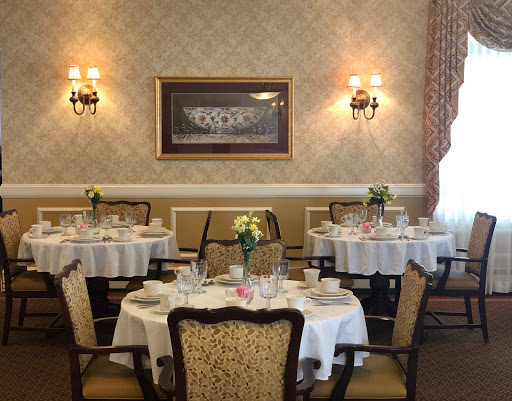
Food quality is a split
Dining quality divides opinion, with both positive and very negative experiences described.
Some reviews say the food is good, while others describe meals as nasty, unsafe, or not handled properly. A reviewer also mentions diet needs, stating the kitchen did not follow a high-protein diet. Others describe specific dining concerns like food not being safe, concerns about choking hazards, and inconsistent follow-through with dietary expectations. Even within the more critical reviews, families sometimes still note that other parts of care—like therapy or nursing—stood out.
caveat9 reviews mention this
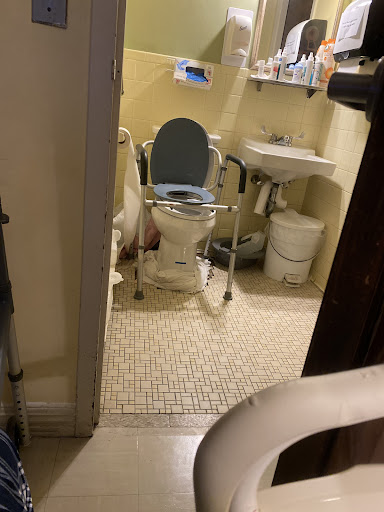
Cleanliness and pests are criticized
Multiple reviews raise serious cleanliness concerns, including odors and pest issues.
Several reviewers describe the building as dirty or foul-smelling, mentioning ongoing sanitation problems and lingering odors. There are also reports of pests, including mice and rats visible inside rooms. Some reviews also mention housekeeping-related issues like stained or dirty linens and worn surfaces. While a few reviewers describe the environment more positively, the cleanliness complaints are prominent enough to stand out.
caveat7 reviews mention this
Call button and phone delays
Residents and families repeatedly mention delayed help calls and phone problems.
A number of reviews describe the call system as unreliable, with call lights taking a long time to get answered. Some reviewers also mention phone lines not working or being difficult to use to reach residents’ rooms. Several families describe needing assistance urgently and waiting far longer than expected, including reports of being left in dependent or needing help not arriving promptly. These issues are described alongside other care problems in the more negative reviews.
caveat4 reviews mention this
Therapy support is inconsistent
PT and OT experiences vary, with some praising therapy and others saying rehab time is insufficient.
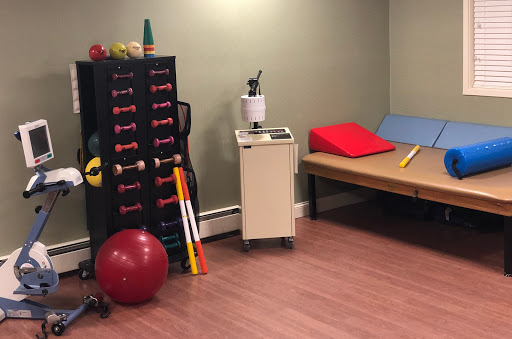
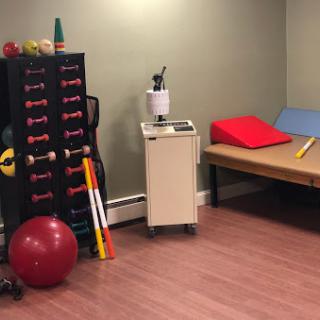
Some reviews specifically call out positive therapy experiences, including people who enjoyed a therapy gym and reviewers who credit PT and OT for helping them regain walking. Other reviewers say they did not see enough rehabilitation services and described patients spending long stretches alone in rooms. One review also criticizes the lack of PT/OT as preventing discharge progress. Taken together, the therapy accounts range from supportive and effective to limited and disappointing.
common2 reviews mention this
Nearby medical and pharmacies
The surrounding area includes hospitals, physician offices, and multiple pharmacies nearby.
Families and residents benefit from being near major care options and everyday essentials. The listing’s nearby places include South Shore Hospital and several physician options in the area, along with nearby pharmacies for prescriptions and refills. This creates practical access to medical services if additional appointments or errands come up during a stay.
How we summarize
Counts show how many written reviews mention each theme; a review can touch several themes, and only frequently mentioned themes are displayed.
Features
Housing
96 resident community capacity
Types of Care
Skilled Nursing Facility
Amenities
Air-conditioning
Beauty salon
Cable or satellite TV
Computer center
Dining room
Fitness room
Fully furnished
Gaming room
Garden
Housekeeping services
Kitchenette
Move-in coordination
Outdoor space
Private bathrooms
Restaurant-style dining
Small library
Telephone
Wellness center
Wi-Fi/high-speed internet available
Transportation
Gen Edw L Logan International (16 miles away)
Community operated transportation
Transportation arrangement
Transportation arrangement (non-medical)
Transportation to doctors appointments
Care Services
12-16 hour nursing
24-hour call system
24-hour supervision
Activities of daily living assistance
Assistance with bathing
Assistance with dressing
Assistance with transfers
Diabetes diet
Meal preparation and service
Medication management
Mental wellness program
Special dietary restrictions
Dining
Diabetes diet
Special dietary restrictions
Activities
Community-sponsored activities
Concierge services
Fitness programs
Planned day trips
Resident-run activities
Scheduled daily activities
Nearby Places of Interest
Pharmacies
CVS Pharmacy (1 miles)
Walgreens (1 miles)
CVS Pharmacy (2 miles)
Walgreens (3.1 miles)
CVS Pharmacy (3.3 miles)
CVS Pharmacy (4.5 miles)
Walgreens (4.6 miles)
Restaurants
China Plaza Restaurant (1.1 miles)
Uncle Charlie's (2.1 miles)
McDonald's (3.4 miles)
McGuiggan's Pub (3.9 miles)
McDonald's (4 miles)
Chick-Fil-A (4.1 miles)
K C's Pub & Grill (4.2 miles)
Cafes
Marylou's News (2.2 miles)
Starbucks (4.1 miles)
Slacktide Coffee Roaster (5.7 miles)
Target T2693 Braintree (8 miles)
Panera Bread (8 miles)
Physicians
Angels Neurological Ce (2.3 miles)
South Shore Orthopedics (2.9 miles)
Eye Health Services (4.2 miles)
Beth Israel Deaconess Healthcare Bridgewater (4.8 miles)
Outpatient Department Signature Healthcare - Brockton Hospital (4.8 miles)
Kool Smiles (5.2 miles)
Harvard Vanguard Medical Associates (6.5 miles)
Hospitals
South Shore Hospital (2.6 miles)
South Shore Hospital (3.3 miles)
Signature Health Care (4.8 miles)
Va Medical Center-Brockton (8.4 miles)
Parks
Whitman Town Park (3.7 miles)
Great Esker Park (4.6 miles)
Braintree Highlands Community Playground (5.4 miles)
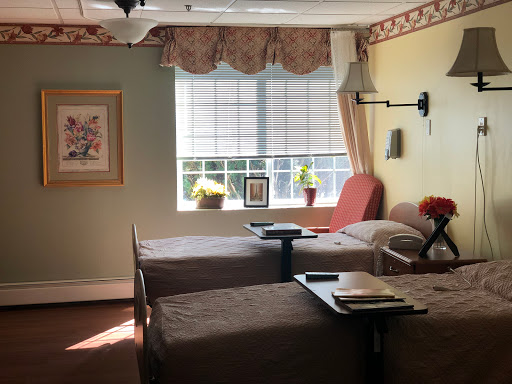
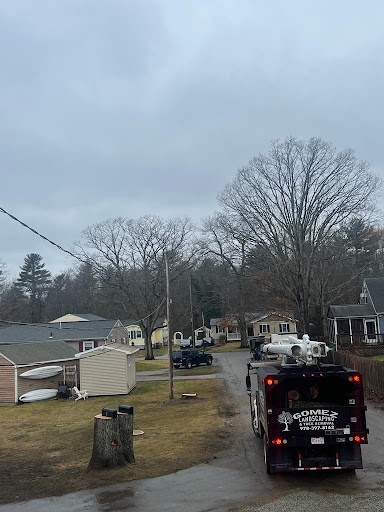
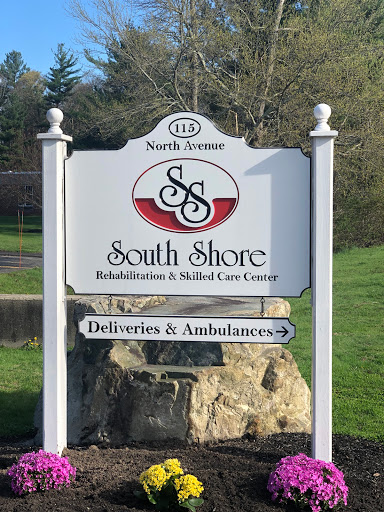
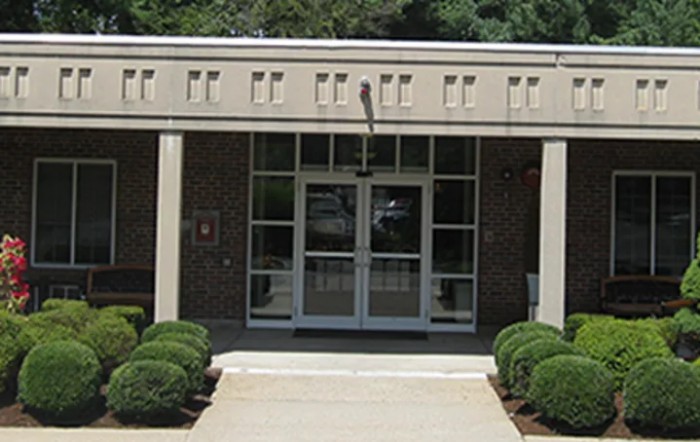
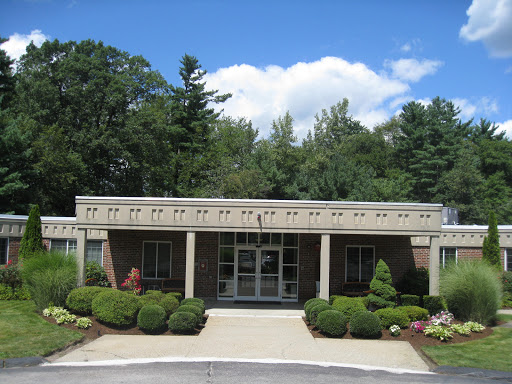
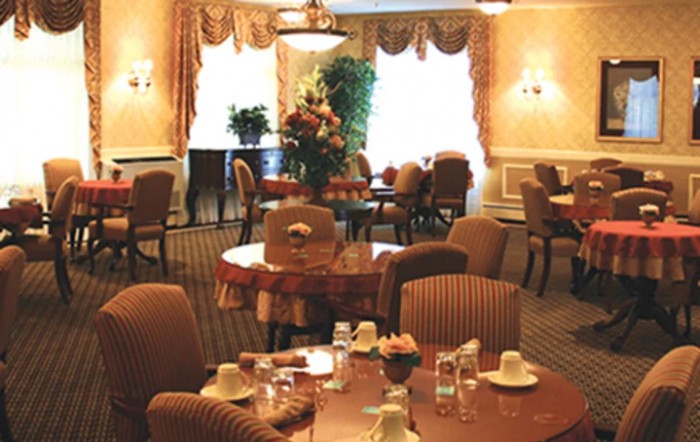
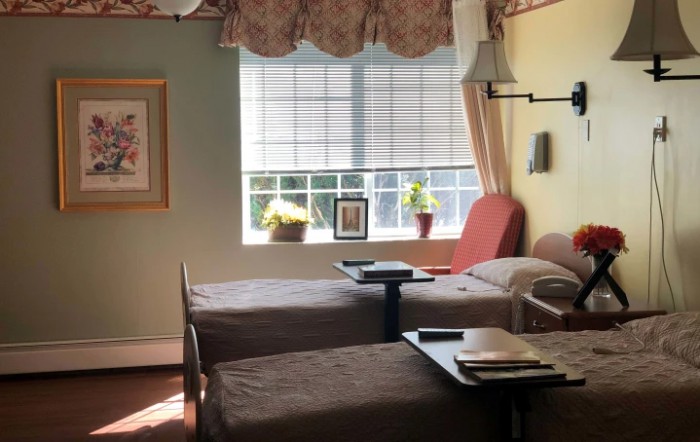
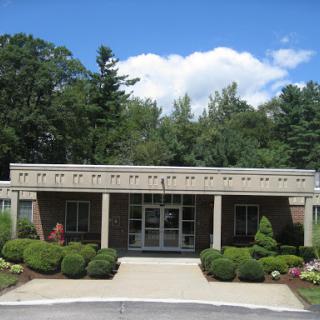
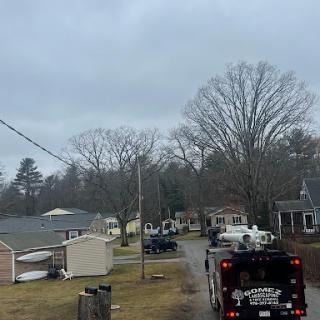
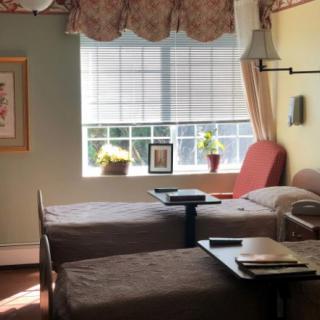
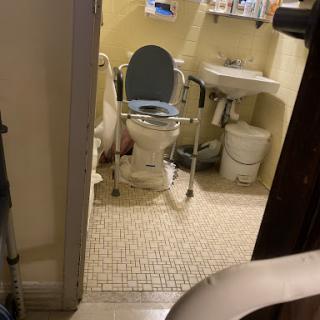
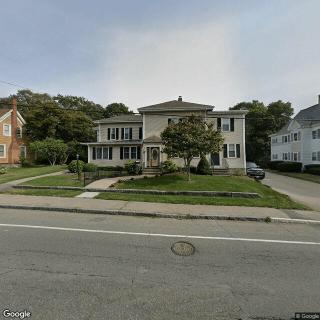
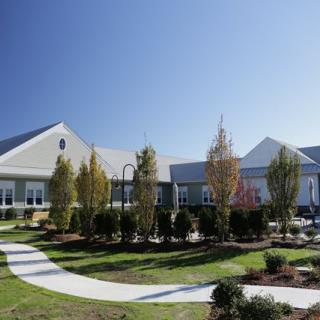
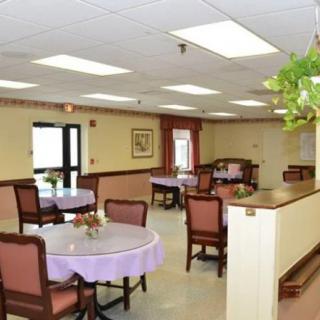
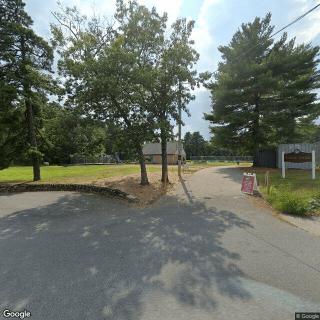
Southshore Health Care Center on seniors.fyi includes 13 photos including images showing dining, landscaping, interior, architecture, exercise equipment, decor, bathroom, windows, and more.
Nearby Communities
South Shore Rehabilitation and Skilled Care Center
Rockland, MA
2.4 from 38 reviews
Longstanding presence in the community with convenient nearby services.
Rockland Senior Center
rockland, MA
4.8 from 32 reviews
Close to healthcare, dining, and parks.
Webster Park Rehabilitation And Healthcare Center
Rockland, MA
4.1 from 166 reviews
Caring, attentive staff and a clean facility with strong rehabilitation services.
Tiffany II Rest & Retirement Home
Rockland, MA
$1,875 / month
Affordable private room ($1,875/mo) with nearby pharmacies, physicians, and hospitals.
Lydia Square Apartments
Rockland, MA
$1,453 to $1,732 / month
Very affordable pricing relative to Plymouth County and Massachusetts averages, with strong access to nearby healthcare, pharmacies, hospitals, and dining.
Rockland Glen
Rockland, MA
3.4 from 19 reviews
Intimate, small-capacity community with personalized care and dietary accommodations.
Dwyer Home
Weymouth, MA
4.9 from 11 reviews
$1,723 to $2,262 / month
Affordable pricing with 24/7 supervision, ADL support, and abundant activities.
Colony Center For Health & Rehabilitation
Abington, MA
4 from 1 review
Attentive staff with veteran-focused activities and comfortable semi-private rooms.
The article highlights the importance of empathy and open communication when comforting someone who is grieving, noting that grief is unique to each individual and emphasizing the need for sincere expressions of condolence, active listening, and ongoing support. It also addresses cultural differences in mourning practices and encourages tailored approaches to provide effective comfort.
Home health care aides provide vital medical and non-medical support to individuals at home, assisting with daily living activities and promoting emotional well-being, while the demand for these services increases due to an aging population. Families benefit from in-home care's flexibility and cost-effectiveness but face challenges like scheduling consistency and caregiver turnover.
Older adults with urinary tract infections (UTIs) often present atypical symptoms, complicating diagnosis due to factors like incomplete bladder emptying and chronic health conditions that increase their susceptibility. Effective management involves prompt treatment with antibiotics, hydration, and preventive strategies while minimizing antibiotic resistance and focusing on holistic care approaches.
Exercise Equipment, Rehabilitation, Physical Therapy, Fitness, and Therapy Room
Additional Photos
Get PricingAsk A QuestionSchedule A TourContact Senior Advisor
By clicking submit, you agree to our Partner's Terms of Use. You
also consent to receive calls and texts, which may be autodialed, from our Partner. Your consent is not a condition to
using our Partner's service. Please visit our Partner's Privacy Policy for information about their privacy practices.



 96 resident community capacity
 Skilled Nursing Facility
 Air-conditioning
 Beauty salon
 Cable or satellite TV
 Computer center
 Dining room
 Fitness room
 Fully furnished
 Gaming room
 Garden
 Housekeeping services
 Kitchenette
 Move-in coordination
 Outdoor space
 Private bathrooms
 Restaurant-style dining
 Small library
 Telephone
 Wellness center
 Wi-Fi/high-speed internet available
 Gen Edw L Logan International (16 miles away)
 Community operated transportation
 12-16 hour nursing
 24-hour call system
 Activities of daily living assistance
 Assistance with bathing
 Assistance with dressing
 Assistance with transfers
 Diabetes diet
 Medication management
 Mental wellness program
 Special dietary restrictions
 Concierge services
 Planned day trips
 Longstanding presence in the community with convenient nearby services.


 Compassionate Conversations: How to Comfort Someone Who Is Grieving
 Home Health Care Aides: Understanding Their Role and Supporting Your Family
 Urinary Tract Infections in Older Adults: Comprehensive Insights on Symptoms, Treatment, and Prevention