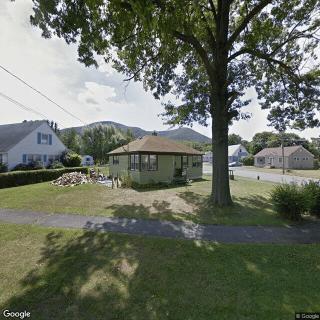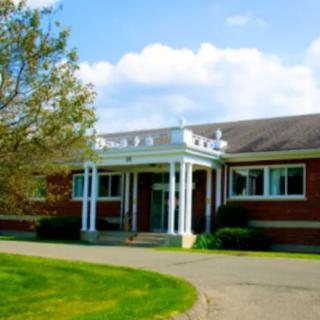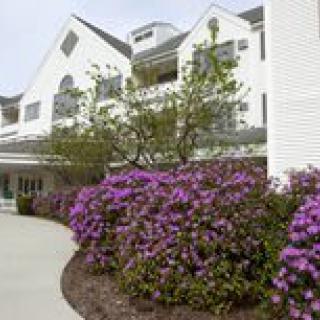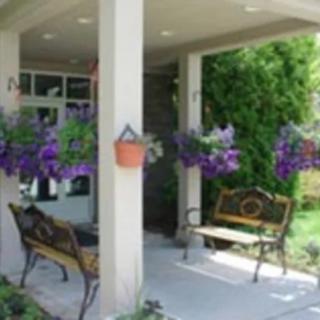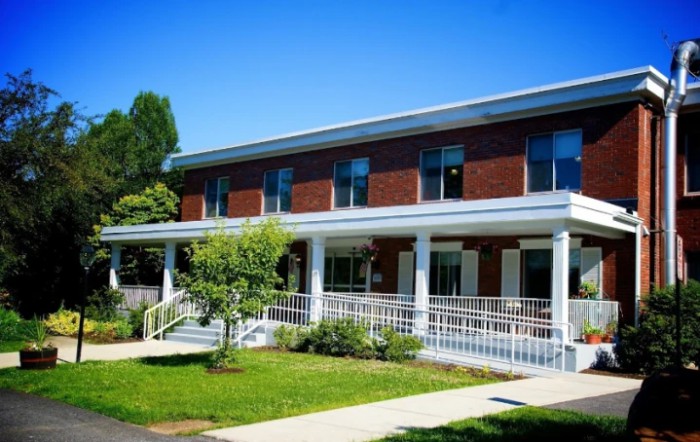
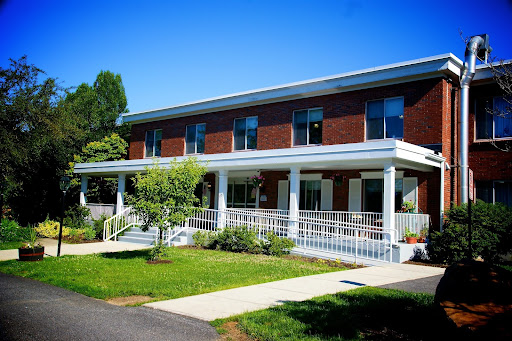

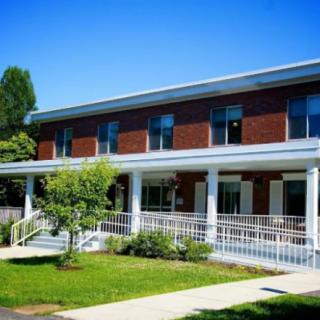
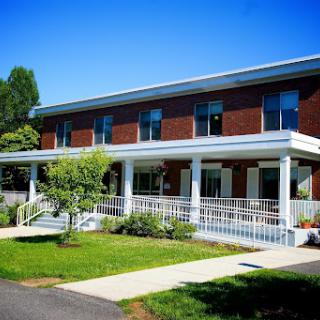
North Adams Commons Nursing & Rehabilitation Cente

Save
North Adams Commons Nursing & Rehabilitation Cente North Adams Commons Nursing & Rehabilitation Cente North Adams Commons Nursing & Rehabilitation Cente

North Adams Commons Nursing & Rehabilitation Cente

175 Franklin Street, North Adams, MA 01247

For more information about senior living options: (844) 490-3973

2.9 from 11 reviews
5 stars
3
4 stars
1
3 stars
2
2 stars
2
1 stars
3

Skilled Nursing Facility

Overall Review of North Adams Commons Nursing & Rehabilitation Cente

Pros

  • pro Everyone from residents to staff were described as decent, kind people.
  • pro The reviewer would recommend The Commons to anyone if it is as good as remembered.
  • pro The staff were like extended family and showed compassion.
  • pro The staff from reception to housekeeping were diligent, professional, and caring.
  • pro They went out of their way to be supportive during a difficult time.
  • pro The physical therapy staff were great, being respectful, knowledgeable, and skilled.
  • pro The building was kept clean and sterile, and safety guidelines were followed.

Cons

  • pro The reviewer notes that therapy lasts only about 30 minutes per day, leaving patients to do the rest on their own or spend most of the day in bed.
  • pro The reviewer describes the nursing staff as unskilled and as mean, rude, lazy, and unwilling to perform their duties.
  • pro The reviewer observes that CNAs seem more at peace with patients than the nurses, implying the nurses' lack of skill.
  • pro The reviewer criticizes security as being non-apparent unless the client is accused of wrongdoing.
  • pro The reviewer complains about dietary accommodations, reporting that requests for a carb-based diet are dismissed and that asking for these adjustments makes the patient feel like an alien.
  • pro The reviewer states they do not like Sweet Brook Rehabilitation and Nursing Center and would not recommend it.

Review

These comments come from a spectrum of people who have spent time in long-term care settings, each carrying a distinct memory of what it was like to be a patient, a visitor, or a family member. Together they sketch a landscape where kindness and competence can shine, but where understaffing, rigid routines, and inconsistent communication can also cast long shadows. The threads converge on a single truth: the quality of care is deeply personal, and it depends as much on the people present in the moment as on the policies on paper.

One recollection centers on a lifelong memory of a childhood friend who lived as a resident for about a year. The writer, Albany-based, spent nearly an entire day with him - more time than most visitors might give - and describes a facility where the people, from residents to staff, were "decent, kind" and genuinely caring. The author recalls a moment of collective grief on the morning of his passing, when staff across all shifts - his extended family in their own way - cried alongside the family. The sentiment is not simply nostalgia; it is a witness's memory of humanity in a place that has to hold heartbreak as part of its daily life. If The Commons is even half as good as that memory, the writer would recommend it to others, which is high praise given the emotional weight of the experience.

A second voice offers a more transactional, critical view from a patient who is already transitioning out. This reviewer gives two stars, praising the physical and occupational therapy for their strength and skill but highlighting a troubling reality: the facility is severely understaffed. The critique extends beyond the therapists to the broader care team and even to information access - the patient rights and how to exercise them are not readily available, especially to non-ambulatory patients. The key critique is that therapy itself may consume only about a half-hour per day, leaving the patient with the daily reality of sitting in bed the vast majority of the time unless they actively do what therapists say on their own time. It's a potent reminder that outcomes are tied not just to the quality of therapy, but to the capacity of the system to support patients in doing the work of rehabilitation.

Another reviewer brings a deeply personal sense of gratitude amid tragedy. This person's niece, who was a patient for several months before her death, found the entire staff - from reception to nursing to housekeeping to maintenance - diligent, professional, and caring. The family emphasizes the consistent effort to be supportive during an incredibly painful period, concluding with a strong sense of pride in having such a facility as a part of the community. The tone here is intentionally warm and affirming, presenting care as a network of people who show up with compassion when families are most vulnerable.

In contrast, a negative experience is voiced regarding Sweet Brook Rehabilitation and Nursing Center. The author describes a nurse who is not skilled, not friendly, and not helpful, insisting that the nurse was mean, rude, lazy, and unwilling to do the job. The negative tone is pointed and emphatic, with a clear wish that others not go there. It's a raw, unsparing critique that focuses on day-to-day interactions and the perceived gap between professional obligation and bedside humaneness. The message isn't about isolated moments but about an ongoing pattern that drove the writer to disappointment and concern for others' well-being.

A further, nuanced critique highlights a broader distribution of care quality within the facility. According to this account, unskilled nurses are a noticeable problem, while CNAs can offer more peace and warmth - though even they are not enough to balance the overall impression. The writer challenges the idea of technology or "robotic" care overpowering human compassion, arguing that care should remain deeply human. The three stars awarded reflect respect for the physical therapy team, which is described as very respectful, knowledgeable, and skilled, alongside a well-kept, clean facility that adheres to safety practices. Yet security is seen as lax unless a client has already done something wrong, and there are ongoing frustrations with how dietary needs are treated. The author shares a personal battle over carb-based meals and dietary preferences, noting that even after years at another facility, consistent carb targets were not met - an issue that reveals how nutrition policies interact with individuality and comfort.

Taken together, these perspectives paint a picture of a system with bright spots and serious gaps. The strongest threads of praise celebrate staff who show up with empathy, the moments of kinship that accompany illness and mortality, and the professional competence of therapists who help patients fight to regain function. The strongest threads of critique focus on understaffing, inconsistent communication, a sense of impersonal routine, and the friction between standardized care and individualized needs - whether those needs are about rights, information accessibility, security, or dietary accommodations. The overall impression is not one note but a chorus of experiences that reflect both the best and the most challenging aspects of long-term care.

What emerges is a clear message for anyone navigating these facilities: advocacy matters. Knowing your rights, asking questions, and ensuring that there is a personal advocate present can be as important as the therapists themselves. The human element - the kindness of a CNA, the bedside manner of nurses, the quiet competence of the physical therapists, and the comforting presence of maintenance and reception staff - can make a meaningful difference in a setting that is, at its core, about caring for people at moments of vulnerability. These stories remind us that care is a relationship, built one shift, one conversation, and one compassionate action at a time.

Features

Housing

  • 119 resident community capacity 119 resident community capacity

Types of Care

  • Skilled Nursing Facility Skilled Nursing FacilitySkilled Nursing Facilities are crucial for seniors as they provide round-the-clock medical care, rehabilitation services, and assistance with daily activities. These facilities ensure that seniors receive the specialized care they need to maintain their health and well-being as they age.

Amenities

  • Air-conditioning Air-conditioningAir conditioning is important for seniors as they are more vulnerable to heat-related illnesses and may have underlying health conditions that make it difficult for them to regulate their body temperature. It helps to keep them comfortable, safe, and healthy in hot weather.
  • Beauty salon Beauty salonBeauty salons are important for seniors because they provide a space for them to feel pampered, socialize, and maintain their personal grooming and hygiene. Regular visits to a beauty salon can help boost seniors' self-esteem and overall well-being.
  • Cable or satellite TV Cable or satellite TVCable or satellite TV is important for seniors because it provides entertainment, news, and companionship, helping to combat loneliness and boredom. It also offers a wide range of programming options tailored to different interests and preferences.
  • Computer center Computer centerA computer center is essential for seniors as it provides access to technology, communication tools, and resources that can enhance their daily lives. It allows them to stay connected with loved ones, engage in online activities, and learn new skills, ultimately promoting socialization and mental stimulation.
  • Dining room Dining roomDining rooms are important for seniors as they provide a space for socialization, connection, and nutritious meals. They offer opportunities for residents to bond over shared meals, foster a sense of community, and promote healthy eating habits. Dining rooms also ensure that seniors have access to well-balanced meals tailored to their dietary needs and preferences.
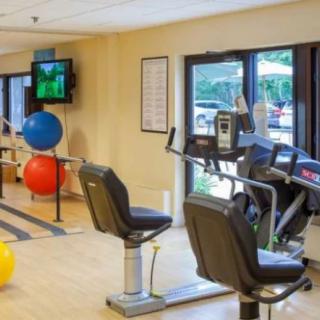
  • Fitness room Fitness roomHaving a fitness room in a senior living community is essential for seniors to stay active, maintain their physical health, and improve their overall well-being. Regular exercise can help prevent falls, reduce the risk of chronic diseases, and promote mental sharpness. It also provides social opportunities for residents to connect with others and enjoy a sense of community.
  • Fully furnished Fully furnishedFully furnished senior living communities are important for seniors because they provide convenience, comfort, and a hassle-free moving experience. Seniors can easily settle into their new living space without the stress of having to buy and move furniture. This allows them to focus on enjoying their new home and community.
  • Gaming room Gaming roomGaming rooms are important for seniors as they provide a fun and engaging environment for socializing, cognitive stimulation, and physical activity. Games can improve memory, problem-solving skills, and overall mental well-being while fostering friendships and reducing feelings of isolation.
  • Garden GardenGardens are important for seniors as they provide a peaceful and therapeutic environment for relaxation, physical activity, and socialization. Being in nature has been shown to reduce stress, improve mood, and promote overall well-being. Gardens also offer opportunities for seniors to engage in gardening activities, which can improve mobility, flexibility, and cognitive function. Additionally, gardens create a sense of community and connection with others who share a passion for plants and outdoor spaces.
  • Housekeeping services Housekeeping servicesHousekeeping services are important for seniors because they help maintain a clean and safe living environment, promote independence, and reduce the risk of accidents or illnesses. Additionally, having assistance with household chores can alleviate physical strain and allow seniors to focus on other aspects of their well-being.
  • Kitchenette KitchenetteKitchenettes are important for seniors living in senior living communities because they provide the convenience and independence of being able to prepare simple meals and snacks in the comfort of their own living space. This can help promote a sense of autonomy and well-being for seniors, allowing them to maintain some level of control over their dietary choices and daily routines.
  • Move-in coordination Move-in coordinationMove-in coordination is important for seniors because it helps ease the transition into their new living environment. It ensures that all logistics, such as packing, organizing movers, and setting up utilities are taken care of, allowing seniors to focus on settling in and adjusting to their new home. Having a smooth move-in process can alleviate stress and anxiety, making the transition smoother and more enjoyable for seniors.
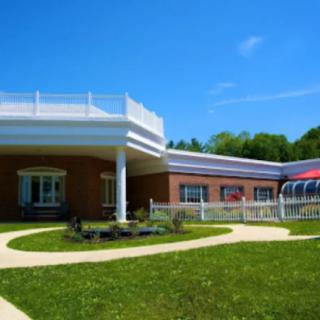
  • Outdoor space Outdoor spaceOutdoor spaces are important for seniors as they provide opportunities for physical activity, social interaction, exposure to natural light and fresh air, and a sense of connection to nature. Having access to outdoor spaces can improve overall well-being and quality of life for older adults living in senior communities.
  • Private bathrooms Private bathroomsPrivate bathrooms are important for seniors in senior living communities because they provide independence, dignity, and comfort. Having a private bathroom allows seniors to maintain their personal hygiene routines without the need for assistance, promoting a sense of autonomy and privacy. Additionally, private bathrooms help prevent the spread of infections and provide a safe and clean environment for seniors to navigate safely.
  • Restaurant-style dining Restaurant-style diningRestaurant-style dining is important for seniors because it allows them to enjoy delicious, nutritious meals in a social and upscale setting. This enhances their dining experience, promotes healthy eating habits, and fosters socialization with fellow residents, ultimately contributing to their overall well-being and quality of life.
  • Small library Small librarySmall libraries are important for seniors as they provide access to a variety of reading materials, including books, newspapers, and magazines. This can help stimulate their minds, keep them engaged, and provide a sense of community through book clubs and other social activities. Additionally, reading has been shown to improve cognitive function and overall mental well-being in older adults.
  • Telephone TelephoneTelephones are important for seniors as they provide a lifeline for communication with loved ones, emergency services, and healthcare providers. They offer a sense of security and independence, enabling seniors to stay connected and access assistance when needed.
  • Wellness center Wellness centerWellness centers are important for seniors because they offer a variety of programs and services that promote physical, mental, and emotional well-being. These centers provide opportunities for exercise, socialization, education, and relaxation, helping seniors maintain their overall health and quality of life.
  • Wi-Fi/high-speed internet available Wi-Fi/high-speed internet availableWi-Fi/high-speed internet is important for seniors to stay connected with loved ones, access online resources, and participate in virtual activities to combat feelings of loneliness and isolation. It also allows them to easily manage healthcare needs, access entertainment, and engage in lifelong learning opportunities.

Transportation

  • Community operated transportation Community operated transportationCommunity operated transportation is crucial for seniors as it provides them with the means to access essential services, social activities, and medical appointments. It allows seniors to maintain their independence and quality of life by ensuring they can participate in activities outside of their homes. Additionally, community-operated transportation services offer a safe and reliable way for seniors to travel without having to rely on family or friends for assistance.
  • Transportation arrangement Transportation arrangementTransportation arrangements are crucial for seniors as they may face challenges with driving, mobility, or access to public transportation. Having reliable transportation services ensures that seniors can easily attend appointments, social activities, and maintain their independence and quality of life.
  • Transportation arrangement (non-medical) Transportation arrangement (non-medical)Transportation arrangements are essential for seniors as they provide access to essential services, activities, and social interactions outside the home. This service helps maintain independence, mobility, and overall well-being for seniors who may have limited transportation options.
  • Transportation to doctors appointments Transportation to doctors appointmentsTransportation to doctors appointments is crucial for seniors as it ensures they have access to necessary medical care and support, promoting their health and well-being. It allows them to receive timely treatment, monitor existing conditions, and address any new health concerns efficiently. Additionally, transportation services can help seniors maintain their independence and quality of life by enabling them to stay connected with their healthcare providers.

Care Services

  • 12-16 hour nursing 12-16 hour nursing12-16 hour nursing care is crucial for seniors in order to ensure around-the-clock monitoring, timely medication administration, and prompt response to any health concerns or emergencies. This level of care helps to promote the overall well-being and safety of seniors living in senior living communities.
  • 24-hour call system 24-hour call system24-hour call systems are important for seniors because they provide peace of mind and immediate assistance in case of emergencies. This technology ensures that help is always available, promoting safety and security for elderly individuals living alone or in assisted living facilities.
  • 24-hour supervision 24-hour supervision24-hour supervision is important for seniors to ensure their safety, well-being, and access to immediate assistance in case of emergencies or health issues. This constant support provides peace of mind for both seniors and their loved ones, allowing them to age in place with dignity and security.
  • Activities of daily living assistance Activities of daily living assistanceActivities of daily living assistance are important for seniors because they provide essential support with tasks such as eating, bathing, dressing, and mobility. This assistance helps seniors maintain their independence, dignity, and overall quality of life as they age.
  • Assistance with bathing Assistance with bathingAssistance with bathing is crucial for seniors as it helps maintain personal hygiene, prevents infections, and ensures their overall well-being and comfort. It also provides a sense of dignity and independence for seniors who may struggle with this task on their own.
  • Assistance with dressing Assistance with dressingAssistance with dressing is important for seniors because it helps maintain their independence, promotes personal hygiene, prevents accidents and injuries, and improves overall quality of life. This service ensures that seniors can continue to dress comfortably and confidently, despite any physical limitations they may have.
  • Assistance with transfers Assistance with transfersAssistance with transfers is crucial for seniors as it helps prevent falls and injuries, maintains their independence, and ensures they can safely navigate their living environment. It also provides peace of mind for both seniors and their loved ones.
  • Diabetes diet Diabetes dietA diabetes diet is crucial for seniors as it helps manage blood sugar levels, reduce risks of complications, and improve overall health and well-being. By following a balanced and nutritious diet tailored to their specific needs, seniors can better control their diabetes and enhance their quality of life.
  • Meal preparation and service Meal preparation and serviceMeal preparation and service are crucial for seniors as they may have limited mobility or energy to cook nutritious meals. Having access to healthy and convenient food options can ensure they are getting the proper nutrition needed to maintain their overall health and well-being.
  • Medication management Medication managementMedication management is crucial for seniors to ensure they are taking the right medications at the correct dosages and times. This helps prevent adverse drug interactions, reduces the risk of medication errors, and promotes overall health and well-being. Proactive management also allows for adjustments as needed based on changing health conditions or new prescriptions.
  • Mental wellness program Mental wellness programMental wellness programs are essential for seniors as they promote cognitive stimulation, emotional support, and social engagement. These programs help prevent isolation, depression, and cognitive decline, ultimately enhancing the overall quality of life for older adults.
  • Special dietary restrictions Special dietary restrictionsSpecial dietary restrictions are important for seniors because age-related changes in metabolism and health conditions can make it difficult for their bodies to process certain foods. By following a diet tailored to their specific needs, seniors can maintain their overall health and well-being, manage chronic conditions, and reduce the risk of complications such as malnutrition or food interactions with medications.

Dining

  • Diabetes diet Diabetes dietA diabetes diet is crucial for seniors as it helps manage blood sugar levels, reduce risks of complications, and improve overall health and well-being. By following a balanced and nutritious diet tailored to their specific needs, seniors can better control their diabetes and enhance their quality of life.
  • Special dietary restrictions Special dietary restrictionsSpecial dietary restrictions are important for seniors because age-related changes in metabolism and health conditions can make it difficult for their bodies to process certain foods. By following a diet tailored to their specific needs, seniors can maintain their overall health and well-being, manage chronic conditions, and reduce the risk of complications such as malnutrition or food interactions with medications.

Activities

  • Community-sponsored activities Community-sponsored activitiesCommunity-sponsored activities are important for seniors as they provide opportunities for social interaction, mental stimulation, and physical activity. These activities can help improve overall well-being, combat loneliness and isolation, and promote a sense of belonging and purpose among older adults.
  • Concierge services Concierge servicesConcierge services are essential for seniors as they provide assistance with daily tasks and errands, enhance their quality of life by offering convenience and personalized care, and promote a sense of safety and security.
  • Fitness programs Fitness programsFitness programs are crucial for seniors as they help improve strength, flexibility, balance, and overall well-being. Staying active can reduce the risk of chronic diseases, improve mental health, and enhance quality of life in older adults.
  • Planned day trips Planned day tripsPlanned day trips are important for seniors because they offer opportunities for socialization, mental stimulation, and physical activity. They provide a change of scenery and help seniors stay engaged and connected to their community, promoting overall well-being and quality of life.
  • Resident-run activities Resident-run activitiesResident-run activities are important for seniors as they encourage social interaction, creativity, and a sense of autonomy. These activities empower seniors to stay engaged and active in their community while fostering meaningful connections with their peers.
  • Scheduled daily activities Scheduled daily activitiesScheduled daily activities are important for seniors because they provide structure, socialization, mental stimulation, and physical activity. Engaging in regular activities can improve overall well-being and quality of life for seniors living in a community setting.

Description

North Adams Commons Nursing & Rehabilitation Center is a premier assisted living community located in North Adams, MA. Our community offers a wide range of amenities and exceptional care services to ensure our residents enjoy a comfortable and fulfilling lifestyle.

Our residents can take advantage of various amenities designed to enhance their daily lives. They can pamper themselves at our beauty salon or relax in front of their cable or satellite TV in the privacy of their fully furnished rooms. For those who prefer to stay active, we have a fitness room and wellness center where they can engage in exercise programs tailored to their needs. Our computer center allows residents to stay connected with loved ones and explore the world through high-speed internet access.

Mealtimes at North Adams Commons are a delightful experience. Our dining room provides restaurant-style dining, where residents can savor delicious meals prepared by our talented culinary team. Special dietary restrictions are accommodated, ensuring that all nutritional needs are met.

Engaging in activities is an integral part of our community's vibrant atmosphere. We offer concierge services to assist residents with planning day trips and engaging in resident-run activities. Scheduled daily activities cater to various interests, promoting social interaction and mental stimulation.

Our convenient location allows easy access to essential services and attractions nearby. Residents will find three cafes within close proximity for coffee outings with friends or family. Two parks provide serene outdoor spaces for leisurely walks or picnics. Pharmacies are within reach for quick medication refills, while physicians are readily available for medical consultations or check-ups.

For transportation needs, we offer both community-operated transportation as well as transportation arrangements for non-medical purposes and doctor appointments.

At North Adams Commons Nursing & Rehabilitation Center, we prioritize the well-being and satisfaction of our residents. With exceptional care services, plentiful amenities, and a warm community environment, we invite individuals seeking assisted living options to join us in experiencing a fulfilling and comfortable lifestyle.

Nearby Places of Interest

Physicians

  • Advanced Eyecare PC (0.4 miles)
  • Berkshire Medical Center (0.4 miles)
  • Northern Berkshire Obgyn (0.4 miles)
  • Sheffield, Mary Williamstown Medical of Bmc (0.4 miles)
  • Cardiology Associates (0.4 miles)
  • Northern Berkshire Pediatrics (0.4 miles)
  • Williamstown Medical Associates PC (0.4 miles)

Hospitals

  • North Adams Regional Hospital (0.4 miles)
  • Northern Berkshire Healthcare (0.4 miles)

Cafes

  • Linda's Cafe (0.5 miles)
  • Tunnel City Coffee (0.8 miles)
  • Lickety-Split (0.8 miles)
  • Tunnel City Coffee (5.3 miles)
  • Daily Grind (5.9 miles)
  • Well's Provisions Cafe & Market (12.9 miles)
  • The Loose Cannon Cafe (13.1 miles)

Pharmacies

  • CVS Pharmacy (0.7 miles)
  • Walgreens (4.2 miles)
  • Harts'pharmacists (5.2 miles)
  • Walgreens (13 miles)
  • Extended Care Pharmacy (13 miles)
  • The Pharmacy (13 miles)
  • Equine Ventures (13 miles)

Places of Worship

  • First Baptist Church (0.7 miles)
  • First Baptist Church (4.9 miles)
  • St Patrick's Catholic Church (5 miles)
  • Thompson Memorial Chapel (5.2 miles)
  • First Congregational Church (5.2 miles)
  • Southern Baptist Convention (12.3 miles)
  • First Church of Christ Scientist (12.6 miles)

Restaurants

  • PUBLIC eat+drink (0.7 miles)
  • Freight Yard Restaurant & Pub (1 miles)
  • Korean Garden (1 miles)
  • Craft Food Barn (1.4 miles)
  • Golden Eagle Restaurant (2 miles)
  • Renee's Diner (2.1 miles)
  • Pedrin's Dairy Bar (2.9 miles)

Parks

  • Western Gateway Heritage State Park (1 miles)
  • Spruces Park (4 miles)
  • Woodford State Park (13.1 miles)
  • Colgate Park (13.9 miles)

Transportation

  • American Cab Co. (1.4 miles)
  • Bennington Taxi (12.8 miles)
  • U-Haul Moving & Storage (13 miles)
  • U-Haul Neighborhood Dealer (13 miles)
  • Bennington Bus Stop - Amtrak/Vermont Translines (13.1 miles)
  • Alamo (13.8 miles)

Frequently Asked Questions

Where is North Adams Commons Nursing & Rehabilitation Cente?
What photos are available for North Adams Commons Nursing & Rehabilitation Cente in North Adams, Massachusetts?

Nearby Communities

Skilled Nursing Facility in Nearby Cities

Related Resources

  • skilled nursing facility vs nursing homeSkilled Nursing Facilities vs. Nursing Homes: Making Sense of the Differences

    Skilled nursing facilities (SNFs) provide high-level medical care and rehabilitation for short-term recovery, typically covered by Medicare after hospitalization, while nursing homes focus on ongoing custodial care for chronic conditions, mainly funded by Medicaid or private payments. The staffing and regulatory structures differ significantly between the two, necessitating clarity for families in choosing appropriate long-term care options.

  • nursing home costsA Detailed Examination of Nursing Home Costs Across the U.S.
    Nursing home care costs in the U.S. vary significantly based on location, level of care, and amenities, with private room prices ranging from approximately $6,700 to over $30,000 monthly. Families need to explore various payment options and conduct thorough research to manage these expenses effectively.

  • non medical home careExploring Nonmedical Home Care: Understanding Services, Costs, and Financial Approaches
    Nonmedical home care provides assistance with daily activities and companionship for individuals wishing to maintain independence and quality of life at home, without medical intervention. Its growing popularity is driven by an aging population, the need for supportive environments for recovery, and the emotional benefits of caregiver companionship, while costs vary based on service frequency and location.