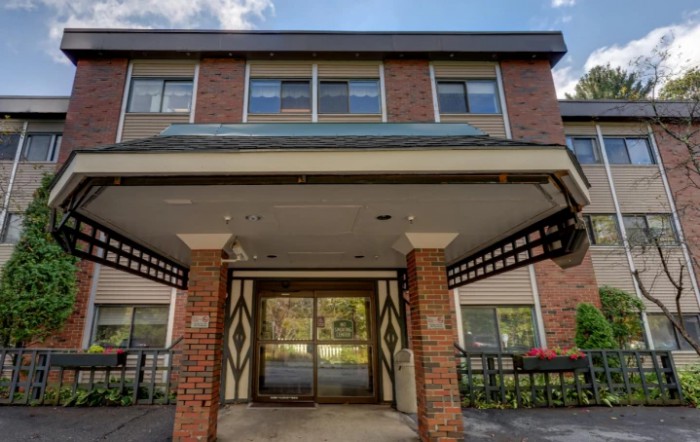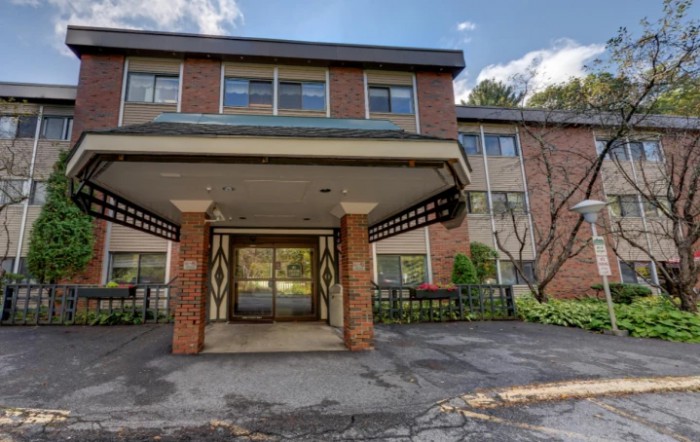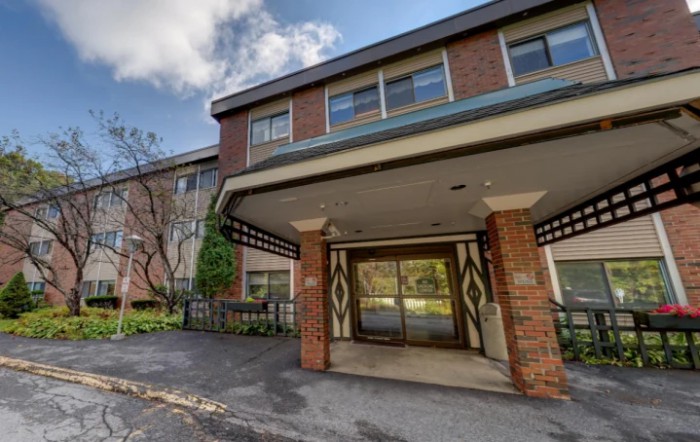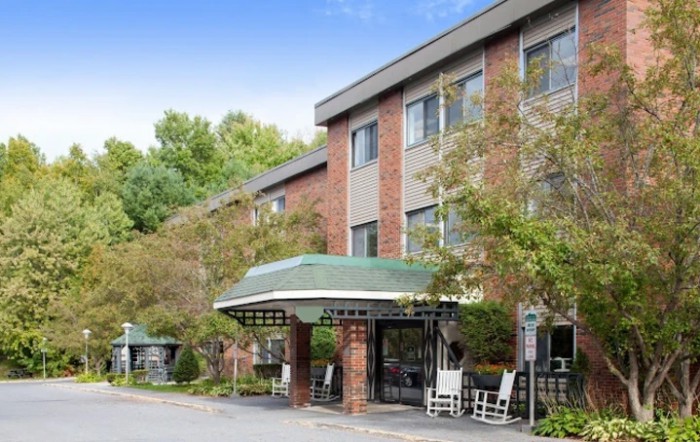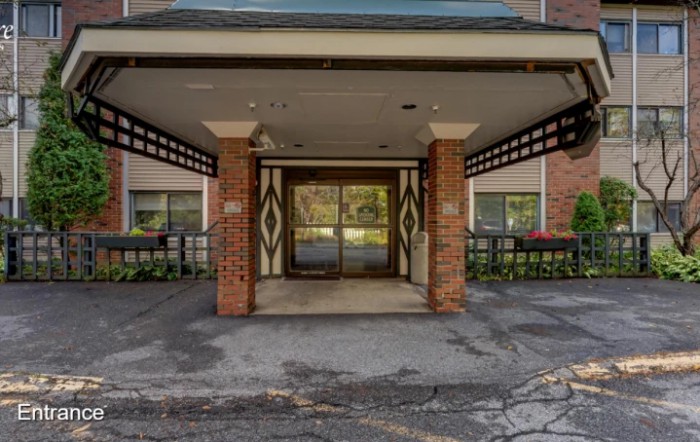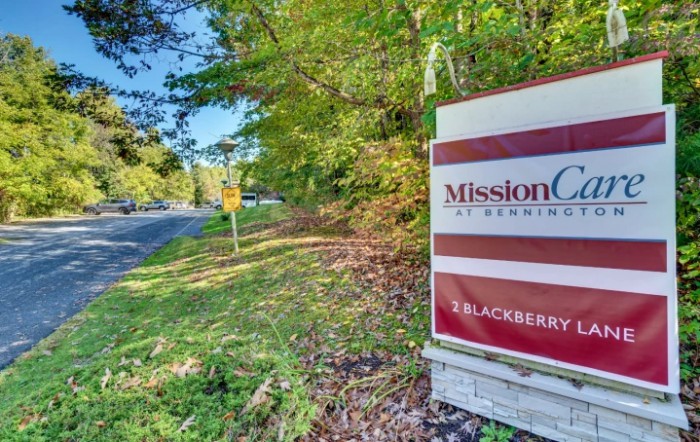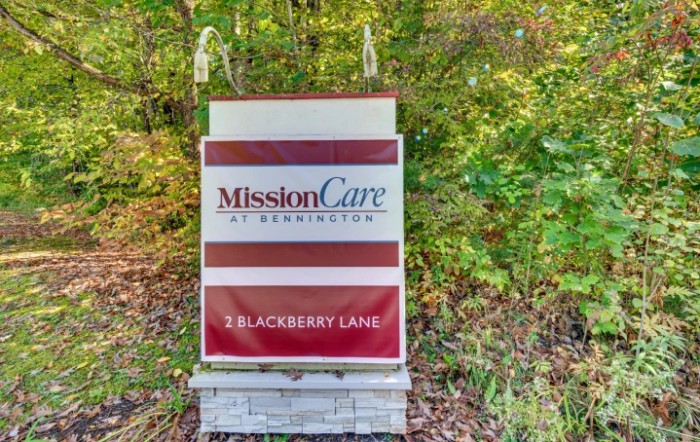



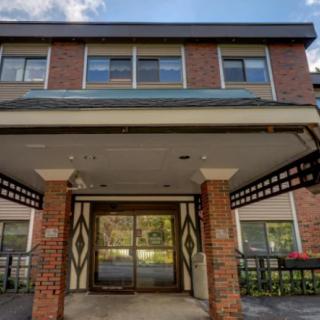

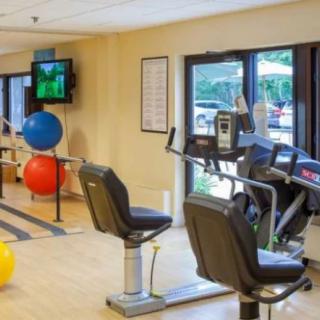
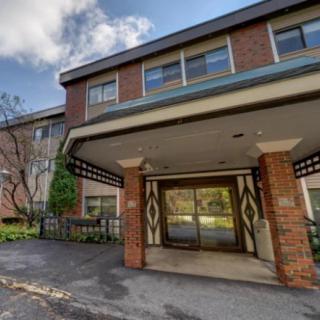
2 Blackberry Lane, Bennington, VT 05201
For more information about senior living options: (866) 208-4318
Overall Review of Bennington Health and Rehabilitation Center
Pros
 The staff are extremely helpful and friendly.
- They go above and beyond to make residents feel welcome and comfortable.
- The nurses take good care of residents, with improvements noted after staff changes.
- Family members are kept updated on residentsā€™ status by the nurses and staff.
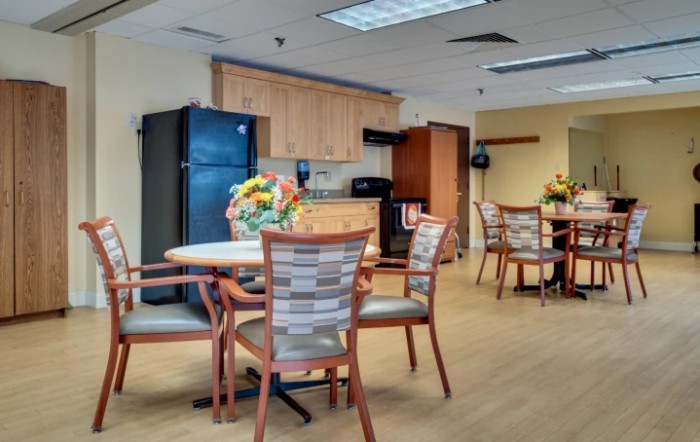
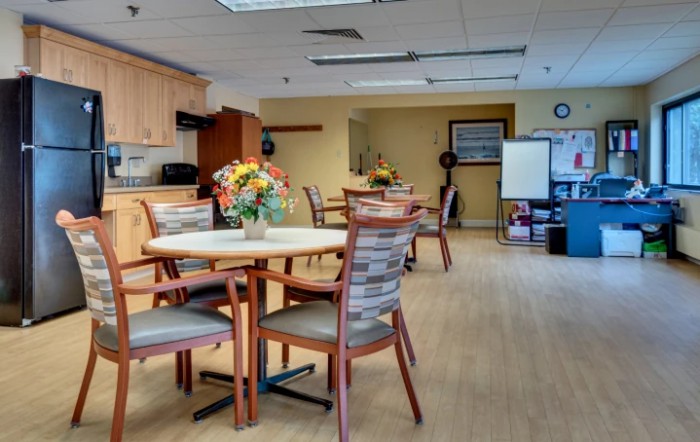
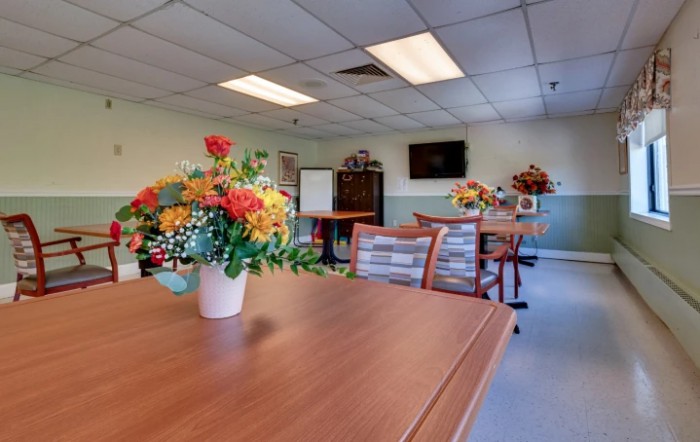
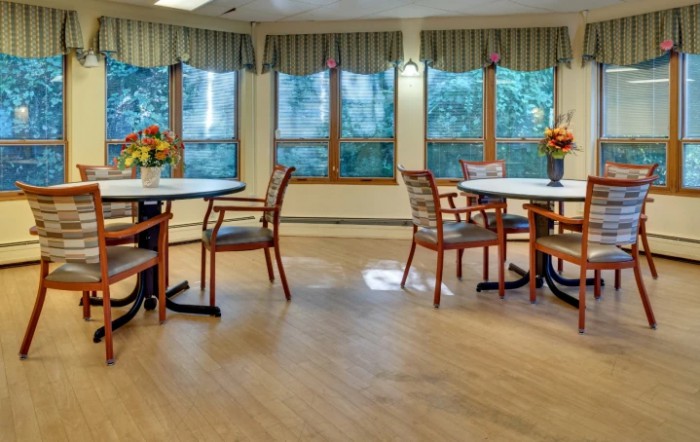
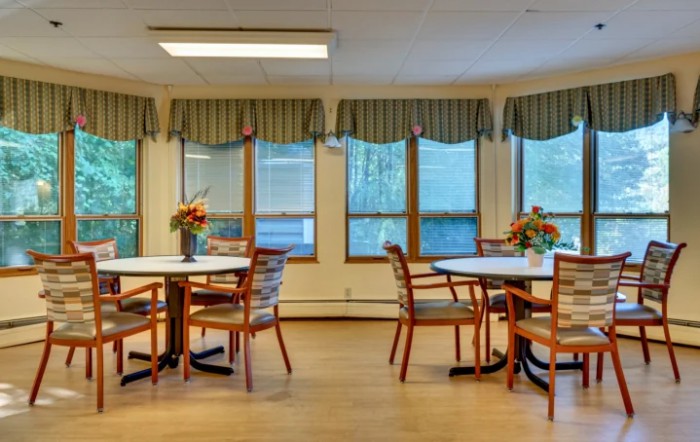
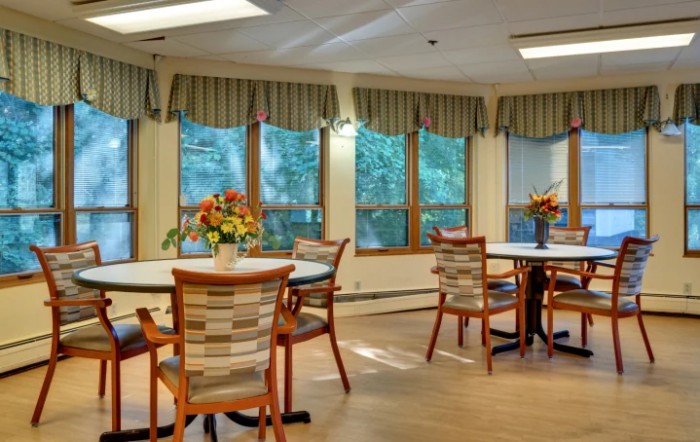
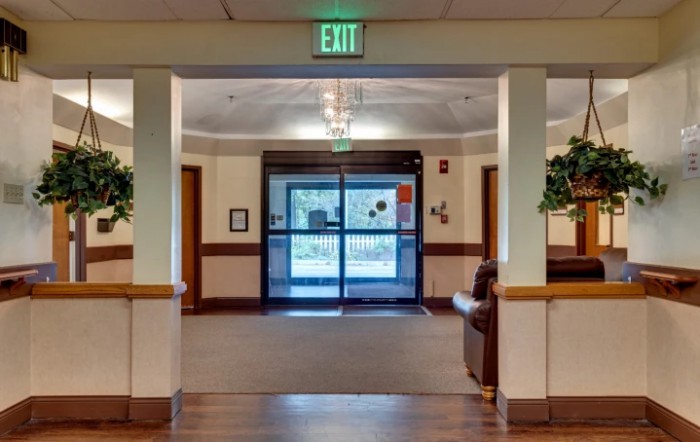
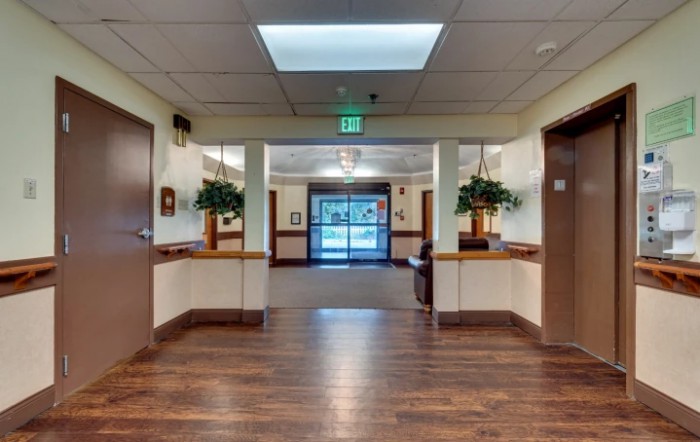
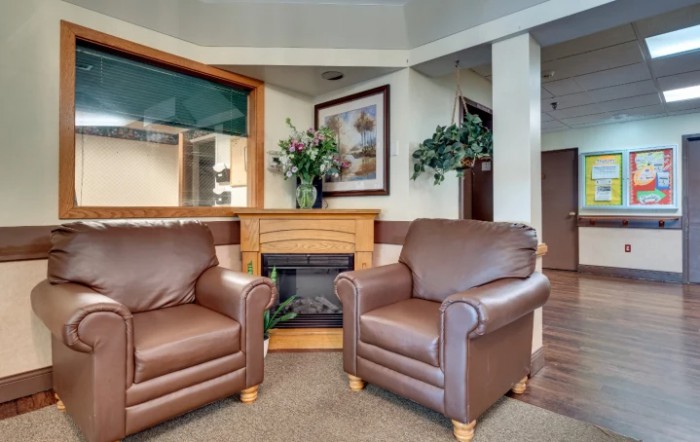
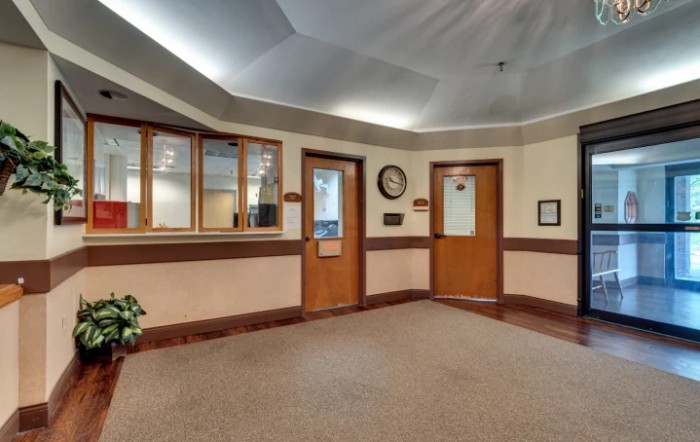
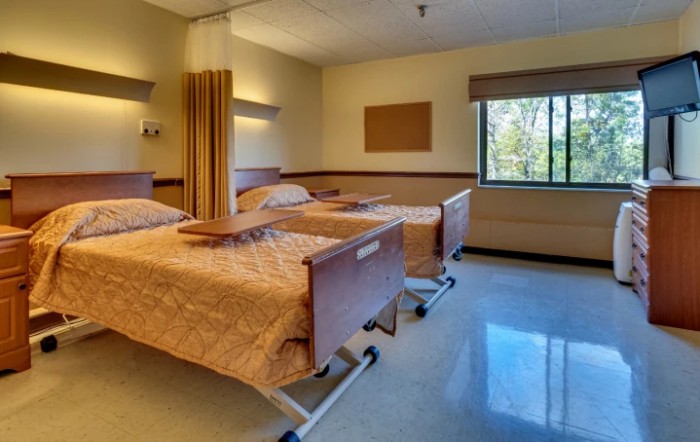
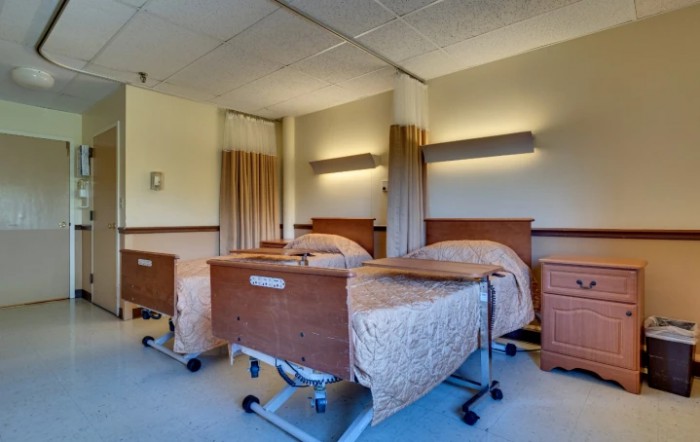
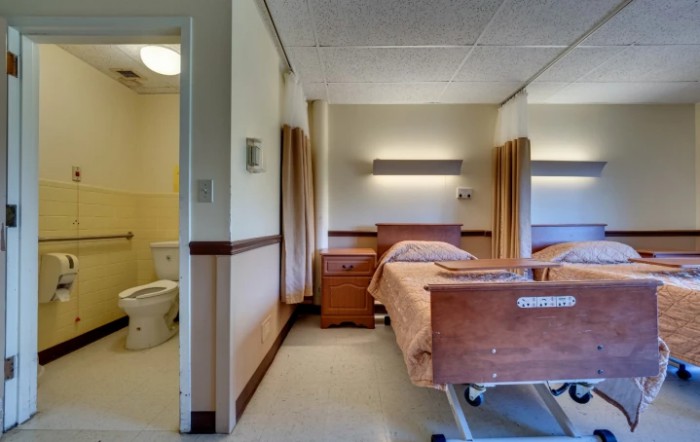
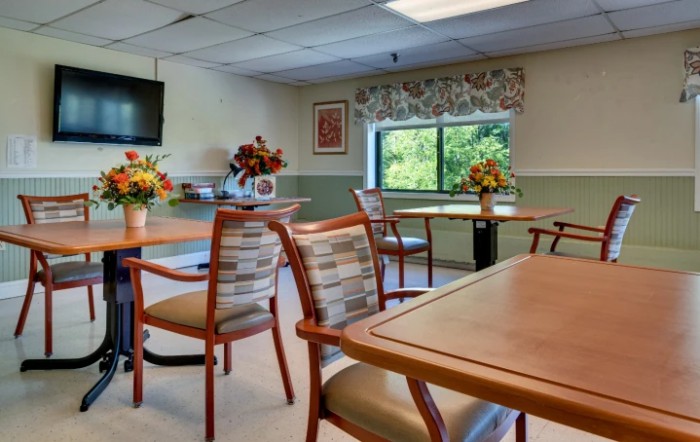
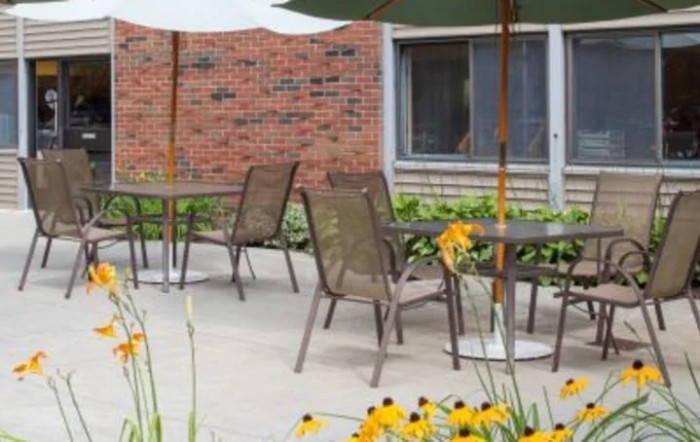
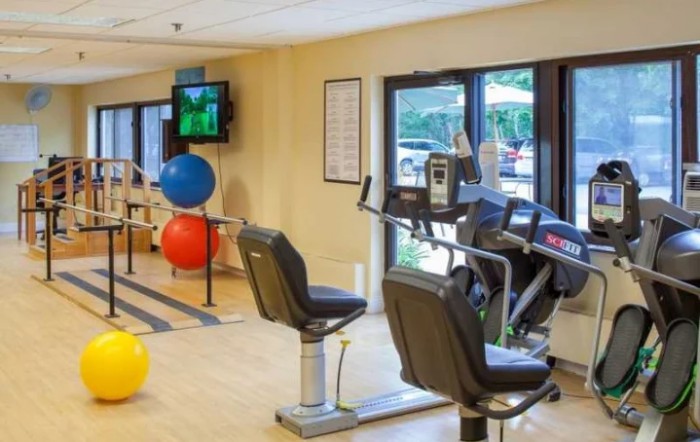
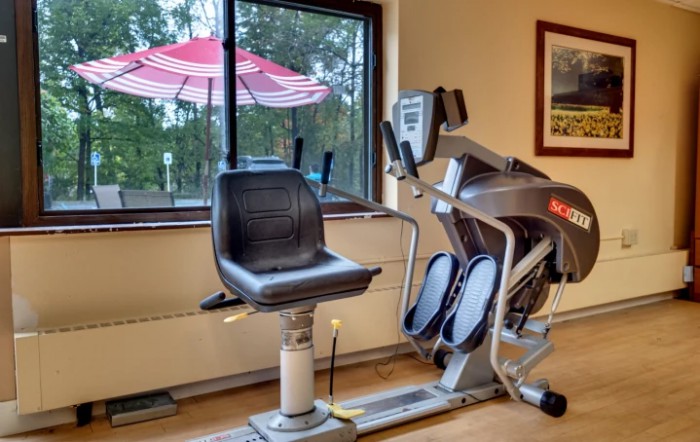
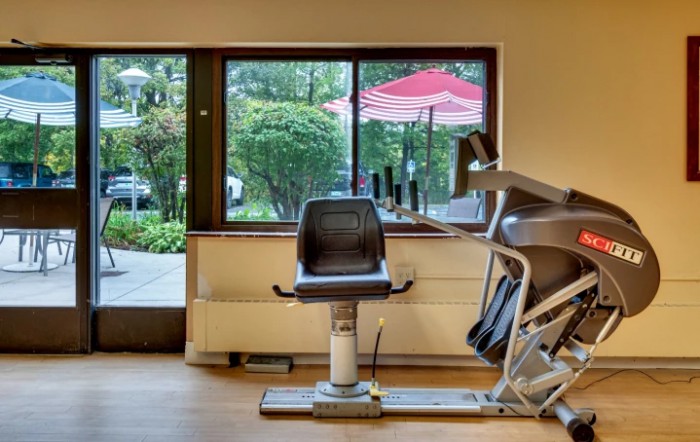
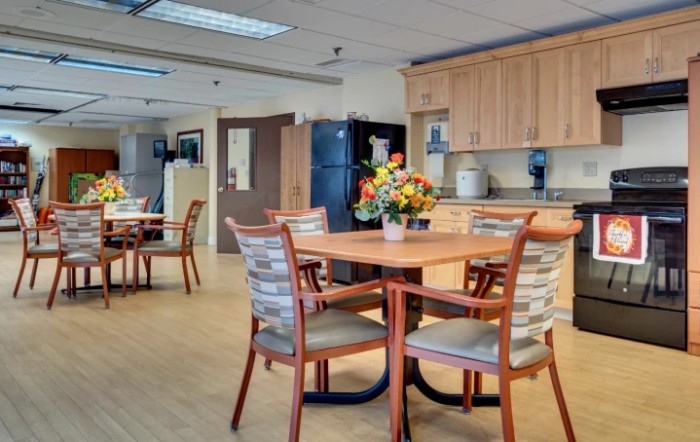
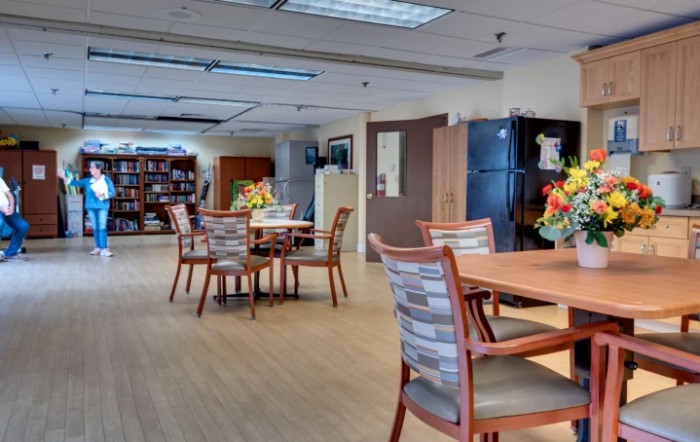
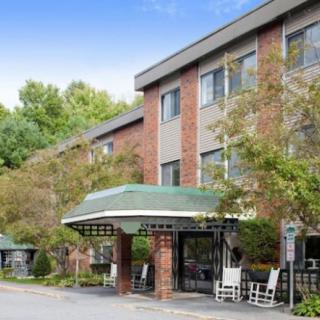
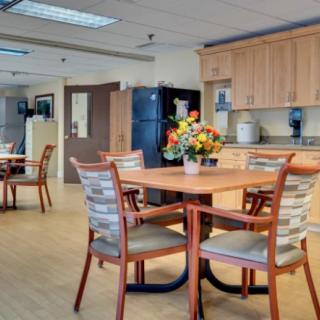
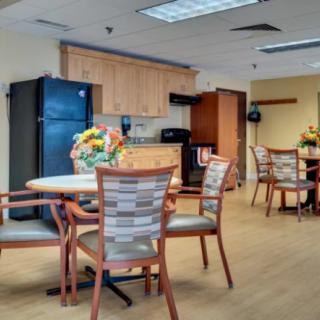
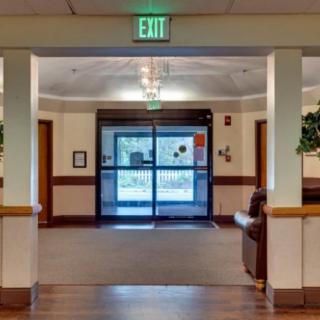
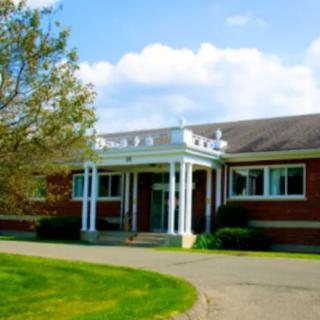
- The facility is clean, neat, and well-kept, with a modern interior.
- The financial office staff provide helpful guidance through processes like Medicaid.
- The Covid-19 response has been rapid and precise, resulting in very few residents contracting Covid.
Cons
 The staff, management, and social services provide extremely low to no follow-up on questions or concerns from patient representatives.
- They never or infrequently return phone calls.
- They fail to provide needed care updates on resident health or concerns about inadequate services.
- They promise to improve communication via email, phone, or letter, but the situation still fails to improve.
- The reviewer must post publicly to elicit a response, and the owner's reply is perceived as generic with no real outreach.
Review
Bennington Health and Rehabilitation Center is best suited for families seeking a warm, resident-focused environment where caregiving is tangible, stable, and backed by a compassionate team. The community shines when residents need steady, hands-on nursing support and an atmosphere that values social engagement. It appeals to families who want a clean, well-kept setting, where staff are approachable, and where long-tenured caregivers contribute to a sense of continuity. For seniors who prize day-to-day warmth, predictable routines, and meaningful activities over high-end frills, this is a solid match.
Those weighing alternatives should especially consider options that promise consistently proactive communication and transparent caregiver updates. If timely responses to questions, regular health status reports, and clear escalation pathways are non-negotiable, this facility may fall short unless a concrete plan for communication is established up front. Families relying on a trusted point of contact to navigate care decisions will want to confirm how caregivers, nurses, and administration coordinate updates and how quickly concerns are addressed.
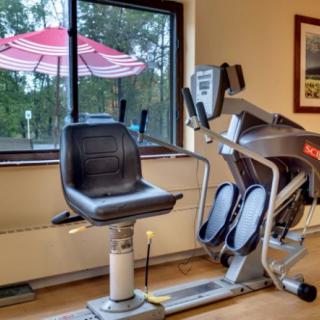
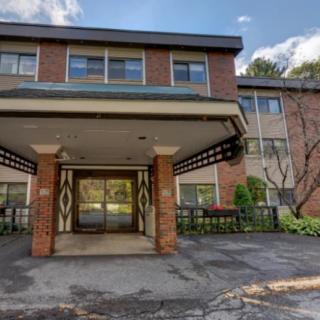
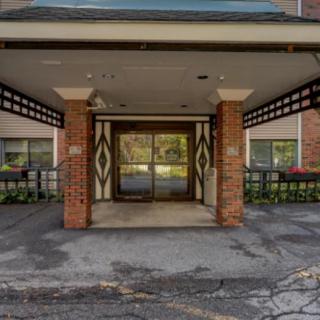
On the positive side, the core strengths are clear and meaningful. Staff are described as extremely helpful and friendly, with caregivers who go the extra mile to create a welcoming environment for residents and families. The nursing team is attentive, and there are multiple anecdotes of updates and progress being communicated by nurses and floor staff during visits. The facility itself is noted for cleanliness and a practical, well-kept interior, even if the exterior reads as older. The presence of robust activity options and a sense of community contributes to a livelier day-to-day life for residents, which matters for mood, engagement, and overall well-being. Financial office staff are praised for guiding families smoothly through Medicaid processes, reducing some of the administrative burden that often accompanies skilled care.
However, the most consistent concern centers on follow-up and communication. Several reviews highlight extremely low or inconsistent responses to questions and concerns from patient representatives, with calls not returned and health updates not promptly shared. This disconnect can leave families feeling left in the dark during important health changes, which undermines trust and complicates decision-making for an already stressful period. A review from a durable power of attorney illustrates the level of frustration when the expected channels of accountability fail to deliver timely information. In short, administrative responsiveness is the main pressure point that can tilt a favorable impression toward hesitation.
These communication gaps do not erase the tangible caregiving strengths, but they do limit how fully the positive aspects can translate into peace of mind. The pros, staff warmth, consistent nursing care, a welcoming atmosphere, a clean and orderly environment, and engaging activities, remain compelling. When caregivers and management back this with reliable, ongoing updates and a clear, predictable communication plan, the overall value rises significantly. Until that consistency is universal, families must weigh comfort and daily experience against the potential for delayed or incomplete health information.
For families making a decision, the practical path is to test the communication process as part of the tour. Ask for direct contacts in both nursing and administration, request a written plan for routine updates, and solicit explicit timelines for calls or emails after changes in health status. Consider how the facility handles medication changes, discharge planning, and escalation to supervisors when issues arise. If the answer feels concrete and accountable, Bennington Health and Rehabilitation Center delivers real-day benefits: genuine warmth, solid hands-on care, and a lived-in sense of community that makes it more than just a place to rest. If not, alternatives with sharper transparency and more proactive family engagement should be pursued without delay.
 21 resident community capacity
 Assisted Living
 Skilled Nursing Facility
 Beauty salon
 Cable or satellite TV
 Dining room
 Fully furnished
 Garden
 Housekeeping services
 Kitchenette
 Move-in coordination
 Outdoor space
 Telephone
 Wi-Fi/high-speed internet available
 24-hour call system
 Activities of daily living assistance
 Assistance with bathing
 Assistance with dressing
 Assistance with transfers
 Diabetes diet
 Meal preparation and service
 Medication management
 Mental wellness program
 Special dietary restrictions
 Transportation arrangement (medical)
 Transportation to doctors appointments

 Vibrant Senior Living: A Comprehensive Guide for Active Older Adults
 When to Transition from Assisted Living to Memory Care: Key Indicators, Steps, and Finding the Right Community
 Assisted Living and Memory Care: Understanding Their Core Differences