314 Marion Road, Middleborough, MA 02346
For more information about senior living options: (866) 208-4318
Overall Review of Nemasket Healthcare Center
Pros
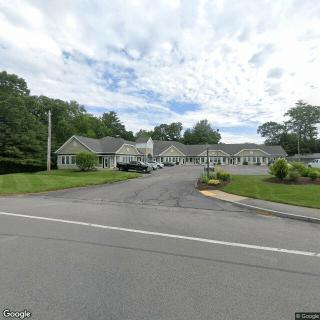
 Nemasket Healthcare Center is very clean and well-maintained in a lovely setting.
- There are many employees who truly seem to care and are doing a great job.
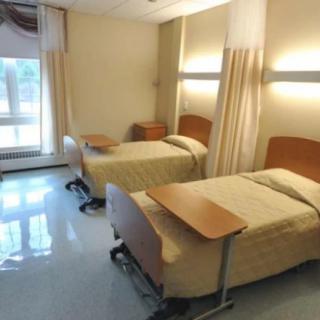
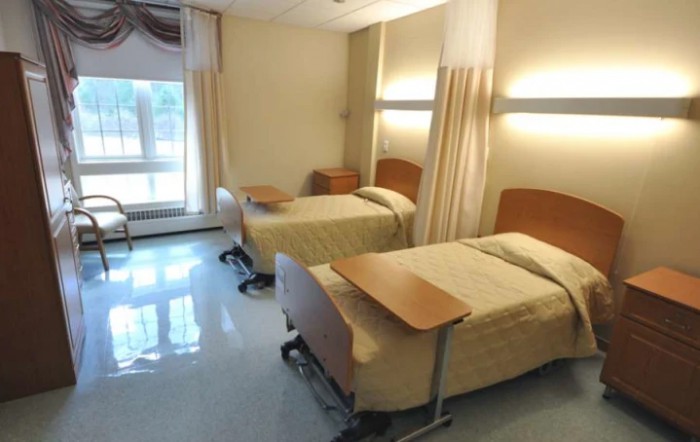
- The facility is clean, well-staffed, and the patient rooms are spacious.
- All rooms offer beautiful views of green areas with trees and flowers.
- The staff is very responsive to the patients' needs.
- The food is very good.
- Sanitation is second to none, and the activities are engaging with daily variety.
Cons
 Nemasket's leadership is not well-suited for the business, fostering a culture of “anything goes” with no accountability.
- A CNA is alleged to have sworn and yelled at a resident, berating him for wetting the bed overnight.
- The administrator allegedly demeaned a family member in front of staff, with the parent company standing by.
- There have been numerous mistakes in medical and therapy records, and corrections are refused.
- An RN told the resident they are “institutionalized” and do not need to know about their care, despite the resident’s cognitive competence.
- The facility is described as short-staffed, causing residents to sit in wet clothes for hours.
- There are serious issues with communication and coordination among departments.
- The reviewer would not recommend Nemasket to anyone and urges others to stay away.
Review
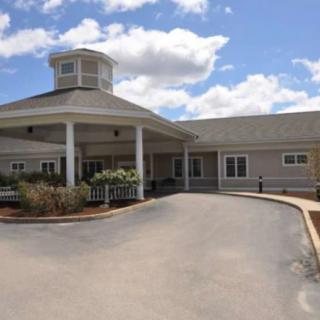
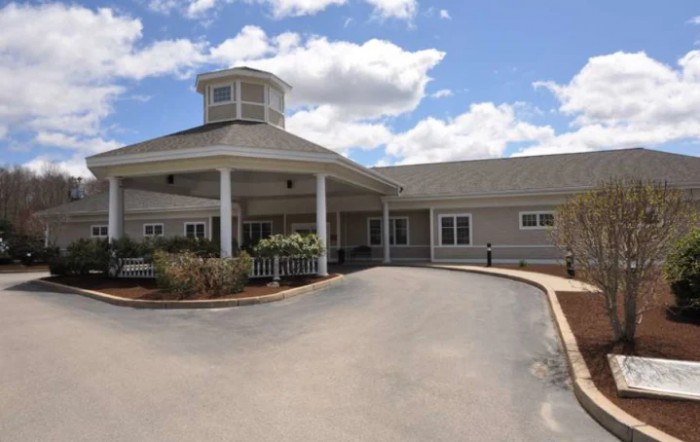
Nemasket Healthcare Center in Middleborough, MA is best suited for families that prize a clean, well-maintained campus with a calm, single-story layout and steady daytime programming. It works well for residents who want dependable daily routines, comfortable rooms with garden views, and a facility where front-line aides and therapists can be relied upon to respond promptly. For families who can stay engaged, advocate consistently, and demand transparent care planning, Nemasket can deliver a solid baseline of dignity, sanitation, and activity that makes day-to-day life less burdensome.
However, those seeking rock-solid consistency in leadership and care coordination may want to compare alternatives. The most concerning patterns across multiple experiences include a leadership culture with perceived lax accountability, miscommunication between departments, and a willingness to overlook or retaliate against families raising concerns. Prospective residents who require rigorous medical oversight, timely documentation, and steady rehabilitation progress may find Nemasket's strengths insufficient if management discipline is uneven. If this describes a priority, look for facilities with proven executive stability and stringent policy enforcement.
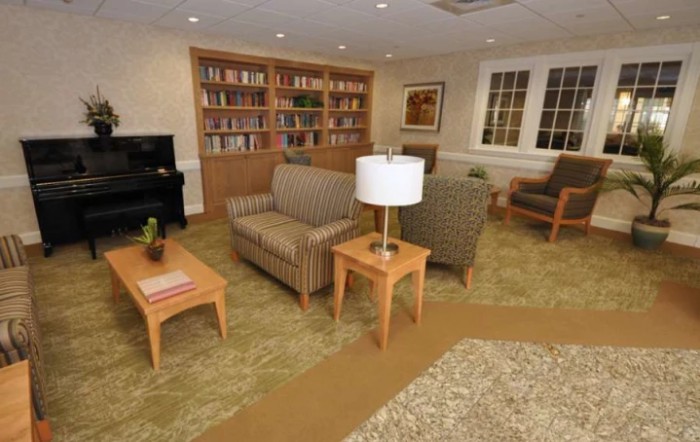
On balance, the facility’s core strengths lie in the physical environment and frontline care. The building is consistently clean and well maintained, with rooms that feel spacious and unclustered, all on a single floor. Residents benefit from pleasant views, which matter for morale. Front-line caregivers in many shifts are attentive, responsive, and capable of delivering daily routines, meals, hygiene, mobility assistance, and activities, with warmth. The campus also earns praise for sanitation and the quality of food, along with a calendar of daily activities that keeps residents engaged. Taken together, these advantages create a livable, dignified baseline experience when leadership is aligned with staff.
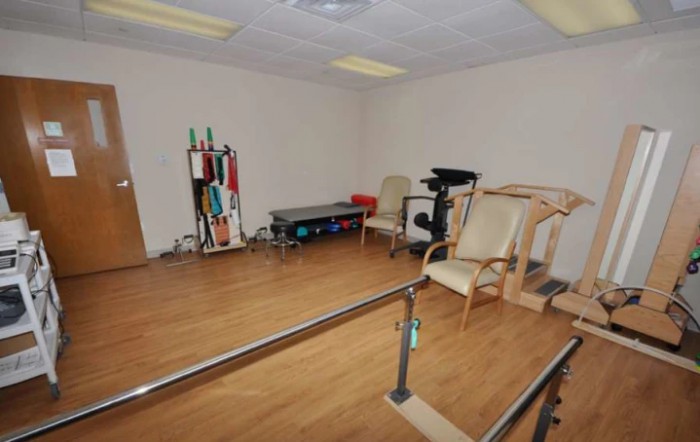
Yet the most consequential weaknesses are not cosmetic. Several families describe a troubling leadership dynamic where accountability is lacking and communication across departments falls through the cracks. Instances of disrespectful behavior toward residents or their families, delayed corrections to medical or therapy notes, and a perception that concerns are punished rather than addressed are repeatedly cited. Short-staffing compounds these failures, producing long wait times and occasional neglect during particularly busy periods. In one account, a resident’s health declined over months with limited exercise and engagement, and in another, a patient was effectively separated from visitation while institutional routines remained rigid. These patterns undermine the otherwise positive elements.
The favorable elements can offset some downsides if families enter with eyes wide open and a plan for active advocacy. A clean, comfortable environment, robust daytime programming, and dependable aides can sustain quality of life even when administrative processes stumble. The key is proactive engagement: verify care plans, request frequent updates, and insist on clear accountability pathways with the administrator and nursing leadership. For families with residents who will benefit from consistent rehab momentum, pair the resident’s goals with tight progress tracking, and demand timely documentation. Without disciplined leadership and staffing, the bright setting and good meals risk becoming merely attractive packaging for inconsistent care.
Bottom line: Nemasket is a tangible option for families who prize a well-kept, welcoming environment and can champion their loved one’s care through steady oversight and communication. It is less suitable for those who cannot tolerate leadership volatility, gaps in care coordination, or inconsistent rehabilitation momentum. Prospective residents should visit with a specific checklist: observe staffing during peak times, speak with front-line staff about response times, review current care plans, and ask to meet the administrator to gauge responsiveness. If choosing Nemasket, approach it as a partnership, capitalize on the facility’s strengths while actively addressing its gaps to protect safety, dignity, and meaningful daily life.
 102 resident community capacity
 Skilled Nursing Facility
 Air-conditioning
 Beauty salon
 Cable or satellite TV
 Computer center
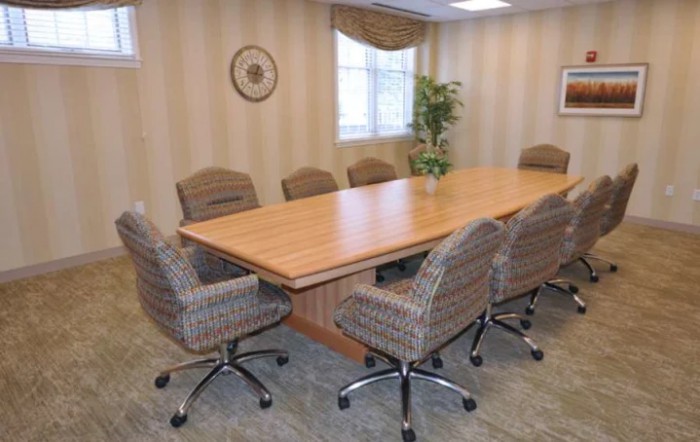
 Dining room
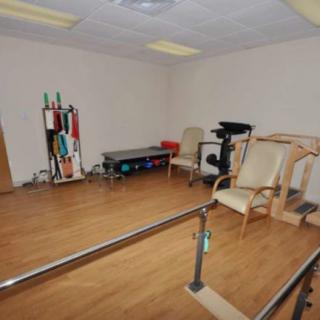
 Fitness room
 Fully furnished
 Gaming room
 Garden
 Housekeeping services
 Kitchenette
 Move-in coordination
 Outdoor space
 Private bathrooms
 Restaurant-style dining
 Small library
 Telephone
 Wellness center
 Wi-Fi/high-speed internet available
 Community operated transportation
 12-16 hour nursing
 24-hour call system
 Activities of daily living assistance
 Assistance with bathing
 Assistance with dressing
 Assistance with transfers
 Diabetes diet
 Medication management
 Mental wellness program
 Special dietary restrictions
 Concierge services
 Planned day trips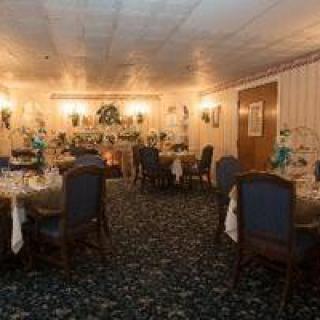





 Encouraging Participation in Adult Day Care: A Guide to Supporting a Hesitant Parent
 Comprehensive Exploration of Living Wills and Other Advance Directives
 A Detailed Exploration of Living Wills and Advance Directives