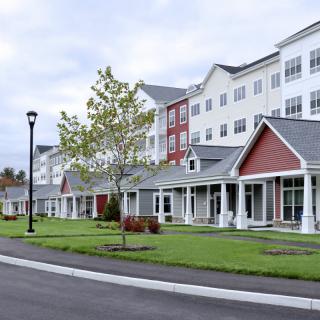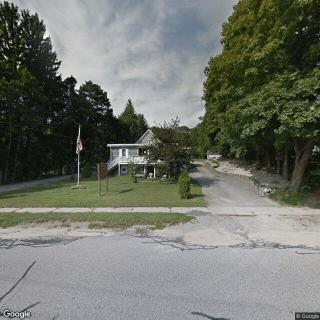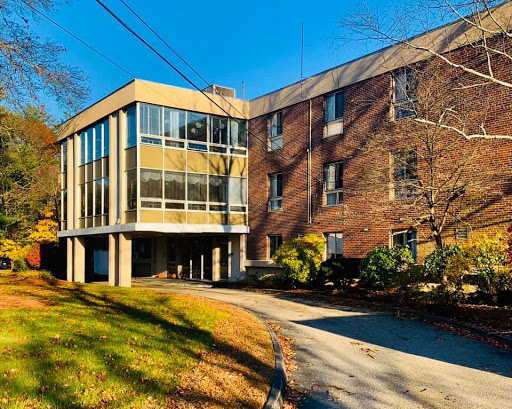
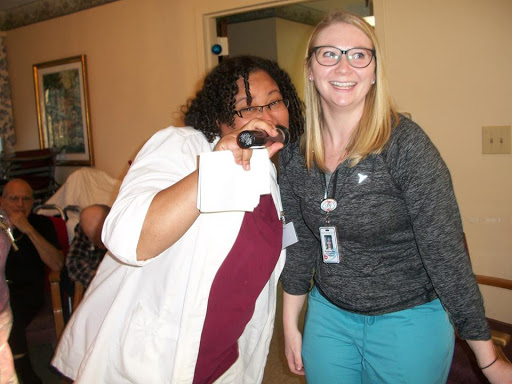


Franklin Health And Rehabilitation Center

Save
Franklin Health And Rehabilitation Center Franklin Health And Rehabilitation Center Franklin Health And Rehabilitation Center Franklin Health And Rehabilitation Center

Franklin Health And Rehabilitation Center

130 Chestnut Street, Franklin, MA 02038

For more information about senior living options: (844) 490-3973

3.3 from 20 reviews
5 stars
10
4 stars
1
3 stars
1
2 stars
0
1 stars
8

Skilled Nursing Facility

What level of care are you interested in?

Assisted Living

Memory Care

Independent Living

Skilled Nursing Facility

Continuing Care Retirement Community (CCRC)CCRC

Other


Request a tour at Franklin Health And Rehabilitation Center

    Overall Review of Franklin Health And Rehabilitation Center

    Pros

    • pro Karen the nurse is very nice and friendly.
    • pro The nursing staff were wonderful.
    • pro This compassionate nursing facility has been a pleasure.
    • pro The nurses have been wonderful with difficult cases.
    • pro The staff are great, the facility is nice and clean, and therapy staff are caring.
    • pro Residents are treated with respect.
    • pro The center is committed to high standards of care and excellent clinical outcomes.

    Cons

    • pro The facility is described as the worst nursing home ever - dated and uncaring toward patients, and it should be shut down ASAP.
    • pro Rehab is hated; the reviewer would rather drink to cope with conversations.
    • pro A knee replacement patient was ignored for three days, had no face cloths or towels, had to fetch their own towel, and faced inedible food; a nurse allegedly stole pain meds causing withdrawal.
    • pro The place is called a dump where patients are treated very badly, and ringing for a nurse takes hours to get a response.
    • pro There are reports of unpaid musicians and overdue payments to performers.
    • pro Discharge processes were mishandled, resulting in a homeless shelter placement and miscommunication with social services.
    • pro The building is old and poorly maintained, with loose cords, overcrowded rooms, and unsafe conditions.
    • pro Staff allegedly ignore buzzers and sit idly by, delaying assistance.

    Review

    The collection of experiences people have shared about this nursing home and rehab facility paints a picture of a place that engenders a wide range of emotions and outcomes. For some, it's a source of frustration and disillusionment, with complaints about neglect, outdated conditions, and disorganized management. For others, there are pockets of care and competence that shine through despite the broader problems. Taken together, the stories reveal a facility that feels like a mixed bag: parts of it are dated and poorly maintained, while interim staff and certain caregivers can be genuinely compassionate and helpful.

    Several reviews focus on the physical environment and the day-to-day realities of living there. One account describes the building as old and behind the times, with cords dangling from TVs and other equipment and a general sense that the place hasn't kept up with safety or modernization. Rooms are described as crowded, sometimes four to a room, with limited closet space and small bureaus. The feeling conveyed is that the infrastructure itself creates obstacles to comfort and dignity, not just inconvenience. In these narratives, even routine tasks become difficult because of slow responses to buzzer calls and a perception that the staff are sometimes disengaged or overwhelmed. The impression of a facility where basic amenities - towels, face cloths, or timely assistance - are unevenly provided contributes to a sense that the environment is not consistently patient-centered.

    The rehab experience, especially after a surgical procedure like a knee replacement, emerges as a focal point of both frustration and fear. One former patient recalls wanting nothing more than a shower after hospital stays, yet feeling ignored for days and finding themselves without basic hygiene supplies. The difficulty of navigating life in a wheelchair compounds the sense of vulnerability. The food is described as inedible by one reviewer, adding to the overall dissatisfaction with the stay. The narrative takes a darker turn with a report of changing pain medications without warning - an alarming claim that a nurse allegedly substituted or altered Suboxone treatment, potentially triggering withdrawal. This particular tale underscores serious concerns about medication safety, monitoring, and the trust patients place in the facility during a vulnerable time of recovery.

    Communication and discharge processes appear to be another sore spot. In at least one account, a director of social services is cited as having discharged someone to a homeless shelter without properly informing or coordinating with the shelter, leading to a sequence of events that was confusing and disorienting for the patient. The patient describes being shuffled through multiple facilities in a single day and feeling misled about the disposition plan, ultimately raising questions about whether the facility is equipped to coordinate transitions safely and transparently. Comments about the state being involved and the perception of poor communication reinforce a theme: when the system fails to communicate clearly, patients bear the consequences in terms of stress, safety, and continuity of care.

    Amid the criticisms, there are equally clear reminders that not all experiences were negative. Several reviews praise individual staff members and the quality of care they provide. One patient specifically mentions a nurse named Karen as a bright spot - described as nice and friendly - while other accounts express gratitude for nurses who were wonderful, compassionate, or highly skilled. Some reviewers speak warmly of therapy teams and overall caregiving, noting respectful treatment and good clinical outcomes. A recurring thread is the contrast between the best moments (care, attention, and competence from dedicated staff) and the worst (systemic issues, delays, and safety concerns). In some posts, readers highlight the presence of truly caring professionals who go above and beyond, which offers a counterbalance to the more negative experiences.

    There is also a practical, almost transactional, dimension to the picture. A few reviews mention the facility's management and ownership history, including a claim that Franklin Health & Rehabilitation Center has been under new management since 2016 with promises of improved care, adherence to best practices, and better clinical outcomes. For those who respond positively to organizational leadership and clear accountability, such changes can be meaningful indicators of potential improvement. Another thread notes that there are ongoing efforts to staff the place with quality clinicians and therapists, and some reviewers describe a general sense of respect for residents, including the right to independence and even certain freedoms, such as smoking, as part of a humane approach to long-term care.

    In a broader sense, the collection captures the tension that can exist in long-term care settings: the ongoing struggle to balance dated infrastructure and inconsistent processes with moments of genuine empathy, professional competence, and patient dignity. Some people insist that the facility is worth avoiding, urging others to go elsewhere, especially if they prioritize a consistently seamless discharge process and reliable daily routines. Yet others offer a more hopeful takeaway: that with the right staff - caring nurses, capable therapists, and attentive administrators - the experience can still be improves, and patients may find the kind of compassionate care that makes the tough days a little more bearable.

    Ultimately, the narratives present a landscape of strong opinions and vivid experiences. They emphasize that a patient's experience in this facility can swing from frustration and fear to gratitude and relief, depending largely on which staff members are on duty, how well the administration manages transitions, and how up-to-date the physical plant remains. The stories serve as a call to action for better communication, safer medication practices, and more consistent attention to the basic needs that define quality care. For anyone considering care here, the takeaway is clear: investigate current practices, observe the level of staff responsiveness, and weigh personal priorities - whether they lean toward urgent safety, modern facilities, reliable discharge planning, or the undeniable value of truly compassionate caregivers.

    Features

    Housing

    • 82 resident community capacity 82 resident community capacity

    Types of Care

    • Skilled Nursing Facility Skilled Nursing FacilitySkilled Nursing Facilities are crucial for seniors as they provide round-the-clock medical care, rehabilitation services, and assistance with daily activities. These facilities ensure that seniors receive the specialized care they need to maintain their health and well-being as they age.

    Amenities

    • Air-conditioning Air-conditioningAir conditioning is important for seniors as they are more vulnerable to heat-related illnesses and may have underlying health conditions that make it difficult for them to regulate their body temperature. It helps to keep them comfortable, safe, and healthy in hot weather.
    • Beauty salon Beauty salonBeauty salons are important for seniors because they provide a space for them to feel pampered, socialize, and maintain their personal grooming and hygiene. Regular visits to a beauty salon can help boost seniors' self-esteem and overall well-being.
    • Cable or satellite TV Cable or satellite TVCable or satellite TV is important for seniors because it provides entertainment, news, and companionship, helping to combat loneliness and boredom. It also offers a wide range of programming options tailored to different interests and preferences.
    • Computer center Computer centerA computer center is essential for seniors as it provides access to technology, communication tools, and resources that can enhance their daily lives. It allows them to stay connected with loved ones, engage in online activities, and learn new skills, ultimately promoting socialization and mental stimulation.
    • Dining room Dining roomDining rooms are important for seniors as they provide a space for socialization, connection, and nutritious meals. They offer opportunities for residents to bond over shared meals, foster a sense of community, and promote healthy eating habits. Dining rooms also ensure that seniors have access to well-balanced meals tailored to their dietary needs and preferences.
    • Fitness room Fitness roomHaving a fitness room in a senior living community is essential for seniors to stay active, maintain their physical health, and improve their overall well-being. Regular exercise can help prevent falls, reduce the risk of chronic diseases, and promote mental sharpness. It also provides social opportunities for residents to connect with others and enjoy a sense of community.
    • Fully furnished Fully furnishedFully furnished senior living communities are important for seniors because they provide convenience, comfort, and a hassle-free moving experience. Seniors can easily settle into their new living space without the stress of having to buy and move furniture. This allows them to focus on enjoying their new home and community.
    • Gaming room Gaming roomGaming rooms are important for seniors as they provide a fun and engaging environment for socializing, cognitive stimulation, and physical activity. Games can improve memory, problem-solving skills, and overall mental well-being while fostering friendships and reducing feelings of isolation.
    • Garden GardenGardens are important for seniors as they provide a peaceful and therapeutic environment for relaxation, physical activity, and socialization. Being in nature has been shown to reduce stress, improve mood, and promote overall well-being. Gardens also offer opportunities for seniors to engage in gardening activities, which can improve mobility, flexibility, and cognitive function. Additionally, gardens create a sense of community and connection with others who share a passion for plants and outdoor spaces.
    • Housekeeping services Housekeeping servicesHousekeeping services are important for seniors because they help maintain a clean and safe living environment, promote independence, and reduce the risk of accidents or illnesses. Additionally, having assistance with household chores can alleviate physical strain and allow seniors to focus on other aspects of their well-being.
    • Kitchenette KitchenetteKitchenettes are important for seniors living in senior living communities because they provide the convenience and independence of being able to prepare simple meals and snacks in the comfort of their own living space. This can help promote a sense of autonomy and well-being for seniors, allowing them to maintain some level of control over their dietary choices and daily routines.
    • Move-in coordination Move-in coordinationMove-in coordination is important for seniors because it helps ease the transition into their new living environment. It ensures that all logistics, such as packing, organizing movers, and setting up utilities are taken care of, allowing seniors to focus on settling in and adjusting to their new home. Having a smooth move-in process can alleviate stress and anxiety, making the transition smoother and more enjoyable for seniors.
    • Outdoor space Outdoor spaceOutdoor spaces are important for seniors as they provide opportunities for physical activity, social interaction, exposure to natural light and fresh air, and a sense of connection to nature. Having access to outdoor spaces can improve overall well-being and quality of life for older adults living in senior communities.
    • Private bathrooms Private bathroomsPrivate bathrooms are important for seniors in senior living communities because they provide independence, dignity, and comfort. Having a private bathroom allows seniors to maintain their personal hygiene routines without the need for assistance, promoting a sense of autonomy and privacy. Additionally, private bathrooms help prevent the spread of infections and provide a safe and clean environment for seniors to navigate safely.
    • Restaurant-style dining Restaurant-style diningRestaurant-style dining is important for seniors because it allows them to enjoy delicious, nutritious meals in a social and upscale setting. This enhances their dining experience, promotes healthy eating habits, and fosters socialization with fellow residents, ultimately contributing to their overall well-being and quality of life.
    • Small library Small librarySmall libraries are important for seniors as they provide access to a variety of reading materials, including books, newspapers, and magazines. This can help stimulate their minds, keep them engaged, and provide a sense of community through book clubs and other social activities. Additionally, reading has been shown to improve cognitive function and overall mental well-being in older adults.
    • Telephone TelephoneTelephones are important for seniors as they provide a lifeline for communication with loved ones, emergency services, and healthcare providers. They offer a sense of security and independence, enabling seniors to stay connected and access assistance when needed.
    • Wellness center Wellness centerWellness centers are important for seniors because they offer a variety of programs and services that promote physical, mental, and emotional well-being. These centers provide opportunities for exercise, socialization, education, and relaxation, helping seniors maintain their overall health and quality of life.
    • Wi-Fi/high-speed internet available Wi-Fi/high-speed internet availableWi-Fi/high-speed internet is important for seniors to stay connected with loved ones, access online resources, and participate in virtual activities to combat feelings of loneliness and isolation. It also allows them to easily manage healthcare needs, access entertainment, and engage in lifelong learning opportunities.

    Transportation

    • Theodore F Green State (25 miles away) Theodore F Green State (25 miles away)
    • Community operated transportation Community operated transportationCommunity operated transportation is crucial for seniors as it provides them with the means to access essential services, social activities, and medical appointments. It allows seniors to maintain their independence and quality of life by ensuring they can participate in activities outside of their homes. Additionally, community-operated transportation services offer a safe and reliable way for seniors to travel without having to rely on family or friends for assistance.
    • Transportation arrangement Transportation arrangementTransportation arrangements are crucial for seniors as they may face challenges with driving, mobility, or access to public transportation. Having reliable transportation services ensures that seniors can easily attend appointments, social activities, and maintain their independence and quality of life.
    • Transportation arrangement (non-medical) Transportation arrangement (non-medical)Transportation arrangements are essential for seniors as they provide access to essential services, activities, and social interactions outside the home. This service helps maintain independence, mobility, and overall well-being for seniors who may have limited transportation options.
    • Transportation to doctors appointments Transportation to doctors appointmentsTransportation to doctors appointments is crucial for seniors as it ensures they have access to necessary medical care and support, promoting their health and well-being. It allows them to receive timely treatment, monitor existing conditions, and address any new health concerns efficiently. Additionally, transportation services can help seniors maintain their independence and quality of life by enabling them to stay connected with their healthcare providers.

    Care Services

    • 12-16 hour nursing 12-16 hour nursing12-16 hour nursing care is crucial for seniors in order to ensure around-the-clock monitoring, timely medication administration, and prompt response to any health concerns or emergencies. This level of care helps to promote the overall well-being and safety of seniors living in senior living communities.
    • 24-hour call system 24-hour call system24-hour call systems are important for seniors because they provide peace of mind and immediate assistance in case of emergencies. This technology ensures that help is always available, promoting safety and security for elderly individuals living alone or in assisted living facilities.
    • 24-hour supervision 24-hour supervision24-hour supervision is important for seniors to ensure their safety, well-being, and access to immediate assistance in case of emergencies or health issues. This constant support provides peace of mind for both seniors and their loved ones, allowing them to age in place with dignity and security.
    • Activities of daily living assistance Activities of daily living assistanceActivities of daily living assistance are important for seniors because they provide essential support with tasks such as eating, bathing, dressing, and mobility. This assistance helps seniors maintain their independence, dignity, and overall quality of life as they age.
    • Assistance with bathing Assistance with bathingAssistance with bathing is crucial for seniors as it helps maintain personal hygiene, prevents infections, and ensures their overall well-being and comfort. It also provides a sense of dignity and independence for seniors who may struggle with this task on their own.
    • Assistance with dressing Assistance with dressingAssistance with dressing is important for seniors because it helps maintain their independence, promotes personal hygiene, prevents accidents and injuries, and improves overall quality of life. This service ensures that seniors can continue to dress comfortably and confidently, despite any physical limitations they may have.
    • Assistance with transfers Assistance with transfersAssistance with transfers is crucial for seniors as it helps prevent falls and injuries, maintains their independence, and ensures they can safely navigate their living environment. It also provides peace of mind for both seniors and their loved ones.
    • Diabetes diet Diabetes dietA diabetes diet is crucial for seniors as it helps manage blood sugar levels, reduce risks of complications, and improve overall health and well-being. By following a balanced and nutritious diet tailored to their specific needs, seniors can better control their diabetes and enhance their quality of life.
    • Meal preparation and service Meal preparation and serviceMeal preparation and service are crucial for seniors as they may have limited mobility or energy to cook nutritious meals. Having access to healthy and convenient food options can ensure they are getting the proper nutrition needed to maintain their overall health and well-being.
    • Medication management Medication managementMedication management is crucial for seniors to ensure they are taking the right medications at the correct dosages and times. This helps prevent adverse drug interactions, reduces the risk of medication errors, and promotes overall health and well-being. Proactive management also allows for adjustments as needed based on changing health conditions or new prescriptions.
    • Mental wellness program Mental wellness programMental wellness programs are essential for seniors as they promote cognitive stimulation, emotional support, and social engagement. These programs help prevent isolation, depression, and cognitive decline, ultimately enhancing the overall quality of life for older adults.
    • Special dietary restrictions Special dietary restrictionsSpecial dietary restrictions are important for seniors because age-related changes in metabolism and health conditions can make it difficult for their bodies to process certain foods. By following a diet tailored to their specific needs, seniors can maintain their overall health and well-being, manage chronic conditions, and reduce the risk of complications such as malnutrition or food interactions with medications.

    Dining

    • Diabetes diet Diabetes dietA diabetes diet is crucial for seniors as it helps manage blood sugar levels, reduce risks of complications, and improve overall health and well-being. By following a balanced and nutritious diet tailored to their specific needs, seniors can better control their diabetes and enhance their quality of life.
    • Special dietary restrictions Special dietary restrictionsSpecial dietary restrictions are important for seniors because age-related changes in metabolism and health conditions can make it difficult for their bodies to process certain foods. By following a diet tailored to their specific needs, seniors can maintain their overall health and well-being, manage chronic conditions, and reduce the risk of complications such as malnutrition or food interactions with medications.

    Activities

    • Community-sponsored activities Community-sponsored activitiesCommunity-sponsored activities are important for seniors as they provide opportunities for social interaction, mental stimulation, and physical activity. These activities can help improve overall well-being, combat loneliness and isolation, and promote a sense of belonging and purpose among older adults.
    • Concierge services Concierge servicesConcierge services are essential for seniors as they provide assistance with daily tasks and errands, enhance their quality of life by offering convenience and personalized care, and promote a sense of safety and security.
    • Fitness programs Fitness programsFitness programs are crucial for seniors as they help improve strength, flexibility, balance, and overall well-being. Staying active can reduce the risk of chronic diseases, improve mental health, and enhance quality of life in older adults.
    • Planned day trips Planned day tripsPlanned day trips are important for seniors because they offer opportunities for socialization, mental stimulation, and physical activity. They provide a change of scenery and help seniors stay engaged and connected to their community, promoting overall well-being and quality of life.
    • Resident-run activities Resident-run activitiesResident-run activities are important for seniors as they encourage social interaction, creativity, and a sense of autonomy. These activities empower seniors to stay engaged and active in their community while fostering meaningful connections with their peers.
    • Scheduled daily activities Scheduled daily activitiesScheduled daily activities are important for seniors because they provide structure, socialization, mental stimulation, and physical activity. Engaging in regular activities can improve overall well-being and quality of life for seniors living in a community setting.

    Description

    Franklin Health and Rehabilitation Center in Franklin, MA is a vibrant assisted living community that offers an array of amenities and care services to enhance the quality of life for its residents. With a focus on promoting independence and well-being, this community provides a comfortable and inviting environment.

    The amenities at Franklin Health and Rehabilitation Center cater to the varied interests and needs of its residents. A beauty salon is available on-site for personal grooming needs, while cable or satellite TV is provided in private rooms for entertainment. The community also offers transportation services operated by staff members, ensuring that residents can easily access nearby destinations such as doctors' appointments.

    For those who enjoy technology, there is a computer center equipped with internet access. The fitness room encourages physical activity, while a gaming room provides opportunities for leisurely entertainment. Outside, residents can relax in the garden or take advantage of outdoor spaces.

    Dining at Franklin Health and Rehabilitation Center is exceptional. Residents can enjoy nutritious meals in a restaurant-style dining setting, prepared by professional staff members who accommodate special dietary restrictions. If needed, assistance with meal preparation and service is available.

    Care services are comprehensive and personalized to meet the individual needs of each resident. Staff members are available 24/7 to provide assistance with activities of daily living such as bathing, dressing, and transfers. Medication management ensures that medications are taken correctly, while diabetes diets are provided for those with specific dietary requirements.

    The community organizes various activities to keep residents engaged and entertained throughout the day. Concierge services offer personalized assistance with planning day trips or accessing resources within the neighborhood. Fitness programs promote physical wellness, while planned daily activities cater to different interests. Resident-run activities encourage socialization among peers.

    Franklin Health and Rehabilitation Center enjoys a convenient location with numerous amenities nearby. Cafes, parks, pharmacies, physicians' offices, restaurants are all within close proximity for easy accessibility. Transportation arrangements further ensure that residents can explore their surroundings comfortably.

    Overall, Franklin Health and Rehabilitation Center provides a warm and supportive environment, offering excellent care services and a wide range of amenities to enhance the well-being and happiness of its residents.

    Nearby Places of Interest

    Restaurants

    • McDonald's (0.2 miles)
    • James' Breakfast and More (1.4 miles)
    • Burger King (1.9 miles)
    • Nicky's (2.3 miles)
    • Ichigo Ichie (2.5 miles)
    • Tavern in the Square (3.4 miles)
    • Ruby Tuesday (3.7 miles)

    Pharmacies

    • CVS Pharmacy (0.3 miles)
    • Walgreens (0.4 miles)
    • CVS Pharmacy (1.6 miles)
    • CVS Pharmacy (3 miles)
    • Walgreens (3.8 miles)
    • Walgreens (4.6 miles)
    • CVS Pharmacy (4.9 miles)

    Parks

    • Fletcher Field (0.8 miles)
    • Choate Park (5 miles)
    • Hinckley Playground (8.6 miles)
    • Dunn Memorial Park (9.5 miles)
    • Francis William Bird Park (10 miles)

    Cafes

    • Starbucks (2.1 miles)
    • Cilla's Coffeehouse (3.8 miles)
    • Panera Bread (5.2 miles)
    • Honey Dew Donuts (8.2 miles)
    • Starbucks (8.4 miles)
    • Muffin House Cafe (9 miles)
    • Starbucks (9.3 miles)

    Physicians

    • Burns Mary MD (2.1 miles)
    • Pediatric Specialists of Foxboro & Wrentham (3.1 miles)
    • Brigham & Womens Mass General Healthcare Center (6.1 miles)
    • The Foxboro Center For Women's & Family Health (6.8 miles)
    • Milford Internal Medicine (7 miles)
    • Milford-Franklin Eye Center (7.3 miles)
    • Edward M Kennedy Center (7.6 miles)

    Transportation

    • Norfolk Transfer Station (3.8 miles)
    • MBTA Commuter Rail (6.3 miles)
    • Ryder Truck Rental (7.7 miles)
    • Mansfield Railroad Station (9.1 miles)

    Places of Worship

    • Saint Joseph's Parish Center (5.9 miles)
    • St Mary's Church Mansfield (9.9 miles)

    Frequently Asked Questions

    Where is Franklin Health And Rehabilitation Center?
    What photos are available for Franklin Health And Rehabilitation Center in Franklin, Massachusetts?

    Nearby Communities

    Related Resources

    • low impact exercises for seniorsHighly Beneficial Low-Impact Exercises for Senior Living Residents

      Low-impact exercises are vital for seniors as they promote health, independence, and social interaction while reducing joint strain. These adaptable activities, guided by healthcare professionals, enhance strength, flexibility, and emotional well-being.

    • is home health care tax deductibleIs In-Home Healthcare Tax Deductible? Your Comprehensive Guide
      The guide details the tax deductibility of in-home healthcare expenses according to IRS guidelines, differentiating between medically necessary services and non-medical assistance, while emphasizing the need for proper documentation and itemization requirements. It also highlights state-level variations, the importance of record-keeping, and encourages seeking professional tax help to understand evolving regulations.

    • gardening for seniorsNurturing Well-Being Through Gardening: A Detailed Guide for Senior Enthusiasts
      Gardening provides seniors with physical exercise, mental and emotional support, and social interaction opportunities, while accommodating their needs through raised beds and ergonomic tools. It promotes health benefits like improved dexterity and cardiovascular health, encourages sustainable practices, and allows for manageable upkeep with low-maintenance plants.


    Get Pricing Ask A Question Schedule A Tour Contact Senior Advisor