For more information about senior living options: (866) 208-4318
2.8 from 50 reviews
5 stars
19
4 stars
3
3 stars
2
2 stars
2
1 stars
24
Overall Review of East Longmeadow Skilled Nursing Center
common38 reviews mention this
Staff responsiveness is hit or miss
Residents describe both attentive help and long waits for basic needs.
Many residents and families say staff can be caring, attentive, and invested, including aides and therapists who help with washing, dressing, and day-to-day support. Several reviews also complain about responsiveness—call buttons, bells, and phone calls not being answered promptly, with people waiting for long periods. There are also recurring reports of staff being rude, dismissive, or inattentive, including comments about arguments in hallways and caregivers using personal cell phones. Taken together, the reviews describe a wide spread in day-to-day experience with help arriving on time and with respect.
common9 reviews mention this
Dining quality divides families
Food reviews range from praised meals to frequent complaints.
Some families report meals that were enjoyable, with different daily choices, and praise for the overall dining experience during rehab stays. Other reviews describe food as cold, dry, lukewarm, or mediocre, with small portions and limited variety. A few families also mention specific issues like missing condiments, not receiving requested diets, or meals not matching dietary needs. Overall, dining quality appears inconsistent from one resident’s experience to the next.
common5 reviews mention this
Therapy support during rehab varies
Physical and occupational therapy experiences are mixed across reviews.
Several reviews credit PT and OT teams with strong rehabilitation support, including therapists who work with residents daily and aides who assist until independence improves. Other residents describe therapy teams as rude or inadequate, with patients feeling like therapy was limited or not getting the help they needed. A few reviews also tie concerns to broader care problems, like delayed assistance and missed basics alongside rehab. The common thread is that therapy support can feel effective—or frustrating—depending on the stay.
caveat2 reviews mention this
Dementia unit experiences raise concerns
Reviews about dementia care are especially hard to reconcile.
One family member describes a dementia-unit experience as difficult, saying staff often avoided interaction and toileting required escalation to administrators. Another review mentions challenges connected to dementia and communication, including restricted access to visits and frustration with how information was handled. While the overall facility may work well for some residents, these reviews highlight distress around communication, engagement, and the day-to-day support families expect for dementia care.
How we summarize
Counts show how many written reviews mention each theme; a review can touch several themes, and only frequently mentioned themes are displayed.
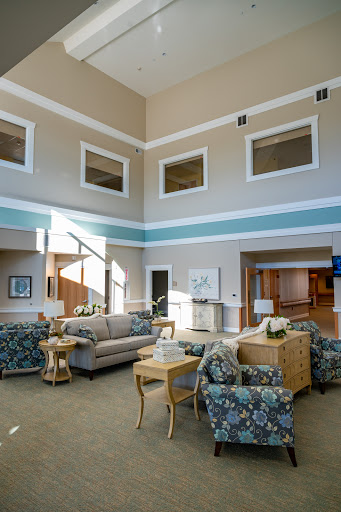
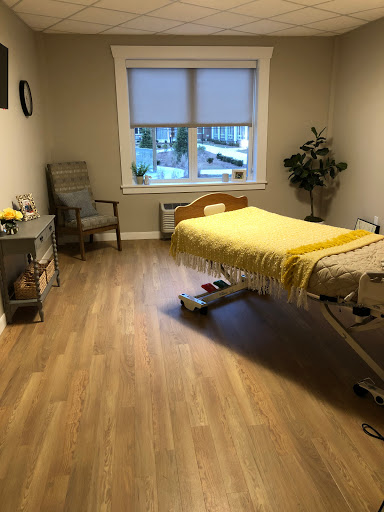
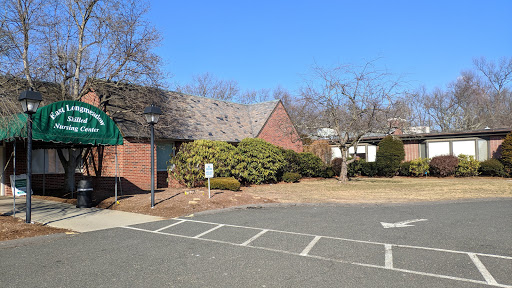
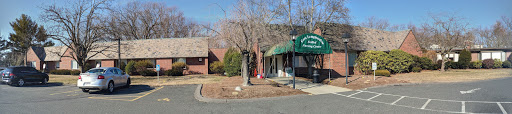
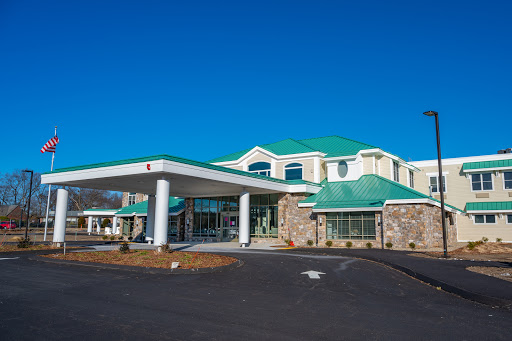
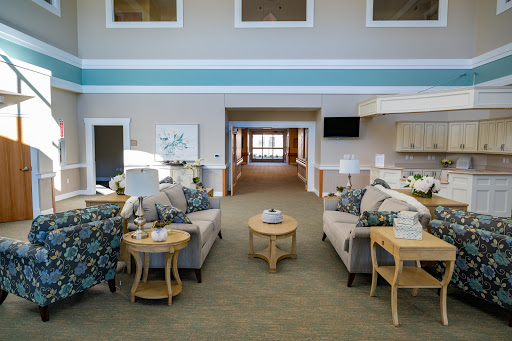
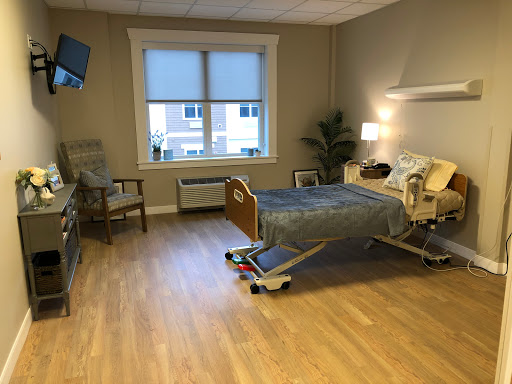
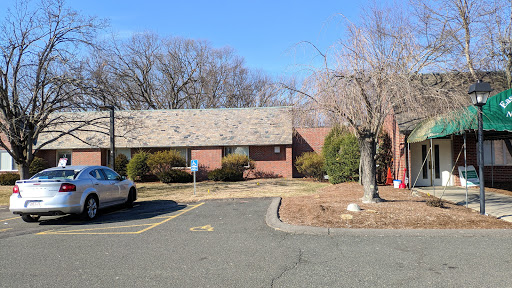
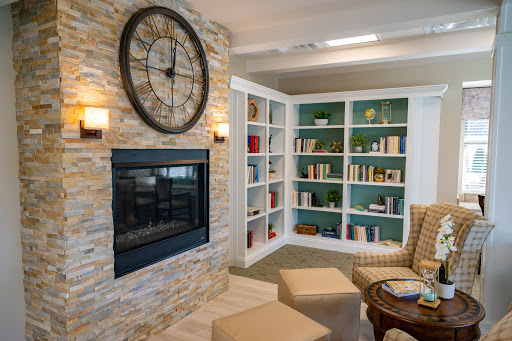
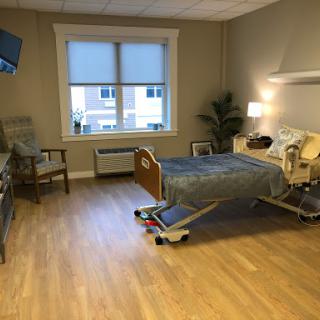
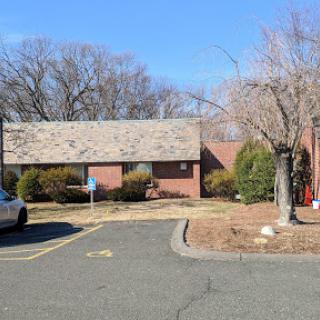
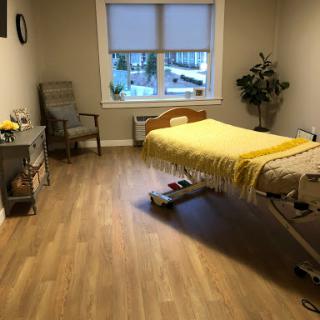
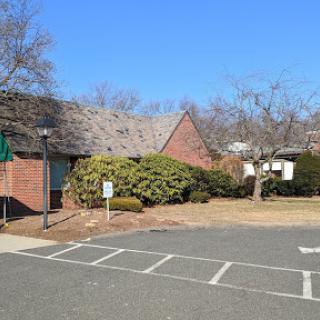
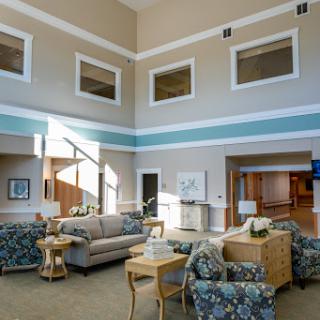
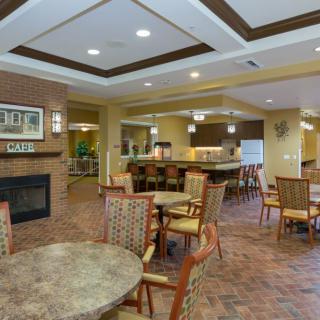
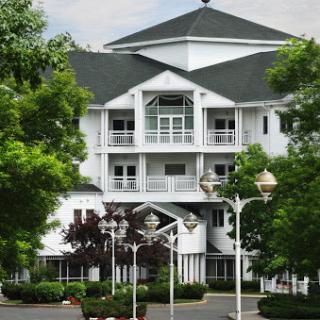
East Longmeadow Skilled Nursing Center on seniors.fyi includes 10 photos including images showing landscaping, interior, building, trees, lobby, seating area, living room, bedroom, and more.
Nearby Communities
East Longmeadow Memory Care Assisted Living
East Longmeadow, MA
4.7 from 3 reviews
$7,685 to $8,146 / month
Strong memory-care focused medical care.
East Village Place
East Longmeadow, MA
4.8 from 136 reviews
$4,595 to $5,695 / month
Caring staff and engaging activities (notable memory care).
Glenmeadow
Longmeadow, MA
4.1 from 24 reviews
Upscale amenities and attentive staff create a vibrant, welcoming community.
Chestnut Knoll At Glenmeadow
Longmeadow, MA
3.9 from 16 reviews
$2,900 / month
Lower monthly rate for private rooms compared with regional averages.
Glenmeadow, a CCRC
Longmeadow, MA
4.3 from 38 reviews
$2,562 to $3,536 / month
Vibrant, welcoming community with engaging activities, strong staff, and beautiful amenities.
Care One At Redstone
East Longmeadow, MA
3.2 from 139 reviews
Notable physical therapy team with clean, spacious rooms.
Redstone Rehabilitation & Nursing Center
East Longmeadow, MA
3.4 from 101 reviews
Prompt EMT response and regulatory oversight.
The Reserve at East Longmeadow
East Longmeadow, MA
4.3 from 96 reviews
Clean, well-kept environment with friendly staff and diverse activities.
Reeds Landing
Springfield, MA
4 from 1 review
$1,920 to $2,670 / month
Friendly, well-maintained community with spacious apartments and convenient meals and transport.
Elder law attorneys assist older adults and their families with legal matters such as estate planning, Medicaid eligibility, and guardianships, while also providing protection against elder abuse. They help navigate complex regulations to safeguard financial resources, ensure well-being, and maintain autonomy for seniors.
Caregiving for an aging parent entails emotional and financial responsibilities accompanied by significant tax implications, including potential benefits from claiming them as dependents and deductions for medical expenses and caregiving costs. Caregivers must understand eligibility requirements, maintain thorough documentation, and consider consulting a tax professional to navigate these complexities effectively.
Low-impact exercises are vital for seniors as they promote health, independence, and social interaction while reducing joint strain. These adaptable activities, guided by healthcare professionals, enhance strength, flexibility, and emotional well-being.
Get PricingAsk A QuestionSchedule A TourContact Senior Advisor
By clicking submit, you agree to our Partner's Terms of Use. You
also consent to receive calls and texts, which may be autodialed, from our Partner. Your consent is not a condition to
using our Partner's service. Please visit our Partner's Privacy Policy for information about their privacy practices.





 119 resident community capacity
 Skilled Nursing Facility
 Air-conditioning
 Beauty salon
 Cable or satellite TV
 Computer center
 Dining room
 Fitness room
 Fully furnished
 Gaming room
 Garden
 Housekeeping services
 Kitchenette
 Move-in coordination
 Outdoor space
 Private bathrooms
 Restaurant-style dining
 Small library
 Telephone
 Wellness center
 Wi-Fi/high-speed internet available
 Bradley International (11 miles away)
 Community operated transportation
 12-16 hour nursing
 24-hour call system
 Activities of daily living assistance
 Assistance with bathing
 Assistance with dressing
 Assistance with transfers
 Diabetes diet
 Medication management
 Mental wellness program
 Special dietary restrictions
 Concierge services
 Planned day trips
 Strong memory-care focused medical care.




 6 Crucial Ways an Elder Law Attorney Assists Families
 Navigating the Tax Landscape of Caregiving: Credits, Deductions, and Beyond
 Highly Beneficial Low-Impact Exercises for Senior Living Residents