
269 Moore St, Chicopee, MA 01013
To contact a resident: (413) 592-7736
For more information about senior living options: (866) 208-4318
Overall Review of Windsor Woods Nursing & Rehab
Pros
 Windsor Rehab is praised for outstanding staff who are caring, professional, and attentive, with frequent progress updates.
 - Families report that the staff treat residents with respect and dignity and listen to their needs.
- The facility is described as clean, well-maintained, with a pleasant environment and high-quality, in-house meals.
- Reviewers would recommend Windsor Rehab and would choose it again over other facilities.
- The therapy and nursing teams are fantastic, with staff who are compassionate and go above and beyond.
- Windsor is a nonprofit operation with long-tenured CNAs and nurses, reflecting stability and dedication.
- Even during challenging times, residents experience positive stays and supportive care.
Cons
 They report there was no staff communication, no physical therapy, and no privacy, and they would run from the place.
- They described very poor communication with staff, were disappointed with Windsor, and said they would never return, even considering filing a complaint.
- They advised others not to bring a loved one there.
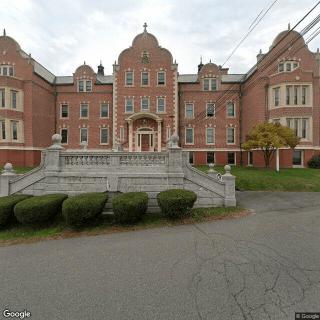
- They claimed the staff talked down to residents, ignored them, and the facility looked like an old run-down motel and was dirty.
- They observed that some rehab facilities may look good on the outside, but inside the care is deplorable and substandard.
- They said they literally had to beg for a piece of fresh fruit for five days in a healthcare institution.
- They claimed the staff threatened to call law enforcement, accusing them of acting inappropriately.
Review
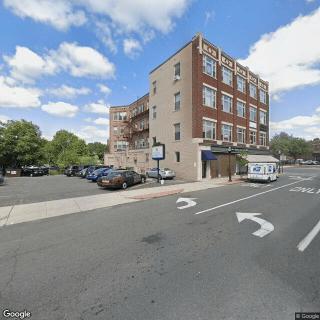
Windsor Woods Nursing & Rehab in Chicopee is best suited for families seeking a nonprofit, hands-on skilled nursing environment where long-tenured staff, attentive nursing care, and restaurant-quality meals are valued. Residents who need solid short-term rehab after hospitalization or steady long-term care with a stable care team will typically fare best here, especially when a compassionate, patient-first approach is prioritized over a slick, high-tech atmosphere. The best outcomes arise for those who want regular progress updates, personalized attention from therapy teams, and staff who treat residents with dignity and respect. This is a setting where continuity matters, and families often find that trust grows from knowing the same caregivers are consistently involved in their loved one’s daily routine.
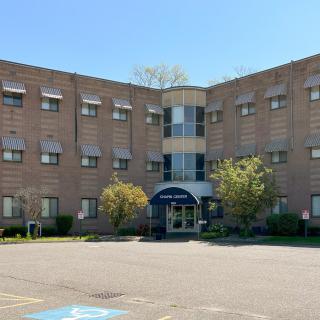
That said, alternatives deserve consideration for families with particular expectations that Windsor may not consistently meet. Several critics point to inconsistent communication, limited privacy, and experiences that feel more chaotic than coordinated. A few reviews describe unpleasant or outdated impressions of the facility, with comments about appearance and odor in some corners, and several accounts emphasize that timely updates or proactive outreach from staff are not universal. For families prioritizing seamless, rapid communication, or expecting a modernized campus with flawless upkeep, other options may offer a smoother first impression or fewer moments of doubt about responsiveness.
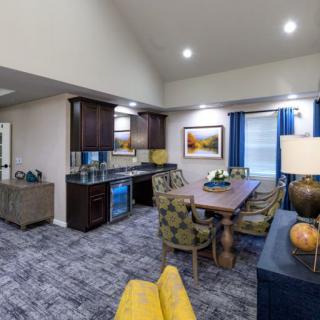
The strongest points at Windsor lie in the people delivering care and the quality of daily life a resident can enjoy. The staff’s compassion, the professional demeanor of administrators and clinicians, and the emphasis on treating residents like people first are repeatedly praised. Long-tenured CNAs and nurses appear to contribute to a stable, familiar rhythm of care, and the therapy teams frequently receive commendations for their dedication. Meals are highlighted as a standout, with multiple reviewers noting varied menus and food prepared in-house to a high culinary standard. Cleanliness and a spirit of teamwork across departments further reinforce the sense that Windsor can deliver reliable rehab and ongoing support when the team is aligned on a resident’s goals.
The main drawbacks typically center on communication gaps and the variability of day-to-day experiences. When messages don’t travel efficiently, family members feel left out of the loop, and some residents report moments of discomfort around privacy and personal interaction. A small but persistent subset of reviews describe areas where staff responsiveness and privacy could improve, and others recount encounters with a facility that feels dated or less polished in certain corners. These cons don’t erase the positive testimonials, but they flag real risks: if timely, transparent communication and a consistently private, respectful environment are nonnegotiables, Windsor warrants meticulous verification during tours and introductions to the care team.
To navigate this landscape effectively, families should approach a Windsor visit with a concrete checklist. Ask for a candid tour of private room options and current privacy practices; request to meet the front-line therapy team and per-diem staff to gauge consistency; probe the process for daily progress notes and family updates, including how often therapists conference with relatives. Inquire about the dining program, menus, substitutions, and how meals are prepared, and observe meal service during a meal period to assess quality and pacing. Collect recent discharge summaries or care plans to understand how the facility coordinates with hospitals and keeps expectations aligned with a loved one’s rehabilitation goals.
Overall, Windsor Woods stands out for families who value a dedicated, personable caregiving culture, long-term staff loyalty, and robust rehab-focused routines backed by solid nutrition and cleanliness. The nonprofit framework, coupled with a track record of compassionate, hands-on care, can translate into meaningful, steadier progress for many residents. However, those who demand flawless communication, turnkey privacy, or a consistently modern campus should weigh alternatives where staffing pipelines and facility amenities align more tightly with those expectations. For the right family, Windsor offers dependable, humane care that can anchor a loved one’s recovery and ongoing well-being.
 Skilled Nursing Facility
 Bradley International (15 miles away)


 Comprehensive Approaches for Arthritis: A Detailed Guide to Symptoms, Causes, and Care
 Comprehensive Insights and Practical Strategies to Help Older Adults Avoid Falls
 6 Crucial Ways an Elder Law Attorney Assists Families