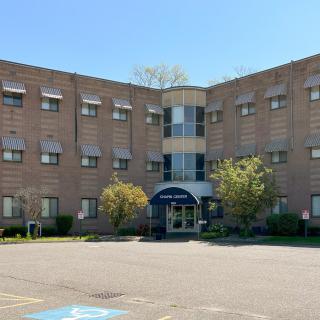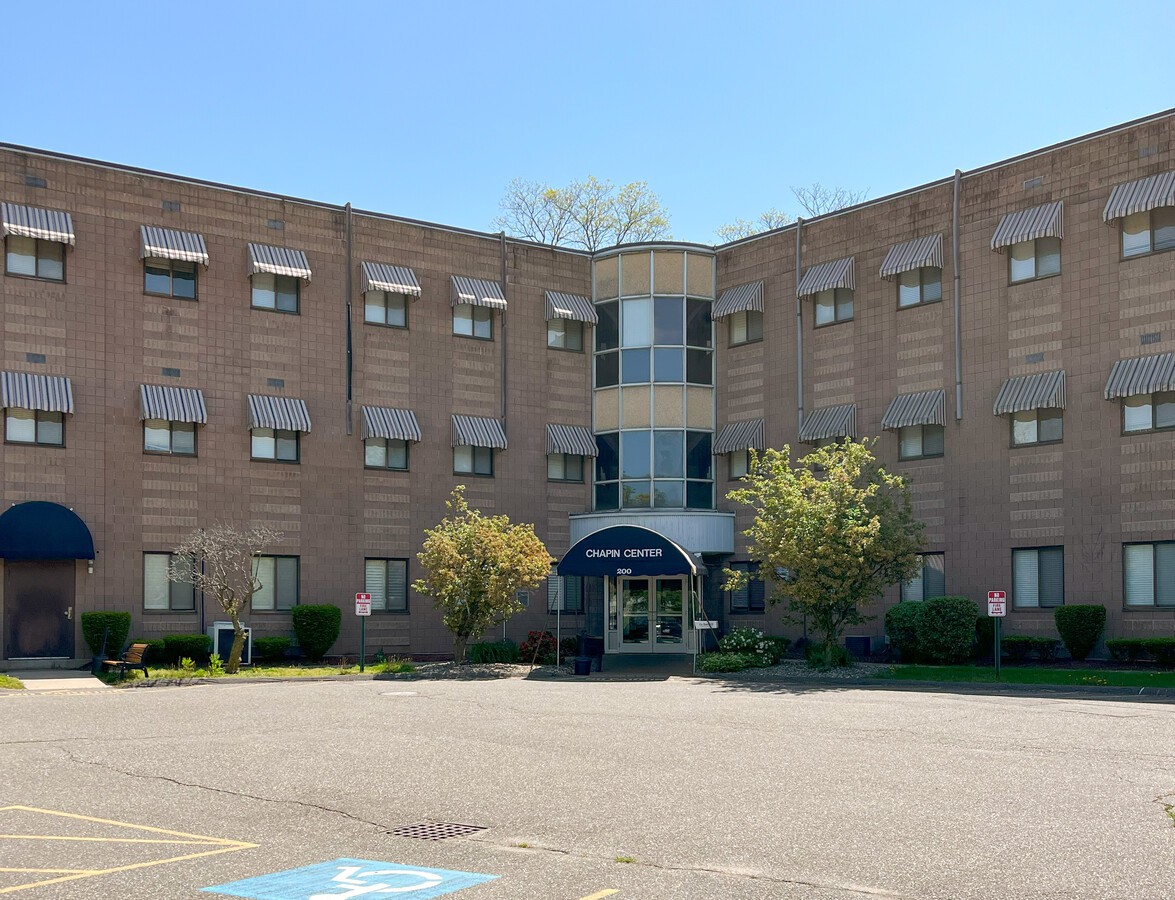
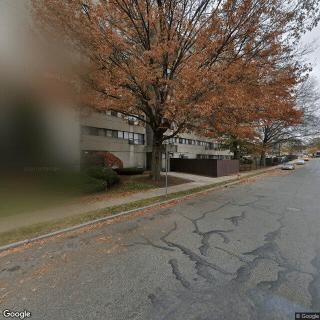
200 Kendall Street, Springfield, MA 01104
For more information about senior living options: (866) 208-4318
Overall Review of Chapin Center
Pros
 The rehabilitation staff are excellent and provide good care.
- The staff are hardworking and care about the patients.
- Some staff members are very helpful and willing to assist.
- The facility provides a dining area for patients and a patio.
Cons
 The reviewer says to avoid this place at all costs.
- The reviewer states they never saw a doctor.
- The reviewer reports they were given the wrong medication.
- The reviewer claims the admin and owner do not care about people's lives.
- The reviewer asserts the facility is terrible and should be shut down.
- The reviewer notes the facility is not great for elderly people who are unable to defend themselves.
- The reviewer observes that elderly residents' belongings are always missing.
- The reviewer states that staff barely know who is who.
- The reviewer notes that when information about a relative is requested, many staff members have no idea who is being asked.
- The reviewer says that staff never call to inform when a relative has a doctor's appointment, so family cannot be present.
- The reviewer says most staff are horrible, with only one or two who are happy to work there and are helpful.
- The reviewer reports that staff scream at elderly residents.
- The reviewer recounts that a sister witnessed staff screaming at their mother.
- The reviewer warns not to send a mother, grandmother, or any elderly person to this facility.
- The reviewer suggests that residents who do not already have depression may develop it in this place.
- The reviewer cannot wait to remove their mother from the facility; the day cannot come soon enough.
Review
Chapin Center in Springfield, MA is best suited for seniors who need focused rehabilitation services and who have an active family member or guardian ready to supervise medications, appointments, and daily communication. The arrangement can work when recovery goals are clear and there is someone who can press for timely doctor visits, verify orders, and track belongings. In this niche, the facility can deliver meaningful rehab momentum even as clinical governance remains uneven. Families should enter with clear expectations about what is being delivered on the rehab front and what must be coordinated from the outside.
Those considering alternatives should recognize who this community is not ideal for. Residents who require steady, hands-on medical oversight or who are especially vulnerable to medication errors should look elsewhere. The lack of consistent physician engagement and the risk of missing or miscommunicated information make this a challenging fit for anyone who cannot advocate firmly on their own behalf. For elders who are frail, cognitively challenged, or at high risk of safety incidents, a facility with stronger clinical leadership, tighter medication management, and robust family communication is typically a wiser bet. Home-health options or other local skilled nursing communities with proven medical-director governance deserve consideration as well.
On the upside, a core strength comes from rehabilitation-oriented staff who are described as excellent and genuinely caring, with a sense of dedication to patient progress. This focus on rehab can translate into real functional gains for residents who respond to therapy and benefit from consistent, hardworking caregivers. In addition, the physical setting, dining areas and a patio, adds expected comfort and social space that supports recovery and daily living. When these elements align with a residentā€™s goals, they create a workable pathway to regain independence in modest, attainable steps.
The dominant drawbacks, however, are substantial and non-negotiable for many families. A physician presence that never materializes, coupled with medication errors, poses direct safety risks. Administrative indifference at the ownership level appears to permeate operations, leaving families as the primary conduit for information. Added to this are reports of missing belongings, confusing identification of residents, and frequent staff turnover or miscommunication, sometimes accompanied by hostile interactions with residents. These patterns erode trust and escalate stress at precisely the moment when calm, coordinated care is most needed.
When evaluating how the positives stack up against the negatives, the rehab-oriented care offers tangible benefits, but those advantages are undermined by the structural issues. The evidence suggests that progress in rehabilitation can occur only if medical oversight and reliable communication are in place and consistently maintained. Without a clear and responsive medical leadership, the risk of adverse events remains elevated, and the user experience deteriorates quickly for families who cannot remain constantly vigilant. In practical terms, the rehab momentum cannot compensate for governance gaps that endanger safety and undermine confidence.
If the decision tilts toward Chapin Center, an explicit, enforceable plan becomes essential. Secure a designated family liaison and insist on a medical-director presence or guaranteed weekly physician check-ins. Require medication administration verification protocols, rapid notification of changes, and a reliable system for updating families about appointments and care plans. Demand stronger accountability for staff conduct, a protocol to recover or replace missing belongings, and a clear escalation path for concerns. For families who cannot implement such oversight consistently, or for residents with significant medical or safety needs, pursuing alternatives, whether another Springfield facility with stronger clinical governance or a shift to home-health or specialized memory care, will likely yield a safer, more predictable experience.
 160 resident community capacity
 Skilled Nursing Facility
 Air-conditioning
 Beauty salon
 Cable or satellite TV
 Computer center
 Dining room
 Fitness room
 Fully furnished
 Gaming room
 Garden
 Housekeeping services
 Kitchenette
 Move-in coordination
 Outdoor space
 Private bathrooms
 Restaurant-style dining
 Small library
 Telephone
 Wellness center
 Wi-Fi/high-speed internet available
 Bradley International (14 miles away)
 Community operated transportation
 12-16 hour nursing
 24-hour call system
 Activities of daily living assistance
 Assistance with bathing
 Assistance with dressing
 Assistance with transfers
 Diabetes diet
 Medication management
 Mental wellness program
 Special dietary restrictions
 Concierge services
 Planned day trips



 Understanding the Full Cost of 24/7 In-Home Care: A Detailed Overview
 Exploring the World of Home Health Nurses: Qualifications, Roles, and Hiring Tips
 Navigating Medicare Coverage for In-Home Care Services