
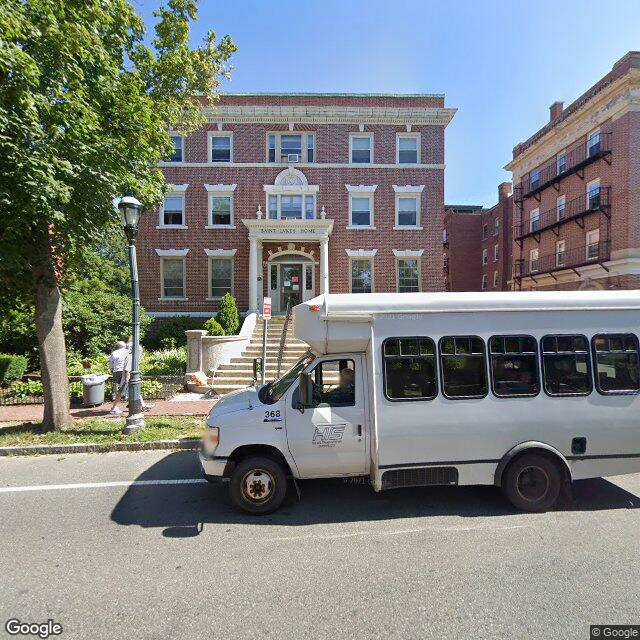
85 Spring St, Springfield, MA 01105
To contact a resident: (413) 736-5494
For more information about senior living options: (866) 208-4318
Overall Review of St Luke's Home
Pros
 The friend who stayed there really liked it.
- Dave D expresses gratitude for the care.
Cons
 They claim to offer many services that aren't readily available.
- It is run like a halfway house, with minimal to no care for the residents.
- They have been confronted with the lack of care and blame the residents.
- The facility is very dirty past the doors visitors are allowed.
Review
St Luke’s Home in Springfield is best suited for seniors who can function with limited, uneven staff support and who have family members willing to oversee daily arrangements and fill gaps in care. It is not suitable for residents who require reliable daily assistance, consistent medical oversight, or a clean, well-run environment. Families should expect that what is advertised may not be delivered in practice, and the day-to-day experience can be highly variable. In short, this community serves best as a last-resort option or a short-term stopgap when other, more robust facilities are unavailable or unaffordable, provided there is active family involvement and a willingness to supplement care.
Alternatives should be strongly considered for anyone with notable mobility or medical needs, memory-care requirements, or concerns about sanitation and staff responsiveness. Prospective residents who prioritize warmth, dignity, and dependable daily routines will likely find this community lacking. The cleanliness issues raised by reviewers are a red flag, and the tendency of some staff to attribute care shortcomings to residents signals deeper management problems. If the budget is tight but safety and respect are non-negotiable, explore options that offer clearer service guarantees, transparent care plans, and verified staffing schedules. Even small differences in staffing consistency or housekeeping can meaningfully affect daily quality of life.
On the upside, the facility is described as offering a broad slate of services, a claim that at least some residents felt warranted attention. A few residents or their friends have expressed appreciation for the care they did receive, suggesting that when staff are attentive, interactions can be meaningful. However, these positives are sporadic and do not reflect a reliable standard across shifts or floors. The mixed feedback creates a paradox: a potential for decent moments within a system that otherwise appears to struggle with fundamental care delivery. For decision-makers, the takeaway is not enthusiasm but cautious expectation that promises may outpace actual practice. Rooms and common areas may seem adequate at first glance, but persistent gaps in service quickly erode trust.
The most consequential drawbacks are the documented care gaps and a dirty environment behind the doors visitors are allowed. Reviews describe a halfway-house feel, with minimal-to-no consistent assistance for daily activities, and an apparent tendency to blame residents when issues arise. That combination is a red flag for safety and dignity, especially for seniors who rely on staff for meals, medications, mobility help, and reminders. Staff turnover and uneven attention can leave critical tasks undone or delayed, increasing risk for falls, dehydration, or untreated needs. When management communicates blame rather than accountability, it signals deeper systemic issues unlikely to be resolved quickly. The absence of a stable, well-run routine makes long-term residence risky for anyone requiring steady oversight.
Prospects should weigh the slender upside against the persistent downsides. The occasional positive encounter, where a caregiver demonstrates kindness or competence, does not compensate for the overall pattern of neglect or neglect-like responses to concerns. The practical implication is clear: unless a family is prepared to supervise closely, supplement services, and accept inconsistent quality, this community is not a wise long-term home. It may serve temporarily for a specific, time-bound need or for someone with a supportive family who can coordinate care across providers, but it is not a dependable base for independent living or essential daily support.
Decision-makers should enter with clear criteria and a plan to verify performance before committing. Request recent inspection reports and any corrective action plans, observe a care shift in person, examine housekeeping standards, and talk with current residents and their families about responsiveness. Ask for a detailed care plan, medication management procedures, and a realistic schedule for services that aligns with advertised promises. If those checks confirm inconsistent staff presence and sanitation concerns, alternatives are warranted. In its current state, St Luke’s Home is best avoided for anyone who cannot tolerate rolling quality and needs reliable care; for others, it may only work with decisive, ongoing family involvement and strict oversight.
 Board and Care Home
 Bradley International (13 miles away)








 Nurturing Our Elders: Linda's Journey of Supporting Her Mother
 A Comprehensive Exploration of Common Misunderstandings about Powers of Attorney
 Senior Move Management: Understanding the Role, Value, and Associated Costs