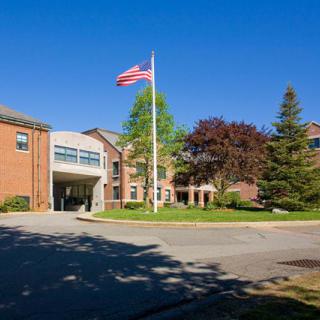
Heathwood Healthcare

188 Florence Street, Chestnut Hill, MA 02467

For more information about senior living options: (844) 490-3973

2 from 13 reviews
5 stars
1
4 stars
3
3 stars
0
2 stars
0
1 stars
9

Skilled Nursing Facility

Overall Review of Heathwood Healthcare

Pros

  • pro Heathwood Healthcare was described as a cut above the rest.
  • pro Nursing, personal care, and hygiene were described as excellent.
  • pro Staff were experienced and consistently attentive to residents' signs of pain or discomfort.
  • pro Chantal was highlighted as a particularly wonderful staff member.
  • pro The Medical Director was reported to be present every Friday and readily available to answer questions.
  • pro The third floor looked recently updated and private rooms were available.
  • pro The food was described as great and nicely served, even for pur?ed diets.
  • pro The room and floor were clean with fresh bedding and no bad odors.

Cons

  • pro They report there is no security at night and doors are left wide open.
  • pro They report long delays in answering call buttons, sometimes 30?40 minutes and often hours.
  • pro They report the facility as dirty with bad odors and unclean rooms.
  • pro They report neglect and abuse, including insufficient staff and residents waiting in waste for help.
  • pro They report staff as undertrained and largely uninterested, with some rude or dismissive interactions.
  • pro They report theft by staff and vulnerability of residents' belongings.
  • pro They report dangerous or unsafe practices, such as lack of bed rails and delayed medical response.

Review

Across a string of firsthand accounts, this nursing facility presents a landscape of sharply conflicting experiences. Some visitors paint a picture of attentive care and capable professionals, while others expose serious concerns about safety, cleanliness, staffing, and communication. Taken together, the reviews reveal a facility that can feel like a cut above in some moments and alarmingly lacking in others, depending on who is on shift and what floor you're on.

One set of recollections centers on a family member's arrival to comfort a cousin named Stevie. The writer admits to having read derogatory reviews on the way, which amplified anxiety about what to expect. On arrival around 4:30 pm, there was no one at the desk, though a sign-in book existed and there was "unobtrusive" security. Staff members directed the cousin to his room and, for the most part, appeared to be doing their jobs. In particular, a patient transport tech, Ms Heather, was described as professional, knowledgeable, personable, and caring. By contrast, another experience with a different PT, Timothy Mathewson, was troubling - he reportedly moved too quickly and nearly struck the cousin with a bed rail. Beyond that, the writer lists several staff members who stood out for their work ethic and warmth - Ms Marie Joseph, Ms Grace, Mr Fritz, Ms Ginnette, Mr Gabriel, and Ms Paul - and even mentions kitchen and administrative staff, including Ms Marie in the kitchen and Director Kelsie on the admin side, as people they valued for their approachability and professionalism. The overall impression in this account is that, despite some misgivings and signs of strain, there were genuinely caring professionals on the scene, and the writer left with the sense that, at least in some respects, the facility could be "a cut above the rest."

Other accounts underscore the unevenness of the facility's operation. A late-evening visit describes an environment with almost no security: doors left open after 9 pm, an empty first floor, and an elevator that felt rickety. The aroma inside was not pleasant, and the tone of the few aides encountered was brisk and somewhat argumentative when asked for basic information like a room number. In a separate narrative, an 82-year-old father recovering from knee surgery arrived to a bed without rails and with no immediate assistance to use the bathroom. The next morning, a walker was unavailable until the family member arrived with their own, and a glass of orange juice arrived cracked with hair in it. These elements - a lack of supervision, delayed assistance, and quality-of-life frustrations - collectively suggest gaps in safety and basic patient comfort that were impossible to ignore for the reviewer.

Another reviewer raises a chilling warning: do not bring valuables, because a male janitor was accused of theft. The concern extended to the broader environment - one that could conceal overlooked neglect if a patient was too sick to defend themselves. The writer described a situation in which a loved one was very ill and largely incapacitated, while staff appeared to be casually monitoring rather than actively safeguarding belongings or ensuring clean, orderly conditions. The insinuation of theft and the sense that someone could be "cleaning" only superficially captures a fear that patients and families often wrestle with in long-term care settings.

In contrast, a different, clearly positive account centers on Heathwood Healthcare specifically. A family member describes a visit that began with uncertainty but evolved into gratitude as the mother settled in for the last two months of life. The third floor was reportedly recently updated, the private room was comfortable, and nursing, personal care, and hygiene were excellent. The assistants were described as experienced and consistently attentive to pain or discomfort, with staff like Chantal singled out as particularly compassionate. The mother, bedridden and unable to press her own call button, benefited from frequent checks and an overall standard of care that felt reliable. Cleanliness, fresh bedding, good-tasting meals even on a pur?ed diet, and regular presence by the Medical Director every Friday contributed to a sense of well-managed care. The reviewer also noted that management had recently changed, suggesting that changes there could have influenced the improved quality of care. Taken as a standalone portrait, this account reads as a strong endorsement of Heathwood's capabilities when systems are running smoothly.

Yet another negative thread targets professional standards and reliability - especially during weekends and night shifts. A reviewer described the facility as "unprofessional and reckless," with emergency call buttons taking 30 to 40 minutes to elicit a response. Observations of staff more absorbed in computers and smartphones than in patient care painted a picture of disengagement. The reviewer urged readers to stay away if they valued their loved ones' longevity and well-being, framing the facility as one where urgent needs could go unanswered for extended periods.

A separate family story portrays persistent neglect and abuse. The visitor recounts a father who received little supervision, with a frightening ratio - perhaps one aid for every 30 residents - and hours-long waits for bathroom assistance. Meals were left for residents to eat without staff oversight, and critical medical events, like seizures or strokes, were either not seen or not acted upon promptly. Medications were left unattended and unsecured, and social workers were accused of misinformation and attempts to "cover their tracks." Although not everything was negative - there were some excellent staff members - this account emphasizes systemic failings in monitoring, response times, and accountability.

There are also narratives that reflect more mixed experiences, including a mother who spent her last days at the facility and found the overall care to be largely positive. In this account, most staff were attentive and polite, rooms and common areas were clean, and the doctor's availability was a notable feature - though the reviewer still described some variability in care quality and suggested that the medical team's effectiveness could be uneven, depending on the day and the staff on duty.

Other reviews express outright alarm about specific practices. One account describes a grandparent's repeated calls for help that went unanswered for extended periods, with a social worker who allegedly lied about discharge arrangements. Another recounts a speech therapist encouraging a dangerous action - being told the patient could leave against medical advice - an assertion that underscores concerns about staff judgment and patient safety. The overarching tone across these comments is that the facility is not consistently organized or safe, and that gaps in supervision, communication, and adherence to medical guidance can place vulnerable residents at risk.

In sum, the collected reviews sketch a facility marked by dramatic highs and lows. Some families praise attentive, compassionate staff, clean and updated spaces, visible medical oversight, and a level of care that feels genuinely reassuring in difficult times. Others report persistent safety concerns, insufficient staffing, delayed responses to emergencies, questionable hygiene, and troubling lapses in communication and accountability. For anyone considering this facility, the pattern suggests a clear need to look closely at shift-by-shift staffing, security and access controls, response times to call lights, and the mechanisms by which concerns about care and safety are escalated and resolved. The stories collectively urge a careful, well-informed approach to understanding what life inside these walls can look like, recognizing that experiences can diverge dramatically from day to day and from room to room.

Features

Housing

  • 49 resident community capacity 49 resident community capacity

Types of Care

  • Skilled Nursing Facility Skilled Nursing FacilitySkilled Nursing Facilities are crucial for seniors as they provide round-the-clock medical care, rehabilitation services, and assistance with daily activities. These facilities ensure that seniors receive the specialized care they need to maintain their health and well-being as they age.

Amenities

  • Beauty salon Beauty salonBeauty salons are important for seniors because they provide a space for them to feel pampered, socialize, and maintain their personal grooming and hygiene. Regular visits to a beauty salon can help boost seniors' self-esteem and overall well-being.
  • Cable or satellite TV Cable or satellite TVCable or satellite TV is important for seniors because it provides entertainment, news, and companionship, helping to combat loneliness and boredom. It also offers a wide range of programming options tailored to different interests and preferences.
  • Dining room Dining roomDining rooms are important for seniors as they provide a space for socialization, connection, and nutritious meals. They offer opportunities for residents to bond over shared meals, foster a sense of community, and promote healthy eating habits. Dining rooms also ensure that seniors have access to well-balanced meals tailored to their dietary needs and preferences.
  • Fully furnished Fully furnishedFully furnished senior living communities are important for seniors because they provide convenience, comfort, and a hassle-free moving experience. Seniors can easily settle into their new living space without the stress of having to buy and move furniture. This allows them to focus on enjoying their new home and community.
  • Garden GardenGardens are important for seniors as they provide a peaceful and therapeutic environment for relaxation, physical activity, and socialization. Being in nature has been shown to reduce stress, improve mood, and promote overall well-being. Gardens also offer opportunities for seniors to engage in gardening activities, which can improve mobility, flexibility, and cognitive function. Additionally, gardens create a sense of community and connection with others who share a passion for plants and outdoor spaces.
  • Housekeeping services Housekeeping servicesHousekeeping services are important for seniors because they help maintain a clean and safe living environment, promote independence, and reduce the risk of accidents or illnesses. Additionally, having assistance with household chores can alleviate physical strain and allow seniors to focus on other aspects of their well-being.
  • Kitchenette KitchenetteKitchenettes are important for seniors living in senior living communities because they provide the convenience and independence of being able to prepare simple meals and snacks in the comfort of their own living space. This can help promote a sense of autonomy and well-being for seniors, allowing them to maintain some level of control over their dietary choices and daily routines.
  • Move-in coordination Move-in coordinationMove-in coordination is important for seniors because it helps ease the transition into their new living environment. It ensures that all logistics, such as packing, organizing movers, and setting up utilities are taken care of, allowing seniors to focus on settling in and adjusting to their new home. Having a smooth move-in process can alleviate stress and anxiety, making the transition smoother and more enjoyable for seniors.
  • Outdoor space Outdoor spaceOutdoor spaces are important for seniors as they provide opportunities for physical activity, social interaction, exposure to natural light and fresh air, and a sense of connection to nature. Having access to outdoor spaces can improve overall well-being and quality of life for older adults living in senior communities.
  • Restaurant-style dining Restaurant-style diningRestaurant-style dining is important for seniors because it allows them to enjoy delicious, nutritious meals in a social and upscale setting. This enhances their dining experience, promotes healthy eating habits, and fosters socialization with fellow residents, ultimately contributing to their overall well-being and quality of life.
  • Small library Small librarySmall libraries are important for seniors as they provide access to a variety of reading materials, including books, newspapers, and magazines. This can help stimulate their minds, keep them engaged, and provide a sense of community through book clubs and other social activities. Additionally, reading has been shown to improve cognitive function and overall mental well-being in older adults.
  • Telephone TelephoneTelephones are important for seniors as they provide a lifeline for communication with loved ones, emergency services, and healthcare providers. They offer a sense of security and independence, enabling seniors to stay connected and access assistance when needed.
  • Wi-Fi/high-speed internet available Wi-Fi/high-speed internet availableWi-Fi/high-speed internet is important for seniors to stay connected with loved ones, access online resources, and participate in virtual activities to combat feelings of loneliness and isolation. It also allows them to easily manage healthcare needs, access entertainment, and engage in lifelong learning opportunities.

Transportation

  • Gen Edw L Logan International (9 miles away) Gen Edw L Logan International (9 miles away)

Care Services

  • 24-hour call system 24-hour call system24-hour call systems are important for seniors because they provide peace of mind and immediate assistance in case of emergencies. This technology ensures that help is always available, promoting safety and security for elderly individuals living alone or in assisted living facilities.
  • 24-hour supervision 24-hour supervision24-hour supervision is important for seniors to ensure their safety, well-being, and access to immediate assistance in case of emergencies or health issues. This constant support provides peace of mind for both seniors and their loved ones, allowing them to age in place with dignity and security.
  • Activities of daily living assistance Activities of daily living assistanceActivities of daily living assistance are important for seniors because they provide essential support with tasks such as eating, bathing, dressing, and mobility. This assistance helps seniors maintain their independence, dignity, and overall quality of life as they age.
  • Assistance with bathing Assistance with bathingAssistance with bathing is crucial for seniors as it helps maintain personal hygiene, prevents infections, and ensures their overall well-being and comfort. It also provides a sense of dignity and independence for seniors who may struggle with this task on their own.
  • Assistance with dressing Assistance with dressingAssistance with dressing is important for seniors because it helps maintain their independence, promotes personal hygiene, prevents accidents and injuries, and improves overall quality of life. This service ensures that seniors can continue to dress comfortably and confidently, despite any physical limitations they may have.
  • Assistance with transfers Assistance with transfersAssistance with transfers is crucial for seniors as it helps prevent falls and injuries, maintains their independence, and ensures they can safely navigate their living environment. It also provides peace of mind for both seniors and their loved ones.
  • Diabetes diet Diabetes dietA diabetes diet is crucial for seniors as it helps manage blood sugar levels, reduce risks of complications, and improve overall health and well-being. By following a balanced and nutritious diet tailored to their specific needs, seniors can better control their diabetes and enhance their quality of life.
  • Meal preparation and service Meal preparation and serviceMeal preparation and service are crucial for seniors as they may have limited mobility or energy to cook nutritious meals. Having access to healthy and convenient food options can ensure they are getting the proper nutrition needed to maintain their overall health and well-being.
  • Medication management Medication managementMedication management is crucial for seniors to ensure they are taking the right medications at the correct dosages and times. This helps prevent adverse drug interactions, reduces the risk of medication errors, and promotes overall health and well-being. Proactive management also allows for adjustments as needed based on changing health conditions or new prescriptions.
  • Mental wellness program Mental wellness programMental wellness programs are essential for seniors as they promote cognitive stimulation, emotional support, and social engagement. These programs help prevent isolation, depression, and cognitive decline, ultimately enhancing the overall quality of life for older adults.
  • Special dietary restrictions Special dietary restrictionsSpecial dietary restrictions are important for seniors because age-related changes in metabolism and health conditions can make it difficult for their bodies to process certain foods. By following a diet tailored to their specific needs, seniors can maintain their overall health and well-being, manage chronic conditions, and reduce the risk of complications such as malnutrition or food interactions with medications.

Dining

  • Diabetes diet Diabetes dietA diabetes diet is crucial for seniors as it helps manage blood sugar levels, reduce risks of complications, and improve overall health and well-being. By following a balanced and nutritious diet tailored to their specific needs, seniors can better control their diabetes and enhance their quality of life.
  • Special dietary restrictions Special dietary restrictionsSpecial dietary restrictions are important for seniors because age-related changes in metabolism and health conditions can make it difficult for their bodies to process certain foods. By following a diet tailored to their specific needs, seniors can maintain their overall health and well-being, manage chronic conditions, and reduce the risk of complications such as malnutrition or food interactions with medications.

Activities

  • Community-sponsored activities Community-sponsored activitiesCommunity-sponsored activities are important for seniors as they provide opportunities for social interaction, mental stimulation, and physical activity. These activities can help improve overall well-being, combat loneliness and isolation, and promote a sense of belonging and purpose among older adults.
  • Resident-run activities Resident-run activitiesResident-run activities are important for seniors as they encourage social interaction, creativity, and a sense of autonomy. These activities empower seniors to stay engaged and active in their community while fostering meaningful connections with their peers.
  • Scheduled daily activities Scheduled daily activitiesScheduled daily activities are important for seniors because they provide structure, socialization, mental stimulation, and physical activity. Engaging in regular activities can improve overall well-being and quality of life for seniors living in a community setting.

Description

Heathwood Healthcare in Chestnut Hill, MA offers a comfortable and well-equipped assisted living community for seniors. Residents can enjoy a variety of amenities including cable or satellite TV, a dining room for communal meals, fully furnished accommodations, access to a garden and outdoor space, housekeeping services, and a small library for leisurely reading. Additionally, the community provides essential services such as move-in coordination, kitchenettes in each residence, telephone access, and Wi-Fi/high-speed internet for staying connected.

Care services at Heathwood Healthcare include 24-hour supervision to ensure the safety and well-being of residents. Trained staff are available to provide assistance with activities of daily living such as bathing, dressing, and transfers. The community also caters to individuals with special dietary restrictions like diabetes by offering specific diet plans. Meal preparation and service are provided to ensure residents receive nutritious meals. Medication management is another important aspect of care offered at Heathwood.

Mental wellness is prioritized at this assisted living community through their mental wellness program. This program aims to promote emotional well-being among residents by organizing activities that support cognitive health and create opportunities for social interaction.

Heathwood Healthcare is conveniently located near various amenities. With 9 cafes nearby, residents have plenty of options for enjoying meals outside the community if desired. The community is also close to 8 parks where seniors can take walks or participate in outdoor activities. Nearby pharmacies make it convenient for residents to obtain medications as needed. Likewise, access to physicians ensures easy healthcare access within close proximity. There are numerous restaurants nearby giving residents additional dining options. For transportation needs, there are convenient transportation options available nearby. Places of worship offer spiritual support and connection within the local community. Theaters provide entertainment options for seniors residing in this assisted living community. Lastly, with 7 hospitals nearby, residents can have peace of mind knowing that medical care is easily accessible when needed.

Overall, Heathwood Healthcare offers a comfortable and engaging assisted living community with a range of amenities, care services, and convenience provided for the well-being and enjoyment of its residents.

Nearby Places of Interest

Pharmacies

  • Wegmans (0.1 miles)
  • CVS Pharmacy (0.6 miles)
  • CVS Pharmacy (1.8 miles)
  • CVS Pharmacy (1.8 miles)
  • CVS Pharmacy (1.9 miles)
  • CVS Pharmacy (2.5 miles)
  • Walgreens (2.6 miles)

Theaters

  • Showcase SuperLux (0.3 miles)
  • Cinema World Majestic 7 (3.1 miles)
  • Kendall Square Cinema (5.5 miles)

Cafes

  • Blue Bottle Coffee (0.4 miles)
  • Starbucks (3 miles)
  • Mike's Donuts (3.5 miles)
  • French Press Bakery & Cafe (4.1 miles)
  • Tatte Bakery & Cafe (4.2 miles)
  • Starbucks (4.3 miles)
  • Starbucks (4.3 miles)

Transportation

  • MBTA Reservoir Station (1.8 miles)
  • MBTA Fenway Station (4 miles)
  • MBTA Riverside Station (4.2 miles)
  • MBTA Ruggles Station (4.5 miles)
  • MBTA Kenmore Station (4.5 miles)

Parks

  • Newton Highlands Playground (1.8 miles)
  • Larz Anderson Park (2.1 miles)
  • Cutler Park (2.7 miles)
  • Jamaica Pond (2.9 miles)
  • Olmsted Park (3 miles)
  • Pagel Playground (3.5 miles)
  • Franklin Park (3.9 miles)

Restaurants

  • McDonald's (2 miles)
  • Echo Bridge Restaurant (2.6 miles)
  • Corrib Pub & Restaurant (2.7 miles)
  • Veggie Crust (2.8 miles)
  • McDonald's (3 miles)
  • Kura Revolving Sushi Bar (3.1 miles)
  • Spring Shabu-Shabu (3.6 miles)

Hospitals

  • West Roxbury VA Hospital (3 miles)
  • New England Baptist Hospital (3.5 miles)
  • Brigham and Women's Hospital (3.6 miles)
  • Boston Children's Hospital (3.7 miles)
  • Newton-Wellesley Hospital (3.7 miles)
  • Lemuel Shattuck Hospital (3.9 miles)
  • Mount Auburn Hospital (4.4 miles)

Physicians

  • Bidmc Lowry Building (3.5 miles)
  • Mass. Eye and Ear (3.5 miles)
  • Harvard Medical School (3.8 miles)
  • Dedham Medical (4 miles)
  • Harvard Vanguard Medical Associates – Spinal Unit/Pain Management (4.2 miles)
  • Harvard Vanguard Medical Associates (4.2 miles)
  • Harvard Vanguard Medical Associates (5.1 miles)

Places of Worship

  • Parish of the Messiah (3.9 miles)
  • St Paul Parish, Harvard Square (4.7 miles)

Frequently Asked Questions

Where is Heathwood Healthcare?

Nearby Communities

Related Resources

  • palliative care at homeExploring Palliative Care in the Home: A Comprehensive Overview

    Palliative care enhances the quality of life for seriously ill patients by providing comprehensive support at home through a multidisciplinary team, addressing various needs and prioritizing comfort over curative treatments. While it offers personalized care and involves family in decision-making, challenges like caregiver stress and logistical issues persist, with growing demand prompting advancements in technology and healthcare policies to improve access.

  • palliative care at homeComprehensive Insights into Palliative Home Care: What It Is and What to Expect
    Palliative home care focuses on improving the quality of life for individuals with serious illnesses by providing comfort, symptom management, and emotional support in their own homes. This approach includes personalized care plans, regular assessments, and resources for family caregivers, all while prioritizing person-centered treatment that aligns with patients' goals.

  • skilled nursing facility vs nursing homeSkilled Nursing Facilities vs. Nursing Homes: Making Sense of the Differences

    Skilled nursing facilities (SNFs) provide high-level medical care and rehabilitation for short-term recovery, typically covered by Medicare after hospitalization, while nursing homes focus on ongoing custodial care for chronic conditions, mainly funded by Medicaid or private payments. The staffing and regulatory structures differ significantly between the two, necessitating clarity for families in choosing appropriate long-term care options.