For more information about senior living options: (866) 208-4318
4.6 from 32 reviews
5 stars
27
4 stars
2
3 stars
0
2 stars
1
1 stars
2
Adelaide Of Newton Centre Costs & Pricing
Adelaide Of Newton Centre offers a premium pricing structure compared to its counterparts in Middlesex County and the broader Massachusetts area. For instance, the monthly cost for a studio at Adelaide stands at $9,780, significantly higher than the county average of $5,867 and the state average of $5,312. Similarly, the semi-private room rate of $11,300 reflects a notable increase over both local and state averages - $6,395 in Middlesex County and $5,805 across Massachusetts. This disparity suggests that residents may be drawn to Adelaide Of Newton Centre for its exceptional quality of care and enriching environment, despite the higher financial commitment involved.
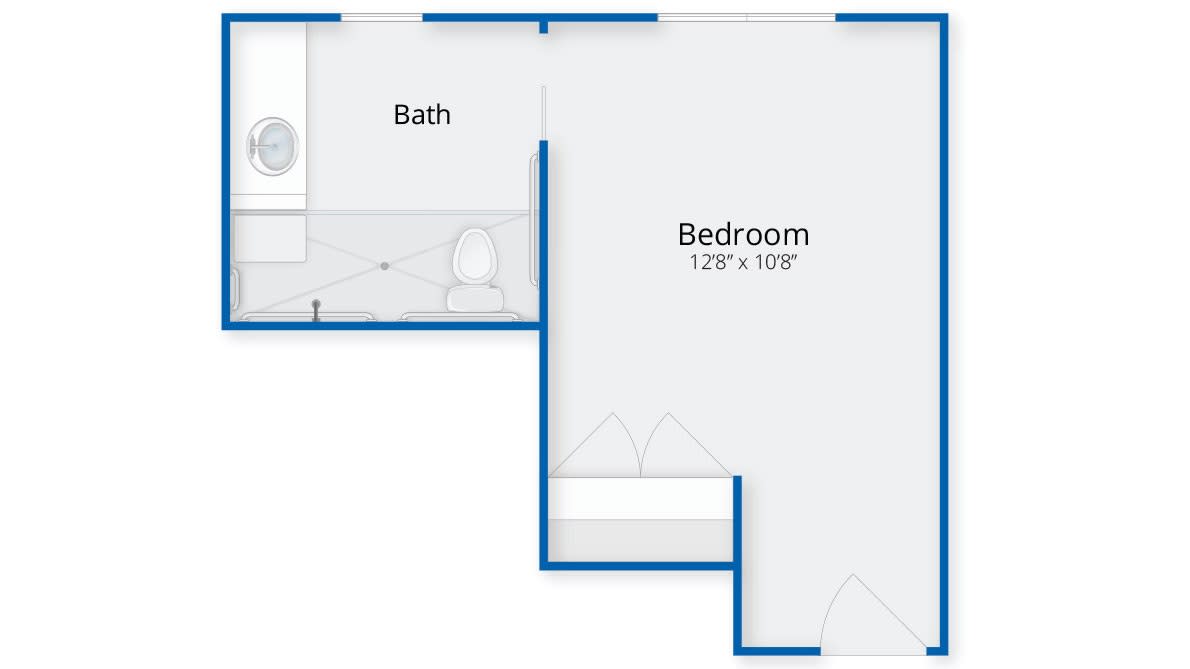
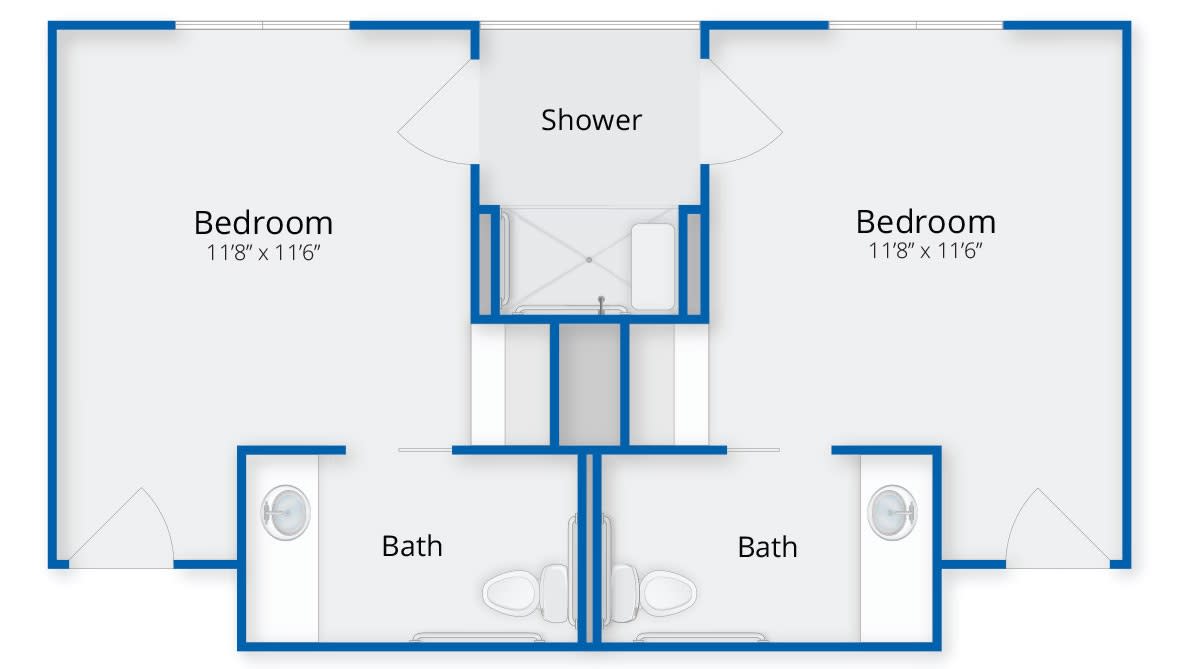
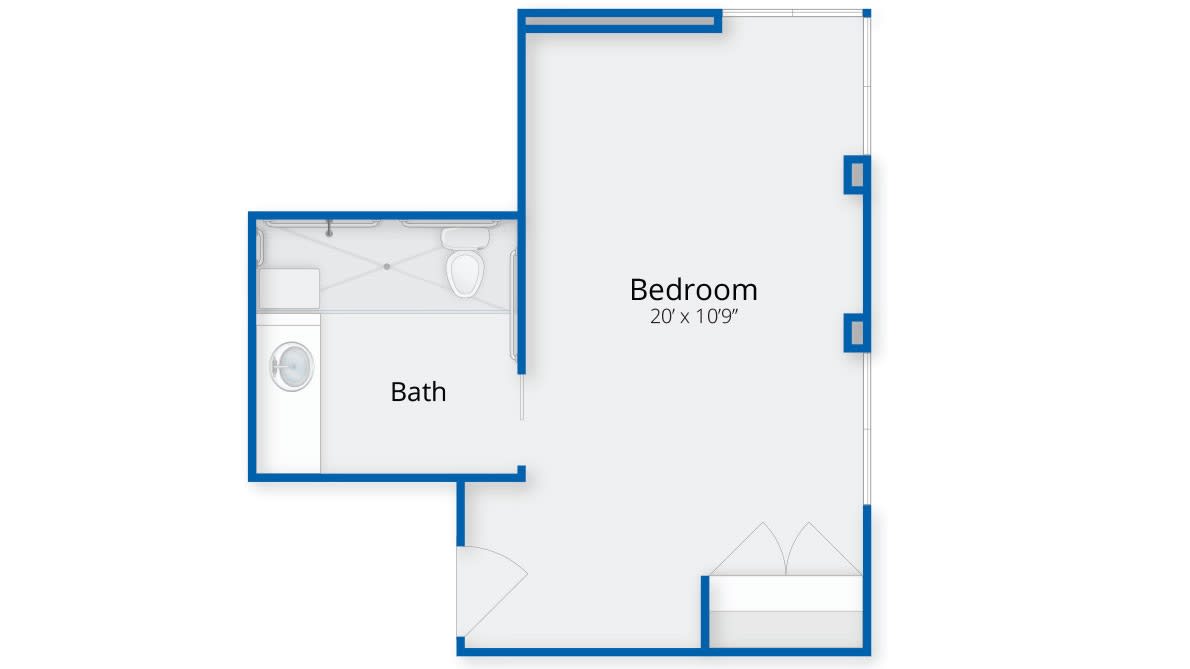
Floor plans
Adelaide Of Newton Centre
Middlesex County
Massachusetts
Studio
$9,780
$5,867
$5,312
Semi-Private
$11,300
$6,395
$5,805
Memory care communities with a similar price nearby
Residents’ families describe a consistent care team with strong follow-through.
Multiple reviewers say the Adelaide team communicates regularly, shares updates, and stays accountable, including during care-team reviews and day-to-day check-ins. Several note the staff takes time to understand individual needs and respond with plans that fit. A number of families also call out how the team works as a unit, with members coordinating rather than handing issues off. Even when experiences are negative, reviewers still reference management and staffing processes, including concerns about how care is handled.
differentiator11 reviews mention this
Memory care focus and programming
Memory-care programming is a core focus, with residents described as engaged daily.
Reviews repeatedly emphasize that Adelaide is built specifically for memory care, and that this focus shows in how staff manage dementia needs. Families mention residents being supported in activities tailored to cognitive and emotional needs, with days described as structured and stimulating. Several reviewers also describe medical and care management that stays consistent as needs change, including medication handling and support transitions. Others highlight ongoing engagement even during disruptions, with activities restarting as conditions improved.
caveat5 reviews mention this
Pricing feels consistently steep
Several reviewers call the cost very high for what they experienced.
A recurring concern is value: multiple reviewers describe Adelaide as extremely expensive or too costly for the level of care they expected. At least a few compare the price to other communities, including one saying it was not worth the level of care. One reviewer even calls out the premium pricing alongside serious negative experiences. Others acknowledge the services are substantial, but still frame the price as a major downside.
common8 reviews mention this
Dining quality and dietary support
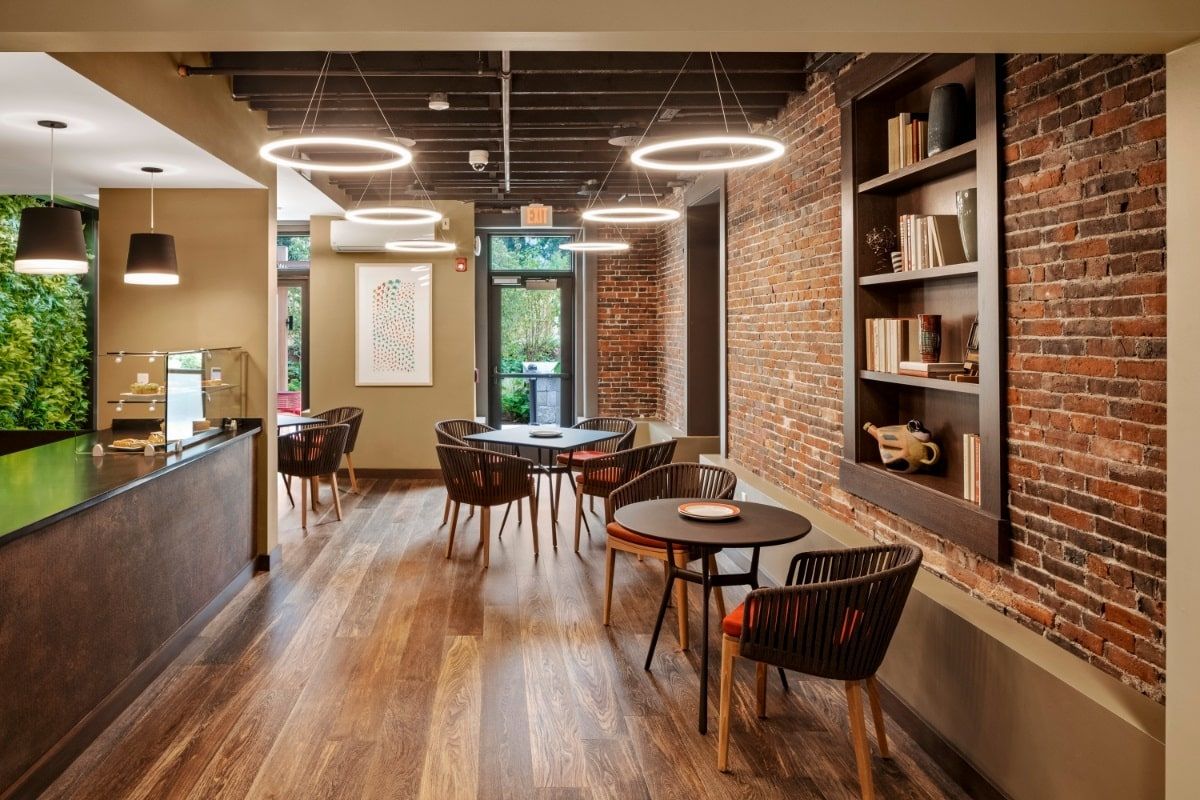
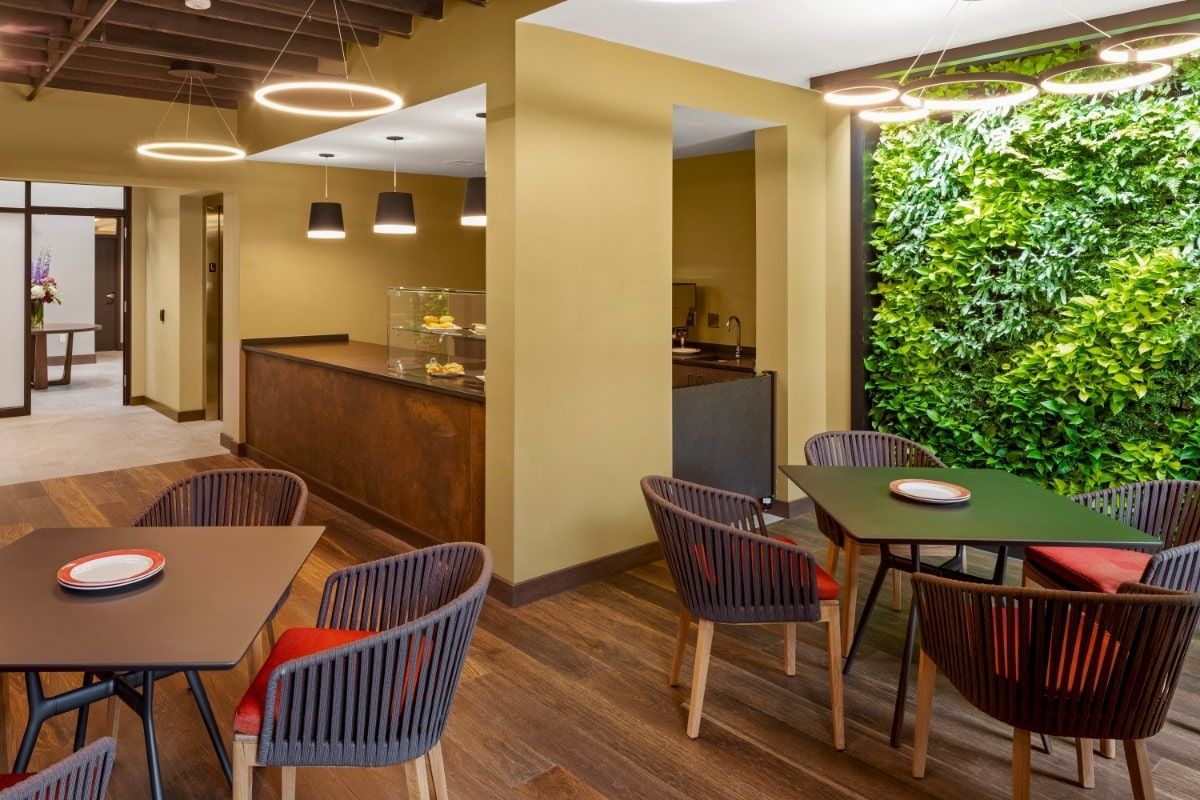
Dining quality and accommodating dietary needs come up often in reviews.
Residents and families frequently mention the food positively, including being fresh and enjoyable, and describe residents looking forward to meals. Several say the chef or team is responsive to requests and helps with special dietary needs. Even in a strongly negative review, the food is mentioned as one of the few things that worked well. Reviewers also connect dining to daily engagement, noting how residents are encouraged to dine in common areas.
common6 reviews mention this
Bright design and secure outdoor space
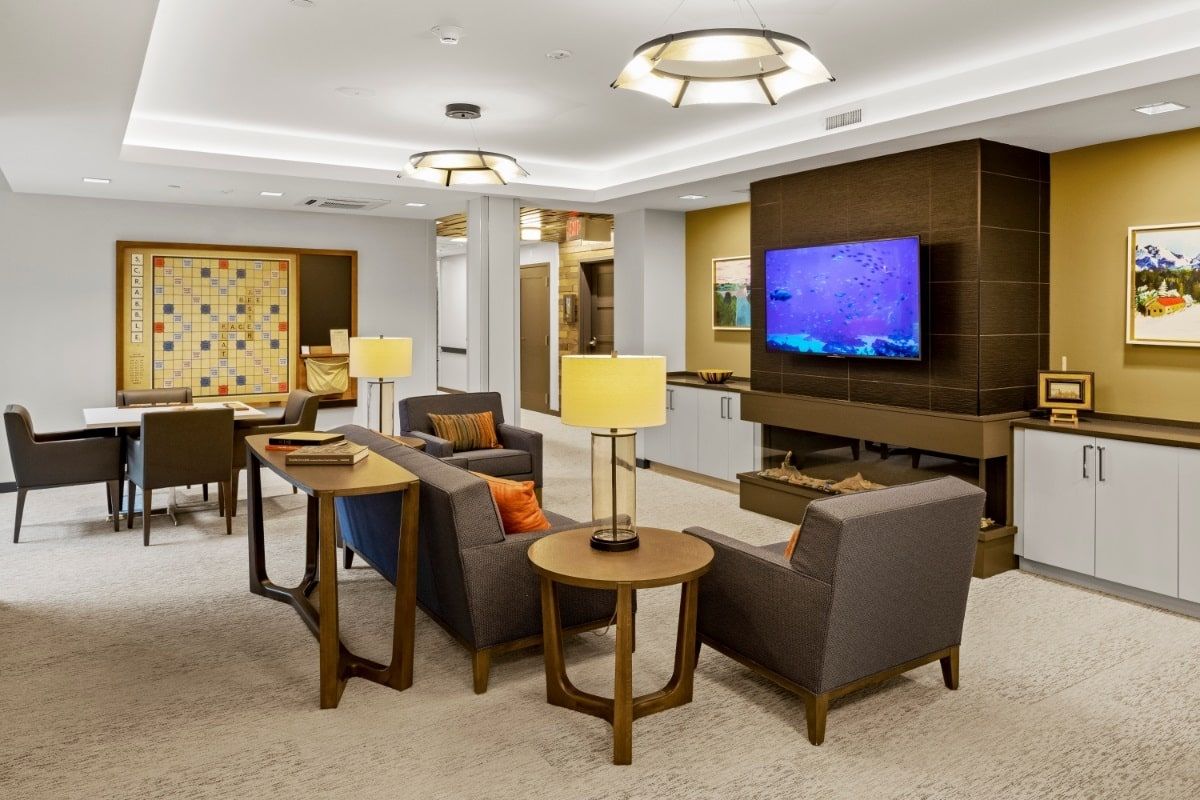
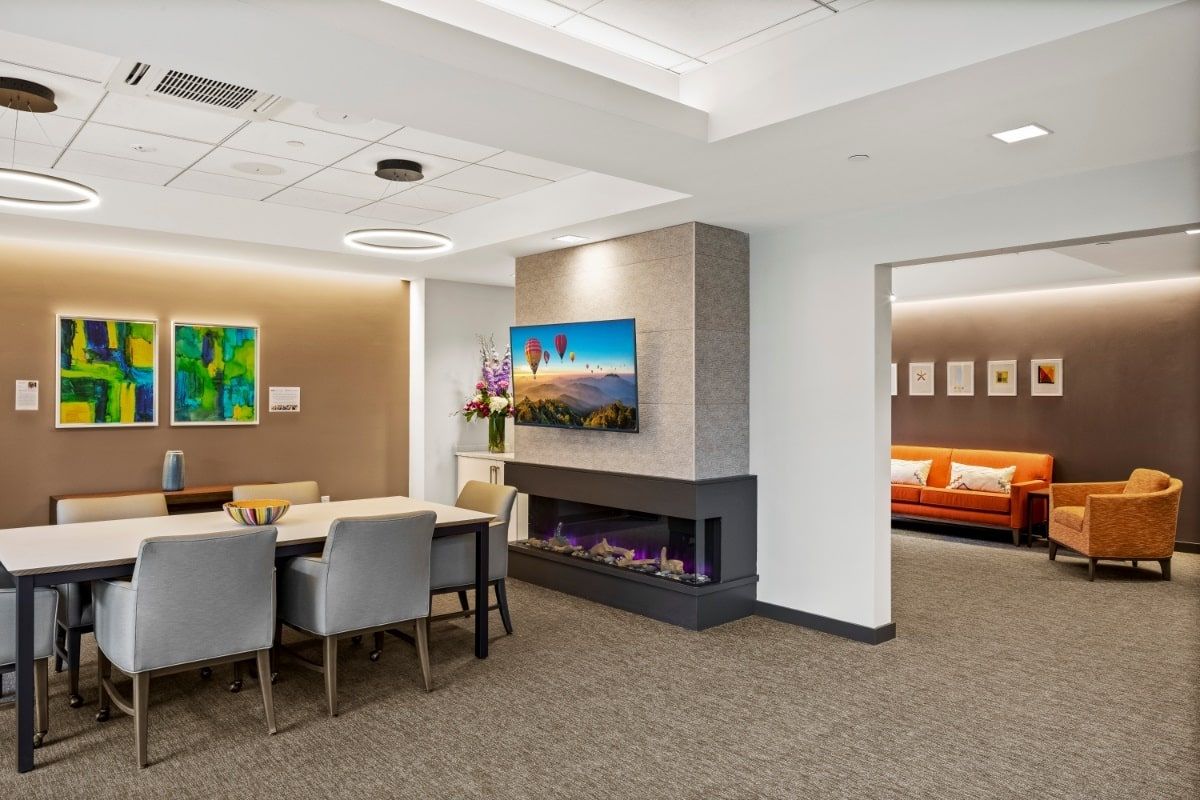
Reviewers highlight the building’s bright design and outdoor areas.
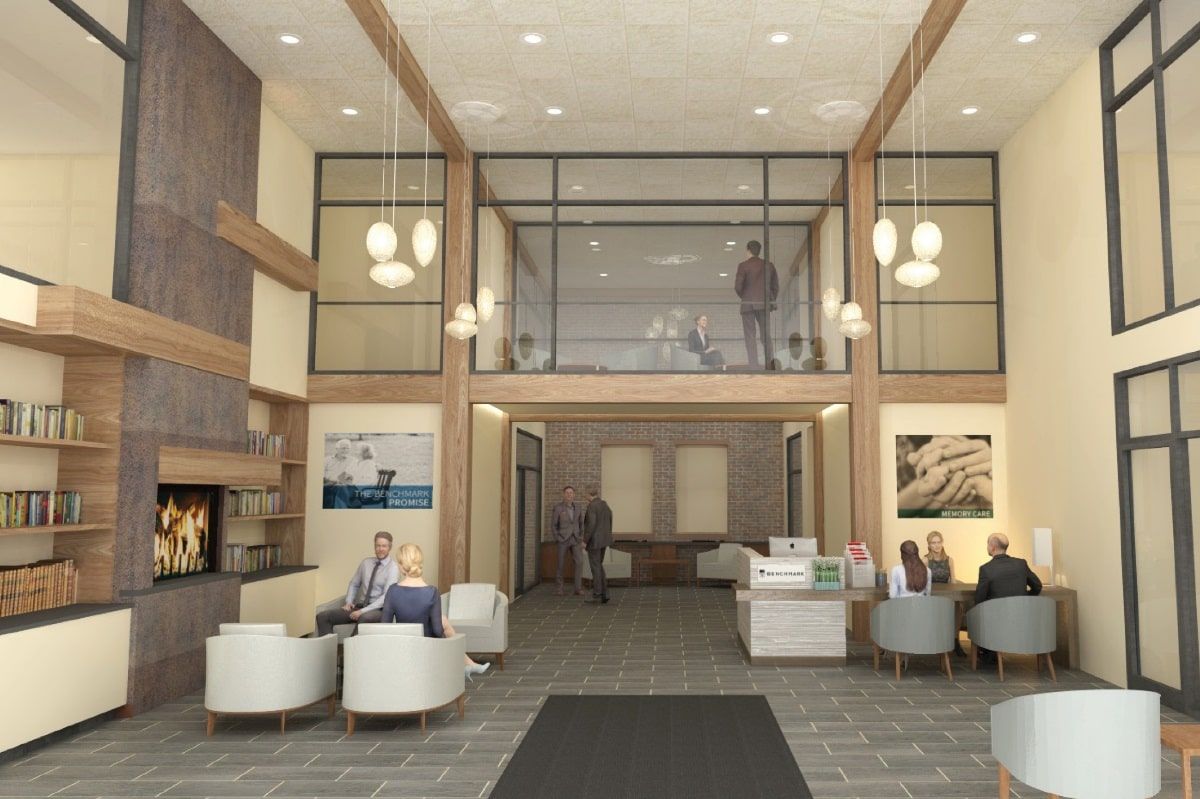
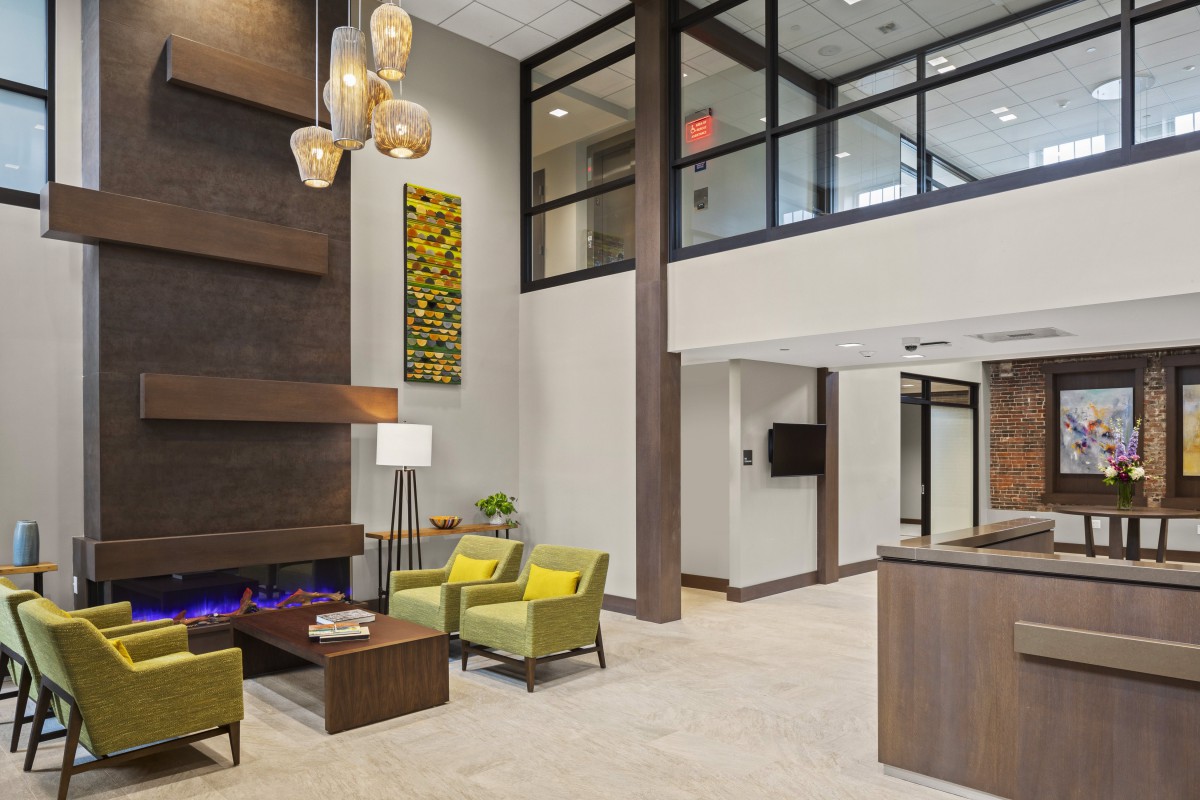
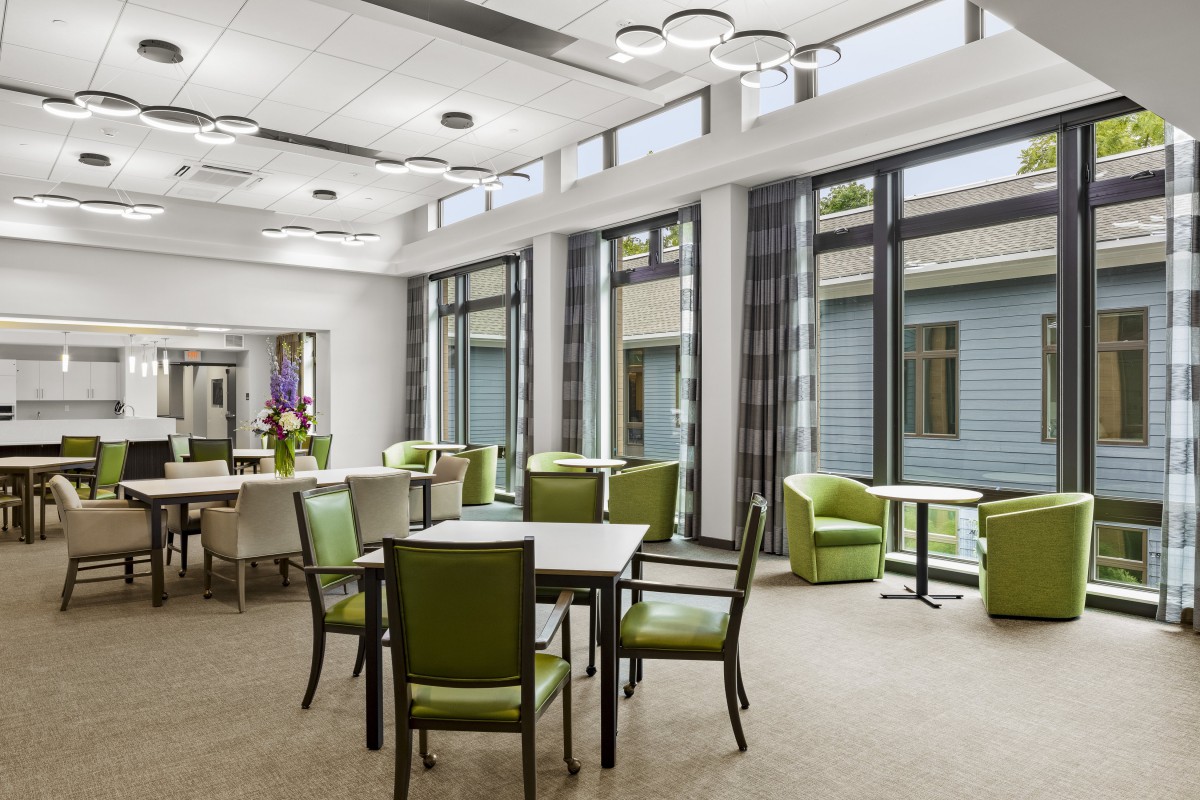
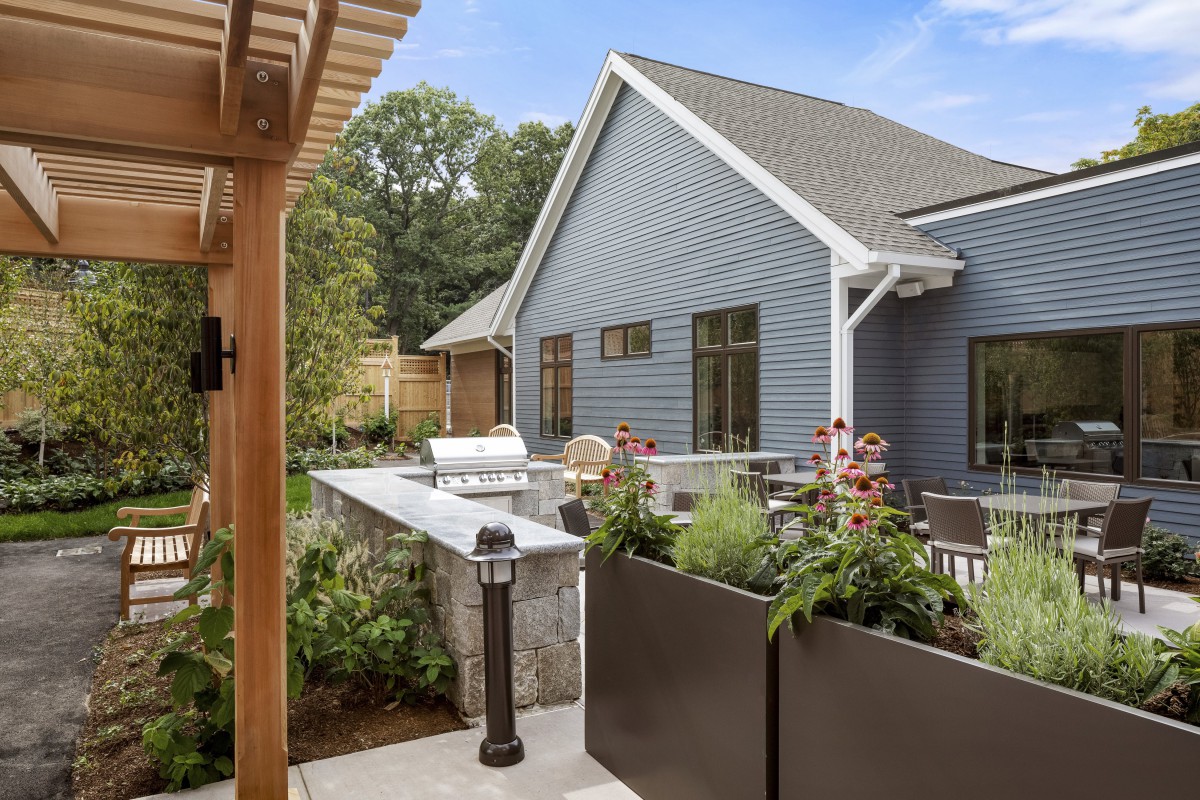
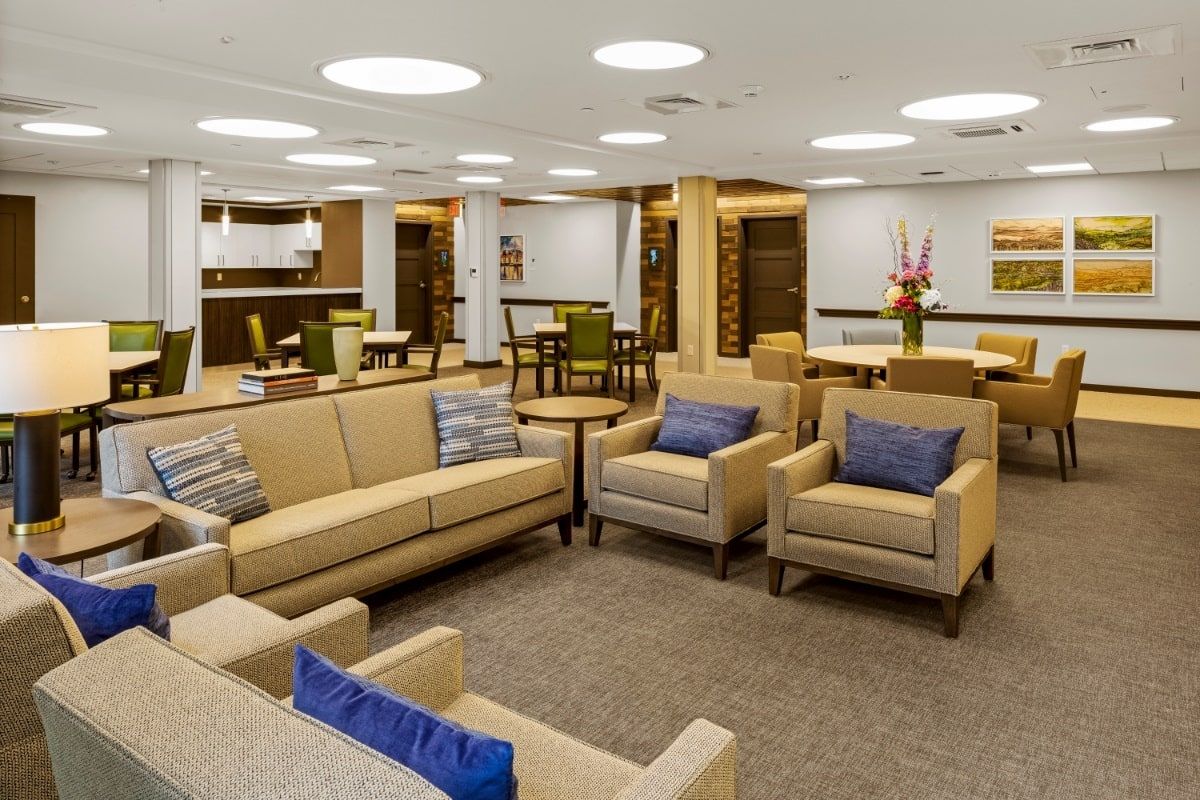
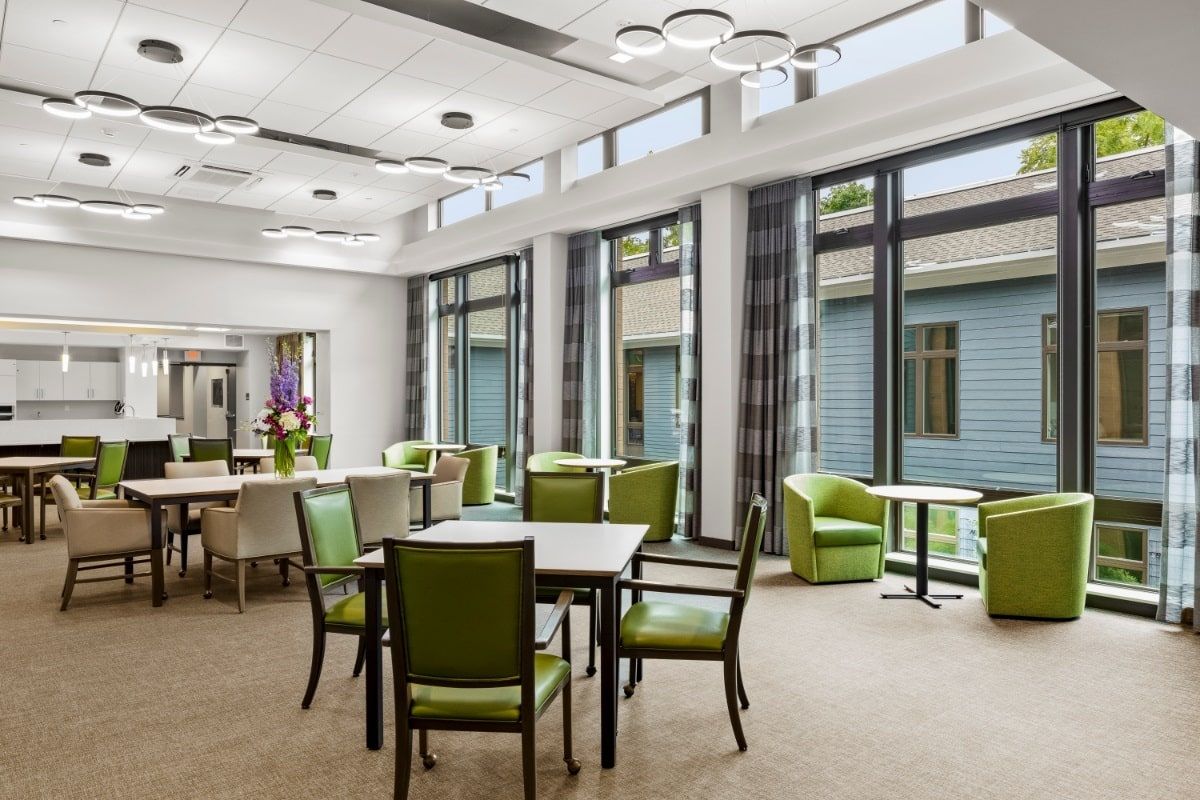
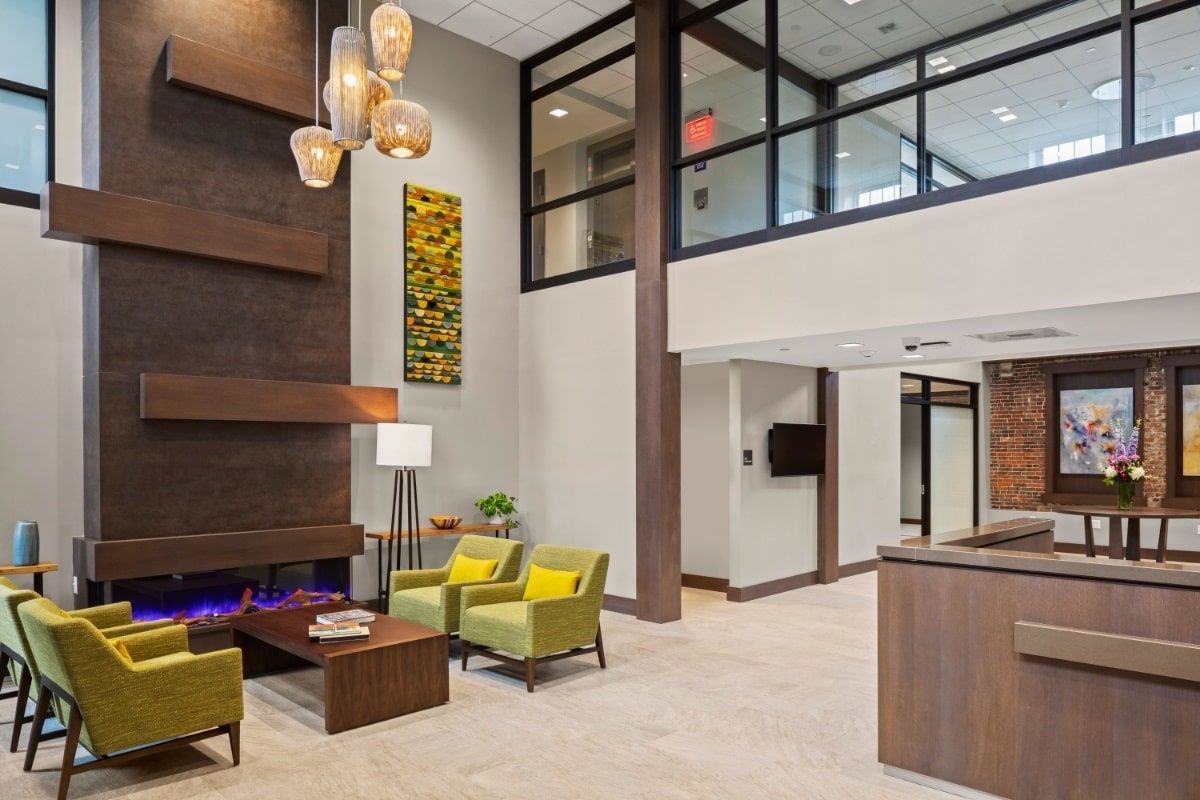
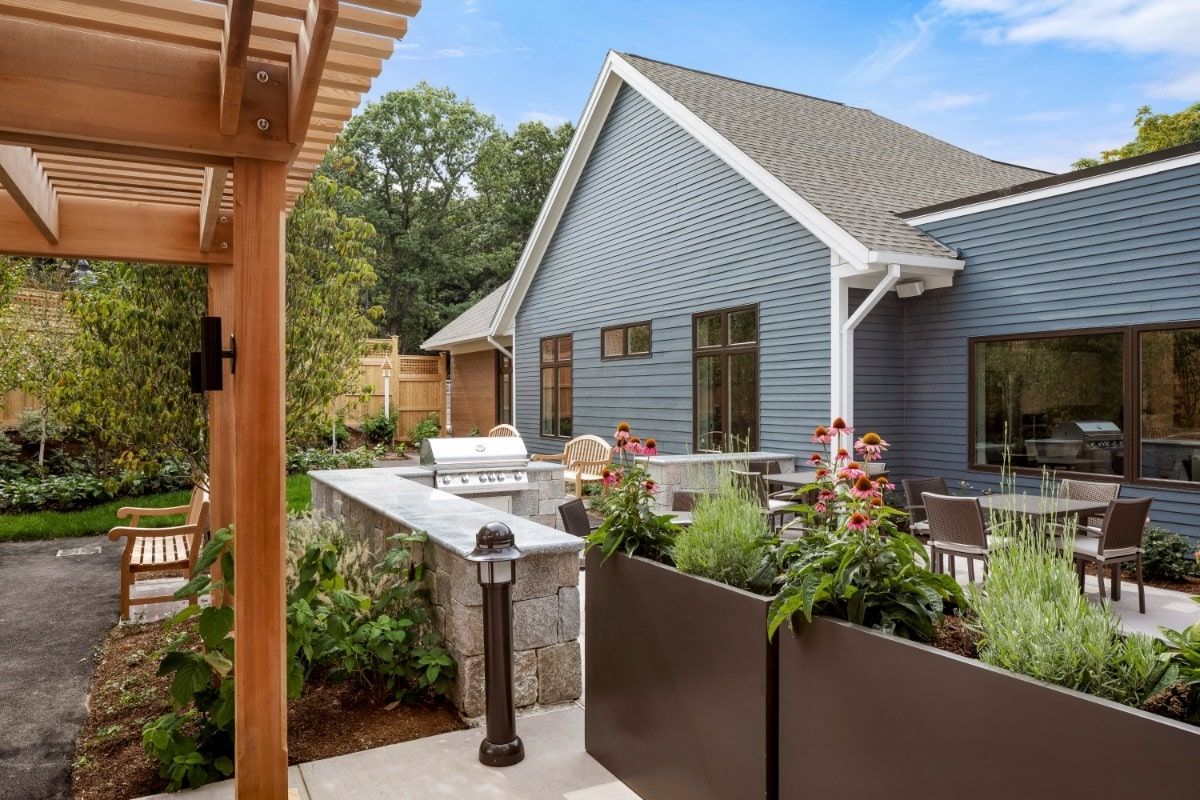
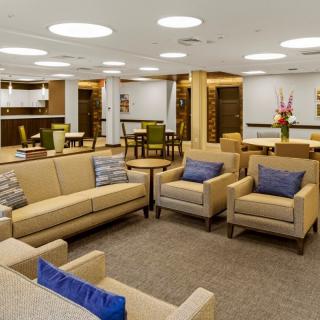
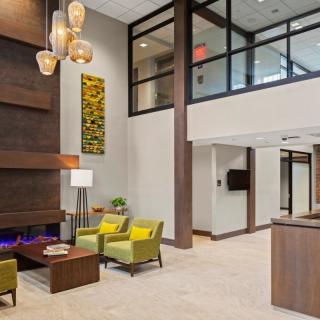
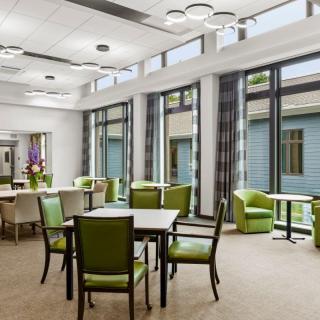
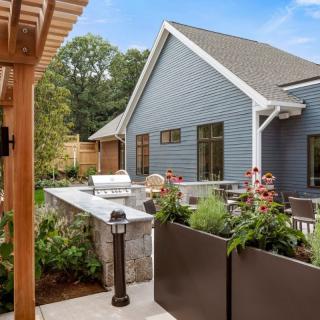
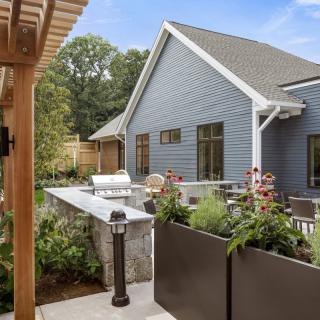
Multiple reviewers describe abundant natural light, open and thoughtfully laid-out spaces, and a generally pleasant atmosphere. Several also point to outdoor areas such as courtyards or a garden where residents can spend time safely. One reviewer praises the courtyard as impressive, while another notes the outside garden is beautiful but small. Across the set, the physical setting is presented as an important part of the memory-care experience.
How we summarize
Counts show how many written reviews mention each theme; a review can touch several themes, and only frequently mentioned themes are displayed.
Features
Housing
22 resident community capacity
Studio apartments
Types of Care
Memory Care
Amenities
Activities off-site
Activities on-site
Air-conditioning
Beautician on-site
Beauty salon
Cable or satellite TV
Cafe
Devotional services on-site
Dining room
Financing advice
Fitness room
Fully furnished
Garden
Guasts at mealtime
Guest parking
Handicap accessible
Home sale assistance
Housekeeping services
Indoor common areas
Kitchenette
Laundry
Move-in coordination
Outdoor common areas
Outdoor patio
Outdoor space
Respite or short term stays offered
Restaurant-style dining
Small library
TV room
Telephone
VA Benefits Consultation
Wellness center
Wi-Fi/high-speed internet available
Transportation
Gen Edw L Logan International (10 miles away)
Transportation & parking
Transportation arrangement (non-medical)
Transportation to doctors appointments
Care Services
12-16 hour nursing
24-hour call system
24-hour supervision
Activities of daily living assistance
Assistance with bathing
Assistance with dressing
Assistance with transfers
Coordination with health care providers
Dementia waiver
Diabetes diet
Diabetic care
Hospice care
Hospice waiver
Incontinence care
Meal preparation and service
Medication management
Mental wellness program
Mild cognitive impairment
Special dietary restrictions
Specialized memory care programming
Transportation arrangement (medical)
Transportation to doctors appointments
Dining
Anytime dining
Diabetes diet
Guest meals
Low / no sodium
Meals provided
Professional chef
Room service
Special dietary restrictions
Special dining programs
Activities
Art classes
Brain fitness
Community-sponsored activities
Cooking classes
Day trips and outings
Devotional activities on-site
Educational speakers / life long learning
Karaoke
Live dance or theater performances
Live musical performances
Live well programs
Resident-run activities
Scheduled daily activities
Stretching classes
Yoga / chair yoga
Nearby Places of Interest
This part of Newton, Massachusetts offers a convenient and vibrant community for senior living. With several pharmacies, hospitals, and medical facilities nearby, residents have easy access to healthcare services. The area also boasts a variety of cafes, restaurants, and theaters for entertainment and socializing. In addition, there are numerous parks and places of worship for relaxation and spiritual nourishment. Public transportation options are available for those who prefer not to drive, with several MBTA stations within a few miles. Overall, this neighborhood provides a well-rounded environment with amenities that cater to the needs and interests of seniors.
Pharmacies
Wegmans (0.9 miles)
CVS Pharmacy (1.2 miles)
CVS Pharmacy (1.4 miles)
CVS Pharmacy (2.3 miles)
CVS Pharmacy (2.7 miles)
CVS Pharmacy (2.8 miles)
CVS Pharmacy (3.3 miles)
Theaters
Showcase SuperLux (1.1 miles)
Cinema World Majestic 7 (3 miles)
Kendall Square Cinema (5.9 miles)
Parks
Newton Highlands Playground (1.1 miles)
Cutler Park (2.9 miles)
Larz Anderson Park (3.1 miles)
Jamaica Pond (3.8 miles)
Olmsted Park (3.9 miles)
Pagel Playground (4.5 miles)
Franklin Park (4.8 miles)
Cafes
Blue Bottle Coffee (1.2 miles)
Starbucks (3 miles)
Starbucks (3.3 miles)
French Press Bakery & Cafe (3.8 miles)
Mike's Donuts (4.5 miles)
Flour Bakery + Cafe (4.8 miles)
Tatte Bakery & Cafe (4.8 miles)
Restaurants
McDonald's (1.4 miles)
Echo Bridge Restaurant (1.9 miles)
McDonald's (2.9 miles)
Kura Revolving Sushi Bar (3 miles)
Veggie Crust (3.5 miles)
Corrib Pub & Restaurant (3.5 miles)
Spring Shabu-Shabu (3.8 miles)
Transportation
MBTA Reservoir Station (2.3 miles)
MBTA Riverside Station (3.2 miles)
MBTA Fenway Station (4.6 miles)
MBTA Kenmore Station (5.1 miles)
MBTA Ruggles Station (5.3 miles)
Porter Square MBTA Station (5.7 miles)
Hospitals
Newton-Wellesley Hospital (2.8 miles)
West Roxbury VA Hospital (3.6 miles)
New England Baptist Hospital (4.3 miles)
Brigham and Women's Hospital (4.3 miles)
Boston Children's Hospital (4.4 miles)
Mount Auburn Hospital (4.4 miles)
McLean Hospital (4.7 miles)
Places of Worship
Parish of the Messiah (2.9 miles)
St Paul Parish, Harvard Square (5 miles)
Physicians
Dedham Medical (4.2 miles)
Bidmc Lowry Building (4.2 miles)
Mass. Eye and Ear (4.3 miles)
Harvard Medical School (4.5 miles)
Harvard Vanguard Medical Associates – Spinal Unit/Pain Management (4.8 miles)
Adelaide Of Newton Centre offers a premium pricing structure compared to its counterparts in Middlesex County and the broader Massachusetts area. For instance, the monthly cost for a studio at Adelaide stands at $9,780, significantly higher than the county average of $5,867 and the state average of $5,312. Similarly, the semi-private room rate of $11,300 reflects a notable increase over both local and state averages - $6,395 in Middlesex County and $5,805 across Massachusetts. This disparity suggests that residents may be drawn to Adelaide Of Newton Centre for its exceptional quality of care and enriching environment, despite the higher financial commitment involved.
Adelaide Of Newton Centre offers a comprehensive suite of features tailored to support residents with dementia or Alzheimer's disease, ensuring their safety, comfort, and cognitive engagement. The 24-hour supervision provides continuous oversight, enabling timely assistance when needed, while support with activities of daily living--such as bathing, dressing, and transfers--promotes dignity and personal care. Brain fitness and specialized memory care programming focus on stimulating cognitive function, which is crucial for maintaining mental acuity. Coordination with healthcare providers ensures that medical needs are met consistently through medication management and incontinence care, thus addressing both physical health and hygiene. Meal preparation and service cater to dietary needs while promoting healthy eating habits. Moreover, a dedicated mental wellness program enhances emotional well-being by providing social interaction and recreational activities designed specifically for varying stages of cognitive impairment. Finally, transportation arrangements for medical appointments minimize stress related to travel logistics for residents needing external care resources.
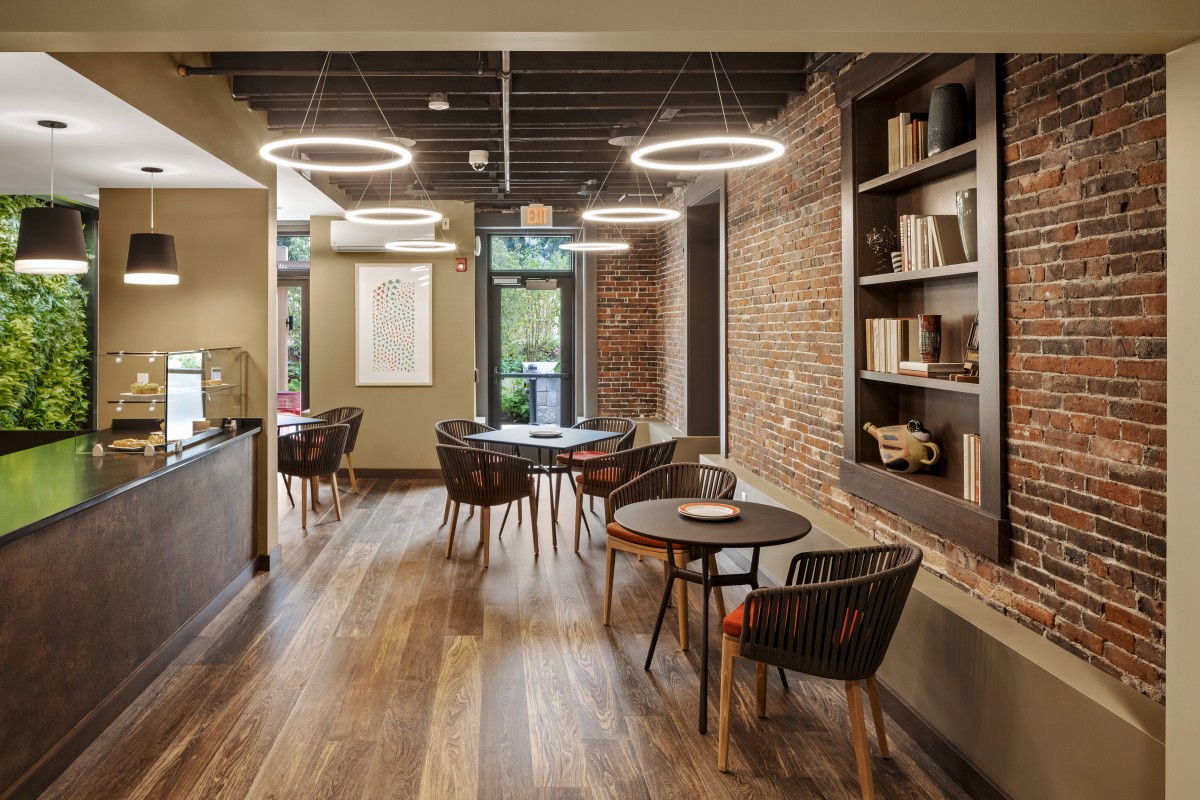
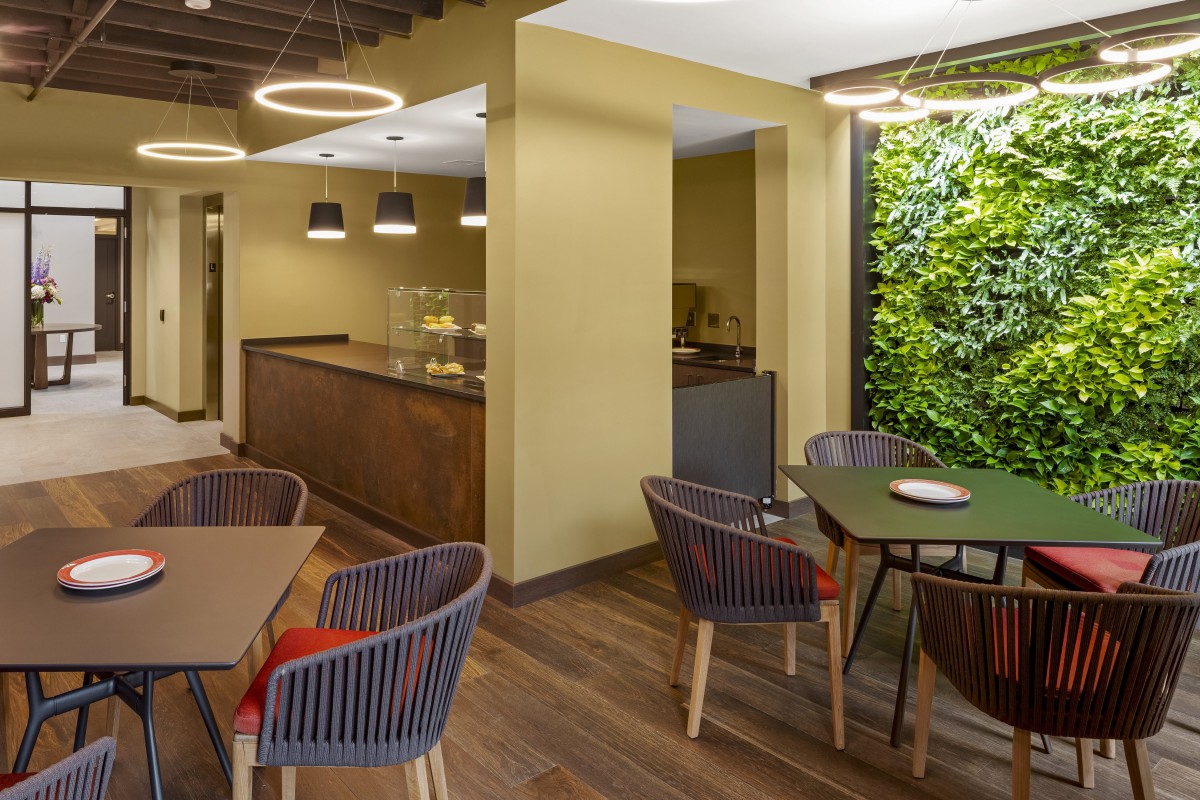
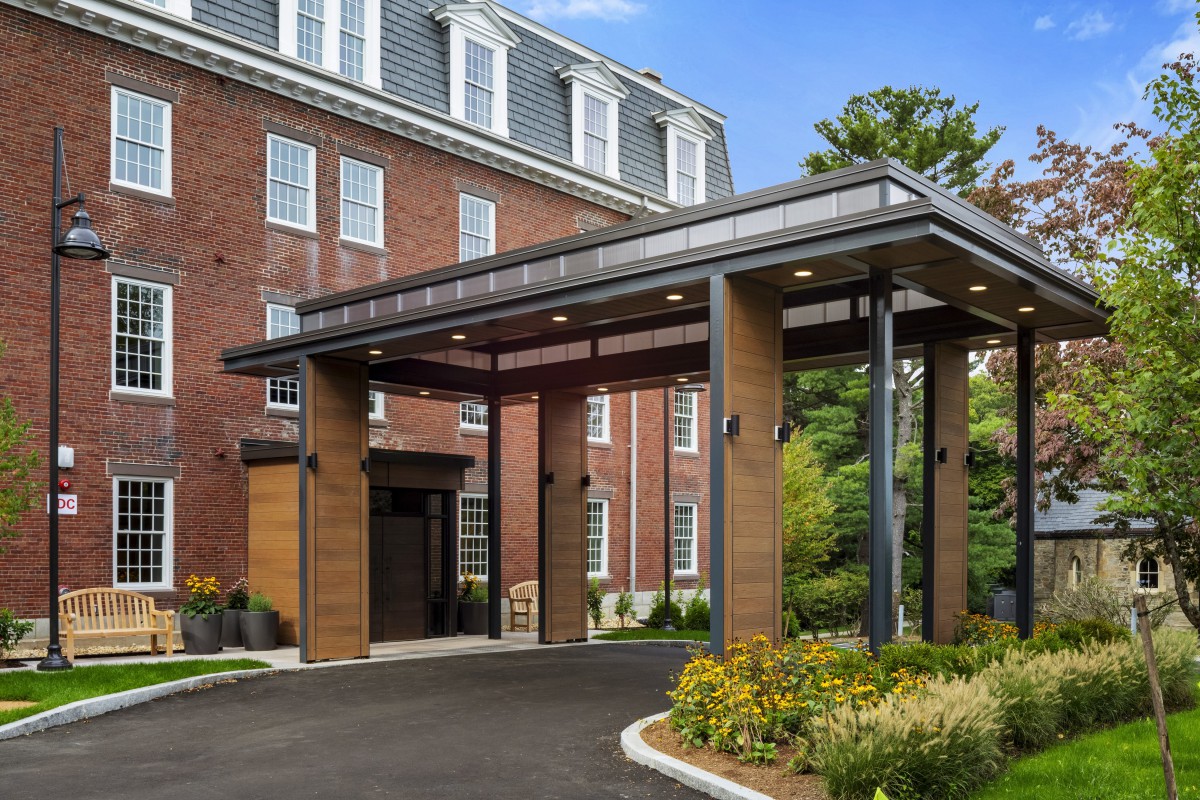
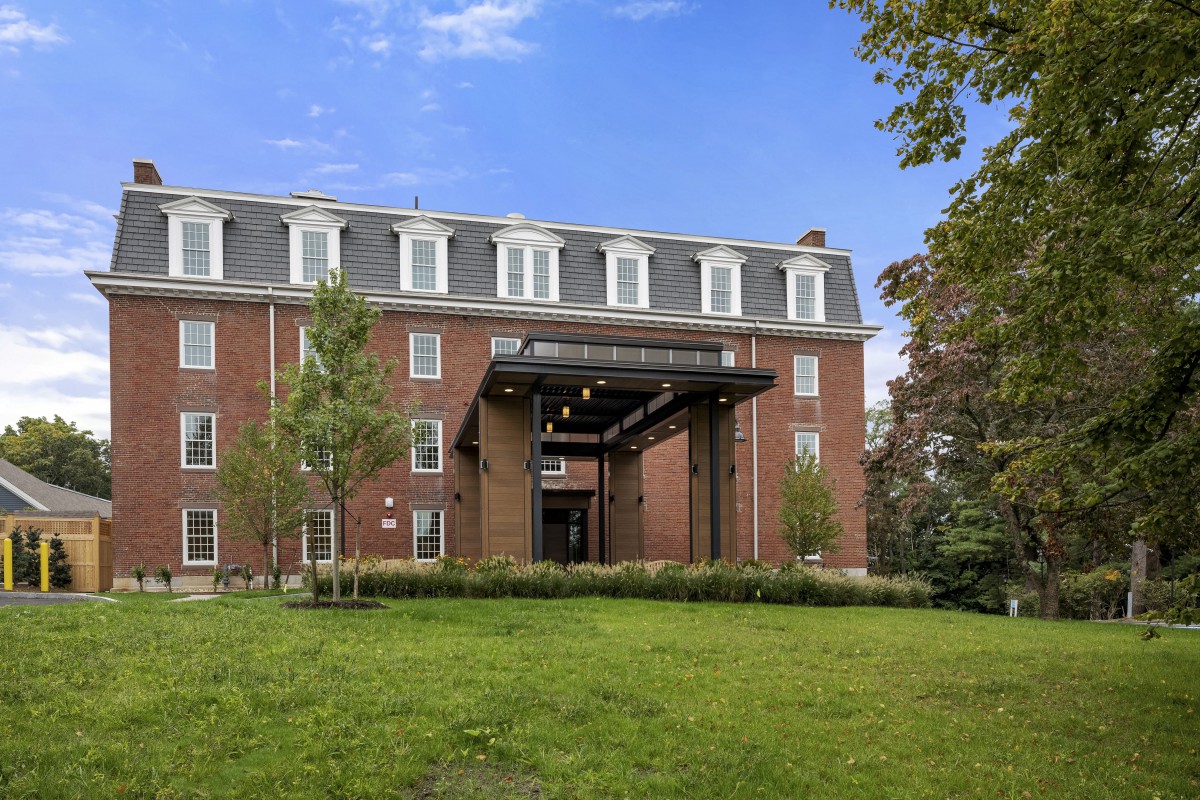
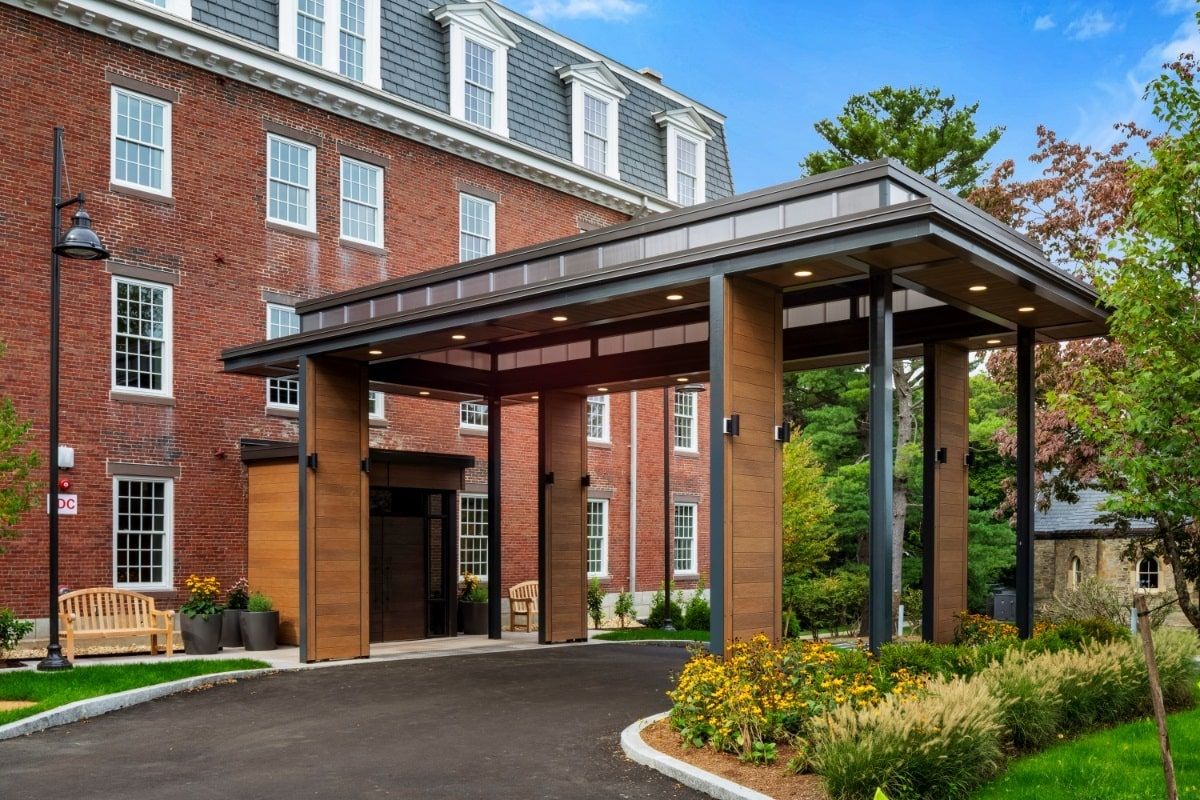
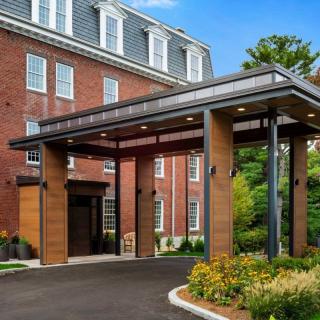
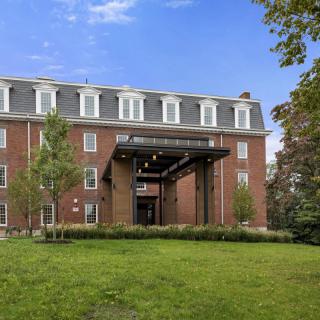
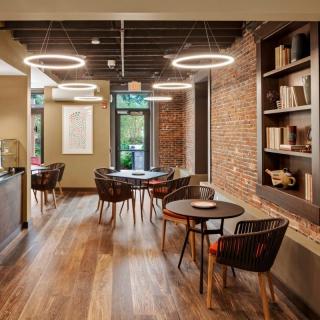
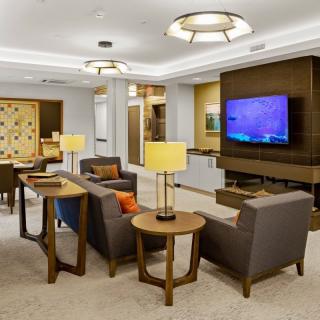
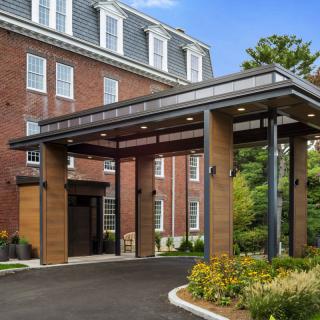
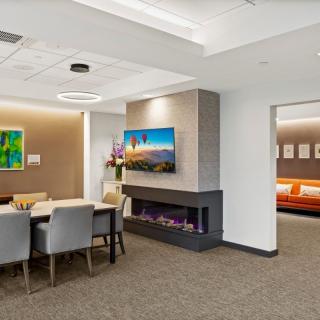
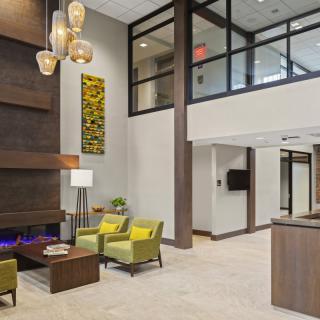
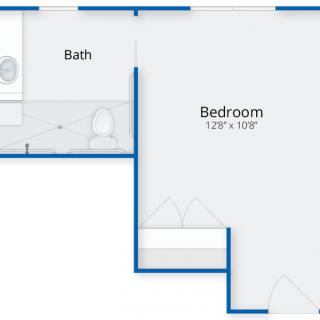
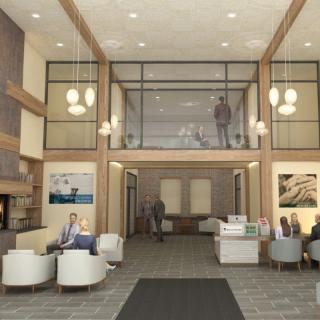
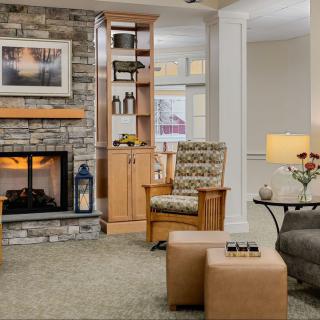
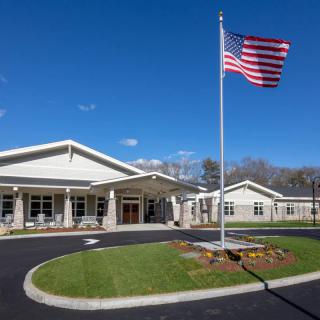
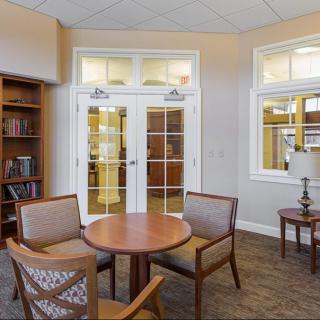
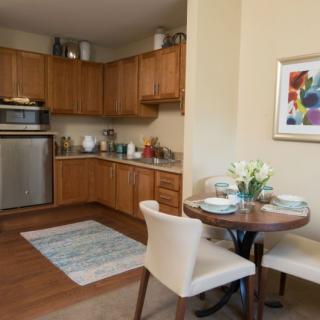
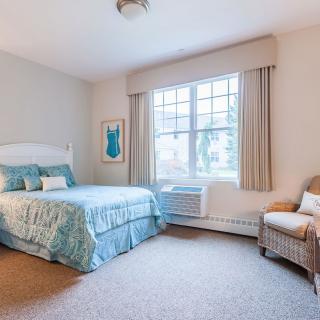
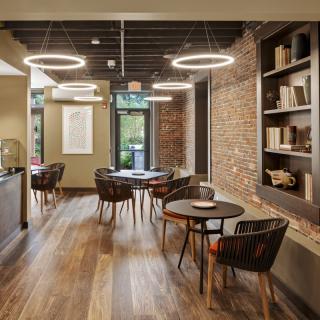
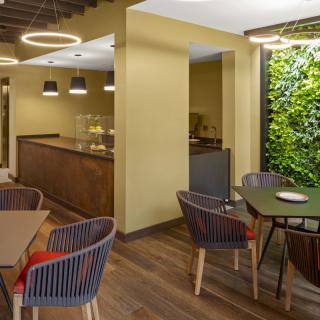
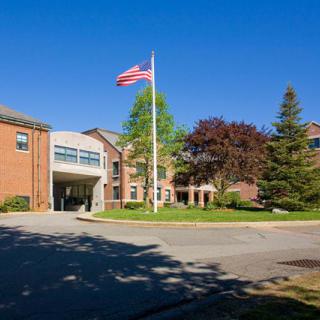
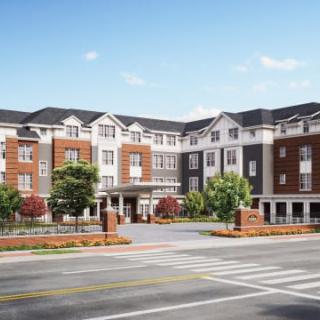
Adelaide Of Newton Centre on seniors.fyi includes 21 photos including images showing interior, dining, floor plan, seating area, architecture, landscaping, lighting, building, and more.
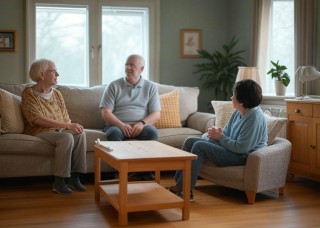
The article outlines effective communication strategies for interacting with loved ones with dementia, highlighting the need for empathy, patience, and understanding while emphasizing supportive approaches like using simple language, minimizing distractions, and focusing on feelings over facts to maintain dignity and foster connection. It also suggests seeking professional guidance when needed as communication challenges evolve.
VA nursing homes, or Community Living Centers (CLCs), offer tailored long-term care for veterans, featuring medical attention and rehabilitation in a supportive environment. The guide covers facility types, eligibility criteria, financial assistance options, quality of care standards, and alternatives to full-time nursing home placement.
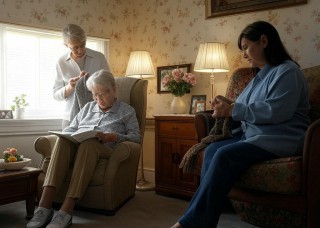
At-home dementia care expenses vary widely based on care levels, location, and caregiver expertise, with monthly costs for home health aides exceeding $4,500 and specialized care potentially surpassing $100,000 annually. While families favor in-home care for its comfort and personalized attention, they must consider financial planning and the challenges of caregiver fatigue.
Get PricingAsk A QuestionSchedule A TourContact Senior Advisor
By clicking submit, you agree to our Partner's Terms of Use. You
also consent to receive calls and texts, which may be autodialed, from our Partner. Your consent is not a condition to
using our Partner's service. Please visit our Partner's Privacy Policy for information about their privacy practices.

 22 resident community capacity
 Studio apartments
 Memory Care
 Activities off-site
 Air-conditioning
 Beautician on-site
 Cable or satellite TV
 Cafe
Cafe Devotional services on-site
 Dining room
 Financing advice
 Fitness room
 Fully furnished
 Garden
 Guest parking
 Handicap accessible
 Housekeeping services
 Indoor common areas
 Kitchenette
 Laundry
 Move-in coordination
 Outdoor common areas
 Outdoor patio
 Respite or short term stays offered
 Restaurant-style dining
 Small library
 Telephone
 Wellness center
 Wi-Fi/high-speed internet available
 Gen Edw L Logan International (10 miles away)
 Transportation & parking
 12-16 hour nursing
 24-hour call system
 Assistance with bathing
 Assistance with dressing
 Assistance with transfers
 Diabetes diet
 Diabetic care
 Hospice care
 Incontinence care
 Medication management
 Mental wellness program
 Special dietary restrictions
 Transportation arrangement (medical)
 Art classes
 Brain fitness
 Cooking classes
 Day trips and outings
 Educational speakers / life long learning
 Karaoke
 Live dance or theater performances
 Live musical performances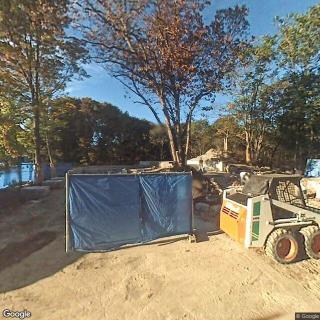
 Extensive nearby amenities (parks, cafes, dining, healthcare, worship, theaters) for convenience.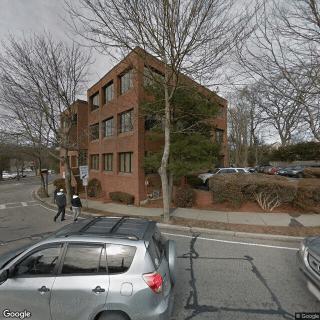




 How to Communicate with a Loved One Living with Dementia: 10 Supportive Strategies
 Comprehensive Guide to VA Nursing Homes: A Crucial Long-Term Care Resource for Veterans
 Estimating the Expenses of At-Home Dementia Care: A Detailed Exploration