For more information about senior living options: (866) 208-4318
3.5 from 62 reviews
5 stars
29
4 stars
10
3 stars
2
2 stars
2
1 stars
19
Overall Review of Hellenic Nursing & Rehabilitation Center
differentiator11 reviews mention this
Dining is a consistent bright spot
Food quality and meal service come up repeatedly in reviews, including praise for baking and frequent improvements.
Multiple reviews describe the food as good, with standout praise for baking and meals that residents actually enjoy. Several reviewers also note that residents are kept well fed, and one resident/family member mentions improvements to meals over time. There are also a few sharp negative comments about food, so experiences aren’t uniform, but positive mentions are frequent.
common18 reviews mention this
Staff kindness is widely mentioned
Many residents and families describe the staff as caring, professional, and respectful.
Across many reviews, families say the staff is nurturing, respectful, and attentive to residents’ daily needs. Several also call out specific roles—nurses, therapy staff, admissions, and social work—when describing the care experience. At the same time, a minority of reviews raise concerns about rudeness and compassion during care, so the tone isn’t consistent for everyone.
common5 reviews mention this
Dementia support gets mixed feedback
Reviews that mention dementia describe both dedicated support and gaps in personal care and planning.
Some families praise the dementia-focused experience, including regular grooming and hygiene attention and a dementia unit described as highly rated. Others report challenges with late-stage Alzheimer’s or dementia needs, including combative behaviors, medication issues, and hygiene problems. Overall, reviewers who mention dementia frame the experience as outcome-dependent rather than consistently smooth.
common12 reviews mention this
Cleanliness is a frequent point
Residents and families often mention cleanliness and presentable rooms as part of the overall experience.
Several reviews say the facility is clean and that rooms are well kept, including mentions of grooming and hygiene being done regularly. A number of reviewers also contrast the cleanliness they saw here with what they experienced elsewhere. There are also a few highly negative reviews that describe the facility as dirty, which pulls the cleanliness theme in both directions.
caveat8 reviews mention this
Call light and staffing concerns recur
Some families report delayed responses to call lights and inadequate staffing coverage.
A recurring concern in negative reviews is that call lights go unanswered or help isn’t provided promptly, including incidents where residents had to seek assistance themselves. Others describe short staffing on certain shifts or weekends, and some mention long waits for basic help such as bathroom assistance. While many reviews are positive about care, the responsiveness theme is one of the clearest sources of dissatisfaction.
How we summarize
Counts show how many written reviews mention each theme; a review can touch several themes, and only frequently mentioned themes are displayed.
Features
Housing
154 resident community capacity
Types of Care
Skilled Nursing Facility
Amenities
Air-conditioning
Beauty salon
Cable or satellite TV
Computer center
Dining room
Fitness room
Fully furnished
Gaming room
Garden
Housekeeping services
Kitchenette
Move-in coordination
Outdoor space
Private bathrooms
Restaurant-style dining
Small library
Telephone
Wellness center
Wi-Fi/high-speed internet available
Transportation
Gen Edw L Logan International (16 miles away)
Community operated transportation
Transportation arrangement
Transportation arrangement (non-medical)
Transportation to doctors appointments
Care Services
12-16 hour nursing
24-hour call system
24-hour supervision
Activities of daily living assistance
Assistance with bathing
Assistance with dressing
Assistance with transfers
Diabetes diet
Meal preparation and service
Medication management
Mental wellness program
Special dietary restrictions
Dining
Diabetes diet
Special dietary restrictions
Activities
Community-sponsored activities
Concierge services
Fitness programs
Planned day trips
Resident-run activities
Scheduled daily activities
Nearby Places of Interest
Transportation
Canton Junction Station (0.2 miles)
Route 128 station (3.2 miles)
Readville (5.2 miles)
MBTA Commuter Rail (7.4 miles)
MBTA Braintree Station (8.2 miles)
Restaurants
C.F. McCarthy’s (0.7 miles)
Castle Island Brewing (2.2 miles)
Wendy's (2.5 miles)
Crescent Ridge Dairy (2.5 miles)
Sonic Drive-In (3.4 miles)
Town Spa Pizza (4.2 miles)
Popeyes Louisiana Kitchen (4.6 miles)
Pharmacies
Walgreens (0.8 miles)
CVS Pharmacy (1.6 miles)
Walgreens (2.4 miles)
Wegmans (3 miles)
CVS Pharmacy (3.1 miles)
CVS Pharmacy (3.1 miles)
CVS Pharmacy (3.3 miles)
Cafes
Starbucks (2.3 miles)
Panera Bread (2.9 miles)
Brookside Cafe (3 miles)
Dunkin' Brands (3.2 miles)
Starbucks (3.9 miles)
Starbucks (6.5 miles)
Target T2693 Braintree (7.5 miles)
Physicians
Dedham Medical Associates (2.5 miles)
Guild Medical Center (3.3 miles)
Signature Healthcare Pediatrics (5.8 miles)
The Foxboro Center For Women's & Family Health (6.8 miles)
Pediatric Associates of Wellesley (7.4 miles)
Dedham Medical (7.7 miles)
Brigham & Womens Mass General Healthcare Center (7.7 miles)
Parks
Francis William Bird Park (3.4 miles)
Houghton's Pond (4.2 miles)
Braintree Highlands Community Playground (7 miles)
Borderland State Park (7 miles)
Hinckley Playground (8.1 miles)
Almont Park (8.1 miles)
Governor Hutchinson's Field (8.3 miles)
Places of Worship
Saint Catherine of Siena Parish (3.4 miles)
First Baptist Church (5.3 miles)
Annunciation Greek Orthodox Church (6.8 miles)
Hospitals
New England Baptist Outpatient Care Center (4.4 miles)
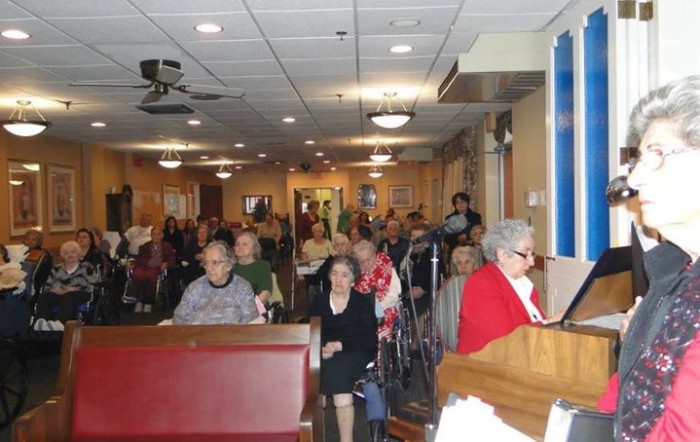
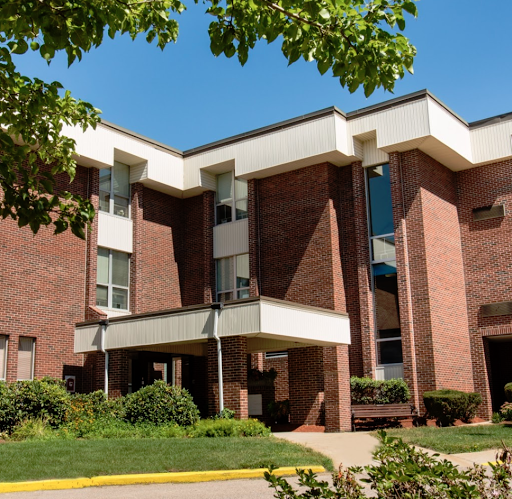
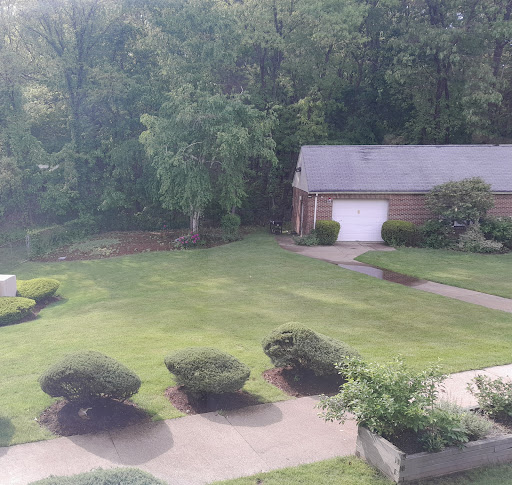
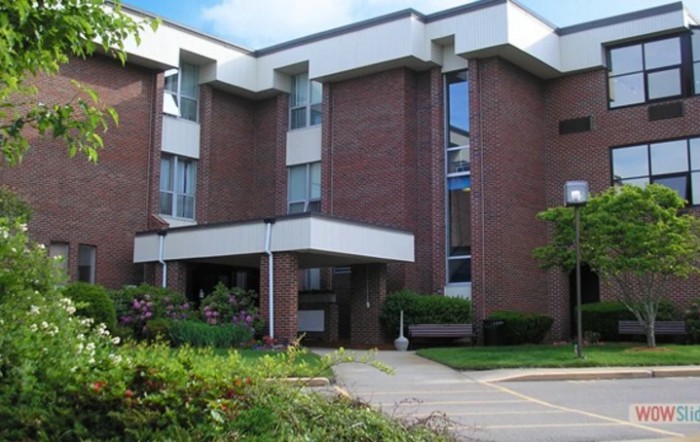
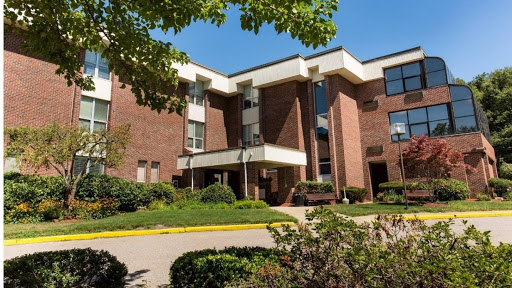
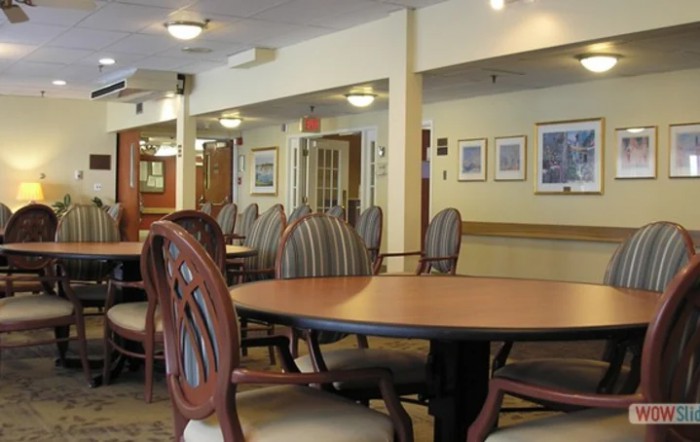
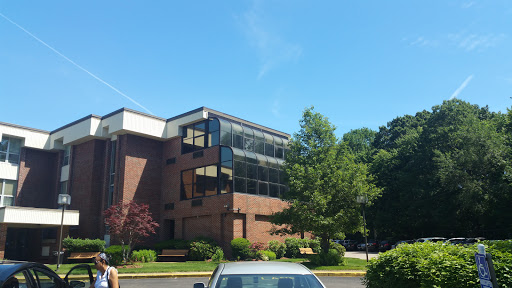
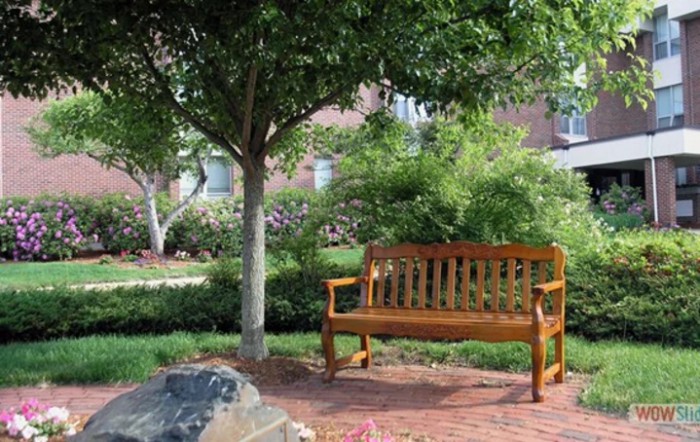
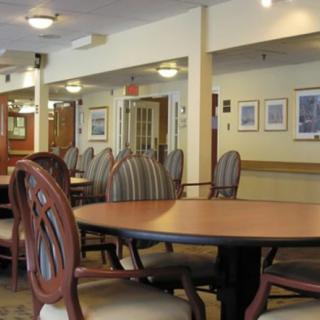
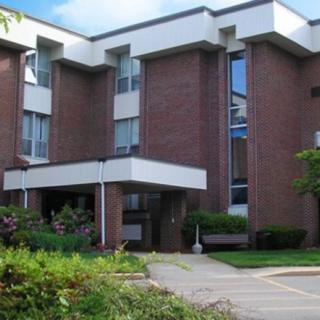
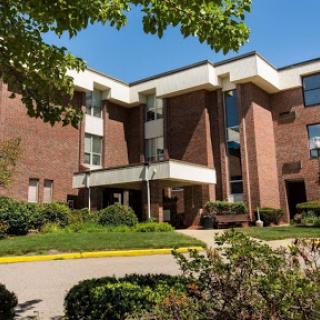
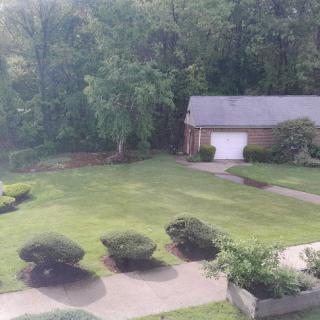
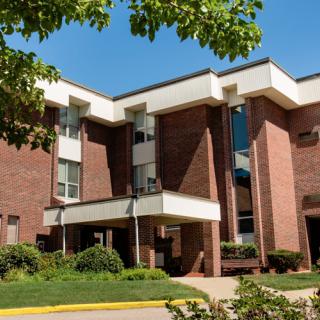
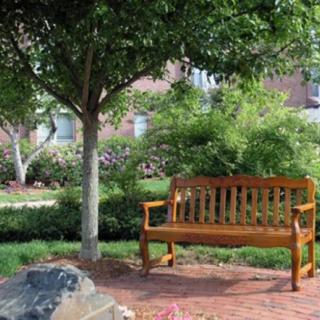
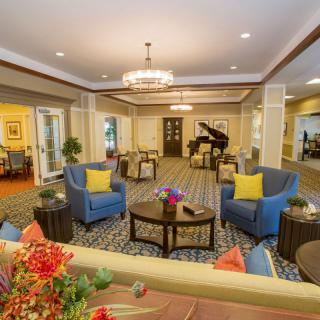
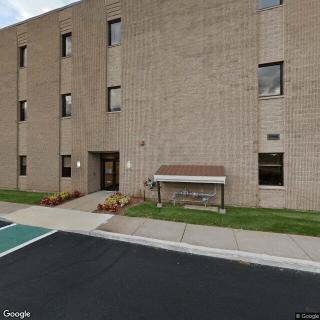
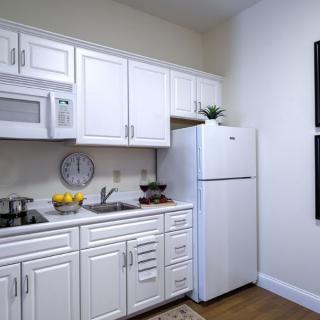
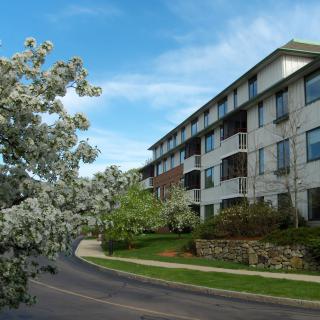
Hellenic Nursing & Rehabilitation Center on seniors.fyi includes 8 photos including images showing landscaping, building, architecture, brick, outdoors, nature, trees, urban, and more.
Nearby Communities
Hellenic Nursing Home-The Aged
Canton, MA
3.6 from 52 reviews
$6,570 / month
Around-the-clock staff with memory care and skilled nursing services.
New England Nurses
Canton, MA
5 from 4 reviews
Reliable overnight care with strong communication and capable, compassionate staff, giving families peace of mind.
ComForcare Senior Services-Canton
Canton, MA
4.7 from 45 reviews
Convenient location with numerous nearby amenities and services.
Home Helpers & Direct Link - Norwood, MA
Canton, MA
4.8 from 10 reviews
Excellent access to nearby amenities and healthcare options.
Cornerstone at Canton
Canton, MA
4.6 from 81 reviews
$6,350 to $8,375 / month
Engaging activities and attentive, personalized staff
CS&R Quality Homecare LLC
Canton, MA
5 from 4 reviews
Nearby amenities and medical services.
Arbors at Stoughton
Stoughton, MA
4.8 from 59 reviews
Caring, attentive staff in a clean, well-maintained community with ample amenities and engaging activities.
Orchard Cove Hebrew SeniorLife, a CCRC
Canton, MA
4.9 from 63 reviews
$4,335 to $8,400 / month
Warm, welcoming community with strong programs, dining, and on-site care.
Linda's caregiving journey for her elderly mother, Joan, is marked by deep love and challenges as she navigates health changes, emotional support, and practical arrangements while learning to prioritize self-care and utilize community resources. Their evolving relationship highlights resilience and the universal themes of empathy and preparedness in caregiver experiences.
The article clarifies common misconceptions about Powers of Attorney (POA), highlighting the necessity of the principal's consent, the limitations on an agent's authority, and the importance of mental capacity when signing. It also distinguishes between various types of POAs, addresses concerns about potential abuse, and emphasizes the need for legal consultation to ensure valid and up-to-date documents.
Get PricingAsk A QuestionSchedule A TourContact Senior Advisor
By clicking submit, you agree to our Partner's Terms of Use. You
also consent to receive calls and texts, which may be autodialed, from our Partner. Your consent is not a condition to
using our Partner's service. Please visit our Partner's Privacy Policy for information about their privacy practices.


 154 resident community capacity
 Skilled Nursing Facility
 Air-conditioning
 Beauty salon
 Cable or satellite TV
 Computer center
 Dining room
 Fitness room
 Fully furnished
 Gaming room
 Garden
 Housekeeping services
 Kitchenette
 Move-in coordination
 Outdoor space
 Private bathrooms
 Restaurant-style dining
 Small library
 Telephone
 Wellness center
 Wi-Fi/high-speed internet available
 Gen Edw L Logan International (16 miles away)
 Community operated transportation
 12-16 hour nursing
 24-hour call system
 Activities of daily living assistance
 Assistance with bathing
 Assistance with dressing
 Assistance with transfers
 Diabetes diet
 Medication management
 Mental wellness program
 Special dietary restrictions
 Concierge services
 Planned day trips
 Around-the-clock staff with memory care and skilled nursing services.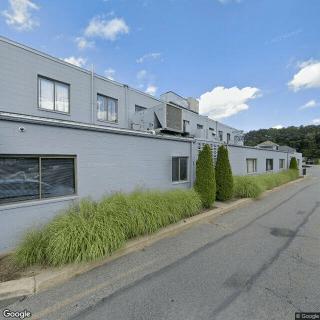
 Nurturing Our Loved Ones: A Daughter's Journey in Caring for Her Mother
 Nurturing Our Elders: Linda's Journey of Supporting Her Mother
 A Comprehensive Exploration of Common Misunderstandings about Powers of Attorney