For more information about senior living options: (866) 208-4318
3.4 from 32 reviews
5 stars
16
4 stars
4
3 stars
0
2 stars
0
1 stars
12
Overall Review of Presentation Rehab And Skilled Care Center
differentiator13 reviews mention this
Staff kindness and compassion stand out
Residents and families frequently describe the staff as compassionate and attentive.
Many reviewers say the staff made them or their loved one feel safe, respected, and cared for, with nurses, aides, and therapists taking time to listen. Several families also describe staff as communicative and responsive when issues came up, and praise how staff helped reduce anxiety about care. At the same time, other reviewers report the opposite—rudeness, feeling dismissed, or neglectful care—so experiences appear inconsistent depending on the situation and caregiver coverage.
common6 reviews mention this
Facility cleanliness gets strong praise
Multiple reviewers highlight the facility’s cleanliness and upkeep.
Several reviewers describe the center as very clean, including clean rooms and restrooms. Others mention the building and grounds as well maintained, and one person specifically notes the facility does not have the kind of unpleasant smell they associate with other places. Even among negative reviews, cleanliness is not the main focus, suggesting it is a more consistent strength than other areas.
differentiator5 reviews mention this
Rehab progress is a repeated theme
Families often link the rehab experience to meaningful physical improvement.
Reviewers describe rehabilitation that helped them regain strength, relearn walking, and move toward goals like standing and walking without assisted devices. People also mention therapists encouraging them while working within limitations, and one reviewer after a stroke credits day-after-day support for physical and emotional well-being. This theme aligns with the on-site support families describe for recovery and daily functioning during the stay.
caveat3 reviews mention this
Dining quality varies by experience
Dining feedback is mixed, with some praise and some sharp complaints.
Some reviewers say meals are tasty and healthy, and a couple also describe the dining as able to follow dietary restrictions. However, at least one reviewer reports the food was completely inedible and criticizes the overall dining experience there. Because feedback is divided, families may want to confirm how meals and restrictions are handled for their situation.
common5 reviews mention this
Activities help residents stay engaged
Residents and visitors mention activities and programming during the stay.
Several reviewers talk about games, scheduled activities, and an activity director who is attentive and friendly. Others describe seeing residents active in the hallways or participating despite limitations, and one reviewer mentions plenty of programming and events. Reviewers also note the community encourages engagement in ways that can make the environment feel more normal and comforting during rehab or longer stays.
caveat10 reviews mention this
Communication and staffing criticisms recur
Some reviewers report problems with responsiveness, communication, or staffing reliability.
A number of negative reviews describe feeling dismissed or struggling to get answers, including being brushed off with questions or having trouble obtaining patient information. Several also recount delays in getting help, including one incident where help took an hour after a fall, and others describe neglectful care or inadequate assistance with basic needs. Even among reviews that express general satisfaction, one reviewer specifically mentions weekends being short-staffed, which may help explain why experiences can differ.
How we summarize
Counts show how many written reviews mention each theme; a review can touch several themes, and only frequently mentioned themes are displayed.
Features
Housing
122 resident community capacity
Types of Care
Skilled Nursing Facility
Amenities
Air-conditioning
Beauty salon
Cable or satellite TV
Computer center
Dining room
Fitness room
Fully furnished
Gaming room
Garden
Housekeeping services
Kitchenette
Move-in coordination
Outdoor space
Private bathrooms
Restaurant-style dining
Small library
Telephone
Wellness center
Wi-Fi/high-speed internet available
Transportation
Gen Edw L Logan International (8 miles away)
Community operated transportation
Transportation arrangement
Transportation arrangement (non-medical)
Transportation to doctors appointments
Care Services
12-16 hour nursing
24-hour call system
24-hour supervision
Activities of daily living assistance
Assistance with bathing
Assistance with dressing
Assistance with transfers
Diabetes diet
Meal preparation and service
Medication management
Mental wellness program
Special dietary restrictions
Dining
Diabetes diet
Special dietary restrictions
Activities
Community-sponsored activities
Concierge services
Fitness programs
Planned day trips
Resident-run activities
Scheduled daily activities
Nearby Places of Interest
This area of Boston, Massachusetts, offers a variety of amenities for senior living. With multiple theaters, restaurants offering diverse cuisine options, and cafes serving coffee and pastries, there is plenty to enjoy within close proximity. The numerous pharmacies nearby provide convenience for medication needs, while public transportation options such as the MBTA stations make it easy to get around the city. For healthcare, there are several hospitals and medical facilities in the area. Additionally, places of worship offer spiritual support, and parks provide opportunities for outdoor recreation and relaxation. Overall, this neighborhood provides a well-rounded environment with a mix of entertainment, dining, healthcare services, and green spaces conducive to senior living.
Theaters
Cinema World Majestic 7 (0.7 miles)
Showcase SuperLux (2.2 miles)
Kendall Square Cinema (4.1 miles)
Restaurants
Kura Revolving Sushi Bar (0.7 miles)
McDonald's (0.7 miles)
Sofra Bakery & Cafe (1.7 miles)
Spring Shabu-Shabu (1.7 miles)
Raising Cane's Chicken Fingers (2.5 miles)
La Saison Bakery (2.6 miles)
Charlie's Kitchen (2.7 miles)
Cafes
Starbucks (0.8 miles)
Blue Bottle Coffee (2.2 miles)
Flour Bakery + Cafe (2.7 miles)
Tatte Bakery & Cafe (2.9 miles)
Cafe Rustica (3.4 miles)
Forge Baking Company (3.6 miles)
Tatte Bakery & Cafe (3.6 miles)
Pharmacies
CVS Pharmacy (1.2 miles)
CVS Pharmacy (1.3 miles)
CVS Pharmacy (1.6 miles)
CVS Pharmacy (1.8 miles)
CVS Pharmacy (2.1 miles)
CVS Pharmacy (2.2 miles)
CVS Pharmacy (2.5 miles)
Transportation
MBTA Reservoir Station (1.7 miles)
MBTA Fenway Station (3.3 miles)
Porter Square MBTA Station (3.4 miles)
MBTA Davis Square Station (3.7 miles)
MBTA Kenmore Station (3.7 miles)
MBTA Union Square Station (4.1 miles)
MBTA Ruggles Station (4.2 miles)
Hospitals
Mount Auburn Hospital (2.2 miles)
McLean Hospital (2.9 miles)
Brigham and Women's Hospital (3.4 miles)
Boston Children's Hospital (3.4 miles)
New England Baptist Hospital (3.6 miles)
Newton-Wellesley Hospital (4.3 miles)
Places of Worship
St Paul Parish, Harvard Square (2.9 miles)
Parish of the Messiah (3.8 miles)
St Agnes Parish-Arlington (4.4 miles)
Our Lady's Church (4.8 miles)
Physicians
Bidmc Lowry Building (3.2 miles)
Harvard Vanguard Medical Associates (3.4 miles)
Mass. Eye and Ear (3.5 miles)
Harvard Vanguard Medical Associates – Spinal Unit/Pain Management (3.5 miles)
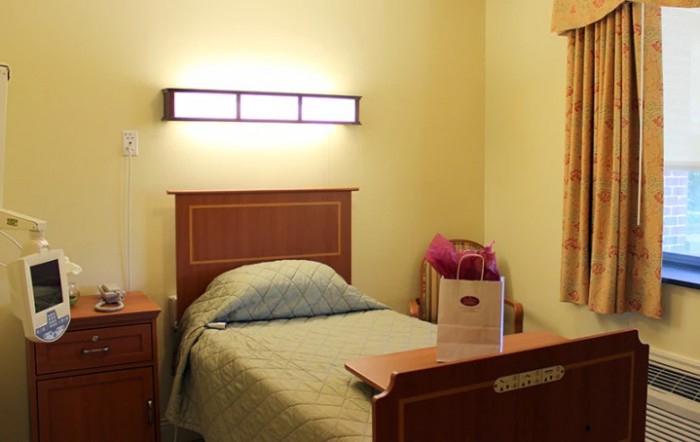
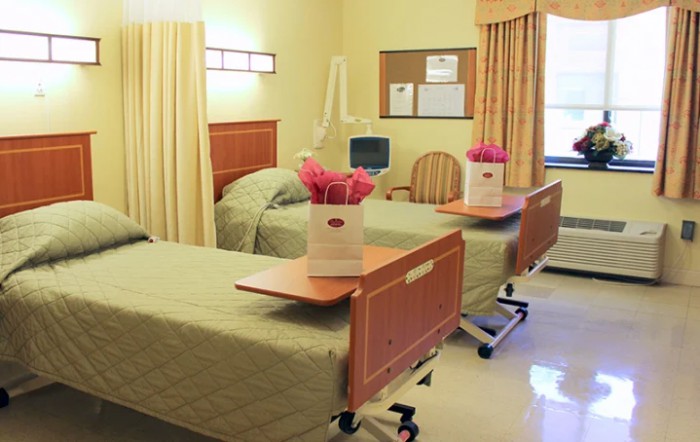
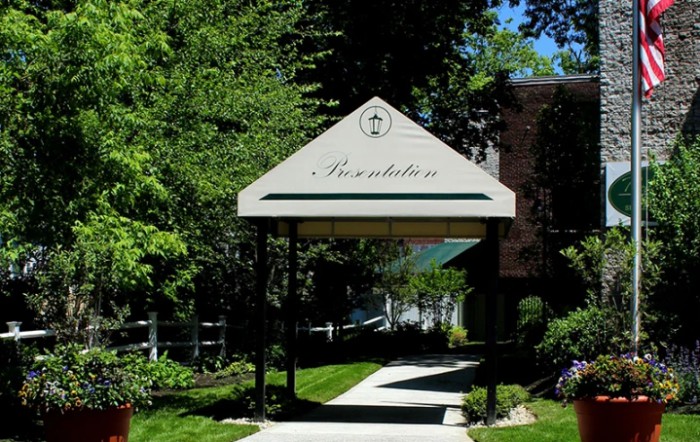
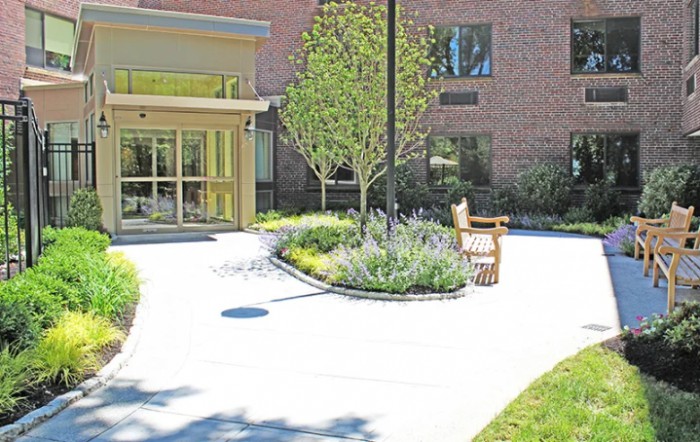
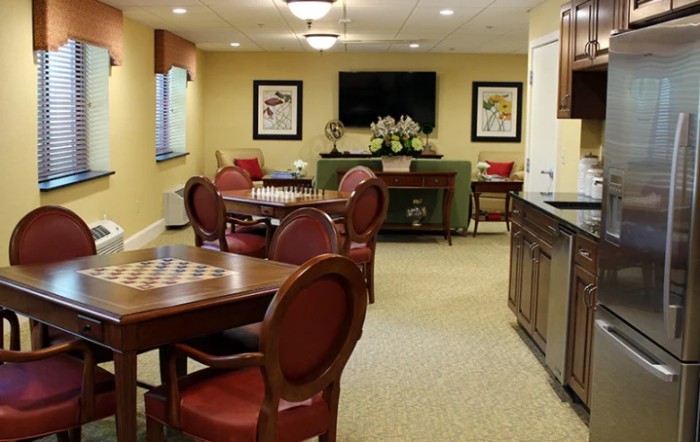
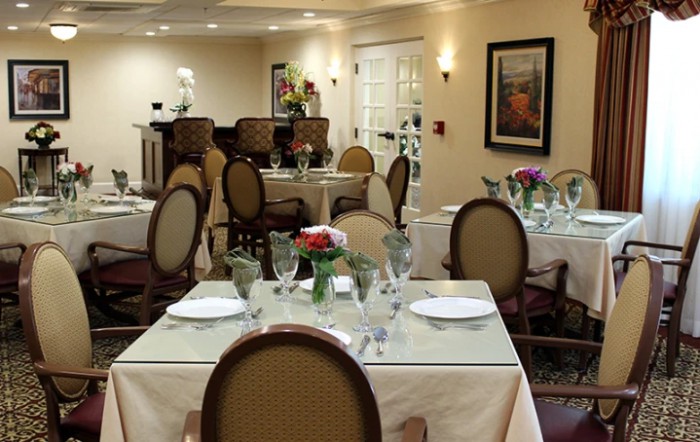
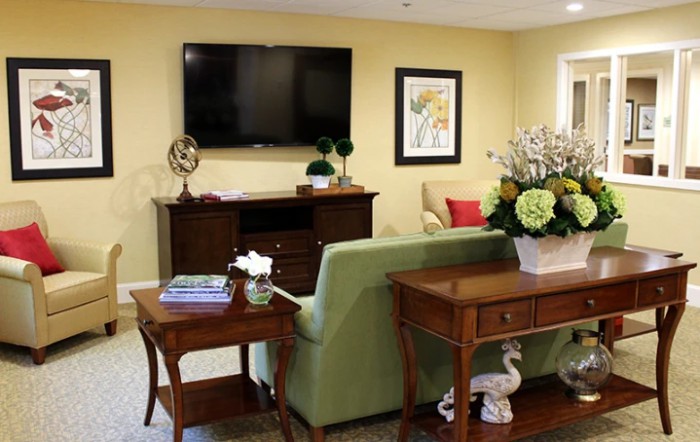
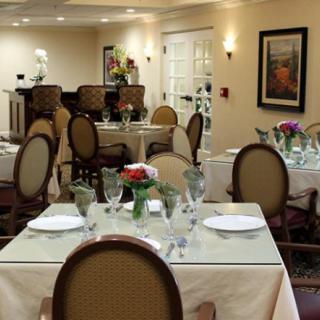
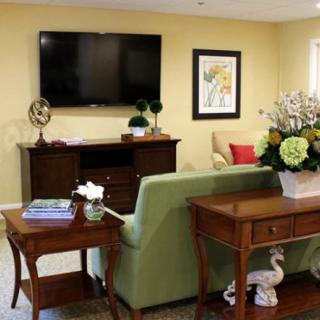
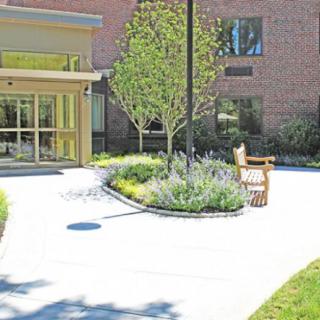
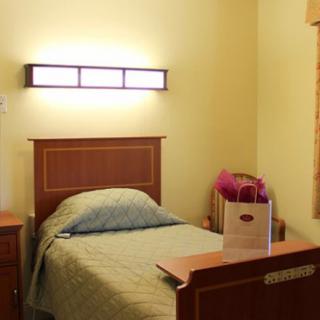
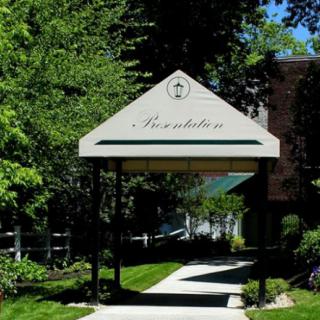
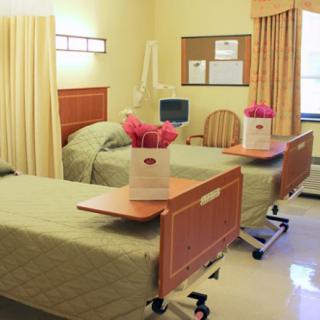
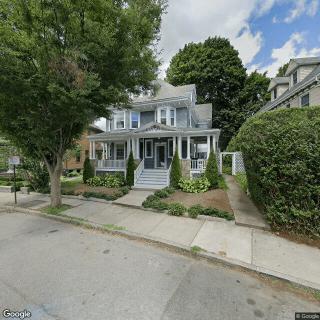
Presentation Rehab And Skilled Care Center on seniors.fyi includes 7 photos including images showing interior, decor, pathway, landscaping, living room, television, dining, bedroom, and more.
Nearby Communities
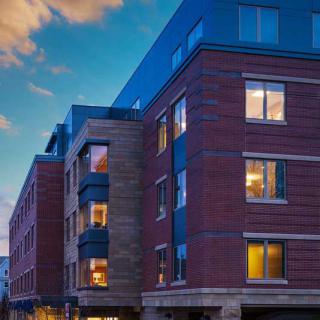
Evans Park At Newton Corner
Newton, MA
4.2 from 92 reviews
$3,750 to $7,700 / month
Caring staff and a warm, active community with good dining.
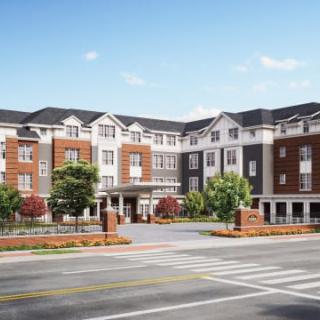
The VA Aid and Attendance program offers financial assistance to veterans needing help with daily activities due to health issues, available through a pension for low-income wartime veterans or an allowance for 100% disabled individuals. Eligibility depends on medical documentation of care needs and navigating guidelines about income and service history, with funds being usable for various healthcare-related expenses.
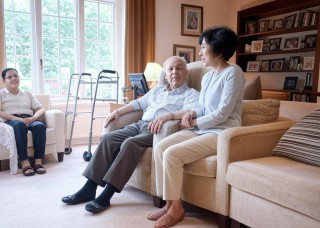
Linda's caregiving journey for her elderly mother, Joan, is marked by deep love and challenges as she navigates health changes, emotional support, and practical arrangements while learning to prioritize self-care and utilize community resources. Their evolving relationship highlights resilience and the universal themes of empathy and preparedness in caregiver experiences.
Get PricingAsk A QuestionSchedule A TourContact Senior Advisor
By clicking submit, you agree to our Partner's Terms of Use. You
also consent to receive calls and texts, which may be autodialed, from our Partner. Your consent is not a condition to
using our Partner's service. Please visit our Partner's Privacy Policy for information about their privacy practices.

 122 resident community capacity
 Skilled Nursing Facility
 Air-conditioning
 Beauty salon
 Cable or satellite TV
 Computer center
 Dining room
 Fitness room
 Fully furnished
 Gaming room
 Garden
 Housekeeping services
 Kitchenette
 Move-in coordination
 Outdoor space
 Private bathrooms
 Restaurant-style dining
 Small library
 Telephone
 Wellness center
 Wi-Fi/high-speed internet available
 Gen Edw L Logan International (8 miles away)
 Community operated transportation
 12-16 hour nursing
 24-hour call system
 Activities of daily living assistance
 Assistance with bathing
 Assistance with dressing
 Assistance with transfers
 Diabetes diet
 Medication management
 Mental wellness program
 Special dietary restrictions
 Concierge services
 Planned day trips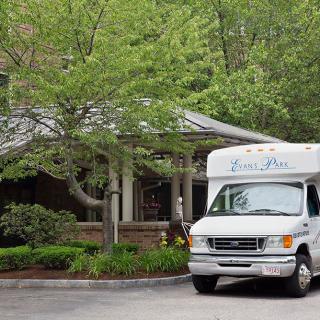
 Caring staff and a warm, active community with good dining.


 In-Depth Look at the VA Aid and Attendance Program
 Nurturing Our Loved Ones: A Daughter's Journey in Caring for Her Mother
 Nurturing Our Elders: Linda's Journey of Supporting Her Mother