For more information about senior living options: (866) 208-4318
3.1 from 119 reviews
5 stars
54
4 stars
7
3 stars
5
2 stars
6
1 stars
47
Overall Review of Stella Maris
caveat13 reviews mention this
Call bells and staffing feel inconsistent
Residents and families describe long waits for help when they use call buttons.
A recurring concern in the reviews is delayed response to call lights and requests for routine help, including help with getting changed or addressing needs. Multiple reviewers connect the delays to understaffing and describe situations where residents waited before receiving assistance. Some accounts also describe meals, water access, or follow-up care being delayed alongside staffing strain. A smaller set of reviews take the opposite view, describing nurses and staff as responsive in a timely way and making it easier to get answers.
common7 reviews mention this
Food quality and temperature split opinions
Dining is a frequent topic, with feedback split between praise and complaints.
Several reviews mention food in negative terms, including reports of meals arriving cold or being unpleasant, along with problems getting what was ordered. Other reviews say residents liked the food, and that the dining area was clean and welcoming. This aligns with the community offering restaurant-style dining and diet-related meal support options. Even so, the reviews suggest the day-to-day dining experience can vary from person to person.
differentiator4 reviews mention this
Rehab progress depends on follow-through
Rehabilitation outcomes are described as both strong and inconsistent depending on the stay.
Some reviewers describe meaningful gains during rehab, including improved mobility and confidence, and praise for therapists and care teams. Others describe limited or inconsistent therapy, unclear schedules, and delays in getting pain medication or therapy services. Across these accounts, families emphasize how much progress seems to depend on how quickly needs are addressed and whether therapy is delivered as expected. The community’s rehab-focused services and therapies appear to be a central part of the experience, for better or worse.
common6 reviews mention this
Clean spaces are repeatedly noted
Many reviewers call out the facility’s cleanliness and well-kept environment.
Multiple reviews mention clean rooms, a clean facility, or a well-maintained campus, sometimes alongside praise for staff. A few reviewers contrast that with reports of dirty rooms, unpleasant odors, or hygiene issues during their stay. Still, cleanliness is one of the most frequently referenced non-medical factors in the feedback. Combined with the community amenities that include housekeeping services and outdoor space, the reviews suggest the physical setting can be a strength even when care experiences vary.
common6 reviews mention this
Hospice care gets strong family support
Families often describe hospice staff as compassionate and helpful.
A clear theme in the hospice-related reviews is appreciation for staff warmth, comfort-focused care, and support for families. Several reviewers thank hospice teams for making transitions peaceful and for being responsive to comfort needs and coordination. While there are also negative hospice reviews that describe missing coverage and inadequate support, the more common tone is gratitude for the people delivering end-of-life care. The community’s hospice and related support services are therefore viewed by many families as a meaningful part of the experience.
How we summarize
Counts show how many written reviews mention each theme; a review can touch several themes, and only frequently mentioned themes are displayed.
Features
Housing
412 resident community capacity
Types of Care
Skilled Nursing Facility
Amenities
Air-conditioning
Beauty salon
Cable or satellite TV
Computer center
Dining room
Fitness room
Fully furnished
Gaming room
Garden
Housekeeping services
Kitchenette
Move-in coordination
Outdoor space
Private bathrooms
Restaurant-style dining
Small library
Telephone
Wellness center
Wi-Fi/high-speed internet available
Transportation
Baltimore-Washington International (19 miles away)
Community operated transportation
Transportation arrangement
Transportation arrangement (non-medical)
Transportation to doctors appointments
Care Services
12-16 hour nursing
24-hour call system
24-hour supervision
Activities of daily living assistance
Assistance with bathing
Assistance with dressing
Assistance with transfers
Diabetes diet
Meal preparation and service
Medication management
Mental wellness program
Special dietary restrictions
Dining
Diabetes diet
Special dietary restrictions
Activities
Community-sponsored activities
Concierge services
Fitness programs
Planned day trips
Resident-run activities
Scheduled daily activities
Nearby Places of Interest
Cafes
Panera Bread (1.8 miles)
Panera Bread (4.5 miles)
Starbucks (6.1 miles)
Starbucks (7.1 miles)
Miss Shirley's Cafe, Roland Park (7.6 miles)
Places of Worship
Church of the Nativity (1.8 miles)
Church of the Immaculate Conception (3.4 miles)
St Demetrios Greek Ort (4.2 miles)
Brown Memorial Woodbrook Presbyterian Church (5.3 miles)
Restaurants
Nautilus Diner (1.9 miles)
McDonald's (1.9 miles)
Sonic Drive-In (1.9 miles)
THB Bagels & Deli of Timonium (2.1 miles)
Pappas Restaurant and Sports Bar (2.1 miles)
Chick-Fil-A (2.5 miles)
McDonald's (3 miles)
Pharmacies
Walgreens (2 miles)
Walgreens (2 miles)
CVS Pharmacy (2.9 miles)
Walgreens (3 miles)
Walgreens (3 miles)
Austin Pharmacy & Medical Supplies (3.3 miles)
Wegmans (4.6 miles)
Transportation
Lutherville Light Rail Station (2.3 miles)
Physicians
Advanced Allergy & Asthma Center (2.6 miles)
Advanced Dermatology Hunt Valley (2.6 miles)
Clinical Associates (3.5 miles)
Pediatric Partners (4 miles)
Greater Baltimore Medical Center (4.5 miles)
O'Dea Building- St Josephs Hospital (4.5 miles)
Maryland Pediatric Group: Winkelstein Amy L MD (4.5 miles)
Theaters
Cinemark Towson And Xd (3.5 miles)
Parks
Cromwell Valley Park (3.5 miles)
Meadowood Regional Park (4.6 miles)
Rodgers Forge Tot Lot (5.3 miles)
Lake Roland (6.1 miles)
Honeygo Run Regional Park (8.6 miles)
Hospitals
Sheppard Pratt Health System (4.4 miles)
GBMC (4.5 miles)
Johns Hopkins Medicine at Green Spring Station (4.6 miles)
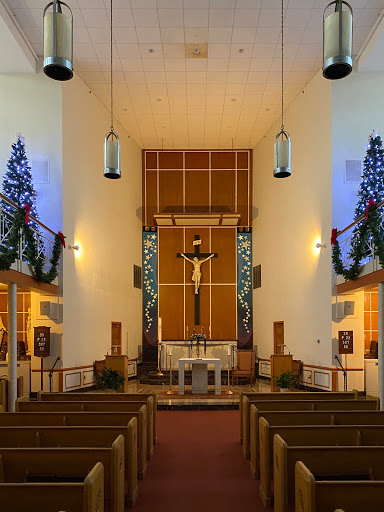
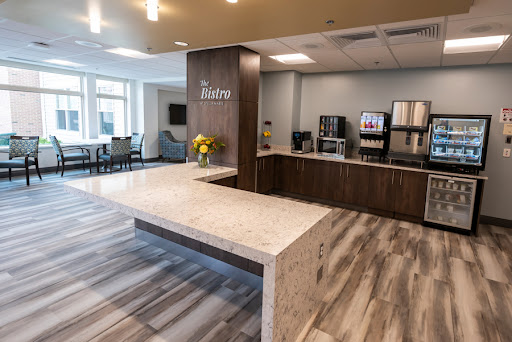
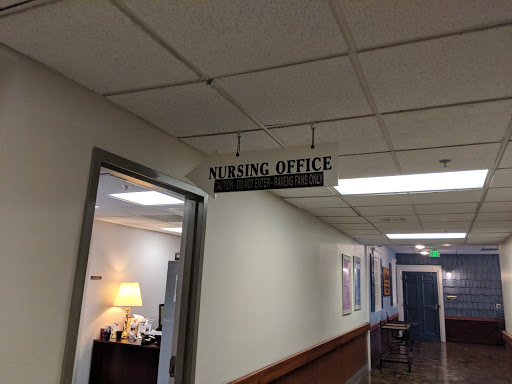
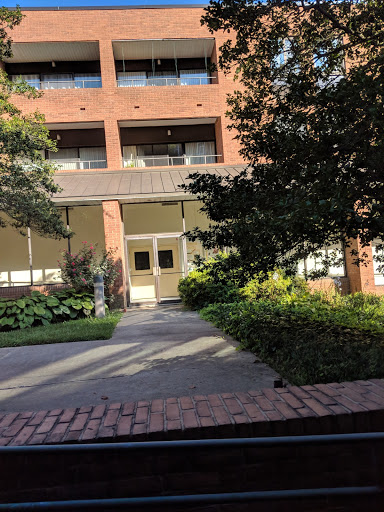
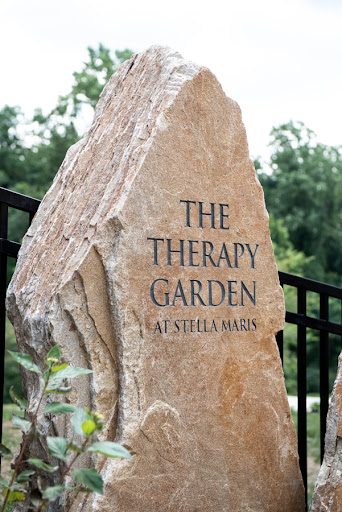
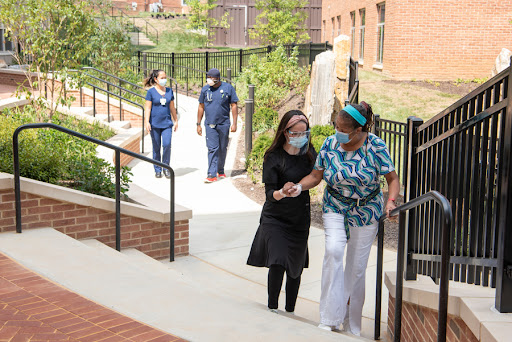
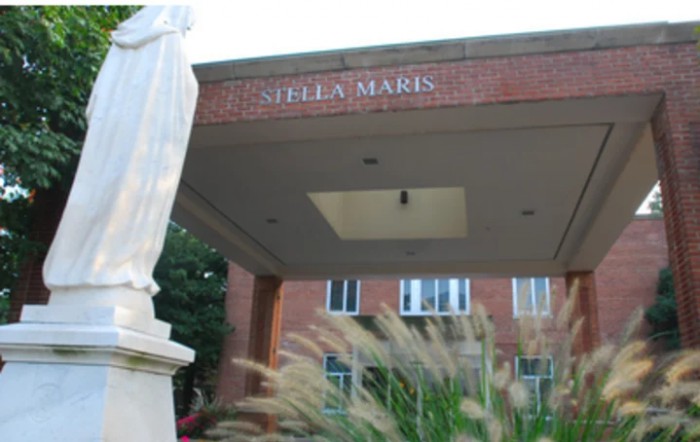
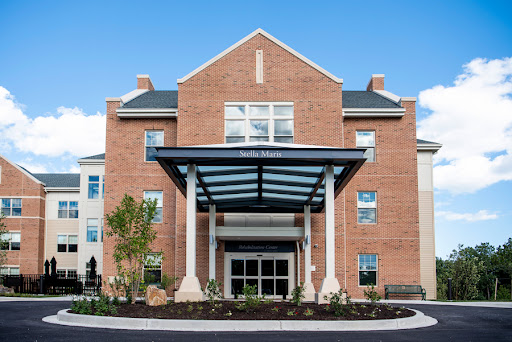
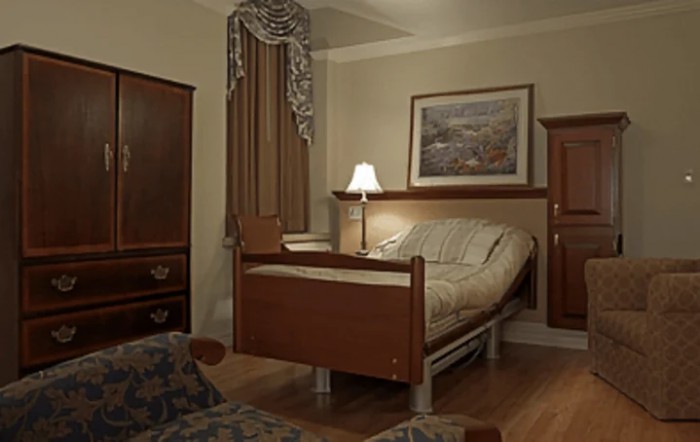
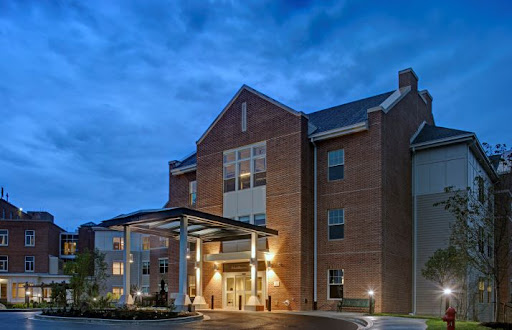
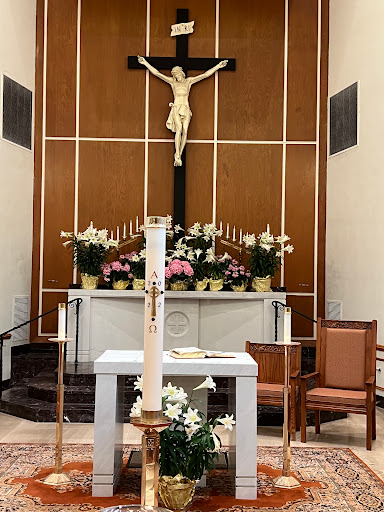
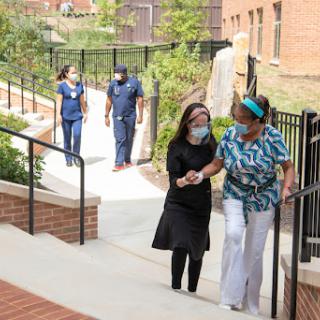
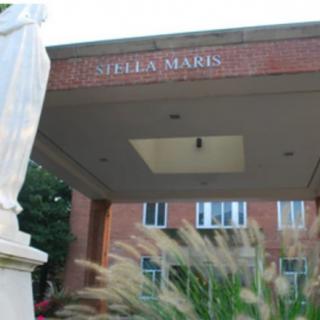
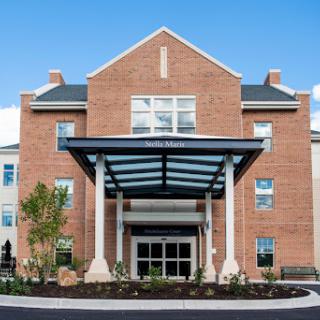
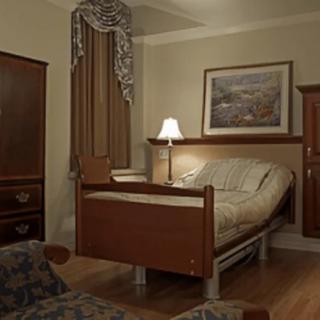
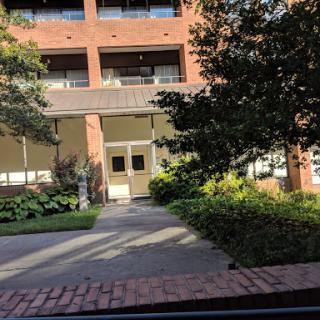
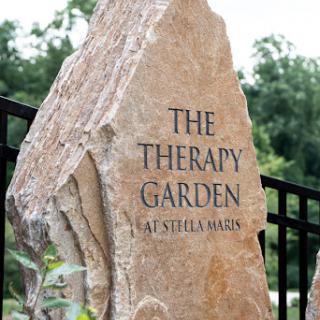
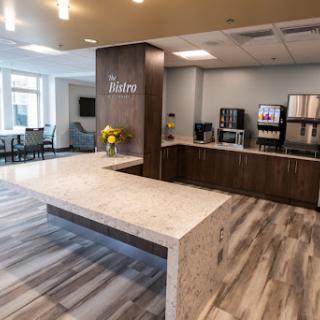
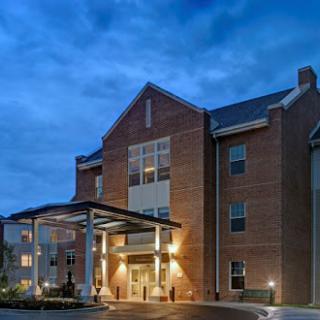
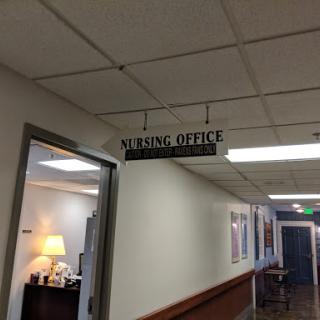
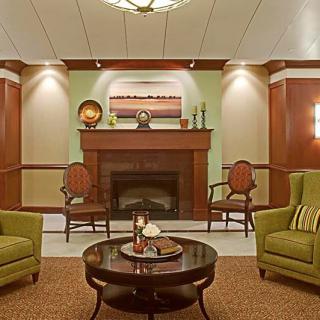
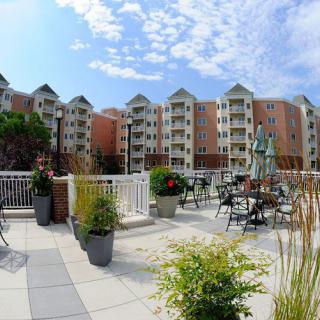
Stella Maris on seniors.fyi includes 12 photos including images showing building, interior, architecture, entrance, church, decor, landscaping, outdoor, and more.
Nearby Communities
Mercy Ridge
Timonium, MD
4.7 from 10 reviews
Warm, friendly community with attentive staff and strong dining/amenities.
Mercy Ridge, a CCRC
Timonium, MD
Independent living with diabetes care and an active lifestyle.
Shining Moon Elder Care Assisted Living Facility
Towson, MD
5 from 1 review
Personalized care with 24-hour supervision, diabetes?friendly meals, and coordinated health care.
Home Helpers of Baltimore County
Lutherville, MD
4.5 from 28 reviews
Reliable, compassionate care and companionship that improves clients' quality of life.
BrightStar Care Lutherville Timonium, MD
Lutherville, MD
4.8 from 116 reviews
Dependable, reliable care with a friendly intake process.
Ivory House Health Services
Lutherville, MD
4.4 from 16 reviews
Nearby healthcare, dining, parks, worship, and entertainment.
College Manor
Lutherville, MD
4.4 from 30 reviews
$4,950 to $5,400 / month
Friendly, caring staff in a warm, family-like setting with engaging activities and home-cooked meals.
Edenwald
Towson, MD
4.4 from 38 reviews
Clean, open and airy with wide hallways, private rooms with baths, attentive staff, and a wide range of on-site activities.
Blakehurst Retirement Community
Towson, MD
4.5 from 71 reviews
Beautiful surroundings, warm atmosphere, attentive staff, and strong amenities.
Elder abuse affects many older adults worldwide and includes physical, emotional, neglectful, and financial harm, with about one in six individuals over 60 experiencing abuse annually. Prevention and intervention strategies focus on awareness, support for caregivers, and mandatory reporting, while recovery necessitates comprehensive support for both physical and emotional needs.
The guide details ten essential responsibilities of senior caregivers, including personal care, mobility assistance, medication management, and emotional support, while emphasizing the importance of safety, nutrition, and maintaining a safe living environment to enhance seniors' quality of life and independence.
The article highlights nine memory-boosting activities for seniors that enhance cognitive health and social interaction, including puzzles, trivia quizzes, and storytelling, while emphasizing the importance of adapting these activities to individual preferences to maximize enjoyment and engagement. Consistent mental engagement is linked to improved cognitive function and emotional well-being in older adults.
Lobby, Waiting Area, Bright Lighting, Reception, and Office Space
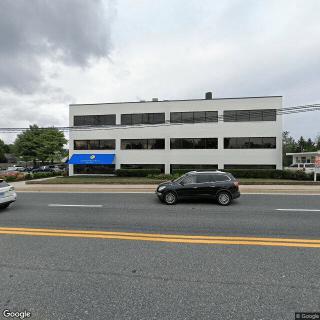
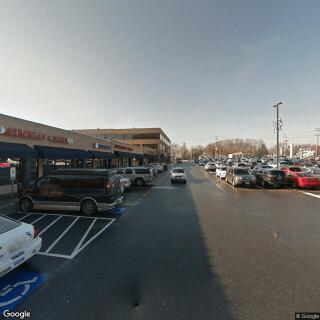
Exterior
Hallway and Office
Church
Get PricingAsk A QuestionSchedule A TourContact Senior Advisor
By clicking submit, you agree to our Partner's Terms of Use. You
also consent to receive calls and texts, which may be autodialed, from our Partner. Your consent is not a condition to
using our Partner's service. Please visit our Partner's Privacy Policy for information about their privacy practices.




 412 resident community capacity
 Skilled Nursing Facility
 Air-conditioning
 Beauty salon
 Cable or satellite TV
 Computer center
 Dining room
 Fitness room
 Fully furnished
 Gaming room
 Garden
 Housekeeping services
 Kitchenette
 Move-in coordination
 Outdoor space
 Private bathrooms
 Restaurant-style dining
 Small library
 Telephone
 Wellness center
 Wi-Fi/high-speed internet available
 Baltimore-Washington International (19 miles away)
 Community operated transportation
 12-16 hour nursing
 24-hour call system
 Activities of daily living assistance
 Assistance with bathing
 Assistance with dressing
 Assistance with transfers
 Diabetes diet
 Medication management
 Mental wellness program
 Special dietary restrictions
 Concierge services
 Planned day trips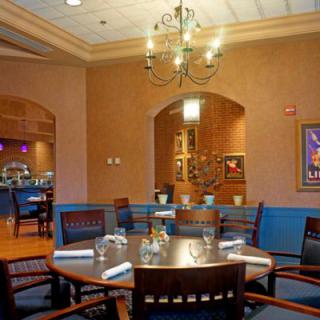
 Warm, friendly community with attentive staff and strong dining/amenities.

 Powerful Realities of Elder Abuse and the Most Effective Ways to Report It
 Ten Vital Duties of a Senior Caregiver: A Comprehensive Guide
 9 Stimulating Memory Activities for Seniors: Puzzles, Cards, and Much More