For more information about senior living options: (866) 208-4318
3.1 from 88 reviews
5 stars
40
4 stars
5
3 stars
2
2 stars
2
1 stars
39
Kensington Healthcare Center Costs & Pricing
Kensington Healthcare Center offers competitive pricing for its care services compared to the broader market in Montgomery County and the state of Maryland. For semi-private rooms, the center charges $3,500 per month, which is notably lower than the county average of $4,337 and slightly more affordable than the state average of $3,545. Similarly, for private accommodations, Kensington's rate of $4,000 stands in contrast to Montgomery County's average of $5,009 and is also below Maryland's average of $4,112. These rates reflect Kensington Healthcare Center's commitment to providing high-quality care while ensuring affordability for residents and their families within the community.
Floor plans
Kensington Healthcare Center
Montgomery County
Maryland
Semi-Private
$3,500
$4,337
$3,545
Private
$4,000
$5,009
$4,112
Skilled Nursing Facilities with a similar price nearby
Residents and families frequently praise the therapy team for helping with recovery.
A number of reviews focus on rehabilitation and physical therapy as a bright spot, including comments about progress with walking and strength. People also describe therapists as attentive and effective when compared with what residents could do before. One family notes they chose the facility because of the physical therapy team, and another says hard work and great therapy helped their loved one start walking again.
common18 reviews mention this
Staff care is mixed
Many reviews describe staff as caring and responsive, though experiences vary widely.
Several reviews say staff treat residents well, communicate respectfully, and provide attentive daily support. Families mention being kept up to date and feeling reassured about needs being met. At the same time, other reviews describe rude or dismissive behavior and a lack of follow-through, so the tone is not consistent across all accounts.
caveat9 reviews mention this
Call response and communication complaints
Multiple reviews report trouble getting help promptly when families or residents reach out.
Some residents and families describe long waits for assistance after using call buttons, including reports of hours passing with no one arriving. Reviewers also raise concerns about reaching the facility by phone, including calls not answered, hang-ups, or difficulty getting a transfer to family. A few accounts contrast that with faster resolution when issues were escalated, but the recurring complaint is delayed or missing communication during urgent needs.
caveat8 reviews mention this
Cleanliness and odor drive concerns
Cleanliness concerns, including strong odor, come up repeatedly in negative reviews.
Negative reviews frequently mention a strong urine and feces smell and describe the environment as unsanitary. Several accounts connect these issues with dirty rooms or unclean bathrooms, along with difficulty getting essentials like clean linens. Other reviews dispute the severity and describe a clean, well-maintained facility, but odor and cleanliness are still a consistent criticism among many detractors.
How we summarize
Counts show how many written reviews mention each theme; a review can touch several themes, and only frequently mentioned themes are displayed.
Features
Housing
140 resident community capacity
Types of Care
Skilled Nursing Facility
Amenities
Air-conditioning
Beauty salon
Cable or satellite TV
Computer center
Dining room
Fitness room
Fully furnished
Gaming room
Garden
Housekeeping services
Kitchenette
Move-in coordination
Outdoor space
Private bathrooms
Restaurant-style dining
Small library
Telephone
Wellness center
Wi-Fi/high-speed internet available
Transportation
Ronald Reagan Washington National (12 miles away)
Washington Dulles International (22 miles away)
Baltimore-Washington International (23 miles away)
Community operated transportation
Transportation arrangement
Transportation arrangement (non-medical)
Transportation to doctors appointments
Care Services
12-16 hour nursing
24-hour call system
24-hour supervision
Activities of daily living assistance
Assistance with bathing
Assistance with dressing
Assistance with transfers
Diabetes diet
Meal preparation and service
Medication management
Mental wellness program
Special dietary restrictions
Dining
Diabetes diet
Special dietary restrictions
Activities
Community-sponsored activities
Concierge services
Fitness programs
Planned day trips
Resident-run activities
Scheduled daily activities
Videos
Nearby Places of Interest
Located in Kensington, Maryland, this area offers a variety of amenities and services that cater to seniors looking for a comfortable and convenient lifestyle. With several pharmacies within close proximity, accessing medication and healthcare supplies is convenient. The presence of multiple Metro stations provides easy access to transportation for those who prefer not to drive. In addition, there are several parks nearby for enjoying outdoor activities and staying active. For dining options, there are fast-food chains like McDonald's and Jollibee, as well as more upscale choices like Denizens Brewing Co. and Silver Diner. Places of worship such as Christ Congregational Church are also within reach for spiritual needs. Overall, this part of Kensington provides a well-rounded living environment for seniors seeking a mix of convenience, entertainment, and relaxation.
Restaurants
Jollibee (0.5 miles)
McDonald's (3 miles)
Denizens Brewing Co. (3.5 miles)
Silver Diner (3.7 miles)
McDonald's (4.1 miles)
McDonald's (4.4 miles)
Menchie's Westfield Montgomery Mall (4.5 miles)
Pharmacies
CVS Pharmacy (0.6 miles)
CVS Pharmacy (0.7 miles)
CVS Pharmacy (1.8 miles)
Walgreens (2.1 miles)
CVS Pharmacy (2.1 miles)
CVS Pharmacy (3.2 miles)
CVS Pharmacy (3.4 miles)
Transportation
Forest Glen Metro Station (1.5 miles)
Glenmont Metro Station (2.2 miles)
Grosvenor-Strathmore Metro Station (2.3 miles)
Medical Center Metro Station (3 miles)
Bethesda Metro Station (3.7 miles)
Twinbrook Metro Station (3.8 miles)
Hertz Rent A Car (4.5 miles)
Hospitals
Holy Cross Hospital (1.8 miles)
Sibley Memorial Hospital (7.1 miles)
Medstar Washington Hospital Center (7.5 miles)
Children's National Medical Center (7.6 miles)
Howard University Hospital (8.2 miles)
Parks
Winding Creek Local Park (2.3 miles)
Georgian Forest Park & Tennis Courts (3 miles)
Chevy Chase Park (3.6 miles)
Rock Creek Park (4.5 miles)
Fort Slocum Park (5.6 miles)
Falls Road Park (6.6 miles)
Chesapeake and Ohio Canal National Historic Park (6.9 miles)
Physicians
Capitol Medical Group (2.7 miles)
Potomac Valley Orthopedic (5.1 miles)
Mary's Center (6.2 miles)
Foxhall Pediatrics (6.9 miles)
Children's National - Main Hospital (7.6 miles)
Montgomery Internal Medicine (8.2 miles)
Places of Worship
Christ Congregational Church (2.8 miles)
Basilica of the National Shrine of the Immaculate Conception (7.5 miles)
College Park United Methodist Church (7.7 miles)
Saint Andrew Kim Catholic Church (7.7 miles)
Cafes
Tatte Bakery & Cafe (3.8 miles)
Lost Sock Roasters (4.7 miles)
Starbucks (5.2 miles)
The Coffee Bar (8.3 miles)
Theaters
AMC Montgomery 16 (4.6 miles)
Alamo Drafthouse Cinema DC Bryant Street (8.3 miles)
Kensington Healthcare Center offers competitive pricing for its care services compared to the broader market in Montgomery County and the state of Maryland. For semi-private rooms, the center charges $3,500 per month, which is notably lower than the county average of $4,337 and slightly more affordable than the state average of $3,545. Similarly, for private accommodations, Kensington's rate of $4,000 stands in contrast to Montgomery County's average of $5,009 and is also below Maryland's average of $4,112. These rates reflect Kensington Healthcare Center's commitment to providing high-quality care while ensuring affordability for residents and their families within the community.
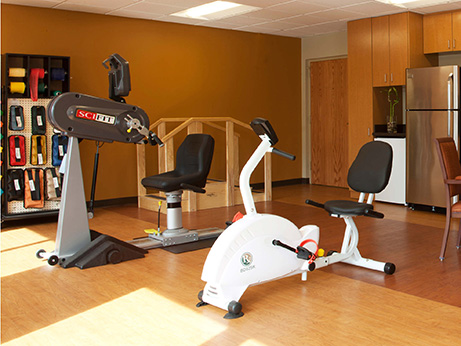
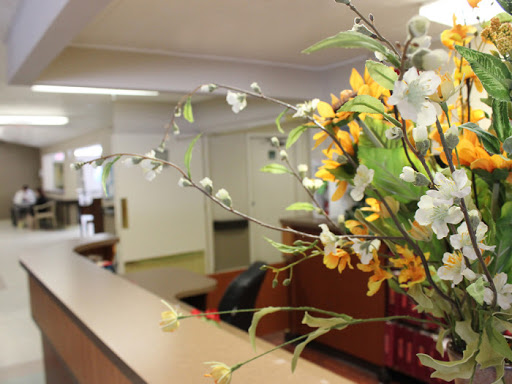
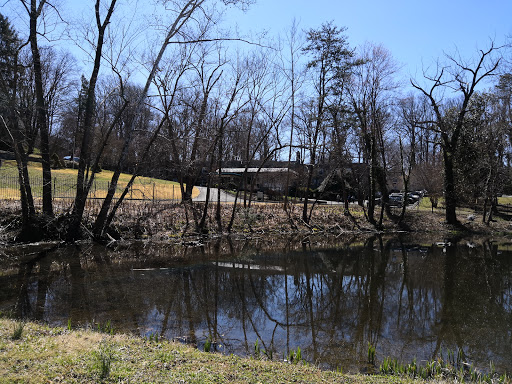
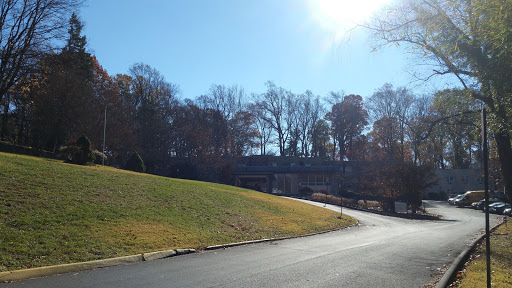
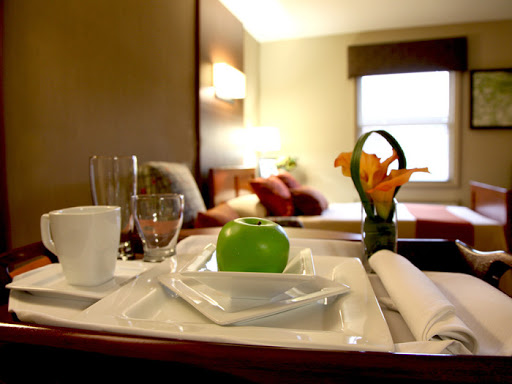
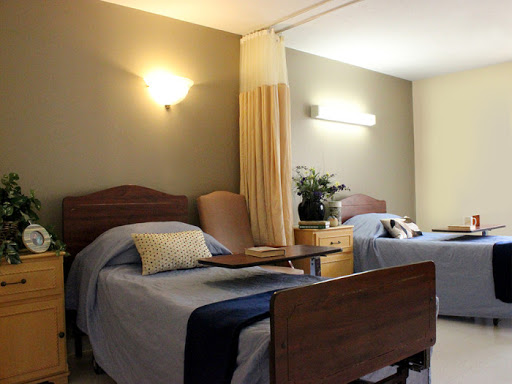
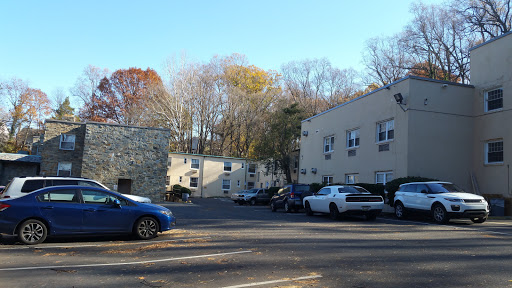
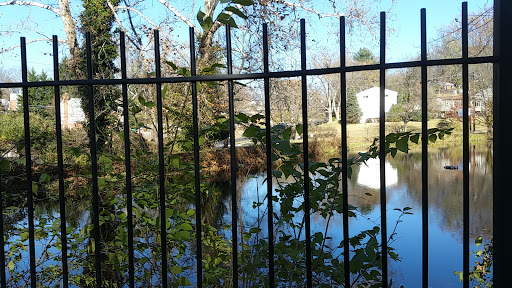
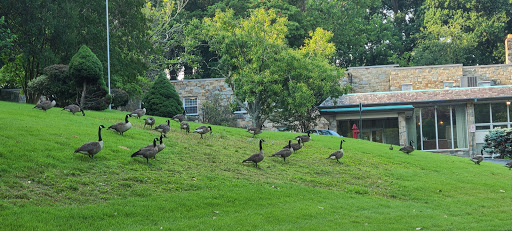
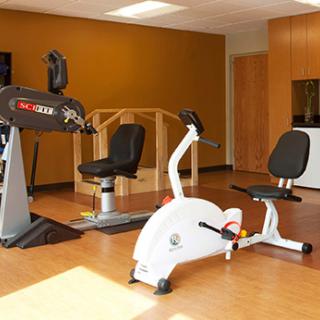
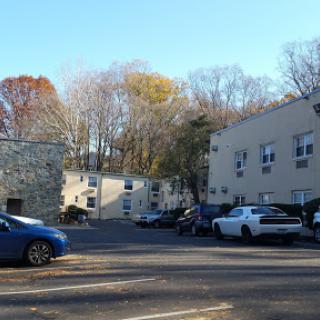
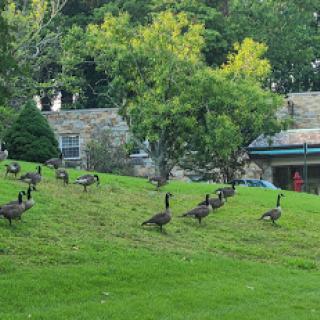
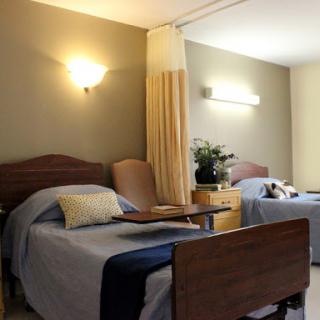
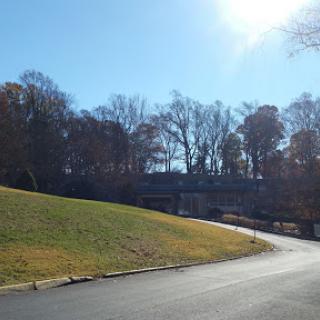
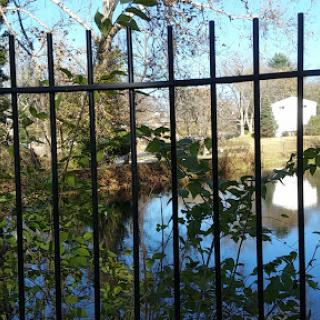
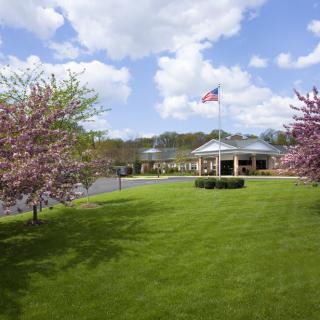
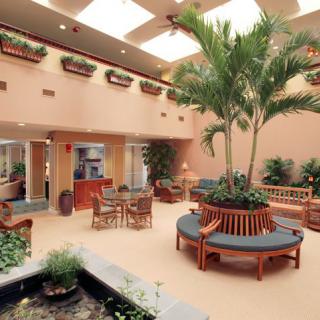
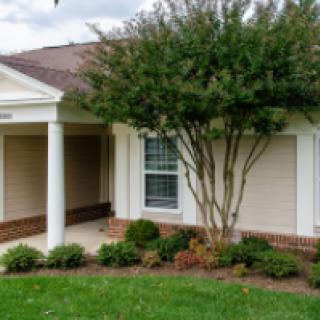
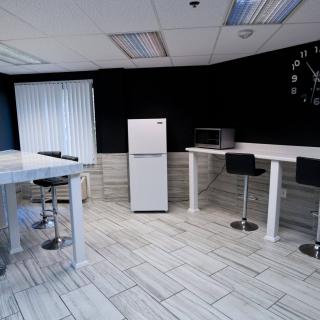
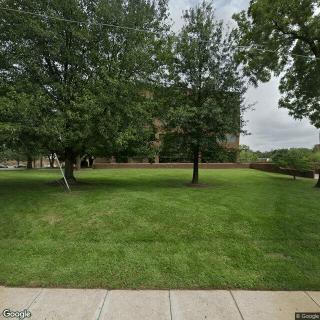
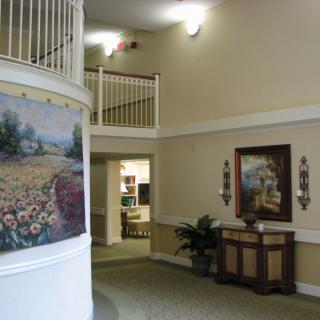
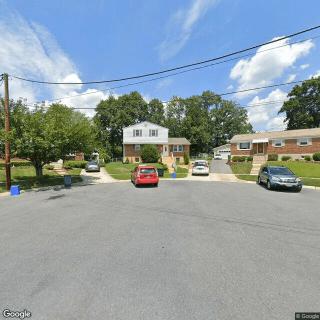
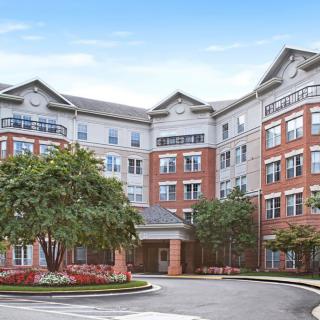
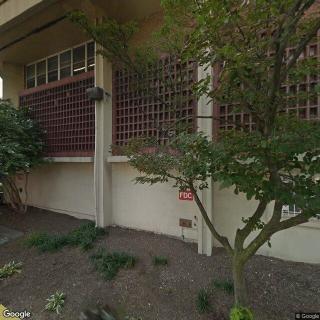
Kensington Healthcare Center on seniors.fyi includes 10 photos including images showing landscaping, trees, nature, outdoors, interior, water, outdoor, nursing home, and more.
Nearby Communities
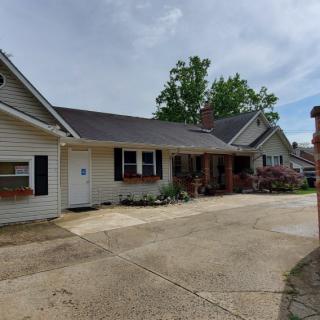
Truevine Home Healthcare of Kensington MD
Kensington, MD
4 from 10 reviews
Reliable, consistent care with punctual, friendly staff and a dedicated caregiver.
Private pay home care offers a flexible caregiving option for older adults and families who don't qualify for government programs, allowing them to directly fund in-home care services that range from daily assistance to specialized support. This model's customization potential enables aging in place while addressing financial considerations through strategic planning options, though clients must navigate marketplace challenges and ensure quality compliance.
Arthritis encompasses over 100 joint disorders affecting people of all ages, leading to symptoms like pain and stiffness that impair mobility and quality of life. Effective management involves early diagnosis, lifestyle changes, medical treatments, emotional support, and ongoing monitoring with healthcare professionals.
The article highlights the high risk of falls among older adults due to factors like muscle weakness, vision issues, and environmental hazards, with one in four experiencing a fall annually. It advocates for a comprehensive prevention approach that includes exercise, home safety modifications, medication management, social support, and caregiver involvement.
Exercise Equipment, Gym, Rehabilitation, and Fitness
Nature
Parking
Grass
Tree
Fence
Road
Water
Additional Photos
Get PricingAsk A QuestionSchedule A TourContact Senior Advisor
By clicking submit, you agree to our Partner's Terms of Use. You
also consent to receive calls and texts, which may be autodialed, from our Partner. Your consent is not a condition to
using our Partner's service. Please visit our Partner's Privacy Policy for information about their privacy practices.






 140 resident community capacity
 Skilled Nursing Facility
 Air-conditioning
 Beauty salon
 Cable or satellite TV
 Computer center
 Dining room
 Fitness room
 Fully furnished
 Gaming room
 Garden
 Housekeeping services
 Kitchenette
 Move-in coordination
 Outdoor space
 Private bathrooms
 Restaurant-style dining
 Small library
 Telephone
 Wellness center
 Wi-Fi/high-speed internet available
 Ronald Reagan Washington National (12 miles away)
 Community operated transportation
 12-16 hour nursing
 24-hour call system
 Activities of daily living assistance
 Assistance with bathing
 Assistance with dressing
 Assistance with transfers
 Diabetes diet
 Medication management
 Mental wellness program
 Special dietary restrictions
 Concierge services
 Planned day trips
 Reliable, consistent care with punctual, friendly staff and a dedicated caregiver.
 A Closer Look at Private Pay Home Care
 Comprehensive Approaches for Arthritis: A Detailed Guide to Symptoms, Causes, and Care
 Comprehensive Insights and Practical Strategies to Help Older Adults Avoid Falls