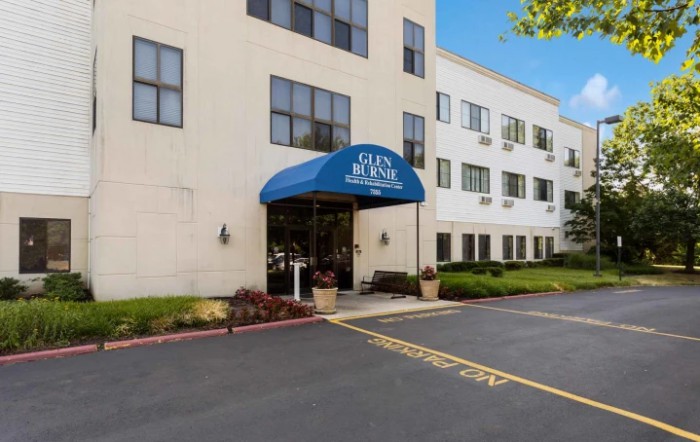
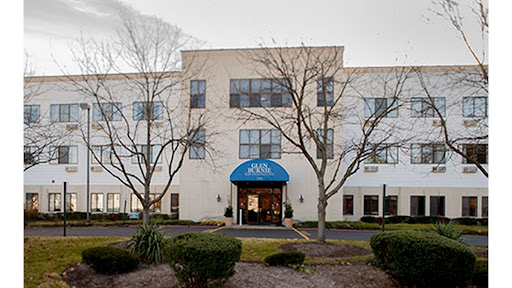
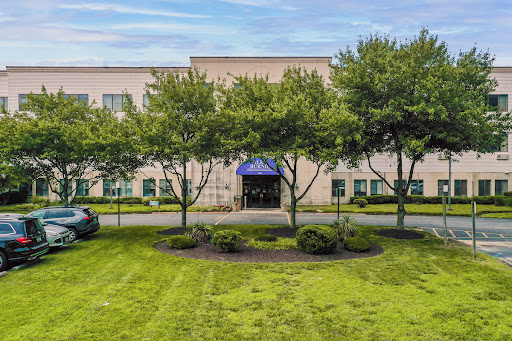
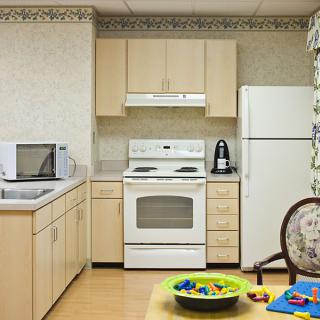
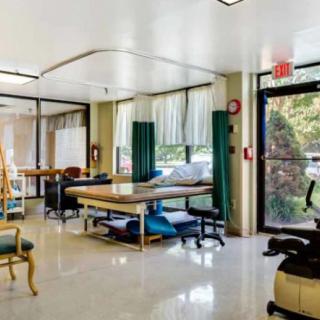
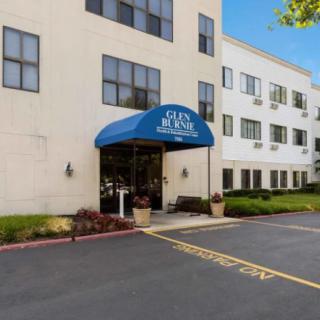
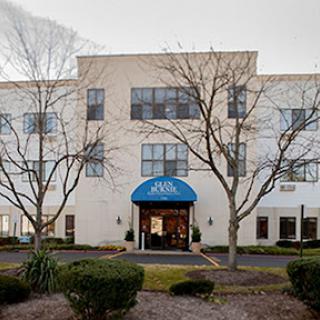
Glen Burnie Health And Rehabilitation Center in Glen Burnie, MD

Save

Glen Burnie Health And Rehabilitation Center in Glen Burnie, MD

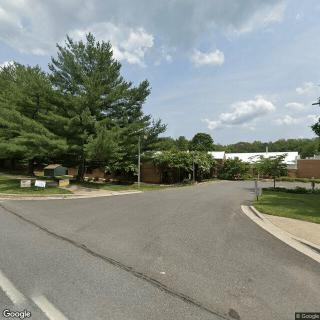
7355 Furnace Branch Road East, Glen Burnie, MD 21060

For more information about senior living options: (844) 490-3973

2.4 from 22 reviews
5 stars
2
4 stars
6
3 stars
1
2 stars
2
1 stars
11

Skilled Nursing Facility

Glen Burnie Health And Rehabilitation Center Costs & Pricing

Glen Burnie Health and Rehabilitation Center offers competitive pricing for its services, with a monthly cost of $4,500 for both one-bedroom and private rooms. This pricing aligns closely with the average costs within Anne Arundel County, where one-bedroom facilities are priced at approximately $4,469 and private rooms at $4,162. However, when compared to the broader state average in Maryland, which sees one-bedroom accommodations at around $3,904 and private rooms at $4,112, Glen Burnie appears to position itself on the higher end of the spectrum. This price point reflects not only the quality of care provided but also the amenities available to residents seeking rehabilitation services in a supportive environment.

Floor plansGlen Burnie Health And Rehabilitation CenterAnne Arundel CountyMaryland
1 Bedroom$4,500$4,469$3,904
Private$4,500$4,162$4,112

Overall Review of Glen Burnie Health And Rehabilitation Center

Pros

  • pro The staff at Autumn Lake Glen Burnie are really good, friendly, and kind.
  • pro The facility feels like family and the staff go out of their way for residents.
  • pro The place is described as exceptional, with exceptional staff.
  • pro It takes care of medical needs and provides transportation to appointments, as well as physical therapy.
  • pro A comfortable room and a welcoming social center give residents plenty of opportunities to socialize.
  • pro The GNAs are great, with one in particular always smiling and making residents feel happy.
  • pro The Rosemary unit nurses work well together and know the patients personally.
  • pro Erica is very helpful and knowledgeable about questions and concerns.

Cons

  • pro The nurses do not know how to speak English and give incorrect medicine to residents.
  • pro The facility is filthy with peeling paint, ripped curtains, and dirty floors.
  • pro Residents are neglected, with diapers not changed for hours and vitals not checked as often as claimed.
  • pro Many staff are agency workers who do not seem to care.
  • pro The bathrooms are disgusting and the environment is dirty and dingy.
  • pro The food is terrible and unpalatable.
  • pro Calls for help are ignored; staff do not return calls or reimburse for issues.
  • pro Care is not timely or consistent; physical therapy is poor.
  • pro There is not enough staff to attend to residents, especially on weekends.
  • pro The facility smells bad and the staff can be rude; there is little activity for residents.
  • pro Some residents are not given medications or timely medical attention.
  • pro A resident contracted an infection and died after inadequate care and assistance with PT.

Review

Glen Burnie Health and Rehabilitation Center is best suited for families that prioritize aggressive rehabilitation and mobility recovery after surgery or injury, and who can commit to close, ongoing oversight of care. For residents whose needs hinge on consistently timely medication administration, spotless cleanliness, and a uniformly reliable staff presence, this community is unlikely to meet those nonnegotiables. It can work for a short-term rehab trajectory when family/systematic advocacy is planned, but it is not a fit for those who expect seamless, high-touch care on every shift.

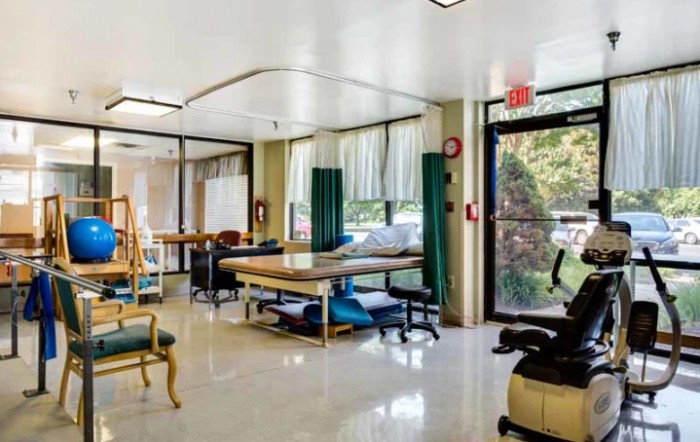
The facility does offer meaningful rehab resources, transportation to medical appointments, and ongoing physical therapy services that can help a recovering patient regain strength and function. In practice, some units and staff demonstrate genuine warmth and responsiveness, and families report moments of standout care, especially where therapy teams and the Rosemary unit show cohesion and a collaborative approach. For residents who value a structured rehab program and a social center that can foster activity, there are scenarios where progress is possible and the environment feels manageable.

However, the negative experiences cited by many families cannot be ignored. Recurrent concerns include dirty rooms and common areas, persistent odors, and bathrooms that fail to meet basic standards of cleanliness. Numerous reviews describe inconsistent staffing and slow or absent responses to call bells, with patients sometimes left waiting for assistance or medications. There are accounts of lost dentures, misdirected or delayed care, and a perception that some staff members are disengaged or overwhelmed by workload. In short, the atmosphere can swing between capable rehab support and unsettling lapses in daily quality of care.

Those pros and cons must be weighed against one another. When rehab outcomes are favorable and therapy is delivered with regularity, families can experience meaningful recovery and appreciate the facility's willingness to arrange transportation and coordinate medical needs. Yet those strong points often depend on which shifts are in house and which agency staff are covering, exposing residents to inconsistency that undermines reliability over time. For a resident with complex medical needs, cognitive concerns, or fragile health, that variability is a critical risk that can offset any short-term gains from therapy.

Given the variability, certain residents should seriously consider alternatives. If a clean, well-maintained environment with consistently attentive staff and reliable medication administration is nonnegotiable, other local options may offer more predictable care. Families with loved ones who require around-the-clock supervision, strong infection control, or highly structured daily routines will find Glen Burnie Health and Rehabilitation Center falls short of expectations. Those with significant memory or behavioral challenges may also encounter organizational gaps that make daily life untenable without constant family involvement or a robust private-pay plan.

For decision-making, conduct a thorough, hands-on evaluation before enrolling. Tour the facility and specifically assess the Rosemary unit's day-to-day operations, meeting with the nursing and therapy staff to understand staffing mix and call-bell responsiveness. Inspect rooms and bathrooms for cleanliness, listen to meals and dining service, and request recent incident data or quality-improvement updates. Confirm rehab schedules, equipment availability, and how therapy integrates with rest and nutrition. Ask about private room options, costs, and what happens if care needs escalate. With clear expectations and diligent oversight, families can decide whether the potential rehab gains justify the risk of inconsistency, or whether a more consistently reliable option is the better long-term choice.

Features

Housing

  • 190 resident community capacity 190 resident community capacity

Types of Care

  • Skilled Nursing Facility Skilled Nursing FacilitySkilled Nursing Facilities are crucial for seniors as they provide round-the-clock medical care, rehabilitation services, and assistance with daily activities. These facilities ensure that seniors receive the specialized care they need to maintain their health and well-being as they age.

Amenities

  • Air-conditioning Air-conditioningAir conditioning is important for seniors as they are more vulnerable to heat-related illnesses and may have underlying health conditions that make it difficult for them to regulate their body temperature. It helps to keep them comfortable, safe, and healthy in hot weather.
  • Beauty salon Beauty salonBeauty salons are important for seniors because they provide a space for them to feel pampered, socialize, and maintain their personal grooming and hygiene. Regular visits to a beauty salon can help boost seniors' self-esteem and overall well-being.
  • Cable or satellite TV Cable or satellite TVCable or satellite TV is important for seniors because it provides entertainment, news, and companionship, helping to combat loneliness and boredom. It also offers a wide range of programming options tailored to different interests and preferences.
  • Computer center Computer centerA computer center is essential for seniors as it provides access to technology, communication tools, and resources that can enhance their daily lives. It allows them to stay connected with loved ones, engage in online activities, and learn new skills, ultimately promoting socialization and mental stimulation.
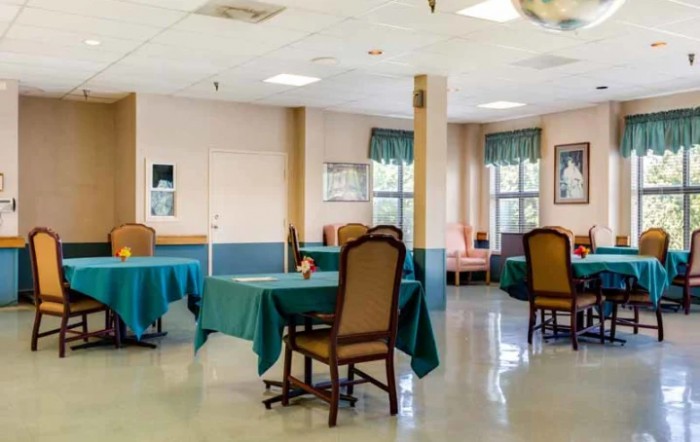
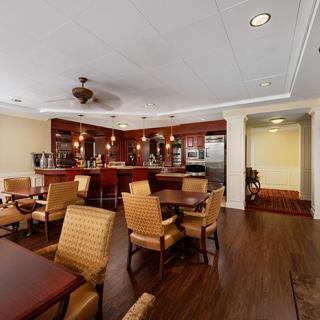
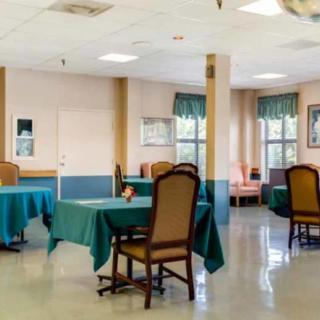
  • Dining room Dining roomDining rooms are important for seniors as they provide a space for socialization, connection, and nutritious meals. They offer opportunities for residents to bond over shared meals, foster a sense of community, and promote healthy eating habits. Dining rooms also ensure that seniors have access to well-balanced meals tailored to their dietary needs and preferences.
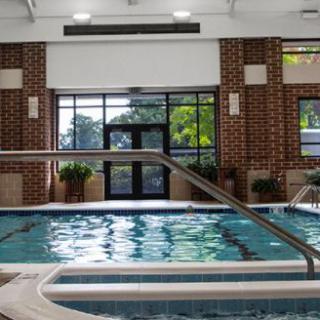
  • Fitness room Fitness roomHaving a fitness room in a senior living community is essential for seniors to stay active, maintain their physical health, and improve their overall well-being. Regular exercise can help prevent falls, reduce the risk of chronic diseases, and promote mental sharpness. It also provides social opportunities for residents to connect with others and enjoy a sense of community.
  • Fully furnished Fully furnishedFully furnished senior living communities are important for seniors because they provide convenience, comfort, and a hassle-free moving experience. Seniors can easily settle into their new living space without the stress of having to buy and move furniture. This allows them to focus on enjoying their new home and community.
  • Gaming room Gaming roomGaming rooms are important for seniors as they provide a fun and engaging environment for socializing, cognitive stimulation, and physical activity. Games can improve memory, problem-solving skills, and overall mental well-being while fostering friendships and reducing feelings of isolation.
  • Garden GardenGardens are important for seniors as they provide a peaceful and therapeutic environment for relaxation, physical activity, and socialization. Being in nature has been shown to reduce stress, improve mood, and promote overall well-being. Gardens also offer opportunities for seniors to engage in gardening activities, which can improve mobility, flexibility, and cognitive function. Additionally, gardens create a sense of community and connection with others who share a passion for plants and outdoor spaces.
  • Housekeeping services Housekeeping servicesHousekeeping services are important for seniors because they help maintain a clean and safe living environment, promote independence, and reduce the risk of accidents or illnesses. Additionally, having assistance with household chores can alleviate physical strain and allow seniors to focus on other aspects of their well-being.
  • Kitchenette KitchenetteKitchenettes are important for seniors living in senior living communities because they provide the convenience and independence of being able to prepare simple meals and snacks in the comfort of their own living space. This can help promote a sense of autonomy and well-being for seniors, allowing them to maintain some level of control over their dietary choices and daily routines.
  • Move-in coordination Move-in coordinationMove-in coordination is important for seniors because it helps ease the transition into their new living environment. It ensures that all logistics, such as packing, organizing movers, and setting up utilities are taken care of, allowing seniors to focus on settling in and adjusting to their new home. Having a smooth move-in process can alleviate stress and anxiety, making the transition smoother and more enjoyable for seniors.
  • Outdoor space Outdoor spaceOutdoor spaces are important for seniors as they provide opportunities for physical activity, social interaction, exposure to natural light and fresh air, and a sense of connection to nature. Having access to outdoor spaces can improve overall well-being and quality of life for older adults living in senior communities.
  • Private bathrooms Private bathroomsPrivate bathrooms are important for seniors in senior living communities because they provide independence, dignity, and comfort. Having a private bathroom allows seniors to maintain their personal hygiene routines without the need for assistance, promoting a sense of autonomy and privacy. Additionally, private bathrooms help prevent the spread of infections and provide a safe and clean environment for seniors to navigate safely.
  • Restaurant-style dining Restaurant-style diningRestaurant-style dining is important for seniors because it allows them to enjoy delicious, nutritious meals in a social and upscale setting. This enhances their dining experience, promotes healthy eating habits, and fosters socialization with fellow residents, ultimately contributing to their overall well-being and quality of life.
  • Small library Small librarySmall libraries are important for seniors as they provide access to a variety of reading materials, including books, newspapers, and magazines. This can help stimulate their minds, keep them engaged, and provide a sense of community through book clubs and other social activities. Additionally, reading has been shown to improve cognitive function and overall mental well-being in older adults.
  • Telephone TelephoneTelephones are important for seniors as they provide a lifeline for communication with loved ones, emergency services, and healthcare providers. They offer a sense of security and independence, enabling seniors to stay connected and access assistance when needed.
  • Wellness center Wellness centerWellness centers are important for seniors because they offer a variety of programs and services that promote physical, mental, and emotional well-being. These centers provide opportunities for exercise, socialization, education, and relaxation, helping seniors maintain their overall health and quality of life.
  • Wi-Fi/high-speed internet available Wi-Fi/high-speed internet availableWi-Fi/high-speed internet is important for seniors to stay connected with loved ones, access online resources, and participate in virtual activities to combat feelings of loneliness and isolation. It also allows them to easily manage healthcare needs, access entertainment, and engage in lifelong learning opportunities.

Transportation

  • Baltimore-Washington International (4 miles away) Baltimore-Washington International (4 miles away)
  • Community operated transportation Community operated transportationCommunity operated transportation is crucial for seniors as it provides them with the means to access essential services, social activities, and medical appointments. It allows seniors to maintain their independence and quality of life by ensuring they can participate in activities outside of their homes. Additionally, community-operated transportation services offer a safe and reliable way for seniors to travel without having to rely on family or friends for assistance.
  • Transportation arrangement Transportation arrangementTransportation arrangements are crucial for seniors as they may face challenges with driving, mobility, or access to public transportation. Having reliable transportation services ensures that seniors can easily attend appointments, social activities, and maintain their independence and quality of life.
  • Transportation arrangement (non-medical) Transportation arrangement (non-medical)Transportation arrangements are essential for seniors as they provide access to essential services, activities, and social interactions outside the home. This service helps maintain independence, mobility, and overall well-being for seniors who may have limited transportation options.
  • Transportation to doctors appointments Transportation to doctors appointmentsTransportation to doctors appointments is crucial for seniors as it ensures they have access to necessary medical care and support, promoting their health and well-being. It allows them to receive timely treatment, monitor existing conditions, and address any new health concerns efficiently. Additionally, transportation services can help seniors maintain their independence and quality of life by enabling them to stay connected with their healthcare providers.

Care Services

  • 12-16 hour nursing 12-16 hour nursing12-16 hour nursing care is crucial for seniors in order to ensure around-the-clock monitoring, timely medication administration, and prompt response to any health concerns or emergencies. This level of care helps to promote the overall well-being and safety of seniors living in senior living communities.
  • 24-hour call system 24-hour call system24-hour call systems are important for seniors because they provide peace of mind and immediate assistance in case of emergencies. This technology ensures that help is always available, promoting safety and security for elderly individuals living alone or in assisted living facilities.
  • 24-hour supervision 24-hour supervision24-hour supervision is important for seniors to ensure their safety, well-being, and access to immediate assistance in case of emergencies or health issues. This constant support provides peace of mind for both seniors and their loved ones, allowing them to age in place with dignity and security.
  • Activities of daily living assistance Activities of daily living assistanceActivities of daily living assistance are important for seniors because they provide essential support with tasks such as eating, bathing, dressing, and mobility. This assistance helps seniors maintain their independence, dignity, and overall quality of life as they age.
  • Assistance with bathing Assistance with bathingAssistance with bathing is crucial for seniors as it helps maintain personal hygiene, prevents infections, and ensures their overall well-being and comfort. It also provides a sense of dignity and independence for seniors who may struggle with this task on their own.
  • Assistance with dressing Assistance with dressingAssistance with dressing is important for seniors because it helps maintain their independence, promotes personal hygiene, prevents accidents and injuries, and improves overall quality of life. This service ensures that seniors can continue to dress comfortably and confidently, despite any physical limitations they may have.
  • Assistance with transfers Assistance with transfersAssistance with transfers is crucial for seniors as it helps prevent falls and injuries, maintains their independence, and ensures they can safely navigate their living environment. It also provides peace of mind for both seniors and their loved ones.
  • Diabetes diet Diabetes dietA diabetes diet is crucial for seniors as it helps manage blood sugar levels, reduce risks of complications, and improve overall health and well-being. By following a balanced and nutritious diet tailored to their specific needs, seniors can better control their diabetes and enhance their quality of life.
  • Meal preparation and service Meal preparation and serviceMeal preparation and service are crucial for seniors as they may have limited mobility or energy to cook nutritious meals. Having access to healthy and convenient food options can ensure they are getting the proper nutrition needed to maintain their overall health and well-being.
  • Medication management Medication managementMedication management is crucial for seniors to ensure they are taking the right medications at the correct dosages and times. This helps prevent adverse drug interactions, reduces the risk of medication errors, and promotes overall health and well-being. Proactive management also allows for adjustments as needed based on changing health conditions or new prescriptions.
  • Mental wellness program Mental wellness programMental wellness programs are essential for seniors as they promote cognitive stimulation, emotional support, and social engagement. These programs help prevent isolation, depression, and cognitive decline, ultimately enhancing the overall quality of life for older adults.
  • Special dietary restrictions Special dietary restrictionsSpecial dietary restrictions are important for seniors because age-related changes in metabolism and health conditions can make it difficult for their bodies to process certain foods. By following a diet tailored to their specific needs, seniors can maintain their overall health and well-being, manage chronic conditions, and reduce the risk of complications such as malnutrition or food interactions with medications.

Dining

  • Diabetes diet Diabetes dietA diabetes diet is crucial for seniors as it helps manage blood sugar levels, reduce risks of complications, and improve overall health and well-being. By following a balanced and nutritious diet tailored to their specific needs, seniors can better control their diabetes and enhance their quality of life.
  • Special dietary restrictions Special dietary restrictionsSpecial dietary restrictions are important for seniors because age-related changes in metabolism and health conditions can make it difficult for their bodies to process certain foods. By following a diet tailored to their specific needs, seniors can maintain their overall health and well-being, manage chronic conditions, and reduce the risk of complications such as malnutrition or food interactions with medications.

Activities

  • Community-sponsored activities Community-sponsored activitiesCommunity-sponsored activities are important for seniors as they provide opportunities for social interaction, mental stimulation, and physical activity. These activities can help improve overall well-being, combat loneliness and isolation, and promote a sense of belonging and purpose among older adults.
  • Concierge services Concierge servicesConcierge services are essential for seniors as they provide assistance with daily tasks and errands, enhance their quality of life by offering convenience and personalized care, and promote a sense of safety and security.
  • Fitness programs Fitness programsFitness programs are crucial for seniors as they help improve strength, flexibility, balance, and overall well-being. Staying active can reduce the risk of chronic diseases, improve mental health, and enhance quality of life in older adults.
  • Planned day trips Planned day tripsPlanned day trips are important for seniors because they offer opportunities for socialization, mental stimulation, and physical activity. They provide a change of scenery and help seniors stay engaged and connected to their community, promoting overall well-being and quality of life.
  • Resident-run activities Resident-run activitiesResident-run activities are important for seniors as they encourage social interaction, creativity, and a sense of autonomy. These activities empower seniors to stay engaged and active in their community while fostering meaningful connections with their peers.
  • Scheduled daily activities Scheduled daily activitiesScheduled daily activities are important for seniors because they provide structure, socialization, mental stimulation, and physical activity. Engaging in regular activities can improve overall well-being and quality of life for seniors living in a community setting.

Description

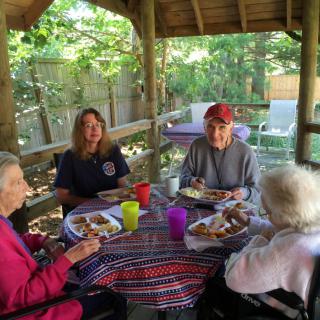
Glen Burnie Health And Rehabilitation Center in Glen Burnie, MD is a well-equipped and comprehensive assisted living community that offers an array of amenities and care services to meet the needs of its residents. The community's amenities include a beauty salon, cable or satellite TV, a computer center, a fully furnished dining room, a fitness room, a gaming room, a garden, housekeeping services, kitchenette facilities, private bathrooms, restaurant-style dining, a small library, telephone access, and Wi-Fi/high-speed internet.

The care services provided at Glen Burnie Health And Rehabilitation Center are designed to ensure the safety and wellbeing of its residents. These services include 24-hour call systems and supervision for round-the-clock assistance. Trained staff members are available to provide assistance with activities of daily living such as bathing, dressing, and transfers. Medication management is also offered to ensure that residents receive their prescribed medications on time and in the correct dosages.

The community places an emphasis on maintaining the mental wellness of its residents through various programs. Special dietary restrictions are catered to for those with specific dietary needs such as diabetes diets. Transportation arrangements can be made for non-medical purposes as well as transportation to doctors' appointments.

Glen Burnie Health And Rehabilitation Center provides ample opportunities for socialization and engagement through its activities program. Concierge services are available to assist with planning day trips or engaging in resident-run activities. Fitness programs are offered to promote physical health and wellbeing.

The community is conveniently located near several amenities including cafes, parks, pharmacies, physicians' offices, restaurants, transportation options, and places of worship. This ensures that residents have easy access to essential services and recreational opportunities within their vicinity.

Overall, Glen Burnie Health And Rehabilitation Center offers a comfortable living environment with an abundance of amenities and care services tailored to cater to the needs of its residents while promoting social engagement and overall wellbeing.

Nearby Places of Interest

This part of Glen Burnie, Maryland offers a convenient and diverse range of amenities for seniors looking to settle in the area. With various dining options such as Honey Bee Diner, Golden Corral, and Silver Diner nearby, residents can enjoy a variety of culinary experiences. In terms of healthcare, there are several pharmacies and medical facilities within a short distance, including CVS Pharmacy, Rite Aid, and Oakwood Medical Building. The area also provides access to transportation options like Cromwell Station/Glen Burnie Light Rail Station and Baltimore/Washington International Thurgood Marshall Airport for easy travel. For leisure activities, seniors can visit Sawmill Creek Park or catch a movie at Cinemark Holdings theater. Additionally, places of worship like Heritage Community Church and St Augustine's Church cater to spiritual needs. Overall, this neighborhood offers convenience and entertainment for seniors seeking a vibrant community to call home.

Restaurants

  • Honey Bee Diner (1 miles)
  • Golden Corral (1.7 miles)
  • Double T Diner - Pasadena (2.3 miles)
  • Chick-Fil-A (3 miles)
  • The Greene Turtle Sports Bar & Grille (3.4 miles)
  • The Firkin & Flyer (3.6 miles)
  • Silver Diner (3.7 miles)

Pharmacies

  • CVS Pharmacy (1.1 miles)
  • Rite Aid (1.1 miles)
  • Walgreens (1.8 miles)
  • Walgreens (2 miles)
  • Rite Aid (2.6 miles)
  • CVS Pharmacy (2.9 miles)
  • Walgreens (2.9 miles)

Transportation

  • Cromwell Station/Glen Burnie Light Rail Station (1.6 miles)
  • Baltimore/Washington International Thurgood Marshall Airport (BWI) (2.2 miles)
  • Concourse D (3.4 miles)
  • Concourse C (3.5 miles)
  • BWI Baggage Claim 10 (3.5 miles)
  • Concourse E (3.6 miles)
  • Security Checkpoint - Concourse D (3.6 miles)

Parks

  • Sawmill Creek Park (1.9 miles)
  • Randazzo Softball Park (4.2 miles)
  • Fort McHenry National Monument and Historic Shrine (6.6 miles)
  • Canton Waterfront Park (7.7 miles)
  • Federal Hill Park (7.7 miles)
  • Rash Field (7.7 miles)
  • Harbor Point Central Plaza (7.7 miles)

Physicians

  • Oakwood Medical Building (2.1 miles)
  • Mercy Personal Physicians (2.1 miles)
  • Mid Atlantic Neurology Consultants (2.2 miles)
  • Medical Arts Centre (2.4 miles)
  • Anne Arundel Dermatolo (5.3 miles)
  • Maryland Primary Care Physicians (5.7 miles)
  • Plastic Surgery Specialists (6.7 miles)

Cafes

  • Panera Bread (3.2 miles)
  • Starbucks (6.8 miles)
  • Big Bean (7.3 miles)
  • Starbucks (7.6 miles)
  • Panera Bread (7.8 miles)
  • Starbucks (7.8 miles)
  • Pitango Bakery + Cafe (7.8 miles)

Places of Worship

  • Heritage Community Church (4.8 miles)
  • St Augustine's Church (6.7 miles)
  • St John the Evangelist Church (7.6 miles)

Theaters

  • Cinemark Holdings (6.5 miles)

Frequently Asked Questions

How much does it cost to live at Glen Burnie Health And Rehabilitation Center in Glen Burnie, MD?
Where is Glen Burnie Health And Rehabilitation Center?
What photos are available for Glen Burnie Health And Rehabilitation Center in Glen Burnie, Maryland?

Nearby Communities

  • Hands of Love and Care

    Hands of Love and Care

    Glen Burnie, MD

    4.3 from 16 reviews
     

    pro Affordable pricing with caring, attentive staff.
  • Salaam Estates II

    Salaam Estates II

    Glen Burnie, MD


    pro Fully furnished apartments with 24/7 supervision, daily living assistance, and coordinated care, plus on-site dining and outdoor spaces.

  • Hammarlee House Apartments

    Hammarlee House Apartments

    Glen Burnie, MD


    pro Excellent access to healthcare, dining, and transit nearby.

  • Park View at Furnace Branch

    Park View at Furnace Branch

    Glen Burnie, MD

    3.6 from 7 reviews
    $967 to $1,146 / month

    pro Income-based rent with spacious rooms and a modern kitchen.

  • PNJ Comfort Home

    PNJ Comfort Home

    Glen Burnie, MD


    pro Convenient location with nearby cafes, parks, healthcare, and places of worship, supporting independent living.

  • Glen Burnie Town Apartments

    Glen Burnie Town Apartments

    Glen Burnie, MD

    2.5 from 27 reviews
    $1,162 to $1,375 / month

    pro Wheelchair accessible showers and convenient access to dining, healthcare, and transit.

  • Hammonds Lane Center

    Hammonds Lane Center

    Brooklyn Park, MD

    3.9 from 107 reviews
     

    pro Clean facility with engaging activities and some attentive staff.

  • House Of Loving Care

    House Of Loving Care

    Brooklyn, MD

    5 from 1 review
    $2,500 to $3,200 / month

    pro Private rooms with private bathrooms in a spacious, multi-level layout.

  • Morningside House of Friendship

    Morningside House of Friendship

    Hanover, MD

    4.7 from 174 reviews
    $4,000 to $6,400 / month

    pro Compassionate, personalized care from long-tenured staff in a well-maintained, engaging environment.

Related Resources

  • caregiver burnoutCaregiver Exhaustion: Recognizing the Signs and Restoring Your Well-Being

    Caregiver exhaustion, or burnout, stems from the relentless demands of caregiving, leading to emotional and physical depletion characterized by stress, frustration, and neglect of personal needs. Addressing this burden is essential to prevent long-term consequences, with early recognition and support being crucial for caregivers to maintain balance and implement self-care.

  • what is hospice care at homeUnderstanding Hospice Care at Home: Comprehensive Services, Key Benefits, and Eligibility

    Hospice care at home provides specialized end-of-life support that focuses on comfort and dignity for individuals with life-limiting illnesses, offering a range of services including medical management, emotional and spiritual support, and logistical assistance tailored to the family's needs. It involves collaboration to create individualized care plans and extends to bereavement support after a loved one's passing.

  • how much does 24/7 in home care cost per monthUnderstanding the Full Cost of 24/7 In-Home Care: A Detailed Overview
    The guide outlines the rising costs of 24/7 in-home care, ranging from $10,000 to over $20,000 monthly, driven by factors such as location and caregiver qualifications. It discusses the limited coverage by Medicare and private insurance, potential Medicaid support, and the emotional and living condition considerations influencing families' decisions on care arrangements.