

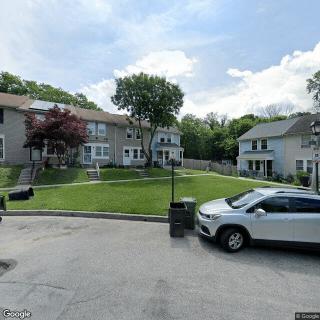
313 Hammonds Lane, Brooklyn, MD 21225
For more information about senior living options: (866) 208-4318
House Of Loving Care Costs & Pricing
At House Of Loving Care, the monthly costs for accommodation are notably competitive when compared to both Baltimore city and the wider state of Maryland. For semi-private rooms, residents enjoy a rate of $2,500, which is significantly lower than the city's average of $3,116 and the state's average of $3,545. Similarly, for those opting for private rooms, the cost at House Of Loving Care stands at $3,200 - again more affordable than Baltimore's average of $3,729 and Maryland's average of $4,112. These pricing structures highlight House Of Loving Care's commitment to providing accessible and budget-friendly options for those seeking quality care in a supportive environment.
| Floor plans | House Of Loving Care | Baltimore city | Maryland |
|---|---|---|---|
| Semi-Private | $2,500 | $3,116 | $3,545 |
| Private | $3,200 | $3,729 | $4,112 |
Assisted Living communities with a similar price nearby
-
from +$475 / mo
Gneale Home Care
$2,975 / month6.0 miles away -
About the same

Amazing Grace Senior Care
$2,500 to $3,000 / month24.4 miles away -
About the same
Ovalstone Comfort Home
$2,470 to $3,300 / month16.4 miles away -
from -$100 / mo

HMG Assisted Living Home
$2,400 to $4,750 / month20.9 miles away -
from +$200 / mo

Angels Among Us
$2,700 to $7,000 / month17.4 miles away
Overall Review of House Of Loving Care
Pros
 The tour was really good.
- She has her own room and bathroom.
Cons
 The tour didn’t suit their needs.
- The community they chose wasn’t what they were looking for.
Review
House Of Loving Care in Brooklyn, MD appears best suited for seniors who prize a private living space and can navigate a facility with more than one floor. The lone positive testimonial notes a private room and bathroom, and a tour that left a favorable impression, suggesting solid presentation and potential comfort for residents who value personal autonomy. However, the reviewer also signals a misalignment between the layout and their own needs, indicating this community may not be the right fit for everyone, even when the private-room option is appealing. In practical terms, the core appeal rests on privacy and a well-conducted initial impression, with layout complexity as a dividing line.
Families weighing options should explicitly consider the impact of a multi-story setup. For those whose mobility is a concern, or who require straightforward, single-level access, this characteristic could become a meaningful barrier. The review hints that the building’s structure may not suit every resident’s daily routines or safety preferences, underscoring the importance of confirming floor plans, elevator availability, and the practicality of stairs for a potential move-in. Alternatives with single-story layouts or more accessible designs should be evaluated if ease of navigation takes precedence over other factors.
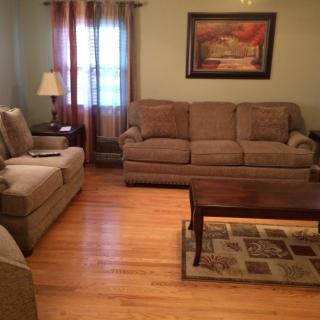
The strongest pro in the available feedback is the presence of a private room and en-suite bathroom, paired with a tour that impressed on a practical level. A private space supports dignity, independence, and personal routines, which are critical to many families’ criteria. When paired with a positive introductory experience, this combination can create confidence about daily living, meals, and routine care in a community setting. Yet the benefit of privacy only goes so far if the layout complicates movement, access to common areas, or the ability to summon help quickly, and that is precisely where this evidence suggests a potential mismatch.
Main cons, based on the review, center on layout alignment with resident needs rather than on care quality or staff. The fact that the community toured felt favorable does not compensate for the mismatch between multi-floor design and what the reviewer was seeking. For families, this translates into a crucial test question: can the building accommodate current and anticipated mobility, fall risk, and daily activity patterns without introducing unnecessary complexity? If the answer is uncertain, a parallel track with alternatives that emphasize single-story living and easy circulation becomes prudent.
To make an informed decision, prospective residents should pursue a focused set of questions during visits. Request two floor-plan options and compare how private rooms are configured relative to dining and activity spaces. Verify whether essential services (meals, laundry, transportation, medical support) can be delivered on the floor that best suits the resident’s daily rhythm. Inquire about stair use, elevator access, emergency response times, and how staff assist residents who may need help navigating multiple levels. Also seek fresh testimonials or references that reflect recent experiences to ensure consistency beyond a single positive tour.
The bottom line is clear: for families prioritizing genuine privacy and a strong first impression, House Of Loving Care delivers a compelling option, provided the resident is comfortable with a multi-floor environment. For those who cannot tolerate stairs, or who demand a truly single-story footprint with minimal navigational hurdles, alternatives should be pursued with the same due diligence, tour extensively, compare floor plans side by side, and insist on current resident feedback. In practical terms, privacy plus a favorable tour is a meaningful start, but layout compatibility will decide long-term suitability.
 5 resident community capacity
 Assisted Living
 Board and Care Home
 Dogs allowed
 Activities off-site
 Bath tubs
 Beautician on-site
 Cable or satellite TV
 Devotional services off-site
 Dining room
 Fully furnished
 Garden
 Housekeeping services
 Indoor common areas
 Move-in coordination
 Outdoor common areas
 Private
 Private bathrooms
 Respite or short term stays offered
 Telephone
 Wheelchair accessible showers
 Wi-Fi/high-speed internet available
 Baltimore-Washington International (4 miles away)
 24-hour supervision
 Ambulatory care
 Assistance with bathing
 Assistance with dressing
 Assistance with transfers
 Diabetes diet
 Diabetic care
 High acuity care
 Incontinence care
 Meal preparation and service
 Medication management
 Special dietary restrictions
 Transportation arrangement (medical)
 Transportation to doctors appointments





 An Extensive Exploration of the VA Aid and Attendance Benefit
 Senior Transition Services: Understanding Their Role, Cost, and Importance
 Exploring the Path to Senior Living: A Comprehensive Look at Independent Living and Assisted Living