Future Care Irvington in Baltimore, MD

Save

Future Care Irvington in Baltimore, MD

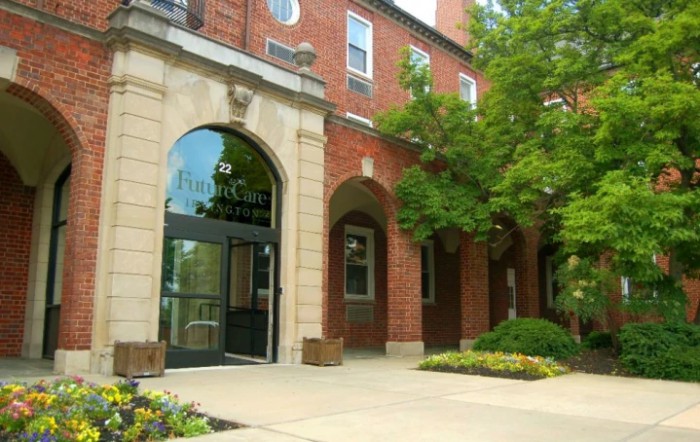
22 South Athol Avenue, Baltimore, MD 21229

For more information about senior living options: (844) 490-3973

3.9 from 111 reviews
5 stars
62
4 stars
17
3 stars
9
2 stars
5
1 stars
18

Skilled Nursing Facility

Overall Review of Future Care Irvington

Pros

  • pro The CNAs work very hard and provide attentive care.
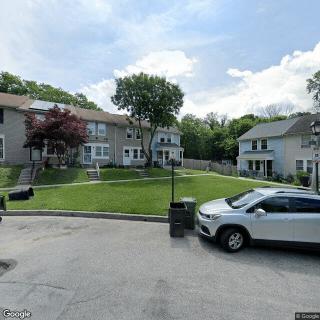
  • pro The facility is clean, well-maintained, and inviting.
  • pro The staff are respectful, friendly, and quick to help.
  • pro The rehabilitation and pulmonary care teams are top-notch and impeccably support residents.
  • pro Miss Connie provides warm, welcoming service and genuinely cares for families.
  • pro The therapy and nursing staff are knowledgeable, caring, and responsive to residents' needs.
  • pro The leadership, including Administrator Zachary, is attentive and devoted to resident well-being.

Cons

  • pro They were short-staffed as usual.
  • pro CNA staffing levels were insufficient; one CNA had 11 patients, making adequate care impossible.
  • pro GNAs have no seating and are expected to work on their feet all day.
  • pro RNs on the vent unit would not assist with heavy two-person transfers unless state inspectors were present.
  • pro The food is disgusting, cold, and lacks nutrition.
  • pro The admissions director is dishonest and unprofessional.
  • pro The nursing staff are rude, careless, and show little empathy.
  • pro There is a lack of communication; requests for water are ignored.
  • pro There is not enough staff, especially at night, leading to delayed care.
  • pro Some patients are neglected or left in soiled conditions for hours.

Review

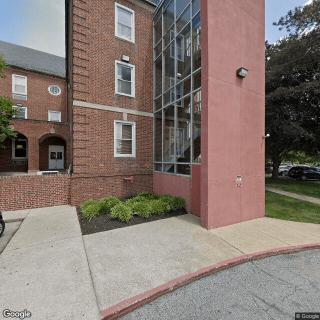
FutureCare Irvington is best suited for seniors who need rehabilitative care with an emphasis on respiratory support and dialysis, and for families willing to engage actively to ensure consistency. The reviews recount a facility that is spotless and well-maintained, with a strong rehabilitation program and attentive therapists who push toward real gains. The environment is inviting, with clean rooms and accessible common spaces, and some families praise responsive nurses and supportive administration. This is not a luxury resort but a practical, capable rehab-and-long-term option where care quality varies by shift and unit. The ideal resident is someone who benefits from structured therapy schedules and regular medical oversight and whose family can participate in care planning.

However, those who prioritize absolute daily attentiveness, uniform care across all shifts, and high-quality dining may want to explore alternatives. Several reviewers describe significant nighttime and weekend staffing gaps, with CNAs carrying heavy caseloads and inconsistent repositioning or basic hygiene. Food quality is repeatedly criticized by multiple residents, including diabetes-management concerns. If a family cannot visit regularly or requires near-constant advocacy, the risk of uneven experiences increases. For long-term memory care or complex social needs, this ambiguity in staffing can be a deciding factor; in such cases, a facility with steadier staffing and proven culinary and customer-service records could be a better fit.

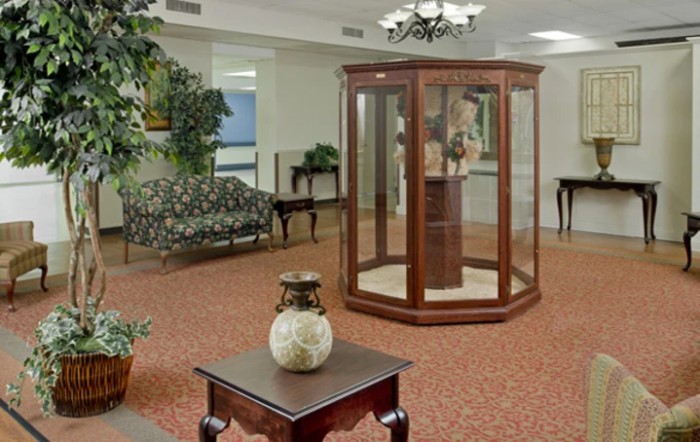
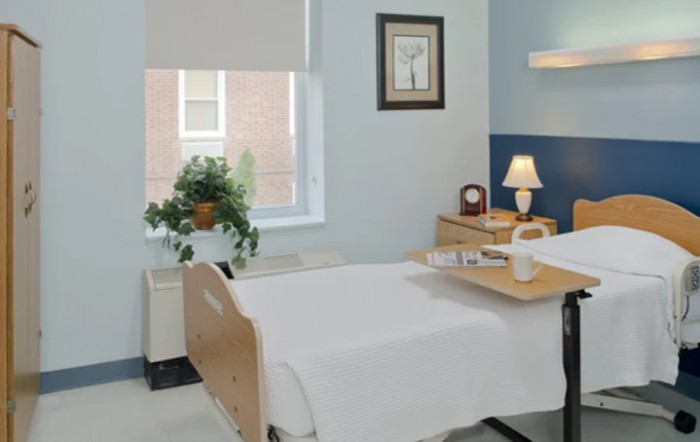
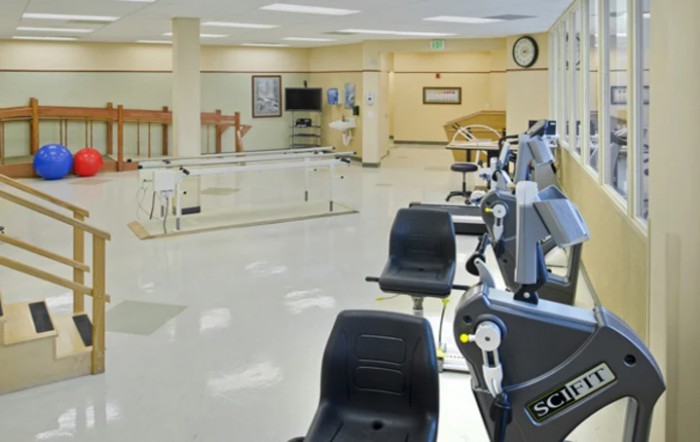
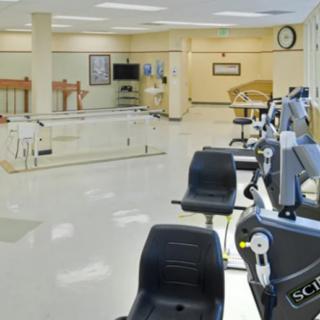
On the plus side, FutureCare Irvington earns points for cleanliness and warmth in many areas. Several patients and visitors describe well-kept rooms, fresh odors, and attractive common spaces; therapy staff - PT/OT and respiratory - are repeatedly praised for their competence and the momentum they build in recovery. Families highlight compassionate aides in 1 North and 1 South, and administrators who communicate when present, as a stabilizing force. These strengths translate into tangible rehab progress for some residents and a respectful, orderly atmosphere that makes visits reassuring. When staff are able to keep up, the consensus is that medical care, rehab, and cleanliness come together to create a solid, credible option.

Yet the record is not uniform. The most jarring critiques center on staffing shortages that spill into daily care: delayed assistance, missed baths, and reluctance or delays in turning and repositioning patients. Several accounts describe rude or overwhelmed front-line staff, with reports of patients left in wet conditions or unaddressed requests for water or pain relief. Communications gaps between nursing, therapy, and family members crop up, and some residents perceive a culture where care quality depends on who is on shift or who answers the call light. The contrast between bright therapy rooms and under-resourced bedside care is stark and cannot be ignored in a decision-making process.

To navigate this facility effectively, prospective families should ask pointed questions during tours: what is the current nurse-to-patient ratio, especially on nights and weekends; how are two-person transfers handled and what is the protocol for pressure injuries and repositioning; which units carry specialized staffing (vent care, dialysis, rehab); how quickly are calls answered; and what concrete steps has leadership taken to balance staffing. Also verify ongoing communication practices with families, and request a direct contact for care planning. A tour should include a firsthand look at the therapy gym, dining quality, and seating availability for visitors and GNAs, as well as conversations with the rehab team and unit managers about recent changes.

In sum, FutureCare Irvington stands as a credible, capable option for recuperation and long-term living where rehabilitation strength and a pristine environment matter most, and where family involvement can be a meaningful multiplier of care quality. The strongest argument favors residents who need pulmonary and rehab services and who can withstand some variability in daily care in exchange for access to robust physical therapy, respiratory treatment, and dialysis-capable infrastructure. If daily attentiveness, consistent dining quality, and uniformly compassionate bedside care are non-negotiable, this community warrants cautious comparison with higher-stability facilities. For families ready to advocate and participate, Irvington can deliver meaningful outcomes within a well-kept setting.

Features

Housing

  • 200 resident community capacity 200 resident community capacity

Types of Care

  • Skilled Nursing Facility Skilled Nursing FacilitySkilled Nursing Facilities are crucial for seniors as they provide round-the-clock medical care, rehabilitation services, and assistance with daily activities. These facilities ensure that seniors receive the specialized care they need to maintain their health and well-being as they age.

Amenities

  • Air-conditioning Air-conditioningAir conditioning is important for seniors as they are more vulnerable to heat-related illnesses and may have underlying health conditions that make it difficult for them to regulate their body temperature. It helps to keep them comfortable, safe, and healthy in hot weather.
  • Beauty salon Beauty salonBeauty salons are important for seniors because they provide a space for them to feel pampered, socialize, and maintain their personal grooming and hygiene. Regular visits to a beauty salon can help boost seniors' self-esteem and overall well-being.
  • Cable or satellite TV Cable or satellite TVCable or satellite TV is important for seniors because it provides entertainment, news, and companionship, helping to combat loneliness and boredom. It also offers a wide range of programming options tailored to different interests and preferences.
  • Computer center Computer centerA computer center is essential for seniors as it provides access to technology, communication tools, and resources that can enhance their daily lives. It allows them to stay connected with loved ones, engage in online activities, and learn new skills, ultimately promoting socialization and mental stimulation.
  • Dining room Dining roomDining rooms are important for seniors as they provide a space for socialization, connection, and nutritious meals. They offer opportunities for residents to bond over shared meals, foster a sense of community, and promote healthy eating habits. Dining rooms also ensure that seniors have access to well-balanced meals tailored to their dietary needs and preferences.
  • Fitness room Fitness roomHaving a fitness room in a senior living community is essential for seniors to stay active, maintain their physical health, and improve their overall well-being. Regular exercise can help prevent falls, reduce the risk of chronic diseases, and promote mental sharpness. It also provides social opportunities for residents to connect with others and enjoy a sense of community.
  • Fully furnished Fully furnishedFully furnished senior living communities are important for seniors because they provide convenience, comfort, and a hassle-free moving experience. Seniors can easily settle into their new living space without the stress of having to buy and move furniture. This allows them to focus on enjoying their new home and community.
  • Gaming room Gaming roomGaming rooms are important for seniors as they provide a fun and engaging environment for socializing, cognitive stimulation, and physical activity. Games can improve memory, problem-solving skills, and overall mental well-being while fostering friendships and reducing feelings of isolation.
  • Garden GardenGardens are important for seniors as they provide a peaceful and therapeutic environment for relaxation, physical activity, and socialization. Being in nature has been shown to reduce stress, improve mood, and promote overall well-being. Gardens also offer opportunities for seniors to engage in gardening activities, which can improve mobility, flexibility, and cognitive function. Additionally, gardens create a sense of community and connection with others who share a passion for plants and outdoor spaces.
  • Housekeeping services Housekeeping servicesHousekeeping services are important for seniors because they help maintain a clean and safe living environment, promote independence, and reduce the risk of accidents or illnesses. Additionally, having assistance with household chores can alleviate physical strain and allow seniors to focus on other aspects of their well-being.
  • Kitchenette KitchenetteKitchenettes are important for seniors living in senior living communities because they provide the convenience and independence of being able to prepare simple meals and snacks in the comfort of their own living space. This can help promote a sense of autonomy and well-being for seniors, allowing them to maintain some level of control over their dietary choices and daily routines.
  • Move-in coordination Move-in coordinationMove-in coordination is important for seniors because it helps ease the transition into their new living environment. It ensures that all logistics, such as packing, organizing movers, and setting up utilities are taken care of, allowing seniors to focus on settling in and adjusting to their new home. Having a smooth move-in process can alleviate stress and anxiety, making the transition smoother and more enjoyable for seniors.
  • Outdoor space Outdoor spaceOutdoor spaces are important for seniors as they provide opportunities for physical activity, social interaction, exposure to natural light and fresh air, and a sense of connection to nature. Having access to outdoor spaces can improve overall well-being and quality of life for older adults living in senior communities.
  • Private bathrooms Private bathroomsPrivate bathrooms are important for seniors in senior living communities because they provide independence, dignity, and comfort. Having a private bathroom allows seniors to maintain their personal hygiene routines without the need for assistance, promoting a sense of autonomy and privacy. Additionally, private bathrooms help prevent the spread of infections and provide a safe and clean environment for seniors to navigate safely.
  • Restaurant-style dining Restaurant-style diningRestaurant-style dining is important for seniors because it allows them to enjoy delicious, nutritious meals in a social and upscale setting. This enhances their dining experience, promotes healthy eating habits, and fosters socialization with fellow residents, ultimately contributing to their overall well-being and quality of life.
  • Small library Small librarySmall libraries are important for seniors as they provide access to a variety of reading materials, including books, newspapers, and magazines. This can help stimulate their minds, keep them engaged, and provide a sense of community through book clubs and other social activities. Additionally, reading has been shown to improve cognitive function and overall mental well-being in older adults.
  • Telephone TelephoneTelephones are important for seniors as they provide a lifeline for communication with loved ones, emergency services, and healthcare providers. They offer a sense of security and independence, enabling seniors to stay connected and access assistance when needed.
  • Wellness center Wellness centerWellness centers are important for seniors because they offer a variety of programs and services that promote physical, mental, and emotional well-being. These centers provide opportunities for exercise, socialization, education, and relaxation, helping seniors maintain their overall health and quality of life.
  • Wi-Fi/high-speed internet available Wi-Fi/high-speed internet availableWi-Fi/high-speed internet is important for seniors to stay connected with loved ones, access online resources, and participate in virtual activities to combat feelings of loneliness and isolation. It also allows them to easily manage healthcare needs, access entertainment, and engage in lifelong learning opportunities.

Transportation

  • Baltimore-Washington International (8 miles away) Baltimore-Washington International (8 miles away)
  • Community operated transportation Community operated transportationCommunity operated transportation is crucial for seniors as it provides them with the means to access essential services, social activities, and medical appointments. It allows seniors to maintain their independence and quality of life by ensuring they can participate in activities outside of their homes. Additionally, community-operated transportation services offer a safe and reliable way for seniors to travel without having to rely on family or friends for assistance.
  • Transportation arrangement Transportation arrangementTransportation arrangements are crucial for seniors as they may face challenges with driving, mobility, or access to public transportation. Having reliable transportation services ensures that seniors can easily attend appointments, social activities, and maintain their independence and quality of life.
  • Transportation arrangement (non-medical) Transportation arrangement (non-medical)Transportation arrangements are essential for seniors as they provide access to essential services, activities, and social interactions outside the home. This service helps maintain independence, mobility, and overall well-being for seniors who may have limited transportation options.
  • Transportation to doctors appointments Transportation to doctors appointmentsTransportation to doctors appointments is crucial for seniors as it ensures they have access to necessary medical care and support, promoting their health and well-being. It allows them to receive timely treatment, monitor existing conditions, and address any new health concerns efficiently. Additionally, transportation services can help seniors maintain their independence and quality of life by enabling them to stay connected with their healthcare providers.

Care Services

  • 12-16 hour nursing 12-16 hour nursing12-16 hour nursing care is crucial for seniors in order to ensure around-the-clock monitoring, timely medication administration, and prompt response to any health concerns or emergencies. This level of care helps to promote the overall well-being and safety of seniors living in senior living communities.
  • 24-hour call system 24-hour call system24-hour call systems are important for seniors because they provide peace of mind and immediate assistance in case of emergencies. This technology ensures that help is always available, promoting safety and security for elderly individuals living alone or in assisted living facilities.
  • 24-hour supervision 24-hour supervision24-hour supervision is important for seniors to ensure their safety, well-being, and access to immediate assistance in case of emergencies or health issues. This constant support provides peace of mind for both seniors and their loved ones, allowing them to age in place with dignity and security.
  • Activities of daily living assistance Activities of daily living assistanceActivities of daily living assistance are important for seniors because they provide essential support with tasks such as eating, bathing, dressing, and mobility. This assistance helps seniors maintain their independence, dignity, and overall quality of life as they age.
  • Assistance with bathing Assistance with bathingAssistance with bathing is crucial for seniors as it helps maintain personal hygiene, prevents infections, and ensures their overall well-being and comfort. It also provides a sense of dignity and independence for seniors who may struggle with this task on their own.
  • Assistance with dressing Assistance with dressingAssistance with dressing is important for seniors because it helps maintain their independence, promotes personal hygiene, prevents accidents and injuries, and improves overall quality of life. This service ensures that seniors can continue to dress comfortably and confidently, despite any physical limitations they may have.
  • Assistance with transfers Assistance with transfersAssistance with transfers is crucial for seniors as it helps prevent falls and injuries, maintains their independence, and ensures they can safely navigate their living environment. It also provides peace of mind for both seniors and their loved ones.
  • Diabetes diet Diabetes dietA diabetes diet is crucial for seniors as it helps manage blood sugar levels, reduce risks of complications, and improve overall health and well-being. By following a balanced and nutritious diet tailored to their specific needs, seniors can better control their diabetes and enhance their quality of life.
  • Meal preparation and service Meal preparation and serviceMeal preparation and service are crucial for seniors as they may have limited mobility or energy to cook nutritious meals. Having access to healthy and convenient food options can ensure they are getting the proper nutrition needed to maintain their overall health and well-being.
  • Medication management Medication managementMedication management is crucial for seniors to ensure they are taking the right medications at the correct dosages and times. This helps prevent adverse drug interactions, reduces the risk of medication errors, and promotes overall health and well-being. Proactive management also allows for adjustments as needed based on changing health conditions or new prescriptions.
  • Mental wellness program Mental wellness programMental wellness programs are essential for seniors as they promote cognitive stimulation, emotional support, and social engagement. These programs help prevent isolation, depression, and cognitive decline, ultimately enhancing the overall quality of life for older adults.
  • Special dietary restrictions Special dietary restrictionsSpecial dietary restrictions are important for seniors because age-related changes in metabolism and health conditions can make it difficult for their bodies to process certain foods. By following a diet tailored to their specific needs, seniors can maintain their overall health and well-being, manage chronic conditions, and reduce the risk of complications such as malnutrition or food interactions with medications.

Dining

  • Diabetes diet Diabetes dietA diabetes diet is crucial for seniors as it helps manage blood sugar levels, reduce risks of complications, and improve overall health and well-being. By following a balanced and nutritious diet tailored to their specific needs, seniors can better control their diabetes and enhance their quality of life.
  • Special dietary restrictions Special dietary restrictionsSpecial dietary restrictions are important for seniors because age-related changes in metabolism and health conditions can make it difficult for their bodies to process certain foods. By following a diet tailored to their specific needs, seniors can maintain their overall health and well-being, manage chronic conditions, and reduce the risk of complications such as malnutrition or food interactions with medications.

Activities

  • Community-sponsored activities Community-sponsored activitiesCommunity-sponsored activities are important for seniors as they provide opportunities for social interaction, mental stimulation, and physical activity. These activities can help improve overall well-being, combat loneliness and isolation, and promote a sense of belonging and purpose among older adults.
  • Concierge services Concierge servicesConcierge services are essential for seniors as they provide assistance with daily tasks and errands, enhance their quality of life by offering convenience and personalized care, and promote a sense of safety and security.
  • Fitness programs Fitness programsFitness programs are crucial for seniors as they help improve strength, flexibility, balance, and overall well-being. Staying active can reduce the risk of chronic diseases, improve mental health, and enhance quality of life in older adults.
  • Planned day trips Planned day tripsPlanned day trips are important for seniors because they offer opportunities for socialization, mental stimulation, and physical activity. They provide a change of scenery and help seniors stay engaged and connected to their community, promoting overall well-being and quality of life.
  • Resident-run activities Resident-run activitiesResident-run activities are important for seniors as they encourage social interaction, creativity, and a sense of autonomy. These activities empower seniors to stay engaged and active in their community while fostering meaningful connections with their peers.
  • Scheduled daily activities Scheduled daily activitiesScheduled daily activities are important for seniors because they provide structure, socialization, mental stimulation, and physical activity. Engaging in regular activities can improve overall well-being and quality of life for seniors living in a community setting.

Description

Future Care Irvington is an assisted living community located in Baltimore, MD. This vibrant and welcoming community offers a range of amenities and care services to ensure the comfort and well-being of its residents.

The community features a beauty salon where residents can pamper themselves and feel their best. Residents can also enjoy watching their favorite shows or movies with cable or satellite TV in their private rooms. Community-operated transportation is available for convenient access to nearby attractions and appointments.

For those who love technology, there is a computer center equipped with high-speed internet access. The dining room offers restaurant-style dining with delicious meals prepared by the talented culinary team. In addition, residents have the option of a fully furnished accommodation with private bathrooms and housekeeping services for a hassle-free living experience.

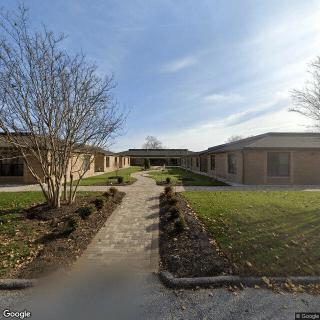
Future Care Irvington also prioritizes residents' physical wellness by providing a fitness room and outdoor space for exercise and relaxation. Residents can indulge in various recreational activities such as gaming, reading in the small library, or spending time in the garden. The wellness center aims to support mental well-being through specialized programs.

Care services at Future Care Irvington include 24-hour call systems and supervision to ensure round-the-clock assistance whenever needed. Dedicated staff members provide assistance with daily tasks such as bathing, dressing, and transfers. Medication management is available along with diabetes diets and special dietary restrictions to cater to individual needs.

Transportation arrangements are made both for non-medical purposes and for doctor's appointments, ensuring residents can easily access necessary services outside the community. Wi-Fi/high-speed internet connectivity enables residents to stay connected with loved ones online.

Future Care Irvington enjoys a prime location near several cafes, parks, pharmacies, physicians' offices, restaurants, transportation options, and hospitals. To keep residents engaged, concierge services are available along with fitness programs, planned day trips, resident-run activities, and scheduled daily activities.

In summary, Future Care Irvington offers an enriching and supportive environment for assisted living. With its extensive amenities, care services, and convenient location, this community strives to enhance the quality of life for its residents while providing personalized care and fostering a sense of belonging.

Nearby Places of Interest

This area of Baltimore, Maryland, is a vibrant and diverse community with a range of healthcare options including Pine Heights Integrative Health and the University of Maryland Rehabilitation & Orthopaedic Institute. With several pharmacies like CVS and Walgreens nearby, accessing medication and healthcare supplies is convenient. There are also various dining options such as Chick-Fil-A and Trinacria Macaroni Works for seniors looking to enjoy a meal out. The neighborhood is well-equipped with hospitals like Spring Grove Hospital Center and the University of Maryland Medical Center for any medical emergencies. For recreation, residents can visit parks like Rash Field or Patterson Park for outdoor activities. Public transportation is easily accessible at Penn Station for those who may not drive. Additionally, St Augustine's Church offers spiritual support for individuals seeking a place of worship in the community. Overall, this area provides seniors with necessary amenities and services to support a comfortable lifestyle in their golden years.

Physicians

  • Pine Heights Integrative Health (1.2 miles)
  • Wilkens Medical Center (1.4 miles)
  • South Baltimore County Medical Center | Kaiser Permanente (2.1 miles)
  • University of Maryland Rehabilitation & Orthopaedic Institute (2.3 miles)
  • Wozniak Marcella University of Maryland Medical Center Neurology (3.7 miles)
  • University Health Center (3.7 miles)
  • University of Maryland Medical Center Midtown Professional Building (3.8 miles)

Pharmacies

  • CVS Pharmacy (1.8 miles)
  • CVS Pharmacy (1.9 miles)
  • Rite Aid (2.1 miles)
  • Walgreens (2.2 miles)
  • Walgreens (2.9 miles)
  • Walgreens (3.3 miles)
  • Walgreens (3.6 miles)

Restaurants

  • Chick-Fil-A (2.2 miles)
  • Auntie Anne's (2.8 miles)
  • McDonald's (3.2 miles)
  • Pickles Pub (3.6 miles)
  • Trinacria Macaroni Works (3.6 miles)
  • The Yard (3.7 miles)
  • Gateway (3.7 miles)

Hospitals

  • Spring Grove Hospital Center (2.2 miles)
  • University of Maryland Medical Center (3.5 miles)
  • Baltimore VA Medical Center (3.5 miles)
  • UMMC Midtown Campus (3.8 miles)
  • Sinai Hospital Of Baltimore (4.9 miles)
  • MedStar Union Memorial Hospital (5.1 miles)
  • Johns Hopkins Outpatient Pharmacy (5.1 miles)

Cafes

  • Ceremony Coffee Roasters (3.9 miles)
  • Dooby's (4.1 miles)
  • Starbucks (4.7 miles)
  • Miss Shirley's Cafe, Roland Park (5.2 miles)
  • Pitango Bakery + Cafe (5.3 miles)
  • Starbucks (5.9 miles)

Parks

  • Rash Field (4.2 miles)
  • Federal Hill Park (4.3 miles)
  • Harbor Point Central Plaza (4.9 miles)
  • Patapsco Valley State Park (5.5 miles)
  • Patterson Park (6 miles)
  • Fort McHenry National Monument and Historic Shrine (6.1 miles)
  • Patterson Park Annex (6.1 miles)

Transportation

  • Penn Station (4.3 miles)
  • Amtrak/MARC - BWI Rail Station (6.4 miles)

Places of Worship

  • St Augustine's Church (5.2 miles)

Frequently Asked Questions

Where is Future Care Irvington?
What photos are available for Future Care Irvington in Baltimore, Maryland?

Nearby Communities

  • Irvington Knolls Care Ctr

    Irvington Knolls Care Ctr

    Baltimore, MD


    pro Specialized diabetic care with convenient access to medical facilities

  • Gneale Home Care

    Gneale Home Care

    Baltimore, MD

     
    $2,975 / month

    pro Competitive pricing for semi-private rooms at $2,975 per month, below local/state averages.

  • My Second Home II

    My Second Home II

    Baltimore, MD


    pro Chef-prepared meals, fully furnished apartments, and daily activities.

  • The Greens at Irvington Mews

    The Greens at Irvington Mews

    Baltimore, MD

    4.3 from 13 reviews
     

    pro Well-maintained property with friendly, accommodating staff.

  • Lily Ridge

    Lily Ridge

    Baltimore, MD


    pro Fully furnished living spaces with 24/7 supervision, ADL assistance, medication management, diabetes-friendly meals, transportation to medical appointments, and outdoor spaces.

  • Nick's Place Assisted Living

    Nick's Place Assisted Living

    Baltimore, MD


    pro Robust amenities with on-site activities and specialized care.

  • Little Sisters of the Poor

    Little Sisters of the Poor

    Catonsville, MD

    4.5 from 17 reviews
    $4,860 to $9,330 / month

    pro Caring staff in a peaceful, faith-based setting.

  • Peace Gardens Assisted Living

    Peace Gardens Assisted Living

    Catonsville, MD

    3.9 from 27 reviews
    $3,400 to $4,275 / month

    pro Friendly staff and a clean, well-maintained environment.

  • Ridgeway Manor Nursing & Rehabilitation Center

    Ridgeway Manor Nursing & Rehabilitation Center

    Catonsville, MD


    pro Extensive on-site amenities and 24/7 care.

Related Resources

  • assistive devices for elderly8 Essential Assistive Devices for Older Adults

    The article highlights eight essential assistive devices that improve the independence and safety of older adults, addressing issues related to mobility, balance, vision, hearing, and dexterity. It emphasizes the importance of proper selection guided by healthcare professionals to enhance seniors' quality of life while allowing them to age in place.

  • how to pay for nursing homeNavigating the Financial Road to Nursing Home Care: In-Depth Guidance and Resources

    The article offers detailed guidance on the financial complexities of nursing home care, covering costs, payment methods, and alternative funding strategies while emphasizing the importance of proactive planning and legal considerations for individuals and families making care decisions.

  • caregiver benefitsSupportive Employee Benefits That Help Caregivers Attain Better Work-Life Harmony

    The article emphasizes the critical role of supportive employee benefits for caregivers, advocating for flexible scheduling, paid leave, and mental health services to ease their challenges while enhancing employee well-being and organizational loyalty. It also highlights the importance of strong leadership in promoting these initiatives to foster a sustainable workplace culture that values caregivers.