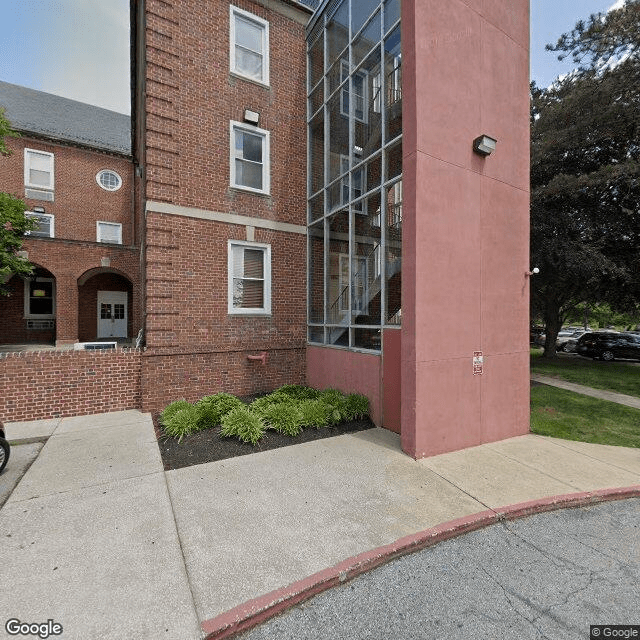
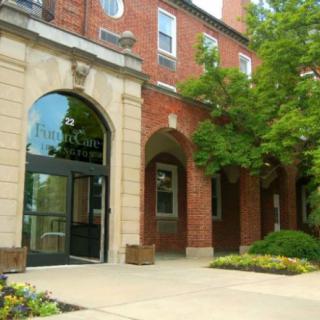
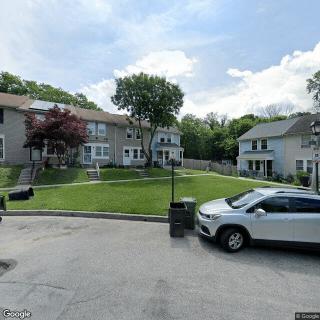
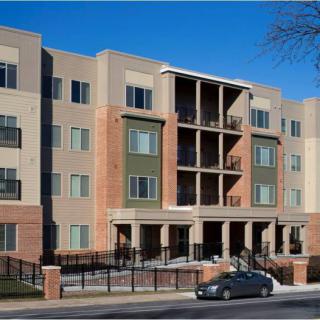
Irvington Knolls Care Ctr in Baltimore, MD
Save
22 S Athol Ave, Baltimore, MD 21229
For more information about senior living options: (844) 490-3973
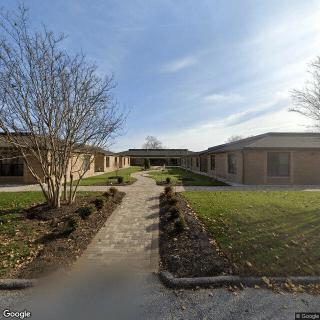
Irvington Knolls Care Ctr in Baltimore is best suited for families with a loved one who needs serious rehabilitation and pulmonary-care support, and who can commit to an active oversight role. The facility’s rehabilitation ecosystem, hospital-to-rehab type programming, access to physical therapy, occupational therapy, speech therapy, and respiratory care, positions it as a credible option for those pursuing meaningful recovery after a hospital stay. The environment itself tends to be clean, well kept, and welcoming, with a calm, orderly feel that reduces anxiety for residents and visiting families alike. For residents whose priority is a focused rehab trajectory and professional medical coordination, this community offers tangible assets that can drive real improvement.
Those who may want to consider alternatives should be mindful of daily-care realities that accompany a rehab-centric model. Chronic staffing gaps, heavy workloads on CNAs, and occasional concerns about bedside attentiveness are recurring themes in resident and family feedback. Several reviews describe 11-patient caseloads for aides, limited seating for aides and patients, and moments when RN or CNA help does not arrive promptly for heavy or urgent needs. For families prioritizing consistently attentive, around-the-clock personal care, or for residents who require on-demand assistance with basic ADLs, these concerns may outweigh the rehab strengths. Similarly, food quality and overall day-to-day comfort vary across experiences, with some residents reporting meals that miss nutritional goals or fail to meet expectations.
The key pros, cleanliness, a well-equipped rehab environment, and a team-based approach to therapy, often offset, at least in part, the main drawbacks when the focus is recovery. Positive remarks abound about the rehabilitation and clinical teams: dedicated therapists who push toward goals, nursing and therapy staff who engage with residents with warmth, and leaders who seem responsive to family concerns in many cases. Observations highlight a facility that maintains a spotless, inviting ambiance, with staff who are described as friendly, professional, and capable when the patient is in a rehabilitation phase. When the goal is rehab progression and medical stability, these elements can translate into real gains and a smoother overall experience.
However, the offset is not universal. Several reviews recount serious concerns about daily care quality, episodes of neglect, delays in basic assistance, and even situations described as demeaning or unsafe by family members. The contrast between high-quality rehab services and inconsistent bedside care creates a clear risk: a resident can progress on therapy while still facing frustrating gaps in everyday comfort, hygiene, and promptness of help. The presence of strong therapy teams does not automatically guarantee reliable assistance with meals, hydration, or in-bed repositioning, which are essential for long-term recovery and comfort. In short, rehab outcomes can be positive, but the daily lived experience for many residents depends heavily on staffing consistency and attentiveness.
Practical next steps are essential for families weighing this community. Schedule a full, multi-hour tour and observe shifts at different times to gauge staffing patterns first-hand. Speak directly with the nurse manager and front-line supervisors about patient-to-staff ratios, shift coverage on weekends, and plans to address known gaps. Request current meal plans and a sample day in the life of a resident, focusing on dining and in-room care. Ask about how therapy and nursing teams coordinate care plans, and who serves as a consistent point of contact for families (and how quickly concerns are addressed). Inquire about ongoing leadership and accountability, several reviews name specific administrators and frontline leaders; understanding who is currently steering the ship and how feedback is acted upon matters.
The bottom-line verdict favors this community for families prioritizing robust rehabilitation and a clean, respectful environment, provided there is an explicit plan to manage daily-care staffing and food quality. For residents whose needs extend beyond rehab into highly reliable daily assistance, or for those who cannot engage proactively with care decisions, exploring alternatives with stronger daily-care staffing history is prudent. If pursuing Irvington Knolls, go in with clear expectations and a structured family-communication plan: insist on transparent staffing metrics, demand timely assistance, review menus and nutrition care, and insist on a formal, documented care plan that ships with ongoing family input. With diligent oversight, the rehab strengths can be leveraged while mitigating the most consequential daily-care risks.
The Irvington Knolls Care Center in Baltimore, MD is an assisted living community that offers a range of amenities and care services for its residents. The community provides devotional services off-site for those who wish to practice their faith in a spiritual setting. Indoor common areas are available for socializing and relaxation, allowing residents to connect with one another.
One of the main focuses of the care center is providing specialized diabetic care. The staff is trained to assist residents with managing their diabetes, ensuring they receive the necessary support and attention to maintain their health and well-being.
In addition to the care services provided, there are various activities offered to engage residents and promote a vibrant lifestyle. Devotional activities offsite are organized for those interested in participating in religious events outside of the community.
The location of Irvington Knolls Care Center offers convenient access to nearby cafes, parks, pharmacies, physicians, restaurants, transportation options, and hospitals. This makes it easy for residents to enjoy outings and excursions, as well as access essential services and medical facilities.
Overall, Irvington Knolls Care Center strives to create a comfortable and enriching environment where seniors can receive quality care while enjoying a fulfilling lifestyle.
This area of Baltimore, Maryland offers a variety of healthcare options, with several medical centers and hospitals within a few miles. There are also numerous pharmacies for easy access to medications. In terms of dining options, there are fast food chains as well as local eateries to choose from. Additionally, there are cafes for socializing and enjoying a cup of coffee. For outdoor activities, there are parks nearby where one can relax and enjoy nature. Transportation options include train stations for convenient travel. There is also a place of worship for those seeking spiritual fulfillment. Overall, this area provides a mix of healthcare services, dining choices, recreational opportunities, and transportation options suitable for senior living.
Irvington Knolls Care Ctr is located at 22 S Athol Ave, Baltimore, MD 21229 in Baltimore city, Maryland
Navigating the Tax Landscape of Caregiving: Credits, Deductions, and Beyond

Caregiving for an aging parent entails emotional and financial responsibilities accompanied by significant tax implications, including potential benefits from claiming them as dependents and deductions for medical expenses and caregiving costs. Caregivers must understand eligibility requirements, maintain thorough documentation, and consider consulting a tax professional to navigate these complexities effectively.
Highly Beneficial Low-Impact Exercises for Senior Living Residents

Low-impact exercises are vital for seniors as they promote health, independence, and social interaction while reducing joint strain. These adaptable activities, guided by healthcare professionals, enhance strength, flexibility, and emotional well-being.
Is In-Home Healthcare Tax Deductible? Your Comprehensive Guide
The guide details the tax deductibility of in-home healthcare expenses according to IRS guidelines, differentiating between medically necessary services and non-medical assistance, while emphasizing the need for proper documentation and itemization requirements. It also highlights state-level variations, the importance of record-keeping, and encourages seeking professional tax help to understand evolving regulations.