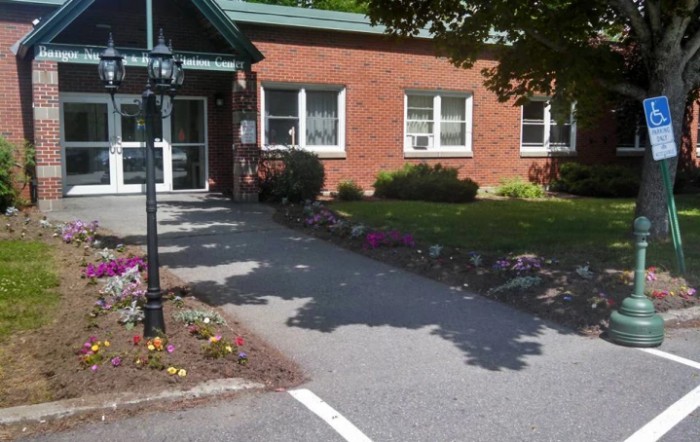












103 Texas Avenue, Bangor, ME 04401
For more information about senior living options: (866) 208-4318
Overall Review of Bangor Nursing & Rehabilitation
Pros
 The staff is wonderful.
- The nursing staff were fantastic in assisting the mother and answering questions.
- Brandon in admissions accommodated the mother immediately in a desperate situation.
- Amelia helped greatly improve the mother's strength in a short time so she could make the trip to Florida.
- The beauty shop on site is nice and affordable.
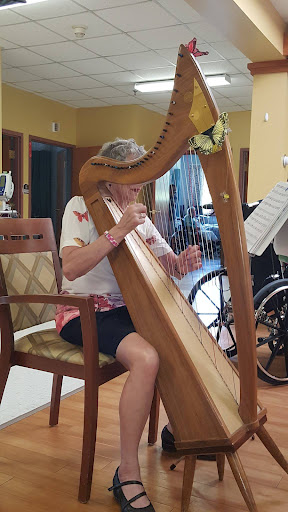
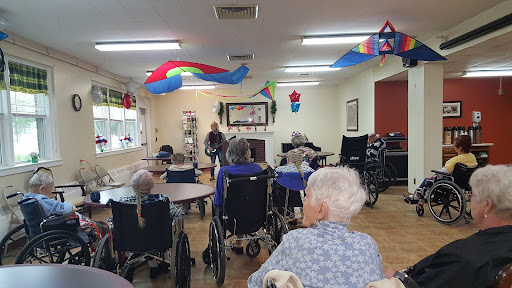
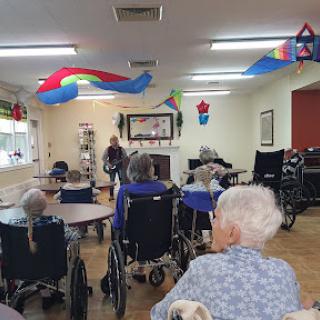
- The activities director is very good, and the food is very good.
Cons
 The facility does not answer the phone, leaving families waiting for contact for up to 30 minutes.
- They pressured families to sign papers consenting to psychoactive medications, which was refused.
- A resident’s bed broke and she was pinned, with no accessible call button and help arriving after more than 20 minutes.
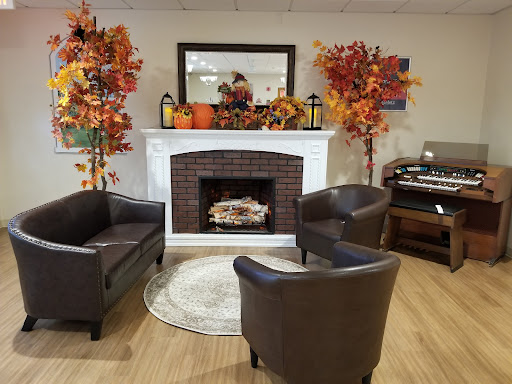
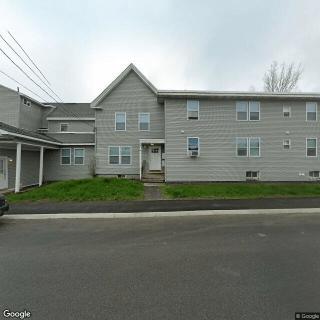
- The atmosphere is very depressing and the facility appears outdated with no updates since its military hospital days.
- Rooms are dark and dingy, and there is no recliner for the patient.
- The bathroom lacks shelves for toiletries, forcing items to be left on the floor.
- A nurse bullied a resident over medications and demanded to know where they were.
- The care is unacceptable and families are advised not to place loved ones there.
- Some residents are neglected, management misleads about help, and night-time nurses are disappearing, signaling possible closure.
- The staff has been described as rude and abusive in some instances, making residents feel unsafe.
- The office is filthy.
Review
Bangor Nursing & Rehabilitation is best suited for families that want a budget-conscious option where a core of longtime staff can deliver recognizable, personable care and where active daily routines are still valued. This community works best for loved ones whose families can stay closely involved, advocate consistently, and tolerate an older facility with pockets of quality care anchored in dedicated caregivers. It is not the right pick for those who require relentless, 24/7 safety monitoring, or for families seeking a modern, pristine environment with immediate responsiveness and flawless safety systems. For residents with high medical acuity or those who must rely on prompt call-light response, this community demands extra supervision from family or external care partners.
The strongest threads in favor of Bangor Nursing & Rehabilitation are the people who actually provide care. Several reviews highlight wonderful, caring staff who go the extra mile and a sense that some nurses and aides are truly committed, even if turnover remains a reality in the building. The admissions team is praised for responsiveness, and in meaningful moments staff members help residents regain strength and manage transitions, including coordinating moves to other states when needed. The presence of a capable activities director and a regular on-site beauty shop adds a humane, person-centered touch that can sustain dignity and routine for residents who value daily engagement and personal grooming. Food is frequently described as good, and the daily structure, dressing residents, encouraging participation in activities, and keeping a visible routine, can make life feel less institutional for some residents.
Yet the cons are consistently persuasive and hard to ignore. The most salient risk is safety and responsiveness: multiple accounts of delayed call-bell responses, a bed breaking and a resident being pinned, and a culture in which questions or concerns about medications can trigger intimidation rather than reassurance. A nurse allegedly bullied a resident over medication, an incident that speaks to deeper issues of trust and respect. An overall atmosphere described as depressing or aging, with rooms that feel dark and dingy, reinforces the sense that the facility’s physical environment and tone do not consistently support a feeling of safety or well-being. The building’s age shows in maintenance gaps, cleanliness concerns and a perception that not all spaces are kept up to standard, which can undermine confidence even when staff members are doing their best.
The heavy weight of these safety and environment concerns can, in many cases, offset the apparent benefits of long-tenured staff and attuned daily routines. For families who can actively supervise and escalate problems, the pros, in particular, empathetic frontline workers, reliable care coordination, and accessible on-site services, can mitigate some risk. However, the reality that some residents experience neglect or feel unsafe, alongside the reported turnover and a suggested lack of night staffing, creates a structural vulnerability that is hard to overlook. The combination of an older facility, inconsistent enforcement of safety and dignity norms, and rumors about impending staffing gaps or facility closure should be weighed against the declared strengths of individual caregivers and the value of routine, social engagement. For someone prioritizing a firm, 24/7 safety margin, this community likely falls short.
Families considering alternatives should press for concrete assurances before committing. Request current staff-to-resident ratios for day and night shifts, and ask to see recent inspection citations and corrective action plans. Observe a shift without advance notice to gauge responsiveness, call-bell effectiveness, and the cadence of nurse supervision. Probe how medication administration is supervised and how emergencies or medication questions are handled, ensuring there is a clear, respectful protocol that protects resident dignity. Tour both common areas and resident rooms at different times of day to assess cleanliness, lighting, and perceived safety. Speak candidly with residents and family members who have recent experience, seeking examples of how concerns were addressed and what changes occurred after those conversations. Finally, compare other local options with newer facilities, stronger staffing commitments, and demonstrated track records of consistent, respectful care.
In the end, Bangor Nursing & Rehabilitation presents a mixed proposition: it can deliver meaningful care when staffed by compassionate, experienced caregivers and when families stay actively engaged, but it also exposes residents to safety risks, an older, less polished environment, and occasions when management and responsiveness fall short. For families who can allocate time and energy to vigilant oversight, and who value a human-centric approach within a budget-conscious framework, this community has genuine potential. For those who cannot tolerate even intermittent lapses in safety, dignity, or cleanliness, or who demand a consistently updated facility with dependable night staffing, alternatives deserve careful comparison. The prudent path is to scrutinize current staffing stability, verify safety protocols in practice, and visit with a critical eye, then decide whether the payoffs of loyal staff and structured routines justify the enduring risks inherent in this facility.
 60 resident community capacity
 Skilled Nursing Facility
 Air-conditioning
 Beauty salon
 Cable or satellite TV
 Computer center
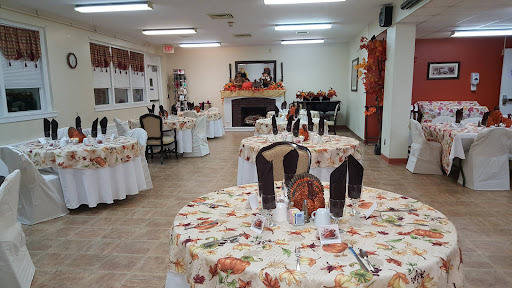
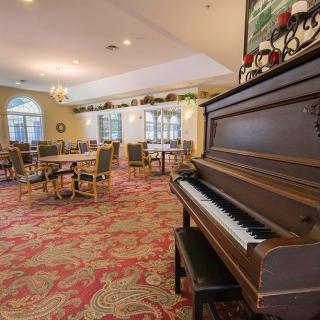
 Dining room
 Fitness room
 Fully furnished
 Gaming room
 Garden
 Housekeeping services
 Kitchenette
 Move-in coordination
 Outdoor space
 Private bathrooms
 Restaurant-style dining
 Small library
 Telephone
 Wellness center
 Wi-Fi/high-speed internet available
 Bangor International (1 miles away)
 Community operated transportation
 12-16 hour nursing
 24-hour call system
 Activities of daily living assistance
 Assistance with bathing
 Assistance with dressing
 Assistance with transfers
 Diabetes diet
 Medication management
 Mental wellness program
 Special dietary restrictions
 Concierge services
 Planned day trips

 Caring for Those Who Care: Recognizing, Understanding, and Overcoming Caregiver Burnout
 Caregiver Exhaustion: Recognizing the Signs and Restoring Your Well-Being
 Understanding Hospice Care at Home: Comprehensive Services, Key Benefits, and Eligibility