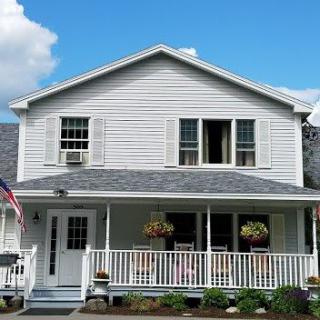
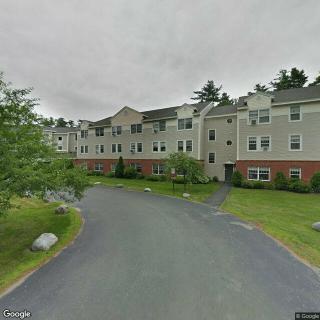
Union Street Group Home

689 Union Street, Bangor, ME 04401

For more information about senior living options: (844) 490-3973

3.5 from 48 reviews
5 stars
24
4 stars
5
3 stars
2
2 stars
4
1 stars
13

Assisted Living

Union Street Group Home Costs & Pricing

At Union Street Group Home, the costs of care reflect a commitment to quality and individualized support. For a semi-private room, residents can expect to pay $5,482 per month, which is notably higher than the average rates in Penobscot County ($4,485) and across Maine ($4,685). The situation is similar for private accommodations, where Union Street's rate of $6,578 surpasses both the county's average of $5,563 and the state's average of $4,625. These figures indicate that while Union Street Group Home may have higher monthly rates compared to regional counterparts, they likely offer enhanced services or amenities that justify this premium.

Floor plansUnion Street Group HomePenobscot CountyMaine
Semi-Private$5,482$4,485$4,685
Private$6,578$5,563$4,625

Overall Review of Union Street Group Home

Pros

  • pro It is a great shelter.
  • pro The place is amazing and helpful, and it has improved many lives.
  • pro It helps youth and provides a safe, supportive environment for teens.
  • pro It is a good place to volunteer and it helps the homeless.
  • pro It does wonderful things for young people in need.
  • pro The staff are polite and willing to help anyone.

Cons

  • pro The place is not a great place; it sucks and allows people to get away with too much.
  • pro The shelter is unlivable.
  • pro The shelter has relaxed rules and seems indifferent to residents' behavior, potentially housing runaway youths.
  • pro The shelter is not very helpful.
  • pro There is no supervision or accountability for residents; it's described as a joke.
  • pro The exterior around the facility is filthy, with trash, used condoms, tampons, and cigarette butts, with no repercussions for misconduct.
  • pro The shelter does not prevent homelessness and may contribute to it.
  • pro The shelter is disgusting and lacks knowledge.
  • pro Shaw House does not do enough beyond housing children and teaches little about manners.

Review

The collection of impressions about Shaw House paints a picture of a program that sparks strong feelings on both ends of the spectrum. Some people sing its praises as a lifeline for teens and young adults in crisis, praising the sense of purpose, the housing support, and the pathways to education and employment. Others condemn it as chaotic, poorly supervised, and ineffective at meeting its stated goals, with a sense of danger or neglect coloring their experiences. Taken together, the reviews reveal a facility that clearly can be a turning point for some while feeling like a source of frustration, fear, or disappointment for others.

Several accounts describe a tense, even frightening interaction with someone connected to Shaw House. One review characterizes a threatening incident involving a manager who allegedly escorted a client, left a threatening note on a doorstop, and followed the reviewer's car while threatening to call the police on a warrant "out of Mississippi." It's the kind of tale that leaves a reader unsettled about safety and boundaries, especially when paired with other statements like "I don't have any flipping me off." That kind of report stands in stark contrast to the more positive depictions of the shelter, signaling a deep divide in how people experience the environment and the people managing it.

On the more practical side of the shelter experience, there are very mixed reports about access and eligibility. One reviewer recounts being told there was a bed available but that they were never given a clear reason for denial, even as they explained they were about to become homeless in hours. They reported being told to wait for a supervisor, only to be told later that there was no bed after all. In their words, it felt like an empty promise that left them without shelter when they needed it most, underscoring a perception that the process can be opaque or inconsistent.

The sentiment about the place ranges from "unlivable" to "great shelter" in quick succession. Some readers describe the facility as terrible, while others insist it's a great place for teens in need and even say that it helps them work toward housing, education, and future jobs. A few reviewers acknowledge the challenges of running a program like Shaw House but still feel the positive impact - food being mentioned as a small bright spot, and the shelter's role in providing structure and opportunities for some residents to move forward.

There are recurring themes of transformation and struggle. One glowing account emphasizes that Shaw House is an "amazing and helpful place," noting that it provides crucial support for youth who are dealing with stress and the heavy responsibilities that come with living in such a program. The reviewer asserts that the staff and the structure don't just keep residents fed and housed; they push them toward better life outcomes, even though the environment can be demanding or stressful for those who are managing the program and the residents. This tone suggests that for some, the intensity and accountability within Shaw House can be the very thing that helps them grow.

Another positive voice highlights Shaw House as a place where troubled teens can start anew, receive help with social distancing, and experience polite, willing staff ready to assist anyone who calls. The message is direct: contact Shaw House if you need help, because the people there are described as warm and committed to making a difference in teens' lives, even if the process is not always easy or flawless.

But the chorus of criticism cannot be ignored. Several reviews target the perceived laxity of rules, a sense that discipline and accountability are not consistently enforced, and a belief that the shelter relies too heavily on relying on parental or external oversight rather than providing robust in-house guidance. One harsh description claims that the shelter's rules are "relaxed" and that staff "could care less" what a resident does, including troubling scenarios like a runaway ending up at Shaw House. Another reviewer paints Shaw House as a magnet for disobedience, arguing that it sometimes becomes a place for teens to stretch limits rather than receive constructive intervention.

There are visceral expressions of frustration about safety, cleanliness, and supervision. A review laments the street scene in front of the shelter, filled with trash, used condoms, and smoking by teens, with a sense of no consequences or real supervision. Another harsh critique accuses Shaw House of contributing to broader social problems rather than solving them, describing it as a waste of tax dollars and donations and insisting that the facility does not teach or guide youth in meaningful ways. The sense conveyed is that for some detractors, the program is more a staging ground for misbehavior than a platform for real growth.

A smaller subset of comments is discordant with both extremes - acknowledging the value of giving shelter to those in need while calling for significant improvements. One reviewer simply states that the place does wonderful things for young people in need, and another notes that volunteering there is a meaningful way to contribute to the homeless and those struggling with life transitions. These perspectives remind readers that, even amid controversy, there are real people who see Shaw House as a place where people can find the resources they need to move forward.

In sum, Shaw House emerges as a facility of paradoxes: it can be a lifeline for some, offering housing, education, and a pathway toward employment; it can also feel unsafe, disorganized, and unsupportive to others. Some residents and families describe meaningful progress, accountability, and a sense of community that helps youths stabilize and grow. Others recount incidents of fear, dissatisfaction with access procedures, perceived lax supervision, and concerns about safety and the environment around the building. The overlapping narratives suggest that the effectiveness and experience of Shaw House depend heavily on individual circumstances, staff dynamics, and perhaps the specific mix of residents at any given time.

Features

Housing

  • 3 resident community capacity 3 resident community capacity

Types of Care

  • Assisted Living Assisted LivingAssisted living facilities provide crucial support and care for seniors who may need help with daily tasks such as medication management, bathing, and meal preparation. These communities offer a safe and comfortable environment where seniors can maintain their independence while receiving the assistance they need to thrive in their golden years.

Amenities

  • Cable or satellite TV Cable or satellite TVCable or satellite TV is important for seniors because it provides entertainment, news, and companionship, helping to combat loneliness and boredom. It also offers a wide range of programming options tailored to different interests and preferences.
  • Dining room Dining roomDining rooms are important for seniors as they provide a space for socialization, connection, and nutritious meals. They offer opportunities for residents to bond over shared meals, foster a sense of community, and promote healthy eating habits. Dining rooms also ensure that seniors have access to well-balanced meals tailored to their dietary needs and preferences.
  • Fully furnished Fully furnishedFully furnished senior living communities are important for seniors because they provide convenience, comfort, and a hassle-free moving experience. Seniors can easily settle into their new living space without the stress of having to buy and move furniture. This allows them to focus on enjoying their new home and community.
  • Garden GardenGardens are important for seniors as they provide a peaceful and therapeutic environment for relaxation, physical activity, and socialization. Being in nature has been shown to reduce stress, improve mood, and promote overall well-being. Gardens also offer opportunities for seniors to engage in gardening activities, which can improve mobility, flexibility, and cognitive function. Additionally, gardens create a sense of community and connection with others who share a passion for plants and outdoor spaces.
  • Housekeeping services Housekeeping servicesHousekeeping services are important for seniors because they help maintain a clean and safe living environment, promote independence, and reduce the risk of accidents or illnesses. Additionally, having assistance with household chores can alleviate physical strain and allow seniors to focus on other aspects of their well-being.
  • Move-in coordination Move-in coordinationMove-in coordination is important for seniors because it helps ease the transition into their new living environment. It ensures that all logistics, such as packing, organizing movers, and setting up utilities are taken care of, allowing seniors to focus on settling in and adjusting to their new home. Having a smooth move-in process can alleviate stress and anxiety, making the transition smoother and more enjoyable for seniors.
  • Outdoor space Outdoor spaceOutdoor spaces are important for seniors as they provide opportunities for physical activity, social interaction, exposure to natural light and fresh air, and a sense of connection to nature. Having access to outdoor spaces can improve overall well-being and quality of life for older adults living in senior communities.
  • Telephone TelephoneTelephones are important for seniors as they provide a lifeline for communication with loved ones, emergency services, and healthcare providers. They offer a sense of security and independence, enabling seniors to stay connected and access assistance when needed.
  • Wi-Fi/high-speed internet available Wi-Fi/high-speed internet availableWi-Fi/high-speed internet is important for seniors to stay connected with loved ones, access online resources, and participate in virtual activities to combat feelings of loneliness and isolation. It also allows them to easily manage healthcare needs, access entertainment, and engage in lifelong learning opportunities.

Transportation

  • Bangor International (2 miles away) Bangor International (2 miles away)

Care Services

  • 24-hour supervision 24-hour supervision24-hour supervision is important for seniors to ensure their safety, well-being, and access to immediate assistance in case of emergencies or health issues. This constant support provides peace of mind for both seniors and their loved ones, allowing them to age in place with dignity and security.
  • Activities of daily living assistance Activities of daily living assistanceActivities of daily living assistance are important for seniors because they provide essential support with tasks such as eating, bathing, dressing, and mobility. This assistance helps seniors maintain their independence, dignity, and overall quality of life as they age.
  • Assistance with bathing Assistance with bathingAssistance with bathing is crucial for seniors as it helps maintain personal hygiene, prevents infections, and ensures their overall well-being and comfort. It also provides a sense of dignity and independence for seniors who may struggle with this task on their own.
  • Assistance with dressing Assistance with dressingAssistance with dressing is important for seniors because it helps maintain their independence, promotes personal hygiene, prevents accidents and injuries, and improves overall quality of life. This service ensures that seniors can continue to dress comfortably and confidently, despite any physical limitations they may have.
  • Assistance with transfers Assistance with transfersAssistance with transfers is crucial for seniors as it helps prevent falls and injuries, maintains their independence, and ensures they can safely navigate their living environment. It also provides peace of mind for both seniors and their loved ones.
  • Coordination with health care providers Coordination with health care providersCoordination with health care providers is crucial for seniors to ensure proper medical care, medication management, and overall well-being. This collaboration helps prevent overlapping treatments, track progress more effectively, and provide comprehensive support tailored to individual needs.
  • Diabetes diet Diabetes dietA diabetes diet is crucial for seniors as it helps manage blood sugar levels, reduce risks of complications, and improve overall health and well-being. By following a balanced and nutritious diet tailored to their specific needs, seniors can better control their diabetes and enhance their quality of life.
  • Meal preparation and service Meal preparation and serviceMeal preparation and service are crucial for seniors as they may have limited mobility or energy to cook nutritious meals. Having access to healthy and convenient food options can ensure they are getting the proper nutrition needed to maintain their overall health and well-being.
  • Medication management Medication managementMedication management is crucial for seniors to ensure they are taking the right medications at the correct dosages and times. This helps prevent adverse drug interactions, reduces the risk of medication errors, and promotes overall health and well-being. Proactive management also allows for adjustments as needed based on changing health conditions or new prescriptions.
  • Special dietary restrictions Special dietary restrictionsSpecial dietary restrictions are important for seniors because age-related changes in metabolism and health conditions can make it difficult for their bodies to process certain foods. By following a diet tailored to their specific needs, seniors can maintain their overall health and well-being, manage chronic conditions, and reduce the risk of complications such as malnutrition or food interactions with medications.
  • Transportation arrangement (medical) Transportation arrangement (medical)Transportation arrangements for medical purposes are essential for seniors as they may have difficulty driving themselves to appointments or accessing public transportation. Having reliable and safe transportation options ensures that seniors can receive timely medical care and maintain their health and well-being.
  • Transportation to doctors appointments Transportation to doctors appointmentsTransportation to doctors' appointments is crucial for seniors as it ensures they have access to necessary medical care and support for their health needs. Without reliable transportation, seniors may struggle to attend important appointments, leading to potential delays in treatment and health complications. Providing transportation services helps seniors maintain their overall well-being and quality of life.

Dining

  • Diabetes diet Diabetes dietA diabetes diet is crucial for seniors as it helps manage blood sugar levels, reduce risks of complications, and improve overall health and well-being. By following a balanced and nutritious diet tailored to their specific needs, seniors can better control their diabetes and enhance their quality of life.
  • Special dietary restrictions Special dietary restrictionsSpecial dietary restrictions are important for seniors because age-related changes in metabolism and health conditions can make it difficult for their bodies to process certain foods. By following a diet tailored to their specific needs, seniors can maintain their overall health and well-being, manage chronic conditions, and reduce the risk of complications such as malnutrition or food interactions with medications.

Activities

  • Community-sponsored activities Community-sponsored activitiesCommunity-sponsored activities are important for seniors as they provide opportunities for social interaction, mental stimulation, and physical activity. These activities can help improve overall well-being, combat loneliness and isolation, and promote a sense of belonging and purpose among older adults.
  • Scheduled daily activities Scheduled daily activitiesScheduled daily activities are important for seniors because they provide structure, socialization, mental stimulation, and physical activity. Engaging in regular activities can improve overall well-being and quality of life for seniors living in a community setting.

Description

Union Street Group Home in Bangor, ME is a comfortable and inviting assisted living community that offers a range of amenities and care services to ensure the well-being and convenience of its residents. The community features a spacious dining room where residents can enjoy delicious meals prepared by our experienced staff. The fully furnished accommodations provide a welcoming atmosphere for individuals to make their own.

Our group home also boasts a beautiful garden and outdoor space, allowing residents to enjoy fresh air and engage in outdoor activities. Housekeeping services are provided to maintain cleanliness and tidiness throughout the community. Residents can stay connected with friends and family through the available telephone and Wi-Fi/high-speed internet services.

Our dedicated staff is committed to assisting residents with their daily needs, including bathing, dressing, and transfers. We coordinate with health care providers to ensure that each resident's medical needs are consistently met. Our team assists with medication management and follows specific dietary restrictions such as diabetes diets or special dietary requirements.

Transportation arrangements for medical appointments are readily available, ensuring that residents have convenient access to healthcare services when needed. In addition, we organize transportation to doctors' appointments for added ease and convenience.

Residents at Union Street Group Home can enjoy a variety of scheduled daily activities aimed at promoting socialization, engagement, and overall well-being. With two nearby cafés, three parks, 12 pharmacies, 37 physicians, 26 restaurants, eight transportation options, two places of worship, one theater nearby, and nine hospitals conveniently located in the area, residents have easy access to various amenities within close proximity.

Overall, Union Street Group Home provides a warm and caring environment where residents receive personalized assistance while enjoying an array of amenities designed for comfort and convenience.

Nearby Places of Interest

Pharmacies

  • Walgreens (0.3 miles)
  • Westgate Pharmacy (0.5 miles)
  • PCHC - Penobscot Community Health Center Pharmacy (0.8 miles)
  • Pchc Pharmacies (0.8 miles)
  • Affiliated Pharmacy Service (1 miles)
  • Hannaford Pharmacy (1 miles)
  • Walgreens (1.2 miles)

Physicians

  • Eastern Maine Eye Associates P.a (0.4 miles)
  • Ent Northern Lights Bangor (0.5 miles)
  • EMMC Diabetes, Endocrine and Nutrition and Diabetes Specialists (0.5 miles)
  • Eastern Maine Otolaryngology (0.5 miles)
  • Diabetes and Nutrition Center (0.5 miles)
  • Brewer Medical Center (0.6 miles)
  • PCHC Medical Specialists (0.7 miles)

Parks

  • City of Bangor Parks & Recreation (0.5 miles)
  • Chapin Park (1.6 miles)
  • Bangor Dog Park (1.7 miles)

Transportation

  • Dick's Taxi (0.7 miles)
  • Car Rental Bangor (1 miles)
  • Dl6219 Bgr-Lga (1 miles)
  • Bangor Airport baggage claim (1.1 miles)
  • Bangor International Airport (BGR) (1.1 miles)
  • Uhaul (1.5 miles)
  • U-Haul Moving & Storage (1.9 miles)

Restaurants

  • Angelos Pizzeria (0.7 miles)
  • Wendy's (0.8 miles)
  • McDonald's (0.9 miles)
  • Subway (1 miles)
  • McDonald's (1.2 miles)
  • Dorr Lobster Seafood Market (1.2 miles)
  • Pizza Hut (1.2 miles)

Hospitals

  • Penobscot Community Health Center (0.9 miles)
  • St Joseph CBO (1.1 miles)
  • Eastern Maine Medical Center (1.1 miles)
  • St Joseph Hospital (1.2 miles)
  • St Joseph Healthcare Park (1.2 miles)
  • Eastern Maine Healthcare Systems (1.5 miles)
  • Northern Light Acadia Hospital (1.7 miles)

Cafes

  • Tim Hortons (1.2 miles)
  • West Market Square Artisan Coffeehouse (1.3 miles)

Theaters

  • Queen City Cinema Club (1.3 miles)

Places of Worship

  • First United Methodist Church (1.6 miles)
  • Glad Tidings Church (1.7 miles)

Frequently Asked Questions

How much does it cost to live at Union Street Group Home in Bangor, ME?
Where is Union Street Group Home?

Nearby Communities

Related Resources

  • assisted living vs nursing homeChoosing the Right Senior Care: A Detailed Exploration of Assisted Living and Nursing Homes

    Choosing between assisted living and nursing homes involves evaluating emotional and financial factors, with assisted living offering independence and support for daily activities at a lower cost, while nursing homes provide intensive medical care for individuals with significant health needs. The decision is influenced by personal preferences, health status, cognitive function, and varying Medicaid coverage across states.

  • assisted living costUnderstanding the True Cost of Assisted Living in 2025: A Comprehensive Guide

    Assisted living in 2025 offers a crucial balance of independence and support for seniors, with costs varying from $2,500 to over $7,000 per month based on factors such as location and care level. Understanding pricing complexities, including regional differences and potential hidden fees, is essential for families to plan financially while ensuring quality care for their loved ones.

  • does medicaid pay for assisted livingUnderstanding Medicaid Coverage for Assisted Living: A Comprehensive Guide

    The guide outlines the complexities of Medicaid coverage for assisted living, highlighting significant state-to-state variations, limited coverage often restricted to personal care services, and the existence of specialized waivers for certain needs like memory care. It advises families to consult local Medicaid offices for options while emphasizing the importance of understanding state-specific regulations and facility policies.