
532 Union Street, Bangor, ME 04401
For more information about senior living options: (866) 208-4318
Overall Review of Angel Haven Assisted Living
Pros
 He cleaned the bathroom, the common room, and the kitchen, which they loved.
 - He contributed by helping with household cleaning, a positive effort that was appreciated.
- His involvement in maintaining shared spaces showed responsibility.
Cons
 The administrator and staff did not follow up on promises of home cooked meals and quality care.
- The dad was fed cold sandwiches, Kool-Aid and potato chips daily, while the CNA ate fresh, hot takeout pizza, smoked on the stoop, and played on her phone.
- The promised short walks around the neighborhood never happened (the dad had dementia and was afraid of getting lost).
- This was more of a "group home" than an AL facility.
Review
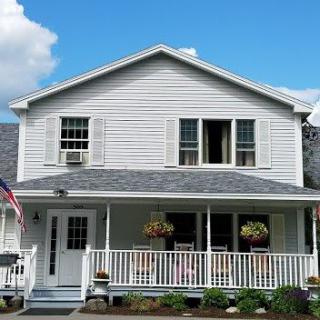
Angel Haven Assisted Living in Bangor is best suited for residents who can accept a small, home‑like setting with limited daily oversight, and who have serious family involvement to compensate for uneven staff coverage. The available account portrays a facility that operates more like a private group home than a professional assisted living community, a distinction that matters for those evaluating safety nets, accountability, and predictable routines. For seniors who require reliable, consistent meals, proactive care, and structured activities designed around dementia or mobility needs, this option does not meet those baseline expectations. In short, it is a fit only for families willing to supervise closely and tolerate significant gaps in everyday care.
Those considering alternatives should prioritize communities with clear, demonstrated commitments to reliable meals, responsive care plans, and proactive safety measures. If the goal is to avoid repeated assurances that never materialize, it is prudent to look for facilities with verifiable meal programs, documented staffing schedules, and a track record of engaging residents in supervised activities and movement. For residents with dementia or mobility challenges, a facility that can point to regular, supervised walks, safe wandering protocols, and staff available to assist during transitions is essential. In Bangor, there are options that prioritize professional staffing, performance-based promises, and observable daily supervision, criteria this setting appears to struggle to meet.
The most troubling aspect of the account centers on care quality and nourishment. Promises of home‑cooked meals and quality care were reportedly unfulfilled, with daily fare consisting of cold sandwiches, Kool‑Aid, and potato chips. While a CNA was observed to enjoy fresh pizza and leisure time, that personal perk does not translate into reliable, resident-focused service. The implication is not simply a dietary shortfall; it signals a broader pattern of inconsistent attention to the resident’s basic needs. When meals become a reliability risk and quality care is negotiable, the core expectation of an assisted living environment, consistency and warmth, evaporates.
Safety and meaningful engagement emerge as additional red flags. The resident’s dementia and fear of getting lost require consistent handling, yet the promised opportunities for short neighborhood walks were never realized. Instead of a structured, supportive program that protects residents while promoting independence, the account points to a setting that can resemble a passive, low‑interaction environment. The result is a daily life that feels reactive rather than proactive, more custodial than therapeutic, with little evidence of deliberate attempts to reduce isolation, manage wandering risk, or provide purposeful activity.
In terms of balancing any potential strengths against these dominant drawbacks, the positives are effectively overwhelmed. If one looks for a “homey” atmosphere or a low‑key vibe, this facility may superficially appear appealing; however, the absence of reliable meals, consistent care, and safety-focused engagement undermines any such impression. The negative indicators, unkept promises, uneven staff presence, and care that depends on resident labor rather than professional support, set a high bar for what families should expect from an assisted living arrangement. There is little in the account to suggest meaningful offset from the main drawbacks.
The practical path forward is straightforward. Prospective families should conduct a rigorous, in‑person evaluation focusing on three pillars: meal service quality and consistency, staffing ratios and responsiveness, and dementia/safety protocols including supervised activity and secure mobility options. Request a current menu, a caregiver schedule, and a tour of the dining and common areas during peak hours. Bring questions about how and when walks are scheduled, how wandering risks are mitigated, and what happens when a resident vocalizes unmet needs. If those elements do not meet a resident’s minimal expectations for dignity, safety, and daily structure, alternatives, preferably with proven meal programs, reliable staffing, and documented engagement, will serve the resident and family far better in the long run.
 6 resident community capacity
 Assisted Living
 Cable or satellite TV
 Dining room
 Fully furnished
 Garden
 Housekeeping services
 Move-in coordination
 Outdoor space
 Telephone
 Wi-Fi/high-speed internet available
 Bangor International (2 miles away)
 24-hour supervision
 Activities of daily living assistance
 Assistance with bathing
 Assistance with dressing
 Assistance with transfers
 Diabetes diet
 Meal preparation and service
 Medication management
 Special dietary restrictions
 Transportation arrangement (medical)
 Transportation to doctors appointments

 Senior Transition Services: Understanding Their Role, Cost, and Importance
 Exploring the Path to Senior Living: A Comprehensive Look at Independent Living and Assisted Living
 Is Assisted Living Deductible on Your Taxes? Understanding the Complexities of Assisted Living Expenses and Deductions