Westgate Center For Rehab & Alzheimers Care Costs & Pricing
At Westgate Center for Rehab & Alzheimer's Care, the monthly cost for a private room is set at $5,955. This figure reflects a premium that positions it slightly above the average rate in Penobscot County, which stands at $5,563. In contrast to the broader financial landscape of Maine, where the average cost for similar accommodations is notably lower at $4,625, Westgate's pricing underscores its commitment to providing specialized care and services tailored to residents with rehabilitation and Alzheimer's needs. While this investment may be higher than some alternatives in the region, it often translates into enhanced quality of life and dedicated support for individuals facing these challenging conditions.
Floor plans
Westgate Center For Rehab & Alzheimers Care
Penobscot County
Maine
Private
$5,955
$5,563
$4,625
Skilled Nursing Facilities with a similar price nearby
Overall Review of Westgate Center For Rehab & Alzheimers Care
differentiator4 reviews mention this
Dementia care feels well supervised
Residents and families describe dementia care as attentive, respectful, and closely supervised.
Multiple reviews mention Alzheimer’s or dementia care in a way that focuses on supervision and comfort, including a lockdown unit where residents seem safe. One review also describes an enclosed outdoor space designed for residents to spend time outside. Residents’ family members repeatedly mention staff treating people with dignity and doing what’s needed for care day to day.
common20 reviews mention this
Caring staff and dignity stand out
Staff compassion, kindness, and respect are the most consistent praise across reviews.
Across reviews, families describe staff as loving, respectful, and attentive, often emphasizing dignity during care and visits. Several reviewers say the staff made them feel welcome and treated residents like family. Even when describing challenges, one review frames the staff as making a difficult situation as good as it can be, which reinforces how central staff interactions are for residents and visitors.
common5 reviews mention this
Cleanliness and comfort get noticed
Reviews consistently highlight cleanliness and a comfortable environment.
Several reviewers specifically call out how clean the center looked, smelled, and felt during visits or stays. Families also mention rooms being well cared for and describe the facility as clean and pleasant. At least one review notes recent updates like replaced flooring, tying cleanliness to the overall feel of the space.
common2 reviews mention this
Rehab therapy support is praised
Families describe rehab therapy as well organized and focused on getting residents home safely.
Reviews mention short-term rehab experiences where physical, occupational, and speech therapy supported recovery after surgery. One family member credits social services with arranging an organized path for home care after the stay. Another review also describes it as an excellent rehabilitation center with very nice caregiving.
caveat2 reviews mention this
Understaffing and management concerns
A portion of reviews raise concerns about staffing levels and management support.
Some reviews criticize staffing, including one that says the facility is always understaffed and describes unsafe or disruptive conditions on certain units. Another negative review also claims unkind treatment and inadequate support that leaves residents vulnerable and families unhappy with the care. These comments stand out because the majority of reviews focus on kindness and attentiveness rather than workflow or oversight problems.
How we summarize
Counts show how many written reviews mention each theme; a review can touch several themes, and only frequently mentioned themes are displayed.
Features
Housing
39 resident community capacity
Types of Care
Assisted Living
Memory Care
Skilled Nursing Facility
Amenities
Beauty salon
Cable or satellite TV
Dining room
Fully furnished
Garden
Housekeeping services
Kitchenette
Move-in coordination
Outdoor space
Private
Telephone
Wi-Fi/high-speed internet available
Transportation
Bangor International (1 miles away)
Care Services
24-hour call system
24-hour supervision
Activities of daily living assistance
Assistance with bathing
Assistance with dressing
Assistance with transfers
Coordination with health care providers
Diabetes diet
Meal preparation and service
Medication management
Mental wellness program
Special dietary restrictions
Transportation arrangement (medical)
Transportation to doctors appointments
Dining
Diabetes diet
Special dietary restrictions
Activities
Community-sponsored activities
Scheduled daily activities
Nearby Places of Interest
Physicians
Eastern Maine Eye Associates P.a (0.3 miles)
Ent Northern Lights Bangor (0.4 miles)
EMMC Diabetes, Endocrine and Nutrition and Diabetes Specialists (0.4 miles)
Eastern Maine Otolaryngology (0.4 miles)
Diabetes and Nutrition Center (0.4 miles)
Brewer Medical Center (0.5 miles)
PCHC Medical Specialists (0.6 miles)
Pharmacies
Westgate Pharmacy (0.4 miles)
Walgreens (0.4 miles)
PCHC - Penobscot Community Health Center Pharmacy (0.6 miles)
Pchc Pharmacies (0.6 miles)
Affiliated Pharmacy Service (0.9 miles)
Hannaford Pharmacy (0.9 miles)
Walgreens (1.3 miles)
Parks
City of Bangor Parks & Recreation (0.6 miles)
Chapin Park (1.8 miles)
Bangor Dog Park (1.9 miles)
Restaurants
Wendy's (0.7 miles)
McDonald's (0.8 miles)
Angelos Pizzeria (0.8 miles)
Subway (0.9 miles)
McDonald's (1.3 miles)
Dorr Lobster Seafood Market (1.3 miles)
Pizza Hut (1.3 miles)
Hospitals
Penobscot Community Health Center (0.8 miles)
Eastern Maine Medical Center (1.2 miles)
St Joseph CBO (1.3 miles)
St Joseph Hospital (1.4 miles)
St Joseph Healthcare Park (1.4 miles)
Eastern Maine Healthcare Systems (1.6 miles)
Northern Light Acadia Hospital (1.9 miles)
Transportation
Dick's Taxi (0.8 miles)
Car Rental Bangor (0.8 miles)
Dl6219 Bgr-Lga (0.9 miles)
Bangor Airport baggage claim (0.9 miles)
Bangor International Airport (BGR) (0.9 miles)
Uhaul (1.6 miles)
U-Haul Moving & Storage (1.8 miles)
Cafes
Tim Hortons (1.3 miles)
West Market Square Artisan Coffeehouse (1.5 miles)
At Westgate Center for Rehab & Alzheimer's Care, the monthly cost for a private room is set at $5,955. This figure reflects a premium that positions it slightly above the average rate in Penobscot County, which stands at $5,563. In contrast to the broader financial landscape of Maine, where the average cost for similar accommodations is notably lower at $4,625, Westgate's pricing underscores its commitment to providing specialized care and services tailored to residents with rehabilitation and Alzheimer's needs. While this investment may be higher than some alternatives in the region, it often translates into enhanced quality of life and dedicated support for individuals facing these challenging conditions.
The features offered at Westgate Center for Rehab & Alzheimer's Care are integral to supporting residents with dementia and Alzheimer's disease in their daily lives. Assistance with dressing and bathing ensures that individuals maintain personal hygiene and dignity, while medication management helps prevent confusion and ensures proper adherence to prescribed treatments. Meal preparation focused on nutritional needs is vital for physical health, complemented by transportation arrangements that facilitate necessary medical appointments. Coordination with healthcare providers enhances overall care, ensuring comprehensive management of medical conditions. Activities of daily living assistance, along with 24-hour supervision, fosters a safe environment where residents can retain as much independence as possible while receiving necessary support. Finally, a mental wellness program promotes cognitive engagement and emotional well-being, addressing the unique challenges faced by those living with memory-related disorders.
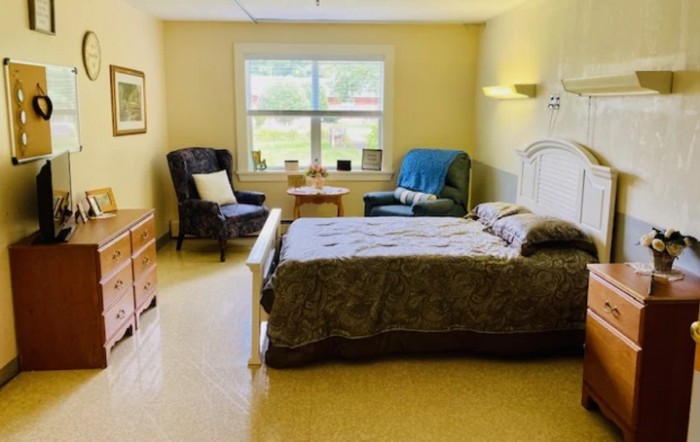
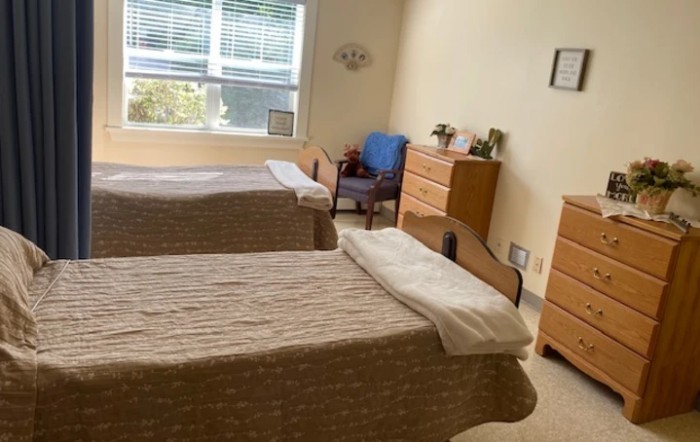
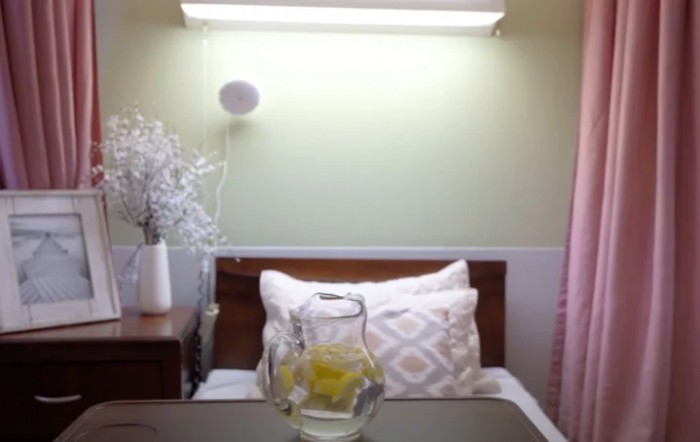
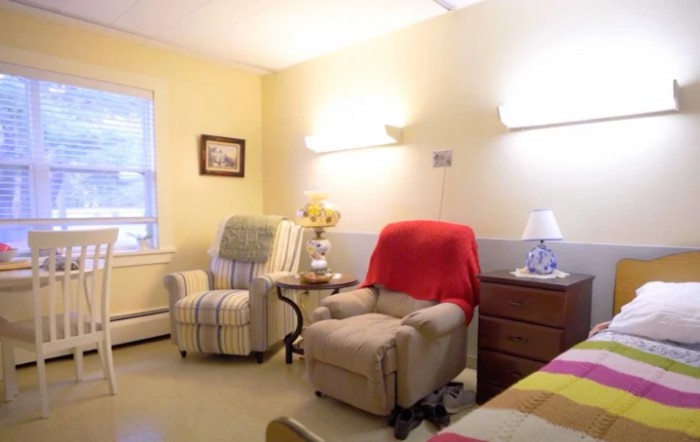
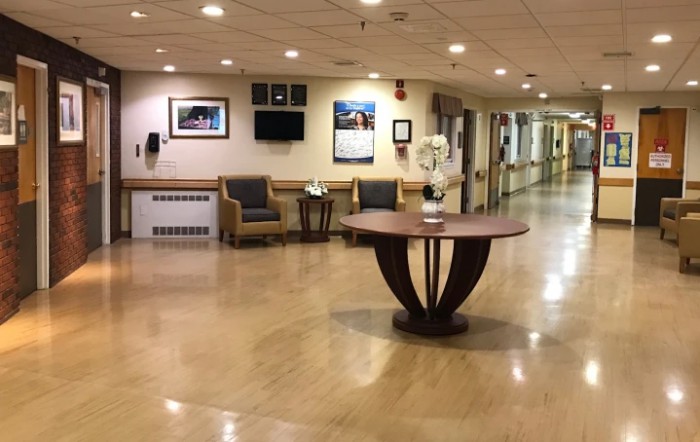
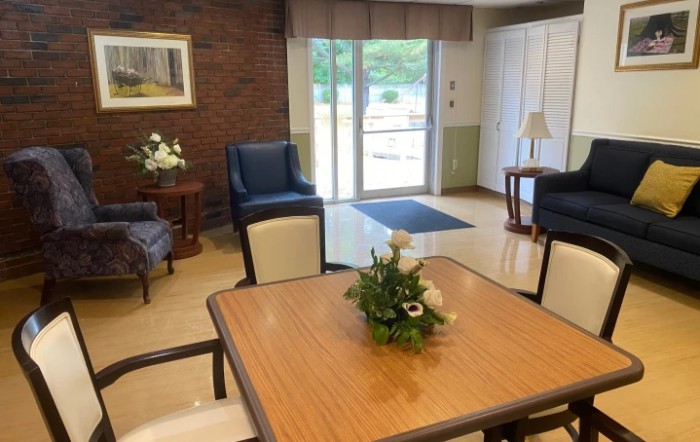
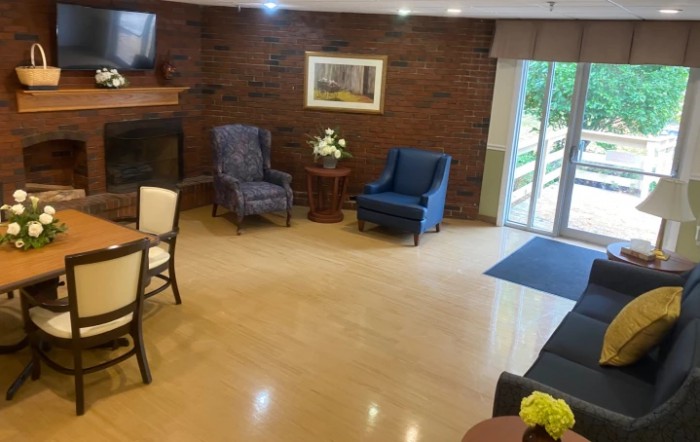
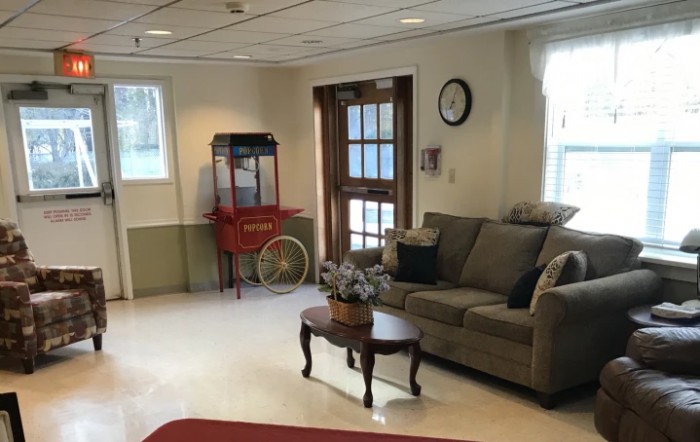
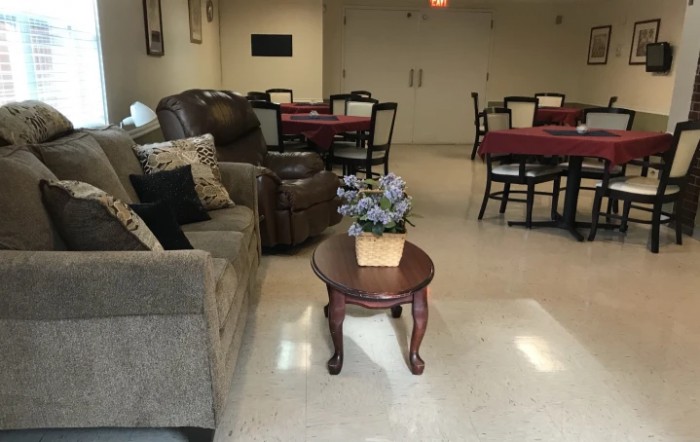
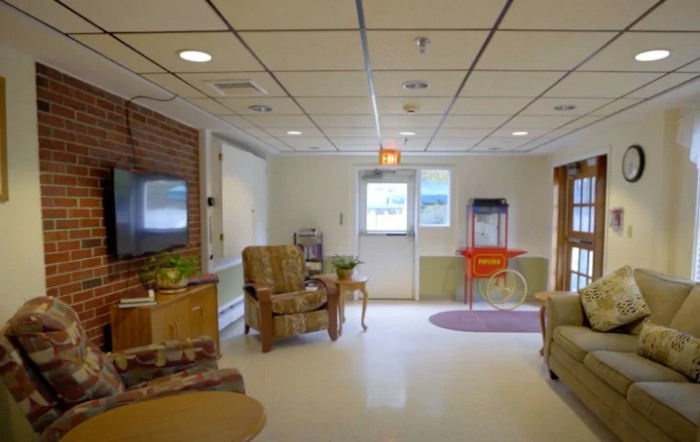
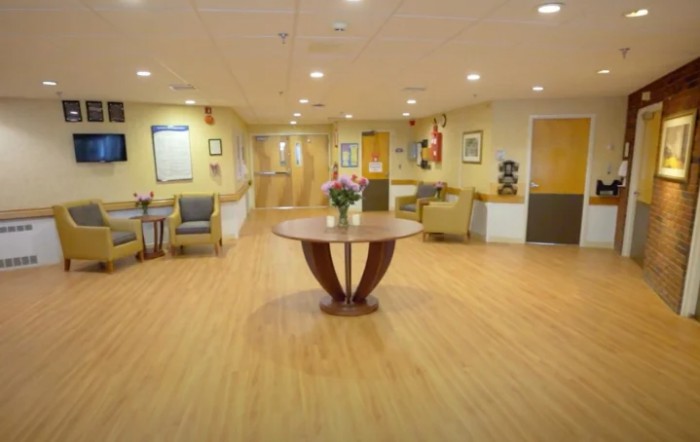
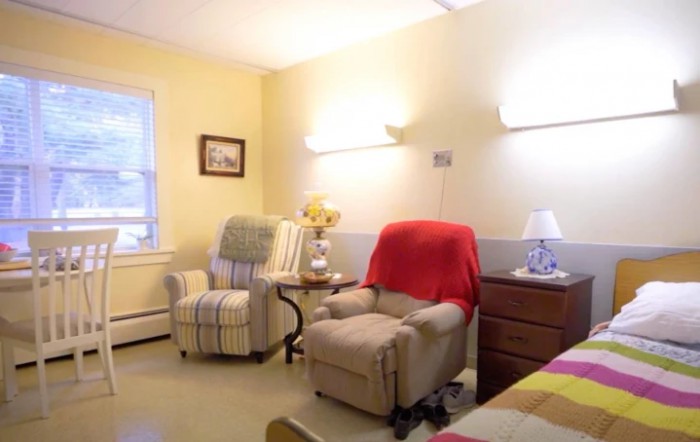
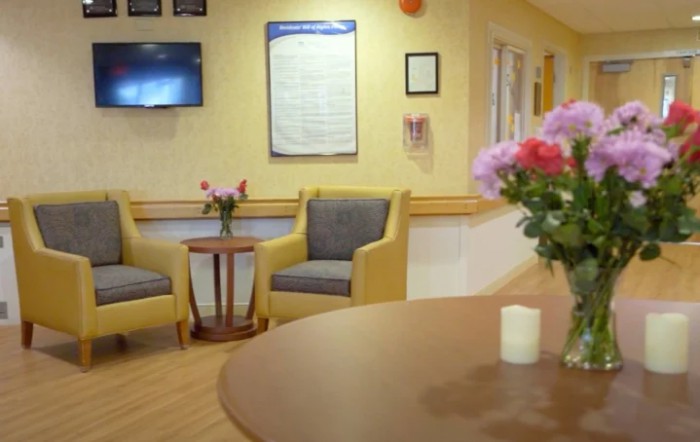
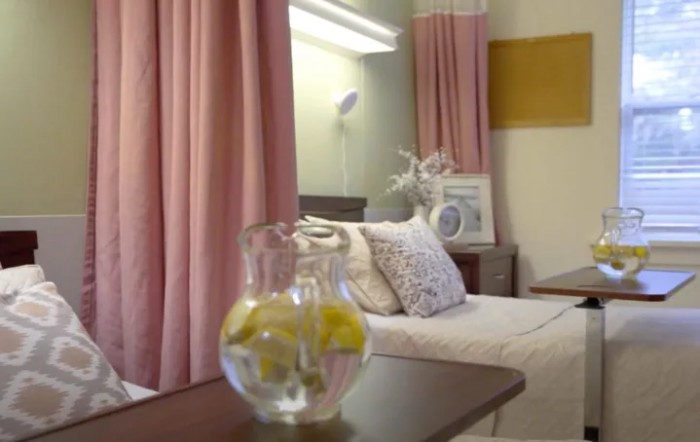
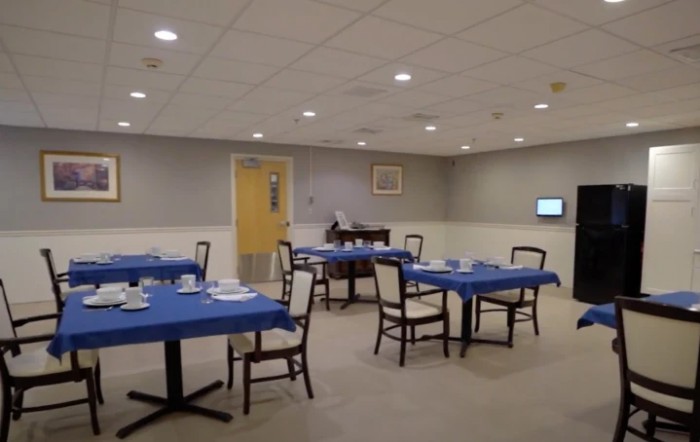
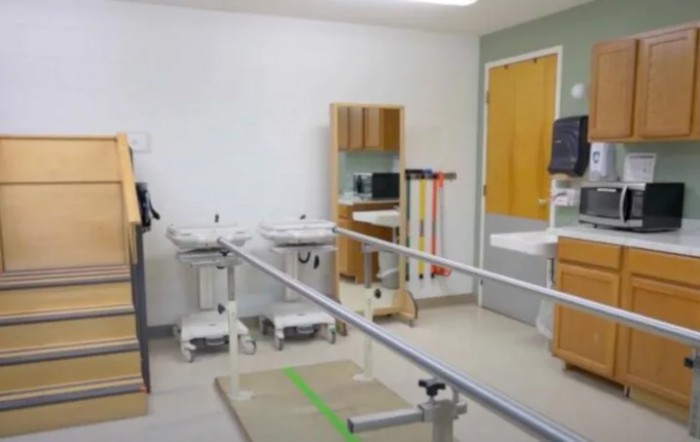
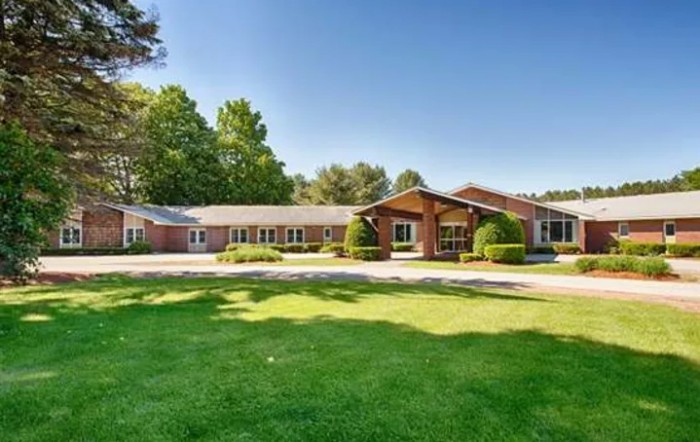
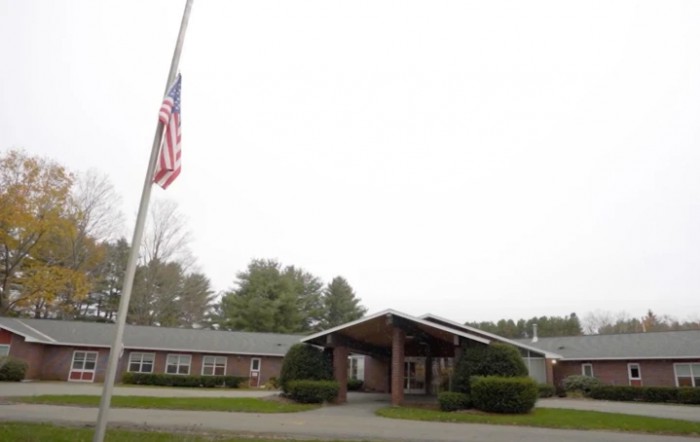
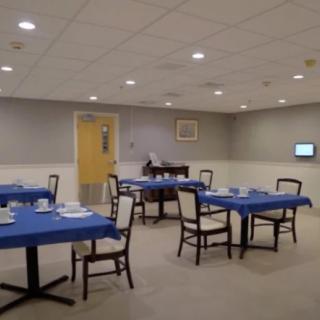
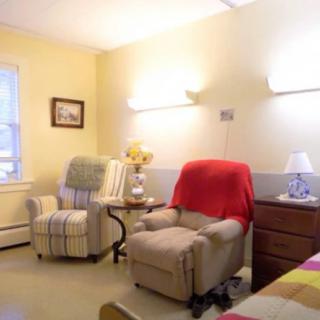
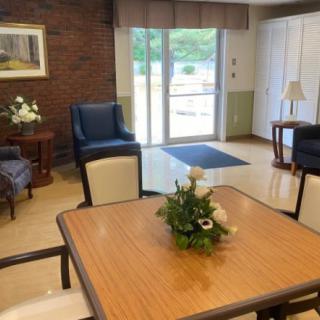
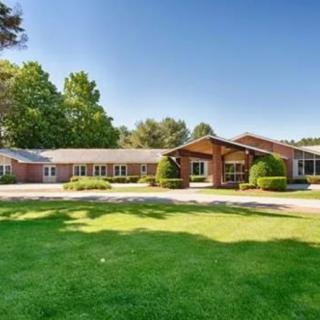
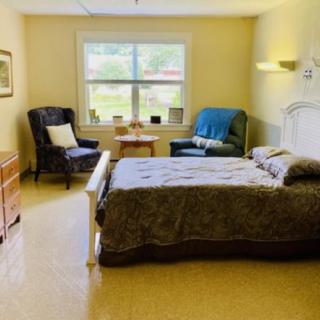
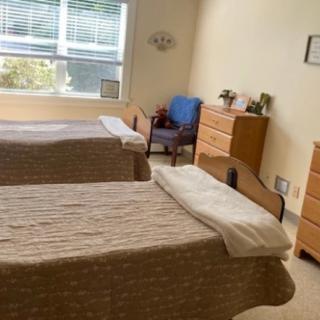
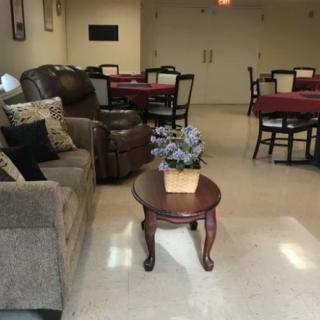
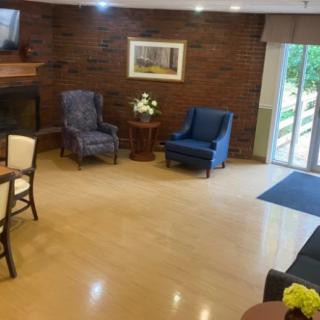
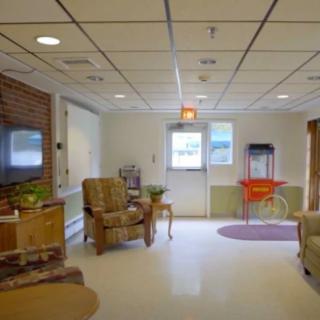
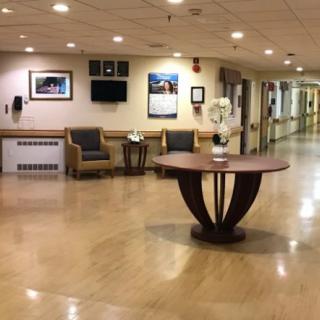
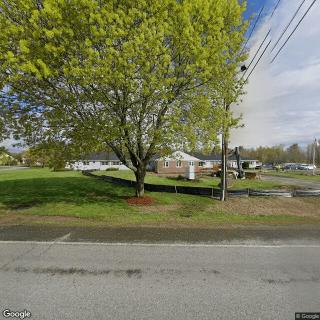
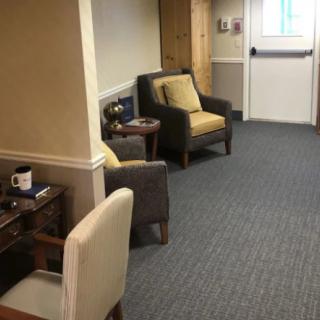
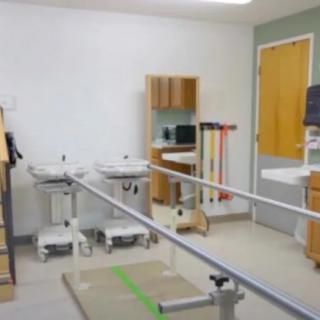
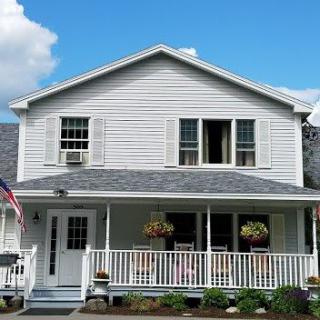
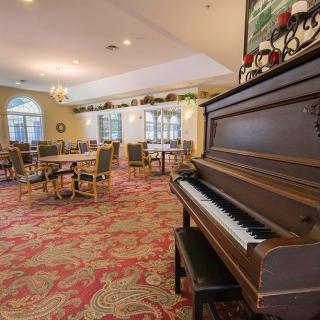
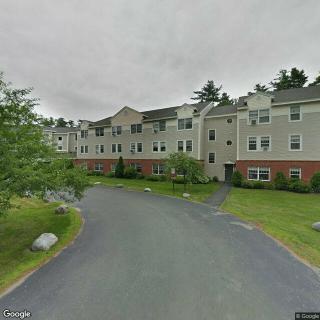
Westgate Center For Rehab & Alzheimers Care on seniors.fyi includes 19 photos including images showing interior, decor, windows, bedroom, living room, dining, lobby, television, and more.
Nearby Communities
Union Street Group Home
Bangor, ME
3.4 from 50 reviews
$5,482 to $6,578 / month
Small, intimate group home with comprehensive care and on-site amenities.
Bangor Nursing & Rehabilitation
Bangor, ME
2.7 from 15 reviews
Extensive amenities with 24/7 care.
Ralph Street Residence
Bangor, ME
Comprehensive care in a comfortable, fully furnished setting with meals, medication management, transportation, and social activities.
Angel Haven Assisted Living
Bangor, ME
2 from 1 review
Small, personalized setting with 24/7 supervision and comprehensive care.
Leighton Manor
Bangor, ME
4.4 from 28 reviews
Fully furnished apartments with on-site dining and comprehensive care services.
20 Cottage Street
Bangor, ME
Small, personalized setting with strong nearby healthcare resources.
The Country Villa
Bangor, ME
4.5 from 26 reviews
$2,700 to $6,175 / month
Warm, homelike atmosphere with dedicated staff and engaging activities.
Woodlands Senior Living of Brewer
Brewer, ME
4.2 from 47 reviews
Well-maintained facility with experienced staff and a strong commitment to resident care.
Ellen M. Leach Memorial Home
Brewer, ME
4.6 from 34 reviews
$2,241 to $2,688 / month
Clean, welcoming environment with engaging activities and included nursing services; affordable pricing.
The article discusses the late stages of dementia, detailing the progression from mild to severe impairment and highlighting key characteristics such as profound cognitive decline and dependency in daily activities. It emphasizes care strategies focused on comfort and dignity, the importance of advance directives, and the emotional support needed for family caregivers facing this challenging journey.
The article examines the link between certain medications and increased dementia risk, particularly in older adults, emphasizing that long-term or high-dose use of anticholinergics, benzodiazepines, and other drug classes can exacerbate cognitive impairment. It calls for careful medication evaluation and shared decision-making to mitigate these risks while managing treatment efficacy.
The article emphasizes the significance of establishing a power of attorney for elderly parents to enable an agent to make decisions on their behalf regarding health and finances, especially during cognitive or physical decline. It outlines various types of power of attorney, the importance of consulting legal professionals, and the responsibilities and challenges faced by agents, while also discussing alternatives and common misconceptions.
Westgate Center For Rehab & Alzheimers Care photos
×
Interior
Decor
Living Room
Building
Bedroom
Trees
Windows
Dining
Seating Area
Television
Lobby
Hallway
Dining Table
Healthcare
Interior
Decor
Bedroom
Dining
Living Room
Landscaping, Building, and Trees
Windows
Television
Seating Area
Entrance and Flag
Lobby
Healthcare
Hallway
Grass
Waiting Area
Rehabilitation and Physical Therapy
Dining Table
Brick Wall
Living Area
Light Fixture
Popcorn Machine
Get PricingAsk A QuestionSchedule A TourContact Senior Advisor
By clicking submit, you agree to our Partner's Terms of Use. You
also consent to receive calls and texts, which may be autodialed, from our Partner. Your consent is not a condition to
using our Partner's service. Please visit our Partner's Privacy Policy for information about their privacy practices.









 39 resident community capacity
 Assisted Living
 Memory Care
 Skilled Nursing Facility
 Beauty salon
 Cable or satellite TV
 Dining room
 Fully furnished
 Garden
 Housekeeping services
 Kitchenette
 Move-in coordination
 Outdoor space
 Private
 Telephone
 Wi-Fi/high-speed internet available
 Bangor International (1 miles away)
 24-hour call system
 Activities of daily living assistance
 Assistance with bathing
 Assistance with dressing
 Assistance with transfers
 Diabetes diet
 Meal preparation and service
 Medication management
 Mental wellness program
 Special dietary restrictions
 Transportation arrangement (medical)
 Transportation to doctors appointments
 Small, intimate group home with comprehensive care and on-site amenities.
 Comprehensive Insights on the Late Stages of Dementia: What to Expect and How to Provide Care
 Medications Associated with Dementia Risk: A Comprehensive Overview
 Guiding Your Journey: Understanding Power of Attorney for Elderly Parents