

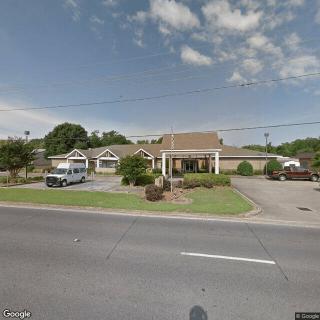
294 Highway 3048, Rayville, LA 71269
For more information about senior living options: (866) 208-4318
Overall Review of Rayville Nursing & Rehabilitation Center
Pros
 RNRC staff is friendly and goes above and beyond to help residents and their families.
- John Thomas is a wonderful physical therapist, and improvements are seen daily.
- Lesia, the administrator, has an open-door policy and families and residents can reach out to her anytime.
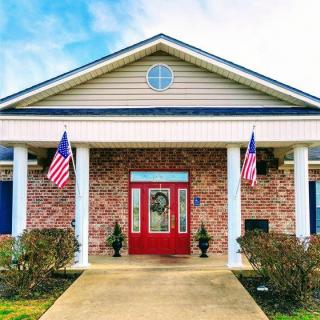
- The building has been remodeled and is fresh and clean on the inside.
- The doctors associated with RNRC are the best of the best and are available whenever needed.
- The mother, a resident, has nothing bad to say and is happy.
Cons
 The facility was not equipped to care for dementia patients for a 20-day rehab.
- In less than six hours, the resident fell and broke his hip.
- The reviewer would give it 0 out of 10 and would not recommend the facility.
- Staff did not promptly respond when the mother pressed the emergency button; she was vomiting blood and had bloody stool, and no nurse checked on her for 20 minutes.
- The aunt developed a sore on her bottom.
- The head administrator was rude, disrespectful, unorganized, and offered poor hospitality.
Review
Rayville Nursing & Rehabilitation Center is best suited for families seeking a rehab-focused stay where mobility recovery and daily personal attention from a dedicated staff are attainable. The facility’s therapy team, led by a standout physical therapist, can deliver measurable gains for residents who need to regain function and build independence after surgery or illness. The environment matters here: a recently remodeled interior and clean surroundings help residents feel settled, and administrators who maintain an open line of communication can provide reassurance during a challenging recovery window. For families prioritizing tangible progress in rehab and a relationship-driven care dynamic, this center is worth serious consideration.
Nevertheless, alternatives should be considered for residents with dementia or those who require near-constant medical oversight and rapid, reliable emergency response. Several accounts raise concerns about dementia capability and readiness, suggesting the facility may not consistently meet specialized cognitive-care needs. For loved ones with memory-care requirements, or families seeking unwavering, proactive nursing attention around the clock, other communities with verified dementia units and stronger contingency staffing may offer safer, more predictable care. Administrative demeanor also factors into the decision: perceptions of disrespect or disorganization at leadership levels can erode trust when urgent situations arise.
On balance, the strongest assets lie with frontline care. The RNRC team is repeatedly described as friendly and genuinely engaged, with staff going above and beyond for residents and their families. The therapy group earns praise for steady progress, and the available doctors are seen as well-integrated and responsive. An administrator who is approachable and accessible, often cited as having an open-door policy, can help families feel heard and involved in care decisions. The remodeled, cleaner interior further supports a positive daily experience. Taken together, these strengths create a workable, supportive framework for many rehab-focused stays.
However, the most consequential drawbacks are difficult to overlook. One patient’s experience suggests a dangerous gap between advertised capabilities and real-world outcomes, with a dementia rehabilitation plan that did not materialize, followed by a fall and serious injury within a short window. Another case details delayed responses to critical symptoms, including vomiting blood and bloody stool, with reports of nurses not checking in promptly and front-desk communication failing to escalate care quickly. Reports of rude or disorganized management compounds these safety concerns, and a perception persists that urgent needs may not be met with the necessary speed or consistency. In short, safety and reliability can be tempered by operational fragility.
The ratings dynamics reinforce the practical caution this center demands. A 2.7 average from nine reviews leans heavily toward the negative, with a subset of positive anecdotes that highlight warmth and progress but are outweighed by the incidents and management concerns. In concrete terms, the favorable experiences reflect real human connection and genuine therapeutic gains, yet the negative reports dominate the overall impression and create a risk calculus for families prioritizing safety, reliability, and consistent oversight. The variability implies that outcomes hinge on which staff members are present and how promptly the system escalates concerns, rather than on a guaranteed standard of care.
For families evaluating this center, take decisive steps to verify fit before committing. Request a current, written rehab plan and clarity on dementia-capable services, if any, to confirm what the facility can actually deliver. Schedule a granular tour focused on call-light responsiveness, nurse staffing levels, and the cadence of therapy sessions. Meet the administrator and therapy director to gauge responsiveness and compatibility, and review recent state inspection summaries to verify safety and staffing assurances. Seek candid references from families willing to share ongoing experiences over time. If dependable safety, consistent nursing attention, and transparent communication are non-negotiable, prioritize alternatives with proven dementia care capabilities and steadier management.
 149 resident community capacity
 Board and Care Home
 Skilled Nursing Facility
 Air-conditioning
 Beauty salon
 Cable or satellite TV
 Computer center
 Dining room
 Fitness room
 Fully furnished
 Gaming room
 Garden
 Housekeeping services
 Kitchenette
 Move-in coordination
 Outdoor space
 Private bathrooms
 Restaurant-style dining
 Small library
 Telephone
 Wellness center
 Wi-Fi/high-speed internet available
 Monroe Regional (17 miles away)
 Community operated transportation
 12-16 hour nursing
 24-hour call system
 Activities of daily living assistance
 Assistance with bathing
 Assistance with dressing
 Assistance with transfers
 Diabetes diet
 Medication management
 Mental wellness program
 Special dietary restrictions
 Concierge services
 Planned day trips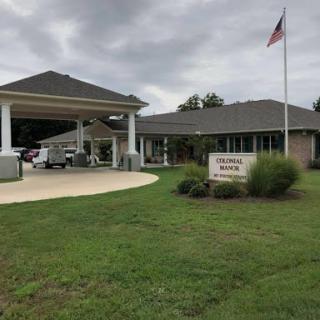



 Weight Training for Seniors: Building Strength and Vitality
 Understanding the Sandwich Generation: Stress and Responsibilities for Multigenerational Caregivers
 8 Essential Assistive Devices for Older Adults