Ouachita Healthcare And Rehabilitation Center

Save

  • Interior

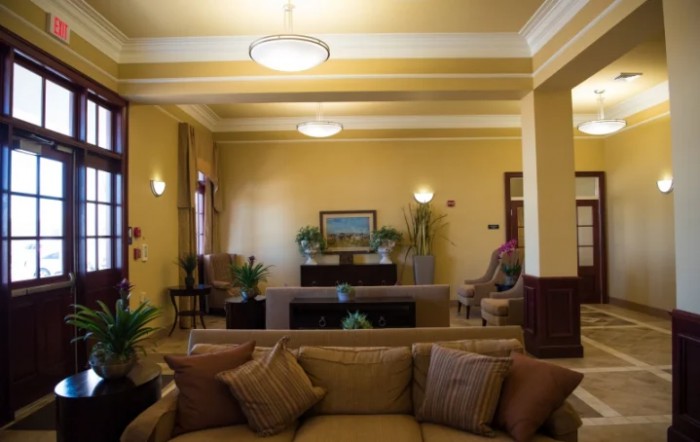
    A cozy living room with comfortable seating and warm lighting.
  • Building

    A view of the Ouachita Healthcare and Rehabilitation Center with a clear blue sky in the background.
  • Architecture

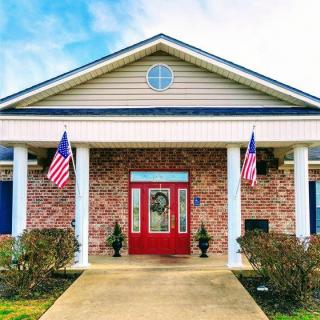
    An inviting building entrance with a landscaped front yard under a clear blue sky.
  • Bedroom

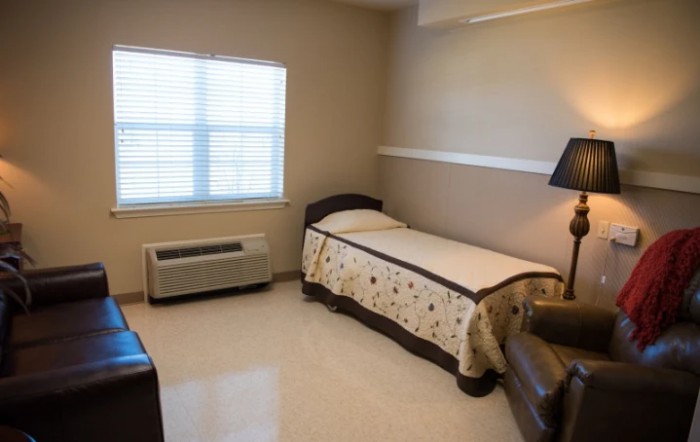
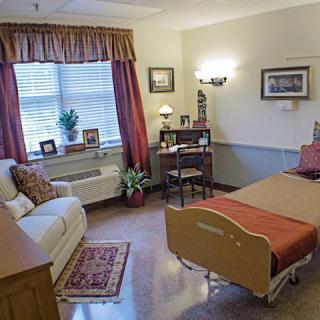
    A minimalist bedroom with a single bed, chair, lamp, and window.
  • Lighting

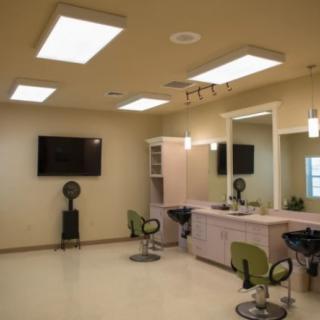
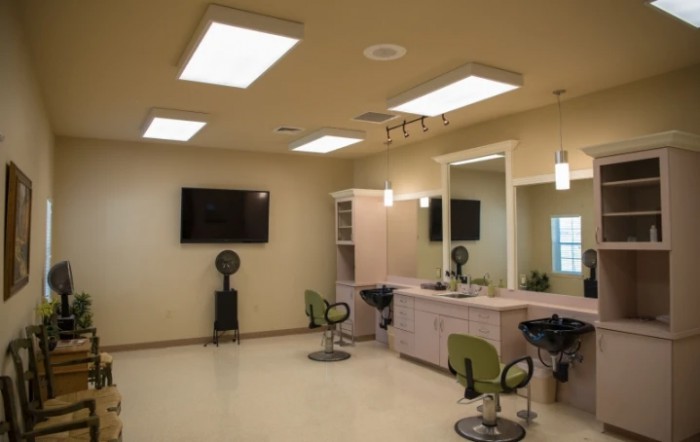
    An empty hair salon interior with styling stations, chairs, and bright lighting.
  • Church

    Interior view of a church with wooden pews and a cross on the wall.

Ouachita Healthcare And Rehabilitation Center

7950 Millhaven Road, Monroe, LA 71203

For more information about senior living options: (844) 490-3973

3 from 31 reviews
5 stars
10
4 stars
7
3 stars
0
2 stars
2
1 stars
12

Skilled Nursing Facility

What level of care are you interested in?

Assisted Living

Memory Care

Independent Living

Skilled Nursing Facility

Continuing Care Retirement Community (CCRC)CCRC

Other


Request a tour at Ouachita Healthcare And Rehabilitation Center

    Overall Review of Ouachita Healthcare And Rehabilitation Center

    Pros

    • pro OR and Healthcare is wonderful.
    • pro The administration works hard to help the patients.
    • pro PT and OT therapists are very caring professionals who do an excellent job.
    • pro The CNAs and most of the staff are nice, caring and professional.
    • pro Ouachita Rehab is the best rehabilitation center in North Louisiana.
    • pro The facility was very clean.
    • pro Everyone was professional, and the patients appeared to be happy there.
    • pro The staff is very polite.

    Cons

    • pro The staff are rude, unprofessional, and fail to treat elderly patients with basic decency.
    • pro The administration never returns phone calls or provides promised updates.
    • pro They kicked out a resident without helping relocate her and left families to fend for themselves.
    • pro Nurses and aides neglect patients, ignore call buttons, and show hostility toward residents.
    • pro The facility has water damage, dirty floors, and a depressing environment.
    • pro It appears the facility cares more about money than patient welfare.
    • pro COVID outbreaks were not adequately communicated, hindering family visibility and safety.
    • pro Medications are mismanaged, including giving unnecessary drugs or withholding needed ones.
    • pro Food is frequently served cold or of poor quality and not properly nourishing.

    Review

    The collection of reviews paints a complex and uneven portrait of the care you can expect from this rehabilitation network. On one hand, several reviewers speak highly of certain departments and individuals, praising the rehabilitation team, the approach of therapy, and the dedication of some staff members. On the other hand, a substantial number of comments describe systemic problems - especially in administration, communication, and basic responsiveness - that leave families frustrated, anxious, and concerned about the wellbeing of their loved ones. Taken together, the comments reveal a facility that can deliver excellent therapy and compassionate care in some circumstances, but that also struggles with consistency, accountability, and patient-centered communication in others.

    A recurring thread is the discrepancy between the experiences of rehabilitation services and the rest of the care environment. Reviewers consistently highlight the physical therapy and occupational therapy teams as a bright spot: therapists are described as caring, professional, and effective, with patients or family members noting real progress and appreciation for the therapists' efforts. The praise often emphasizes the therapists' skill, empathy, and ability to motivate, making the therapy portion of a stay feel worthwhile even when other aspects of the facility fall short. The positive feedback tends to cluster around the therapy department, suggesting that the core rehabilitation work can be excellent, even if other parts of the facility do not meet expectations.

    Conversely, the administration and front-line caregiving staff come in for sharp criticism in many reviews. Several families report that administrators - sometimes identified as the director or intake/case-management teams - rarely return calls or provide timely updates. The sense conveyed is one of detached management that fails to communicate important information about a patient's status, discharge planning, or changes in care needs. Beyond communication, reviewers describe a pervasive culture of unresponsiveness among CNAs, aides, and some nursing staff, including repeated difficulties in getting help for patients who press the call button or who cannot advocate for themselves due to dementia. Multiple accounts mention being left waiting for assistance, receiving little to no follow-up after incidents, and feeling ignored when concerns are raised.

    Several reviews zoom in on more granular and alarming care gaps: medication management and safety, infection control, and basic daily necessities. One family recounts a troubling release situation where a patient did not receive all remaining prescribed medication, with promises of follow-up that never materialized. The episode underscores a broader concern about continuity of care during transitions and the potential for gaps in medication oversight that can have serious consequences. Other comments touch on infection control and COVID-related experiences, including positive cases appearing after a patient's transfer or admission and limited opportunities for family members to visit or monitor care, which compounds anxiety and questions about safety protocols. These narratives emphasize the need for clear procedures, accountability, and transparent communication, especially when a resident's health status changes or new infections arise.

    Environmental and facility conditions also appear in the reviews as sources of discomfort or concern. Some reviewers mention water damage in patient rooms, dirty floors, scuffed walls, and a general sense of neglect in the physical environment, which can erode trust and contribute to a perception of substandard care. The exterior cleanliness and overall ambiance are sometimes praised, but the condition of patient rooms and the speed with which basic repairs are addressed emerge as recurring complaints. In one account, the isolation required during COVID times is acknowledged, yet the broader critique remains that the facility's infrastructure and upkeep do not always reflect the level of care family members expect.

    There are positive notes about specific facilities and personnel that deserve recognition. A few reviews hail the overall cleanliness of the facility, the quiet atmosphere, and the professionalism of some staff members outside the therapy team. One highly favorable post extols a particular administrator - Mrs. Glenda - who is described as someone who takes care of everything for families, and another review extols an "Ouachita Rehab" center as the best in its region underlines the diversity of experiences within the network. Still, these favorable items appear alongside more critical assessments, suggesting that while some individuals and departments can deliver high-quality outcomes, the overall experience varies widely from one patient to the next.

    A strikingly strong sentiment across many reviews is distrust or disappointment with the facility's commitment to patient and family needs when it comes to care transitions, ongoing communication, and emotional support. Several families describe feeling like the primary concern was administrative or financial rather than the patient's health and daily comfort. The sense that patients with memory care needs or complex conditions are not consistently receiving the attentiveness and respect they require further intensifies concerns about the patient experience. These themes - communication gaps, perceived prioritization of billing over compassionate care, and inconsistent outcomes - dominate many of the negative narratives and leave readers with a cautious impression about relying on the facility without active, ongoing family involvement.

    In summary, the experiences shared here reflect a facility with meaningful strengths in rehabilitation therapy and some caring staff, but with significant and repeated failures in administration, communication, and day-to-day caregiving. Families report that when therapy is the primary goal, progress and supportive professionals can shine; when broader support and system-wide coordination are needed - especially around medications, discharge planning, infection control, and timely responsiveness - gaps become problematic and distressing. For anyone evaluating this facility, the message is clear: if you can access consistently reliable communication, strong therapy supervision, and a clear plan for medication management and caregiver support, you may find valuable benefits. If not, the risk of encountering unreturned calls, delayed assistance, or unsettled questions about safety and care feels high, underscoring the importance of vigilant oversight, direct involvement, and proactive advocacy during any stay.

    Features

    Housing

    • 167 resident community capacity 167 resident community capacity

    Types of Care

    • Skilled Nursing Facility Skilled Nursing FacilitySkilled Nursing Facilities are crucial for seniors as they provide round-the-clock medical care, rehabilitation services, and assistance with daily activities. These facilities ensure that seniors receive the specialized care they need to maintain their health and well-being as they age.

    Amenities

    • Air-conditioning Air-conditioningAir conditioning is important for seniors as they are more vulnerable to heat-related illnesses and may have underlying health conditions that make it difficult for them to regulate their body temperature. It helps to keep them comfortable, safe, and healthy in hot weather.
    • Beauty salon Beauty salonBeauty salons are important for seniors because they provide a space for them to feel pampered, socialize, and maintain their personal grooming and hygiene. Regular visits to a beauty salon can help boost seniors' self-esteem and overall well-being.
    • Cable or satellite TV Cable or satellite TVCable or satellite TV is important for seniors because it provides entertainment, news, and companionship, helping to combat loneliness and boredom. It also offers a wide range of programming options tailored to different interests and preferences.
    • Computer center Computer centerA computer center is essential for seniors as it provides access to technology, communication tools, and resources that can enhance their daily lives. It allows them to stay connected with loved ones, engage in online activities, and learn new skills, ultimately promoting socialization and mental stimulation.
    • Dining room Dining roomDining rooms are important for seniors as they provide a space for socialization, connection, and nutritious meals. They offer opportunities for residents to bond over shared meals, foster a sense of community, and promote healthy eating habits. Dining rooms also ensure that seniors have access to well-balanced meals tailored to their dietary needs and preferences.
    • Fitness room Fitness roomHaving a fitness room in a senior living community is essential for seniors to stay active, maintain their physical health, and improve their overall well-being. Regular exercise can help prevent falls, reduce the risk of chronic diseases, and promote mental sharpness. It also provides social opportunities for residents to connect with others and enjoy a sense of community.
    • Fully furnished Fully furnishedFully furnished senior living communities are important for seniors because they provide convenience, comfort, and a hassle-free moving experience. Seniors can easily settle into their new living space without the stress of having to buy and move furniture. This allows them to focus on enjoying their new home and community.
    • Gaming room Gaming roomGaming rooms are important for seniors as they provide a fun and engaging environment for socializing, cognitive stimulation, and physical activity. Games can improve memory, problem-solving skills, and overall mental well-being while fostering friendships and reducing feelings of isolation.
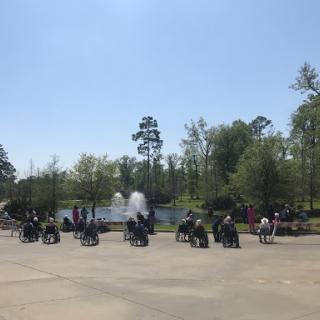
    • Garden GardenGardens are important for seniors as they provide a peaceful and therapeutic environment for relaxation, physical activity, and socialization. Being in nature has been shown to reduce stress, improve mood, and promote overall well-being. Gardens also offer opportunities for seniors to engage in gardening activities, which can improve mobility, flexibility, and cognitive function. Additionally, gardens create a sense of community and connection with others who share a passion for plants and outdoor spaces.
    • Housekeeping services Housekeeping servicesHousekeeping services are important for seniors because they help maintain a clean and safe living environment, promote independence, and reduce the risk of accidents or illnesses. Additionally, having assistance with household chores can alleviate physical strain and allow seniors to focus on other aspects of their well-being.
    • Kitchenette KitchenetteKitchenettes are important for seniors living in senior living communities because they provide the convenience and independence of being able to prepare simple meals and snacks in the comfort of their own living space. This can help promote a sense of autonomy and well-being for seniors, allowing them to maintain some level of control over their dietary choices and daily routines.
    • Move-in coordination Move-in coordinationMove-in coordination is important for seniors because it helps ease the transition into their new living environment. It ensures that all logistics, such as packing, organizing movers, and setting up utilities are taken care of, allowing seniors to focus on settling in and adjusting to their new home. Having a smooth move-in process can alleviate stress and anxiety, making the transition smoother and more enjoyable for seniors.
    • Outdoor space Outdoor spaceOutdoor spaces are important for seniors as they provide opportunities for physical activity, social interaction, exposure to natural light and fresh air, and a sense of connection to nature. Having access to outdoor spaces can improve overall well-being and quality of life for older adults living in senior communities.
    • Private bathrooms Private bathroomsPrivate bathrooms are important for seniors in senior living communities because they provide independence, dignity, and comfort. Having a private bathroom allows seniors to maintain their personal hygiene routines without the need for assistance, promoting a sense of autonomy and privacy. Additionally, private bathrooms help prevent the spread of infections and provide a safe and clean environment for seniors to navigate safely.
    • Restaurant-style dining Restaurant-style diningRestaurant-style dining is important for seniors because it allows them to enjoy delicious, nutritious meals in a social and upscale setting. This enhances their dining experience, promotes healthy eating habits, and fosters socialization with fellow residents, ultimately contributing to their overall well-being and quality of life.
    • Small library Small librarySmall libraries are important for seniors as they provide access to a variety of reading materials, including books, newspapers, and magazines. This can help stimulate their minds, keep them engaged, and provide a sense of community through book clubs and other social activities. Additionally, reading has been shown to improve cognitive function and overall mental well-being in older adults.
    • Telephone TelephoneTelephones are important for seniors as they provide a lifeline for communication with loved ones, emergency services, and healthcare providers. They offer a sense of security and independence, enabling seniors to stay connected and access assistance when needed.
    • Wellness center Wellness centerWellness centers are important for seniors because they offer a variety of programs and services that promote physical, mental, and emotional well-being. These centers provide opportunities for exercise, socialization, education, and relaxation, helping seniors maintain their overall health and quality of life.
    • Wi-Fi/high-speed internet available Wi-Fi/high-speed internet availableWi-Fi/high-speed internet is important for seniors to stay connected with loved ones, access online resources, and participate in virtual activities to combat feelings of loneliness and isolation. It also allows them to easily manage healthcare needs, access entertainment, and engage in lifelong learning opportunities.

    Transportation

    • Monroe Regional (1 miles away) Monroe Regional (1 miles away)
    • Community operated transportation Community operated transportationCommunity operated transportation is crucial for seniors as it provides them with the means to access essential services, social activities, and medical appointments. It allows seniors to maintain their independence and quality of life by ensuring they can participate in activities outside of their homes. Additionally, community-operated transportation services offer a safe and reliable way for seniors to travel without having to rely on family or friends for assistance.
    • Transportation arrangement Transportation arrangementTransportation arrangements are crucial for seniors as they may face challenges with driving, mobility, or access to public transportation. Having reliable transportation services ensures that seniors can easily attend appointments, social activities, and maintain their independence and quality of life.
    • Transportation arrangement (non-medical) Transportation arrangement (non-medical)Transportation arrangements are essential for seniors as they provide access to essential services, activities, and social interactions outside the home. This service helps maintain independence, mobility, and overall well-being for seniors who may have limited transportation options.
    • Transportation to doctors appointments Transportation to doctors appointmentsTransportation to doctors appointments is crucial for seniors as it ensures they have access to necessary medical care and support, promoting their health and well-being. It allows them to receive timely treatment, monitor existing conditions, and address any new health concerns efficiently. Additionally, transportation services can help seniors maintain their independence and quality of life by enabling them to stay connected with their healthcare providers.

    Care Services

    • 12-16 hour nursing 12-16 hour nursing12-16 hour nursing care is crucial for seniors in order to ensure around-the-clock monitoring, timely medication administration, and prompt response to any health concerns or emergencies. This level of care helps to promote the overall well-being and safety of seniors living in senior living communities.
    • 24-hour call system 24-hour call system24-hour call systems are important for seniors because they provide peace of mind and immediate assistance in case of emergencies. This technology ensures that help is always available, promoting safety and security for elderly individuals living alone or in assisted living facilities.
    • 24-hour supervision 24-hour supervision24-hour supervision is important for seniors to ensure their safety, well-being, and access to immediate assistance in case of emergencies or health issues. This constant support provides peace of mind for both seniors and their loved ones, allowing them to age in place with dignity and security.
    • Activities of daily living assistance Activities of daily living assistanceActivities of daily living assistance are important for seniors because they provide essential support with tasks such as eating, bathing, dressing, and mobility. This assistance helps seniors maintain their independence, dignity, and overall quality of life as they age.
    • Assistance with bathing Assistance with bathingAssistance with bathing is crucial for seniors as it helps maintain personal hygiene, prevents infections, and ensures their overall well-being and comfort. It also provides a sense of dignity and independence for seniors who may struggle with this task on their own.
    • Assistance with dressing Assistance with dressingAssistance with dressing is important for seniors because it helps maintain their independence, promotes personal hygiene, prevents accidents and injuries, and improves overall quality of life. This service ensures that seniors can continue to dress comfortably and confidently, despite any physical limitations they may have.
    • Assistance with transfers Assistance with transfersAssistance with transfers is crucial for seniors as it helps prevent falls and injuries, maintains their independence, and ensures they can safely navigate their living environment. It also provides peace of mind for both seniors and their loved ones.
    • Diabetes diet Diabetes dietA diabetes diet is crucial for seniors as it helps manage blood sugar levels, reduce risks of complications, and improve overall health and well-being. By following a balanced and nutritious diet tailored to their specific needs, seniors can better control their diabetes and enhance their quality of life.
    • Meal preparation and service Meal preparation and serviceMeal preparation and service are crucial for seniors as they may have limited mobility or energy to cook nutritious meals. Having access to healthy and convenient food options can ensure they are getting the proper nutrition needed to maintain their overall health and well-being.
    • Medication management Medication managementMedication management is crucial for seniors to ensure they are taking the right medications at the correct dosages and times. This helps prevent adverse drug interactions, reduces the risk of medication errors, and promotes overall health and well-being. Proactive management also allows for adjustments as needed based on changing health conditions or new prescriptions.
    • Mental wellness program Mental wellness programMental wellness programs are essential for seniors as they promote cognitive stimulation, emotional support, and social engagement. These programs help prevent isolation, depression, and cognitive decline, ultimately enhancing the overall quality of life for older adults.
    • Special dietary restrictions Special dietary restrictionsSpecial dietary restrictions are important for seniors because age-related changes in metabolism and health conditions can make it difficult for their bodies to process certain foods. By following a diet tailored to their specific needs, seniors can maintain their overall health and well-being, manage chronic conditions, and reduce the risk of complications such as malnutrition or food interactions with medications.

    Dining

    • Diabetes diet Diabetes dietA diabetes diet is crucial for seniors as it helps manage blood sugar levels, reduce risks of complications, and improve overall health and well-being. By following a balanced and nutritious diet tailored to their specific needs, seniors can better control their diabetes and enhance their quality of life.
    • Special dietary restrictions Special dietary restrictionsSpecial dietary restrictions are important for seniors because age-related changes in metabolism and health conditions can make it difficult for their bodies to process certain foods. By following a diet tailored to their specific needs, seniors can maintain their overall health and well-being, manage chronic conditions, and reduce the risk of complications such as malnutrition or food interactions with medications.

    Activities

    • Community-sponsored activities Community-sponsored activitiesCommunity-sponsored activities are important for seniors as they provide opportunities for social interaction, mental stimulation, and physical activity. These activities can help improve overall well-being, combat loneliness and isolation, and promote a sense of belonging and purpose among older adults.
    • Concierge services Concierge servicesConcierge services are essential for seniors as they provide assistance with daily tasks and errands, enhance their quality of life by offering convenience and personalized care, and promote a sense of safety and security.
    • Fitness programs Fitness programsFitness programs are crucial for seniors as they help improve strength, flexibility, balance, and overall well-being. Staying active can reduce the risk of chronic diseases, improve mental health, and enhance quality of life in older adults.
    • Planned day trips Planned day tripsPlanned day trips are important for seniors because they offer opportunities for socialization, mental stimulation, and physical activity. They provide a change of scenery and help seniors stay engaged and connected to their community, promoting overall well-being and quality of life.
    • Resident-run activities Resident-run activitiesResident-run activities are important for seniors as they encourage social interaction, creativity, and a sense of autonomy. These activities empower seniors to stay engaged and active in their community while fostering meaningful connections with their peers.
    • Scheduled daily activities Scheduled daily activitiesScheduled daily activities are important for seniors because they provide structure, socialization, mental stimulation, and physical activity. Engaging in regular activities can improve overall well-being and quality of life for seniors living in a community setting.

    Description

    Ouachita Healthcare And Rehabilitation Center in Monroe, LA is a comprehensive assisted living community that offers a wide range of amenities and care services to meet the needs of its residents. The facility provides a comfortable and luxurious environment where individuals can receive assistance with daily activities while enjoying a vibrant social life.

    Some of the amenities available at Ouachita Healthcare And Rehabilitation Center include a beauty salon, cable or satellite TV, a computer center, and a dining room where residents can enjoy nutritious meals prepared by professional chefs in a restaurant-style setting. The community also features a fitness room, gaming room, and small library to cater to various interests.

    For those who enjoy spending time outdoors, Ouachita Healthcare And Rehabilitation Center offers beautiful gardens and outdoor spaces where residents can relax and engage in leisurely activities. Additionally, high-speed internet access is available throughout the facility for those who prefer staying connected online.

    The community ensures round-the-clock care through its 24-hour call system and supervision provided by qualified staff members. Assistance with activities of daily living such as bathing, dressing, and transfers is readily available to help residents maintain their independence. Medication management and special dietary restrictions are also handled efficiently to ensure the overall well-being of each individual.

    Ouachita Healthcare And Rehabilitation Center goes above and beyond by offering various programs aimed at promoting mental wellness among its residents. This includes engaging activities, planned day trips, and resident-run programs that encourage social interaction and foster a sense of belonging.

    In terms of location, the community benefits from its proximity to numerous amenities essential for everyday life. There are several cafes, parks, pharmacies, restaurants, places of worship within close distance. Additionally, transportation arrangements are made for non-medical needs as well as doctors' appointments.

    Overall, Ouachita Healthcare And Rehabilitation Center is an exceptional assisted living community that provides top-notch care services coupled with an array of amenities to enhance the quality of life for its residents.

    Nearby Places of Interest

    Restaurants

    • Applebee's (1.7 miles)
    • Olive Garden (1.8 miles)
    • McAlister's Deli (2.1 miles)
    • Mel's Cajun Fried Chicken & Catfish (2.2 miles)
    • McDonald's (2.3 miles)
    • Ray's Pege (2.3 miles)
    • Catahoula's (2.8 miles)

    Pharmacies

    • Brookshire's (2.1 miles)
    • Walmart Pharmacy (3 miles)
    • Fred's Pharmacy (3.4 miles)
    • Grifols (3.5 miles)
    • Mel's Pharmacy (3.7 miles)
    • Super 1 Foods (4.3 miles)
    • Super 1 Pharmacy & Optical Store (4.3 miles)

    Places of Worship

    • Living Water Ministries International (2.6 miles)
    • Zion Spring Baptist Church (3.2 miles)
    • Bethel Pentecostal Church (3.6 miles)
    • Eastside Church of God (3.6 miles)
    • St Matthews Church of Christ Holiness (4.5 miles)
    • Progressive Baptist Church (5.1 miles)
    • Christian Community Ministries (5.1 miles)

    Transportation

    • Troop 'F' Heliport (2.7 miles)

    Physicians

    • TMS Center Of Nela (4 miles)
    • Calvin Walker MD (4 miles)
    • The Eye Clinic of Monroe (4.2 miles)
    • James Arthur Altick (4.4 miles)
    • Enterprise Associates Of Ne La - Wilson T Barham MD (4.4 miles)
    • Asthma & Allergy Center (4.5 miles)
    • Northeast Imaging (4.6 miles)

    Hospitals

    • Blue Cross Blue Shield Of Louisiana (4.2 miles)
    • St Francis Mdeical Center (4.9 miles)
    • St Francis Specialty Hospital (5 miles)
    • Louisiana State University Health Sciences Center At Monroe (5.6 miles)
    • Saint Francis North Hospital (6.2 miles)
    • St Francis Medical Center North (6.2 miles)
    • Ouachita Community Hospital (7.1 miles)

    Parks

    • Bernstein Park (4.4 miles)

    Cafes

    • CC's Coffee House (4.7 miles)
    • Starbucks (5.6 miles)

    Frequently Asked Questions

    Where is Ouachita Healthcare And Rehabilitation Center?
    What photos are available for Ouachita Healthcare And Rehabilitation Center in Monroe, Louisiana?

    Nearby Communities

    Skilled Nursing Facility in Nearby Cities

    Related Resources

    • anticipatory griefRecognizing the Journey: Understanding and Navigating Anticipatory Grief

      Anticipatory grief is an emotional response to the impending loss of a loved one, characterized by complex emotions such as sadness and anger, and involves navigating stages similar to those identified by Kübler-Ross. Coping strategies are vital for managing this process, emphasizing compassionate communication, self-care, and support groups while recognizing the cultural influences on grieving.

    • adult day careEncouraging Participation in Adult Day Care: A Guide to Supporting a Hesitant Parent

      Adult day care programs offer essential support and activities for older adults, yet many hesitate to participate due to concerns about independence and stigma. To alleviate these apprehensions, families should facilitate open discussions, explore financial resources, suggest trial visits, and collaborate with healthcare providers to highlight the benefits of such services for both the participants and their caregivers.

    • living will definitionComprehensive Exploration of Living Wills and Other Advance Directives
      Living wills and advance directives are crucial legal documents that outline an individual's healthcare preferences when they cannot make decisions themselves, enhancing patient autonomy and alleviating family stress during medical crises. The article emphasizes the need for these documents to be personalized, legally valid, and regularly updated, while also encouraging communication about end-of-life wishes among family members and healthcare providers.


    Get Pricing Ask A Question Schedule A Tour Contact Senior Advisor