3525 Bienville Street, New Orleans, LA 70119
For more information about senior living options: (866) 208-4318
Overall Review of St Margaret's Daughters Home
Pros
 They had a great experience at St Margaret’s.
- The resident’s mother loved the staff and the food.
- The therapy team is the best.
- She felt safe during the pandemic.
- The care has been good.
- The unit is very pleasant, decent, and clean.
- The staff is very friendly and very helpful.
Cons
 There is a lack of communication from the administration.
 - The nursing staff and aides are described as completely incompetent.
- Prescribed medications were not filled or administered on time.
- Aides have uncaring attitudes and no compassion toward patients.
- Therapy hours promised were not completed daily.
- Staff are overworked dealing with too many patients, leading to poorer care.
- Residents receive insufficient food, with meals resembling hospital fare.
Review
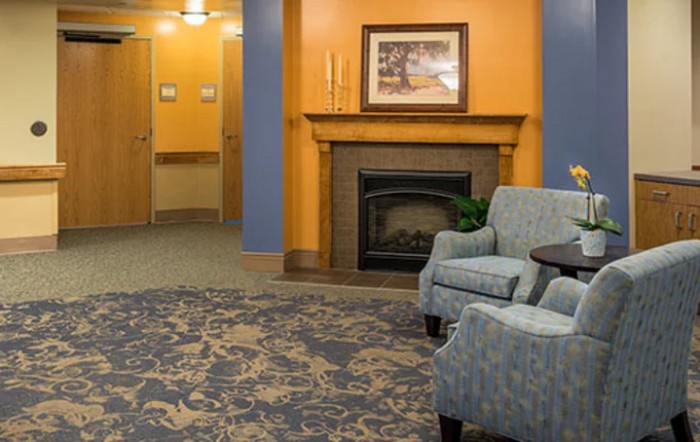
St Margaret’s Daughters Home in New Orleans is best suited for families seeking a rehab-focused environment where therapy is a central, well-regarded component and the atmosphere remains more homelike than institutional. The strongest argument for this community is the therapy team and the structured rehab program, which multiple reviewers describe as effective. When recovery and daily therapy hours are the priority, this facility can deliver measurable progress in a more pleasant, unit-like setting with clean common spaces and accessible TV hookups in rooms. For families who want a warm, staff-accessible vibe and a place that feels manageable rather than sprawling, St Margaret’s provides a practical option.
The standout positives center on rehab quality and day-to-day tangibles. Reviewers consistently note that therapy, particularly the therapy team, works hard and produces real benefit, with regular OT and PT sessions that align with recovery goals. The unit is described as pleasant and clean, with daily housekeeping and a generally helpful staff presence in some shifts. The environment also offers amenities such as a comfortable common room and the ability to hook up a television in resident rooms, which many families value as part of a dignified, home-like routine. These elements translate into meaningful peace of mind for families prioritizing structured rehabilitation and a respectful, approachable atmosphere.
Yet significant concerns course through the experiences shared. Several reviews allege serious gaps in nursing and aides, with comments about incompetence, lack of communication, and missed or delayed medications. Specific complaints include daily tasks not being completed on time and a sense that some staff members lack compassion. Other families describe overworked nurses and aides who struggle to meet patient needs, suggesting that the facility’s staffing model may not reliably support consistent, attentive care across all shifts. Taken together, these reports paint a cautionary picture: strong therapy can exist alongside uneven medical and nursing support, which heightens risk for both short-term setbacks and longer-term dissatisfaction.
The core tension is clear when balancing pros and cons. The robust therapy program and a pleasant, relatively tidy environment do offset some concerns for residents who come in primarily for rehabilitation and who can rely on therapists to drive progress. For families intimately involved in daily communication with staff, the positives can translate into real improvement and a sense of safety during recovery. However, for residents whose needs include dependable medication administration, steady nursing attention, and consistent across-the-board staffing, the cons may overwhelm the benefits. The cost dynamic introduced by some reviewers, where private-care-like expectations come with high price points, adds another layer of decision risk: without universal excellence in daily nursing, the value proposition weakens for those who cannot or will not pay large premiums for private care.
Alternatives merit serious consideration for anyone prioritizing steady, predictable medical oversight or a consistently high level of daily support. If the primary requirement is reliable, compassionate nursing and timely medication administration across all shifts, families may want to explore facilities with stronger staffing models or higher nurse-to-resident ratios. Those who demand consistently excellent dining experiences or a broader social program beyond rehab-focused activities may also find the menu variability and programming insufficient. In short, those with significant medical complexity, high daytime care needs, or expectations for uniformly excellent service across all departments should be prepared to compare St Margaret’s with other options that promise steadier alignment between therapy quality and daily nursing care.
Practically, families considering this community should visit multiple times, speak with therapists, nursing staff, and aides, and probe daily routines and care planning. Ask for typical nurse-to-resident ratios, details on med administration workflows, and how communication is handled when concerns arise. Confirm how therapy progress is measured and documented, and seek clarity on how room amenities, like TV access, fit into overall care plans and costs. If the answer aligns with a rehab-forward, moderately priced and more intimate setting, St Margaret’s Daughters Home can be a solid choice. If the goal centers on unwavering nursing reliability, robust daily oversight, or consistently high dining and programming quality, alternatives built on stronger staffing and uniform care may serve the family better.
 112 resident community capacity
 Skilled Nursing Facility
 Air-conditioning
 Beauty salon
 Cable or satellite TV
 Computer center
 Dining room
 Fitness room
 Fully furnished
 Gaming room
 Garden
 Housekeeping services
 Kitchenette
 Move-in coordination
 Outdoor space
 Private bathrooms
 Restaurant-style dining
 Small library
 Telephone
 Wellness center
 Wi-Fi/high-speed internet available
 New Orleans International (10 miles away)
 Community operated transportation
 12-16 hour nursing
 24-hour call system
 Activities of daily living assistance
 Assistance with bathing
 Assistance with dressing
 Assistance with transfers
 Diabetes diet
 Medication management
 Mental wellness program
 Special dietary restrictions
 Concierge services
 Planned day trips








 Understanding Home Health Care: A Comprehensive Guide
 Home Health Care Demystified: A Comprehensive Guide for Families and Caregivers
 Seniors and Modern Transportation: Exploring Uber, Lyft, and Other Ride-Hailing Options