

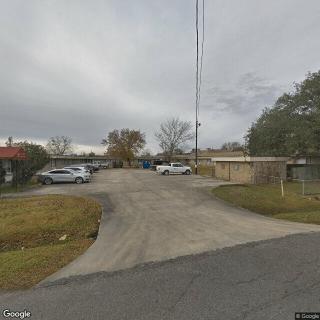
506 W 5th St, La Place, LA 70068
To contact a resident: (504) 652-9538
For more information about senior living options: (866) 208-4318
Overall Review of Twin Oaks Nursing-Convalescent
Pros
 The care at Twin Oaks is wonderful.
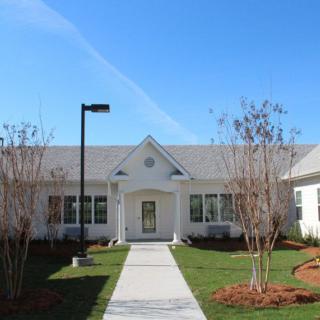
- The facility is newly renovated and very welcoming with a home-like environment.
- The staff is always nice and accommodating.
- The Twin Oaks community feels like a family.
- Volunteering and helping the elderly is valued.
- The facility shows evident hospitality and care.
- Karen does a great job running a tight ship.
Cons
 The reviewer did not like the facility; it felt like a nursing home.
 - The reviewer felt the director wasn’t really working with them because they lived farther away.
- The reviewer observed residents hanging out in the hallways and heard a lot of yelling or screaming.
- It wasn’t very clean, and the reviewer’s father would have to share a room with someone else.
- The reviewer would not recommend this facility to other families.
- The reviewer advised avoiding the facility if possible.
Review
Twin Oaks Nursing-Convalescent in La Place is best suited for families who prize a warm, home-like setting and caregivers who invest personally in daily care. The facility has been described as newly renovated and welcoming, with a genuine sense of belonging among staff and residents, the kind of environment where a “Twin Oaks family” feeling can emerge quickly. For seniors who respond positively to personal attention, steady routines, and social engagement facilitated by attentive front-line staff and volunteers, this community can deliver meaningful daily comfort. It is a fit for those who value warmth and connection over pristine formality, and for families wanting visible caregiver commitment in a relaxed, homey atmosphere.
On the upside, actual care quality stands out in several accounts. The care received is called wonderful, and the environment is repeatedly described as hospitable and accommodating. Volunteers describe meaningful interactions with residents, reminiscence moments, and a culture of giving back that reinforces a sense of purpose and dignity for residents. The combination of patient, attentive staff and a renovated setting can translate into strong day-to-day experiences, especially for residents who thrive on personal attention, familiar faces, and predictable, friendly routines. In short, the core caregiving relationship feels solid when the emphasis is on direct interaction and warmth.
However, the downsides are not minor and warrant serious consideration. Some prospective families walk away with the impression of a nursing home “vibe” rather than a polished, quiet community. Tour experiences vary: a director who seems less engaged with distant families, and scenes of residents lingering in hallways with noticeable noise or agitation, lead to questions about overall atmosphere and management responsiveness. Cleanliness concerns surface in some accounts, and the possibility of shared rooms can be a burden for families prioritizing privacy or for residents with higher needs for personal space. Taken together, these factors suggest that the daily environment and administrative accessibility may not consistently meet every family’s expectations.
Those pros do not fully neutralize the cons. The renovated, welcoming ambiance and the staff’s warmth are meaningful advantages, but they can be offset by a perception of administrative distance and inconsistent environmental quality. When a facility feels more like a site of social interaction than a controlled living space, and when cleaniness and room options are uneven, the advantages of compassionate caregiving may struggle to compensate. For families balancing social vitality with quiet dignity, compatibility hinges on how well the facility can harmonize the human touch with clean, well-managed spaces and clear, accessible leadership.
Explicitly, there are clear signals for whom to consider alternatives. Families demanding tightly controlled noise levels, private rooms as a standard, and consistently proactive administration should compare other nearby options. If a smooth, communicative relationship with leadership matters, especially when relatives live far away, Twin Oaks may require closer in-person engagement to overcome perceptions of inaccessibility. For those who value a clinical, institution-like calm, unencumbered by variability in cleanliness or privacy, looking elsewhere is a prudent step.
In practical terms, prospective families should approach a visit with a structured checklist. Observe how quiet the hallways are during peak activity, assess cleanliness in common areas and bathrooms, and confirm room configurations before any commitment. Request a frank meeting with the administrator and head nurse to gauge responsiveness to questions and concerns, and speak with current residents and families about day-to-day life, activity programming, and perceived consistency of care. Weigh the strength of heartfelt caregiving and a renovated, inviting setting against the realities of management accessibility and environmental consistency. For those who prize warmth, connection, and a homey vibe, and can tolerate some variability in operations, Twin Oaks offers substantial, tangible value. Those who cannot accept potential noise, shared rooms, or less predictable administrative responsiveness should pursue alternatives that align more closely with those non-negotiables.
 Skilled Nursing Facility
 New Orleans International (15 miles away)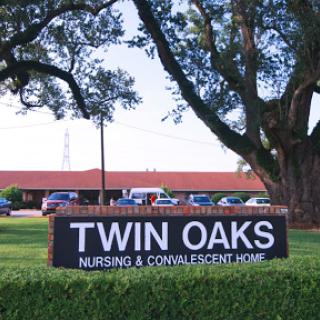



 Recognizing the Journey: Understanding and Navigating Anticipatory Grief
 Encouraging Participation in Adult Day Care: A Guide to Supporting a Hesitant Parent
 Comprehensive Exploration of Living Wills and Other Advance Directives