
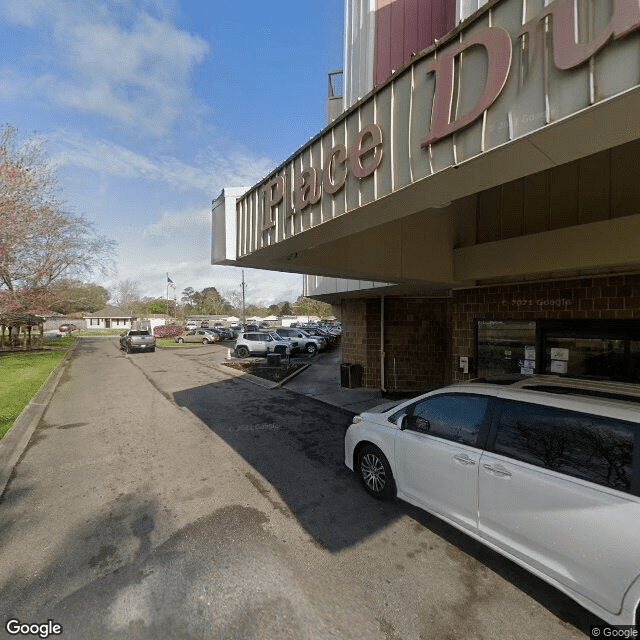
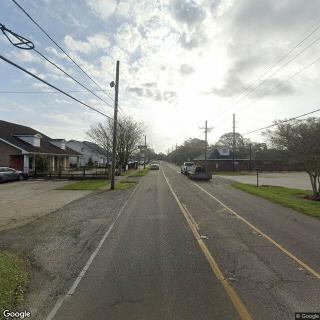
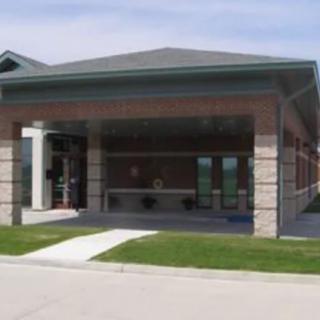
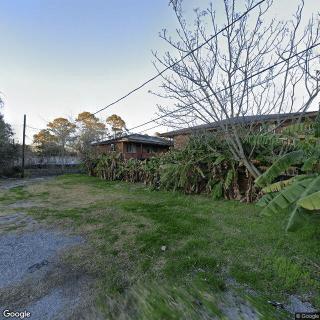
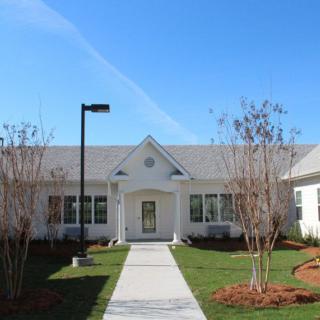
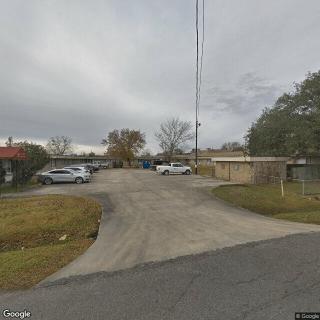
201 Rue Dubourg, La Place, LA 70068
To contact a resident: (985) 652-1981
For more information about senior living options: (866) 208-4318
Overall Review of Place Du Bourg
Pros
 They describe it as a pretty cool place.
 - It is a great place to live with wonderful staff.
- It is a great place for low-income retirees.
- They are the best and treat people like family.
- The staff are very courteous and attentive to residents and visitors.
- Lamont, the security guard, is described as a gentleman.
- Her great-grandmother loved it there.
- The activities were many and varied.
Cons
 The place is not clean at all.
- The air conditioning on the second floor is old and does not cool.
- The electric bill for a small apartment is unrealistically high.
- The whole building needs to be remodeled.
- The elderly community does not cater to the elderly.
- The office staff are rude and unprofessional.
Review
Place Du Bourg in La Place, LA is best suited for budget-conscious retirees who want a genuine, community‑oriented living environment with a workable level of care available when needed. The place clearly serves residents who value interpersonal warmth, active social life, and the chance to maintain independence while still having access to assistance. For families, the most compelling picture is of private rooms that residents can personalize, a variety of activities, and a staff culture that can feel like family. It suits those who prioritize affordability and a sense of belonging over pristine interiors or a polished, resort-like atmosphere.
Those weighing alternatives should consider options if the criteria include consistently modern facilities, flawless maintenance, and highly professional interactions across every channel. If a completely updated building, optimal climate control, or a no‑drama experience with office staff is non-negotiable, other communities may be a better fit. Prospective residents who require more intensive, specialized medical care or a highly structured environment, especially around daily logistics like drop‑offs and unloading, might find the fit tighter elsewhere. In short, this is not the choice for those chasing flawless aesthetics or uniform, industrial-grade efficiency in administration.
The strongest positives center on care‑focused staff and a clear sense of belonging. Several accounts highlight staff as a standout feature, described as courteous, attentive, and capable of creating a family-like atmosphere that resonates with both residents and visitors. The environment supports a modest degree of independence, with residents having their own rooms, small fridges, and personal bathrooms, which fosters dignity and personal control. The activities program is frequently cited as varied and engaging, helping residents stay socially connected and physically active, including routines that promote walking and daily movement. For families on a tighter budget, the community’s affordability becomes a meaningful win, aligning with the ability to age in place without sacrificing companionship or basic services.
Yet the downsides are real and nontrivial, and they temper the overall value equation. Reports of insufficient cleanliness and aging infrastructure cast a long shadow over the appeal. The building is described as outdated, with air conditioning that struggles on upper floors and a general need for remodeling. Operating costs hinge on the electric bill, which some residents have found unexpectedly high for a small living space, signaling that utilities may be a significant ongoing consideration. Office interactions, at least in one account, felt unprofessional and distant from residents’ needs, and logistical friction around unloading, where a loading zone is absent, frustrates families who visit frequently. These are material factors that prospective residents should weigh carefully.
When weighing the pros against the cons, the offsets are meaningful but not universal. The warmth of staff, the ability to preserve independence while receiving needed support, and the active social calendar can outweigh the facility’s age and maintenance gaps for many families. The private, customizable living space and the sense of belonging that caregivers cultivate help residents feel seen and valued, an impact that often matters more than cosmetic polish. The practical inconveniences, unloading challenges, occasional service frictions, and higher utility costs, are real, but they are frequently manageable with proactive planning, clear expectations, and ongoing dialogue with administration. For some, these trade-offs create a balanced, workable living solution.
Decision guidance: Place Du Bourg is a solid match for families seeking affordable, community-driven senior living where independence is honored and staff are genuinely engaged. It works best when the priority is social connection, personalized living space, and reliable routine care within a modest budget. If modern construction, flawless maintenance, and uniformly streamlined operations are non-negotiable, or if easy logistics for visitors are paramount, exploring alternatives is prudent. A practical next step is to visit during peak hours, talk candidly with residents and staff about maintenance plans, and specifically assess HVAC comfort, cleaning standards, and how unloading is handled on busy days. This will reveal whether the current strengths align with the family’s non-negotiables and illuminate concrete expectations for day-to-day life.
 Assisted Living
 Activities on-site
 Devotional services off-site
 Indoor common areas
 New Orleans International (15 miles away)
 Ambulatory care
 Diabetic care
 Meals provided

 Assisted Living and Memory Care: Understanding Their Core Differences
 Beyond the Bingo Hall: 50+ Enriching Activities for Seniors in Assisted Living
 Understanding the Distinctions: Assisted Living and Memory Care Explained